Serbian spruce
Picea omorika. Family Pinaceae. Tree.
Also called Pancic spruce.
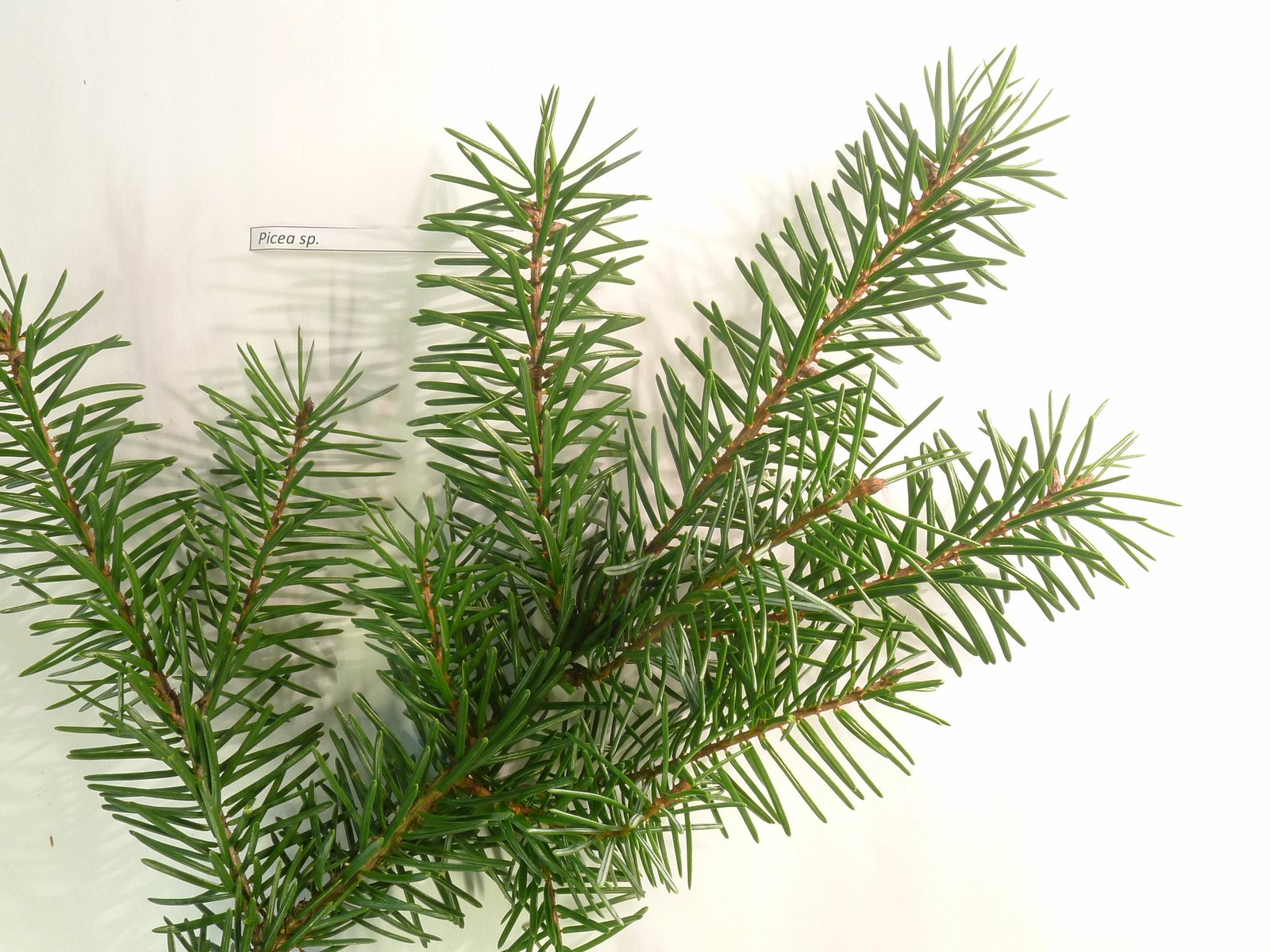
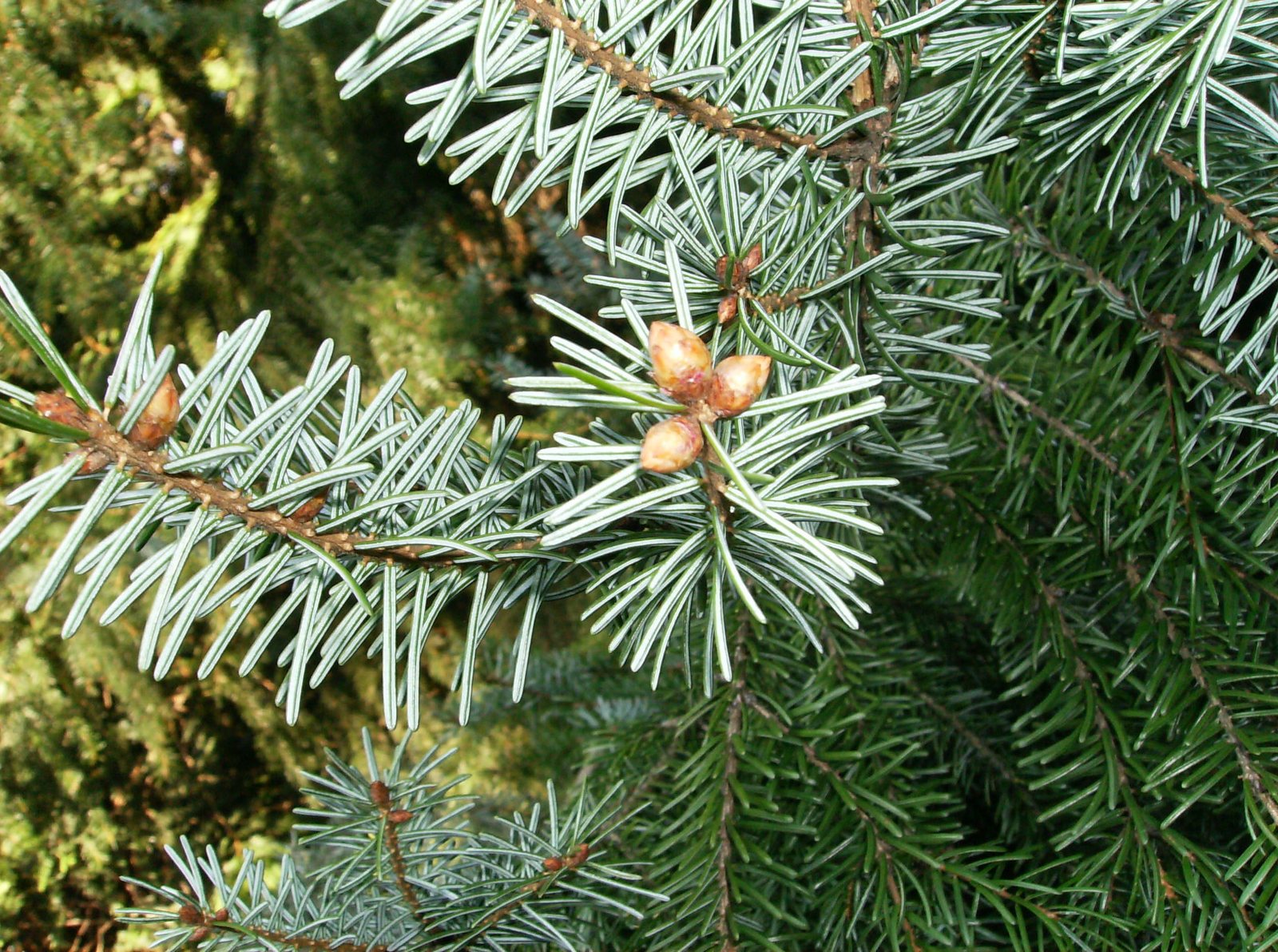
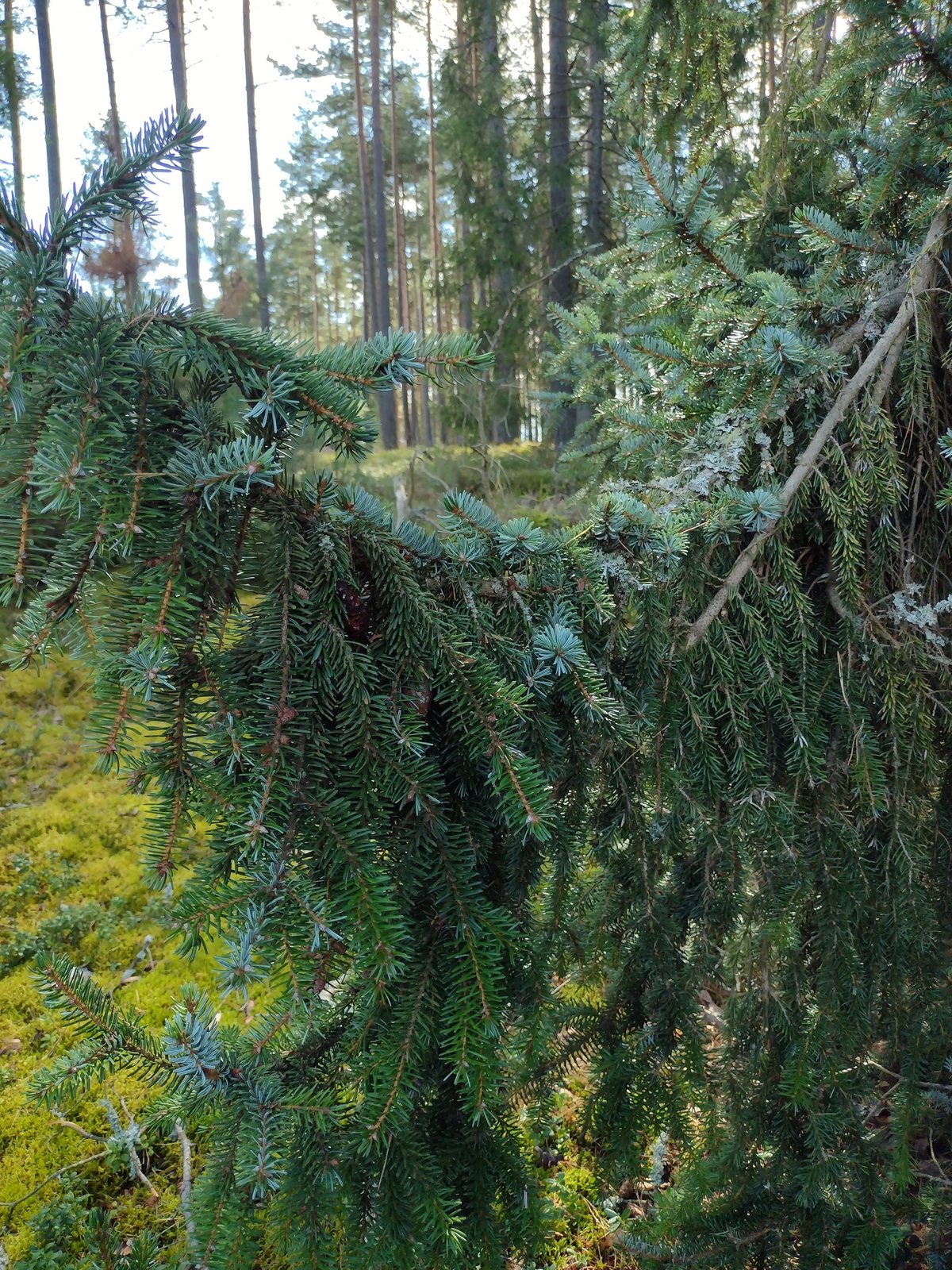
Serbian spruce is a tall, narrow evergreen with a pointed crown, gracefully drooping branches and needles that flash silver underneath. Gardeners grow it for its year-round structure and relatively slender outline, though it still needs room to become a large tree. It performs best in cool temperate climates, including cooler parts of Australia, rather than regions with prolonged hot summers.
At a glance
- Sun
- Full sun is best; tolerates light partial shade.
- Water
- Moderate; keep the root zone evenly moist while establishing. Established trees tolerate short dry spells, but prolonged drought causes stress.
- Soil
- Moist, well-drained loam is ideal. Tolerates clay if drainage is adequate and accepts acidic to moderately alkaline soil.
- Height
- 40-60 ft (12-18 m), occasionally taller with age
- Spread
- 15-20 ft (4.6-6.1 m)
- Foliage
- Evergreen. Short, flattened needles are glossy dark green above with two conspicuous white bands beneath. Branches droop, with upturned tips; small hanging cones mature brown.
- Growth
- Moderate, commonly 12-24 in (30-60 cm) a year once established in suitable conditions.
- Care needed
- Low
The year at a glance
- Deer resistant
- Cold hardy
- Wildlife
| J | F | M | A | M | J | J | A | S | O | N | D | |
|---|---|---|---|---|---|---|---|---|---|---|---|---|
| Fruit | ||||||||||||
| Plant |
Northern hemisphere months. In Australia, shift them by six.
- Difficulty
- Easy
- Toughness
- Fairly tough
Will it suit your garden?
Pick your zone, country, light and whether you have pets.
Full sun is 6 or more hours of direct sun a day, part shade 3 to 6 hours, shade under 3.
How it grows
Planting day
7 ft (2 m)
After 1 year
9 ft (2.7 m)
After 2 years
11 ft (3.3 m)
After 3 years
13 ft (4 m)
After 5 years
17 ft (5.3 m)
About 20 years to full size.
From a typical nursery size, at an average rate for this kind of plant. A rule of thumb, not a forecast.
Good to know
- Cats and dogs
- Mildly toxic: may upset a stomach
- Growth rate
- Moderate
Care
Jobs through the year
- WaterApr–May, Sep–Nov, every 14 days
- Water established trees if dry and soil is unfrozen; young trees need more frequent checks.
- WaterJun–Aug, every 10 days
- Water deeply during dry spells; keep establishing trees evenly moist without waterlogging.
- MulchApr, Oct
- Maintain 5–8 cm of organic mulch without covering the trunk or root flare.
- PruneFeb–Mar
- Remove dead branches and competing leaders only; never top or cut into bare old wood.
- ProtectJan–Feb, Dec
- Gently brush off loose heavy snow without pulling or striking frozen branches.
- Plant with the root flare at soil level, leaving enough space for the mature crown.
- Water deeply during dry weather for the first two or three growing seasons; do not leave the soil waterlogged.
- Spread 2-3 in (5-8 cm) of organic mulch over the root zone, keeping it clear of the trunk.
- Feed only if growth is poor and a soil test indicates a nutrient shortage.
- Stake only if the root ball moves in the wind; use flexible ties and remove supports once the roots hold firmly.
Pruning. Little pruning is needed; remove dead, damaged or competing leaders in late winter or early spring. Keep the main leader intact, and avoid topping or cutting back into bare old wood, which rarely regrows.
Through the year
- Late winter
- Check the leader and remove broken or dead branches; gently brush off loose, heavy snow rather than pulling frozen branches.
- Spring
- Plant when the soil is workable and not waterlogged, then water thoroughly.
- Late spring
- Check new growth and inner needles for aphids, fine webbing or unusual browning.
- Summer
- Water young trees deeply during dry spells and check soil moisture beneath the mulch.
- Autumn
- Top up mulch without burying the root flare; in cold climates, water before the ground freezes if autumn has been dry.
In the garden
- Use as a vertical specimen in a lawn or large border, allowing the lower branches to reach the ground.
- Plant in loose groups to create an evergreen backdrop for deciduous shrubs and perennials.
- Use its narrow outline to frame a distant view without the broad crown of many other spruces.
- Combine with birches, ornamental grasses and low groundcovers for contrasting bark, texture and winter structure.
Garden styles it suits: Architectural minimal, Woodland, Winter interest, Grand estate, Low-maintenance and Mountain lodge.
Plant it with: Silver birch, Witch hazel, Japanese forest grass, Hellebores, Epimedium and Hardy geraniums.
Wildlife: Dense evergreen branches provide shelter and nesting sites for birds. Seeds are eaten by some birds and small mammals.
Problems to watch for
- Spruce spider mites cause stippled, dull or browning needles and fine webbing, often in cool spring or autumn weather. Confirm mites by tapping a branch over white paper; hose accessible foliage and use a labelled mite treatment only if damage continues.
- Spruce aphids can cause yellowing and loss of older needles. Inspect inner branches in mild winter and spring weather; encourage natural predators and use a labelled insecticidal soap on accessible infestations if needed.
- Needle-cast diseases can brown older needles and thin the lower crown. Avoid overhead irrigation, improve airflow and seek a diagnosis before considering fungicide treatment.
- Waterlogged soil can cause root rot and progressive decline. Correct drainage and avoid excess watering; badly affected trees may need removal rather than treatment.
Safety
Not known to be toxic to people, cats, dogs or horses. Needles, cones and resin can cause physical irritation, and swallowing substantial amounts of needles may cause digestive upset; it is not a food plant.
Easily confused with
Norway spruce (Picea abies)
Usually develops a broader crown and much longer hanging cones. Its needles are four-sided rather than flattened and lack the conspicuous paired white bands beneath Serbian spruce needles.
Sitka spruce (Picea sitchensis)
Also has flattened needles with pale undersides, but they are stiff and sharply prickly. Mature trees generally become much broader and larger than Serbian spruce.
Oriental spruce (Picea orientalis)
Has very short, dark green needles that are four-sided and lack Serbian spruce's strongly contrasting white undersides.
The name
The common name refers to its native Balkan range, while omorika comes from the Serbian name for the tree.
Propagation. Usually grown from seed, with cold, moist stratification used to improve germination. Named cultivars are generally grafted by specialist nurseries because seedlings do not reliably retain their characteristics.
Checked against open data
- Accepted botanical name
- Picea omorika
- Native range
- Yugoslavia.
- Measured
- Average height 3000 cm.
Sources: GBIF (CC BY 4.0) and Trefle (CC BY 4.0). The care and design notes are LandscapeGPT's own.
See it in your own yard.
Upload a photo of your yard and see it redesigned with plants that suit your climate, each checked against your zone.