Silver linden
Tilia tomentosa. Family Malvaceae. Tree.
Also called Silver lime.
Silver linden is a large deciduous shade tree with heart-shaped leaves whose silvery undersides flash in the wind. Gardeners grow it for its broad crown, fragrant summer flowers and tolerance of urban conditions and some drought once established. It needs a large garden or park-like setting, well away from buildings.
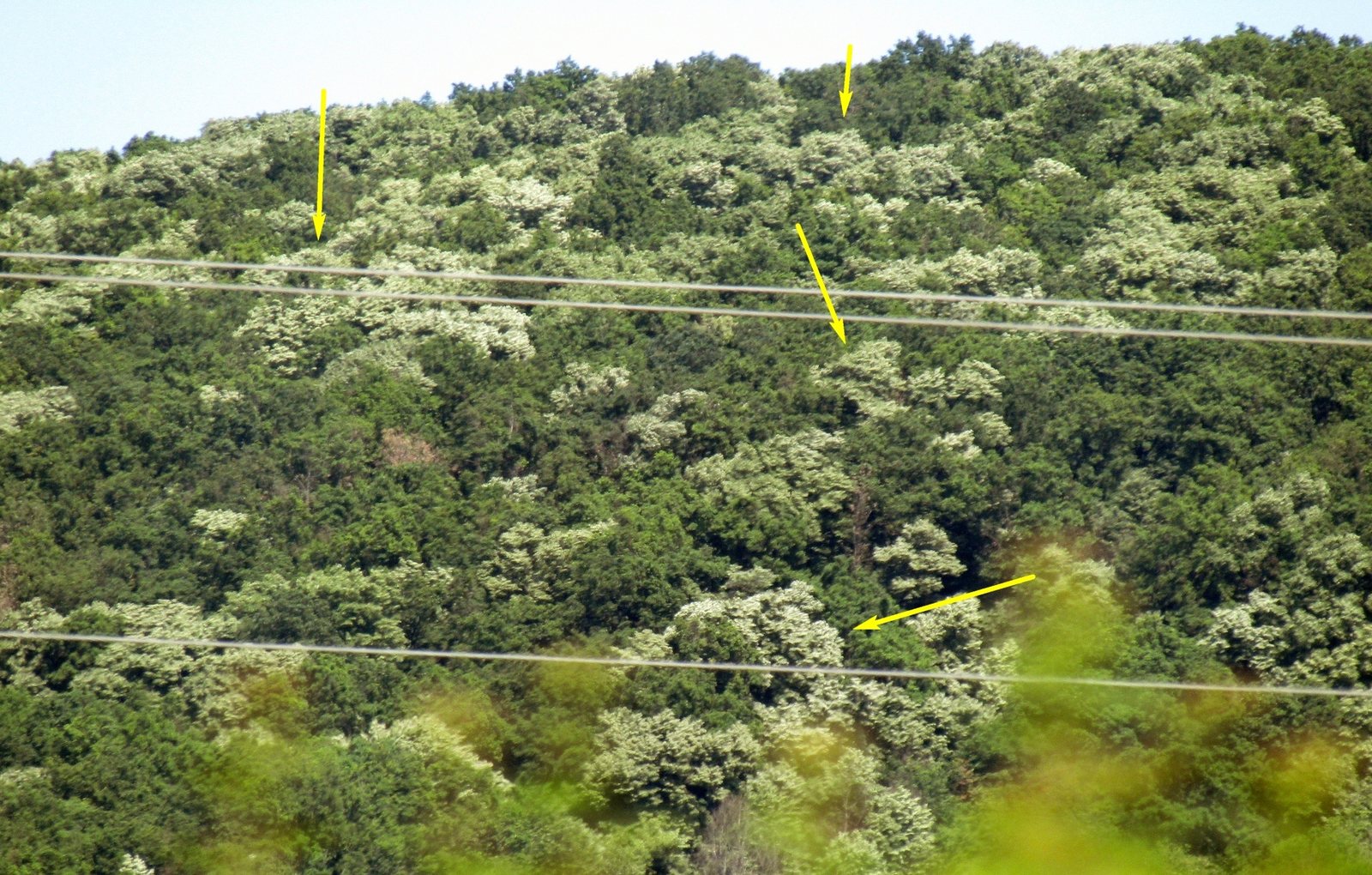
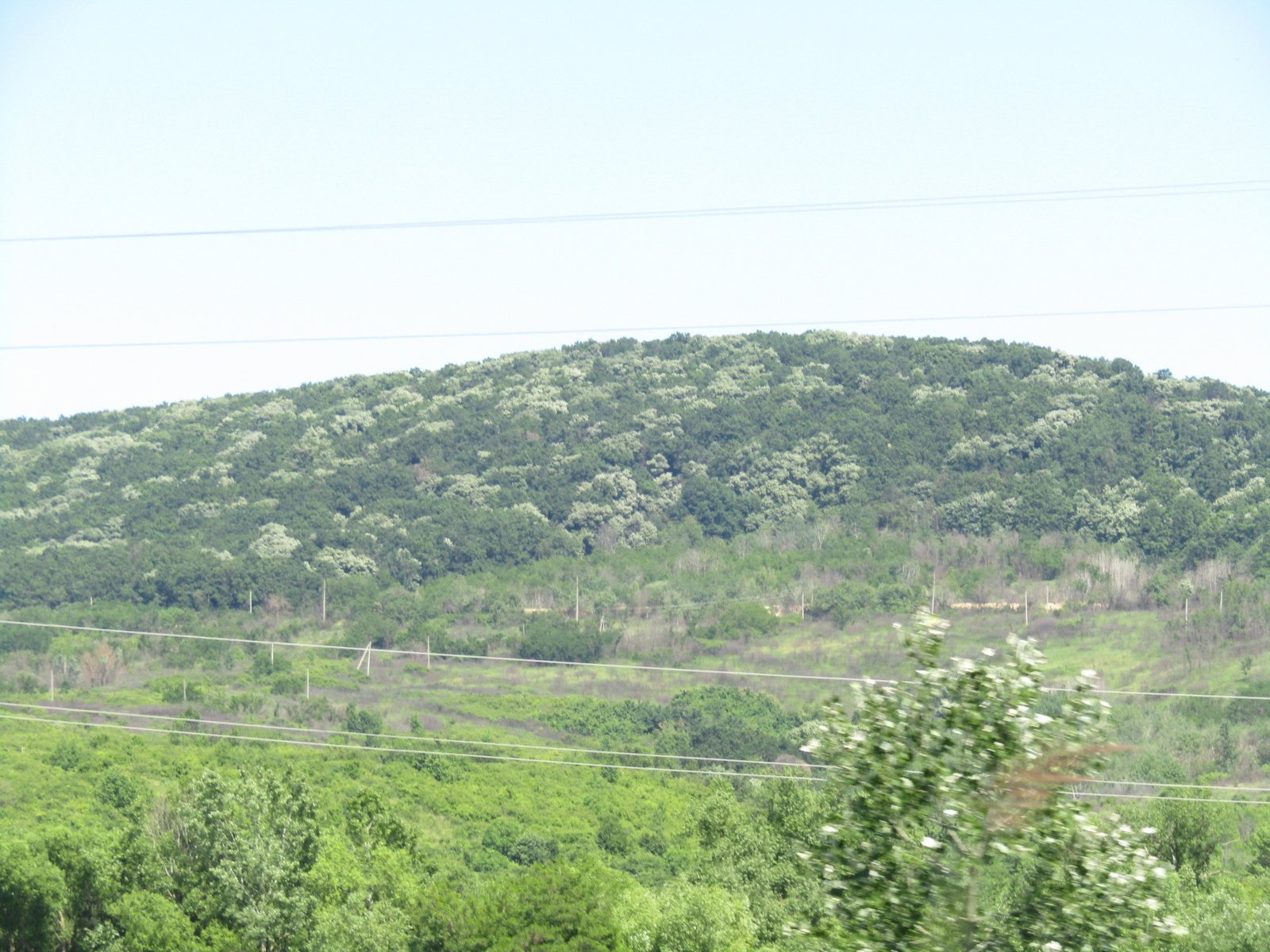
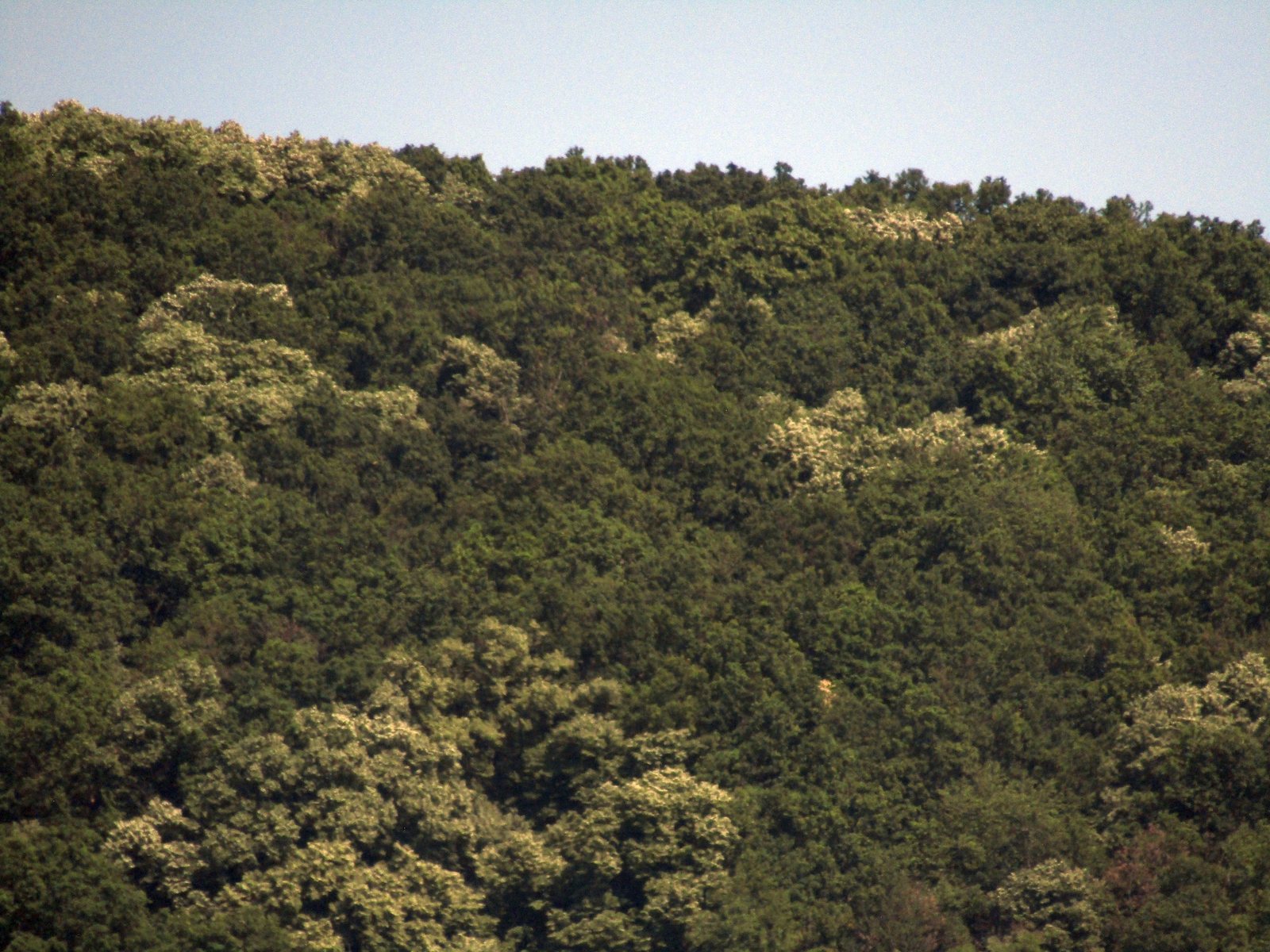
At a glance
- Sun
- Full sun is best; tolerates light partial shade.
- Water
- Moderate; water young trees regularly. Established trees tolerate some drought, but prolonged dry conditions can scorch leaves.
- Soil
- Deep, well-drained soil, including loam, clay and chalky soils; tolerates acidic to alkaline conditions. Avoid persistently waterlogged ground.
- Height
- 50-70 ft (15-21 m)
- Spread
- 30-50 ft (9-15 m)
- Flowers
- Small, fragrant, creamy-yellow flowers in hanging clusters in early to midsummer, generally later than those of small-leaved linden.
- Foliage
- Rounded, heart-shaped, toothed leaves, dark green above and densely felted silver-white beneath; usually yellow in autumn.
- Growth
- Moderate.
- Care needed
- Low
The year at a glance
- Pollinators
- Drought tolerant
- Cold hardy
- Wildlife
- Low allergen
- Fragrant
| J | F | M | A | M | J | J | A | S | O | N | D | |
|---|---|---|---|---|---|---|---|---|---|---|---|---|
| Flowers | ||||||||||||
| Fruit | ||||||||||||
| Plant |
Northern hemisphere months. In Australia, shift them by six.
- Difficulty
- Easy
- Toughness
- Very tough
Will it suit your garden?
Pick your zone, country, light and whether you have pets.
Full sun is 6 or more hours of direct sun a day, part shade 3 to 6 hours, shade under 3.
How it grows
Planting day
7 ft (2.2 m)
After 1 year
10 ft (3 m)
After 2 years
12 ft (3.7 m)
After 3 years
15 ft (4.5 m)
After 5 years
20 ft (6.1 m)
About 20 years to full size.
From a typical nursery size, at an average rate for this kind of plant. A rule of thumb, not a forecast.
Good to know
- Cats and dogs
- Safe
- Native to
- Canada
- Growth rate
- Moderate
Care
Jobs through the year
- WaterApr–May, Sep–Oct, every 14 days
- Deep-water established trees only if soil is dry; check young trees more frequently.
- WaterJun–Aug, every 14 days
- Soak established trees during prolonged dry spells; water young trees more often as needed.
- MulchApr
- Maintain 5–8 cm of organic mulch, leaving the trunk and root flare clear.
- PruneFeb
- Lightly train young branches and remove damaged wood; avoid topping or large cuts.
- Water deeply during dry spells for the first two or three growing seasons, moistening the root ball and surrounding soil.
- Spread organic mulch 2-3 in (5-8 cm) deep over the root area, keeping it clear of the trunk.
- Plant with the root flare at ground level and allow room for the full mature crown.
- Stake only if the root ball moves in wind; use flexible ties and remove support once the tree is anchored.
- Do not feed routinely; investigate poor drainage, drought or soil deficiencies before applying fertilizer.
Pruning. Prune in late winter while dormant, removing dead, damaged or crossing branches and establishing a strong framework while the tree is young. Avoid topping or removing large limbs; use a qualified arborist for mature-tree work.
Through the year
- Late winter
- Inspect the branch structure and carry out light formative pruning before buds open.
- Spring
- Plant container-grown trees when the soil is workable, then water thoroughly and mulch.
- Late spring
- Check stakes and ties, and inspect new leaves for aphids or chewing damage.
- Summer
- Water young trees deeply during dry weather; check soil moisture beneath the mulch before watering.
- Autumn
- Collect fallen leaves for leaf mould and replenish mulch without covering the root flare.
- Late autumn
- Plant dormant bare-root trees where the soil is neither frozen nor waterlogged; in very cold climates, wait until spring.
In the garden
- Use as a specimen in a large lawn, where wind can reveal the silver leaf undersides.
- Plant in widely spaced avenues for summer shade and a consistent architectural rhythm.
- Use as a long-lived shade tree in large urban gardens with generous, uncompacted rooting space.
- Underplant the outer canopy with spring bulbs and shade-tolerant perennials for seasonal interest.
Garden styles it suits: Grand estate, Formal, Traditional, Urban city garden, Woodland and Sensory garden.
Plant it with: Snowdrops, Hardy cyclamen, Barrenwort, Hellebores and Lungwort.
Wildlife: Fragrant flowers attract bees and other insects, and the mature crown provides bird shelter. Dead bumblebees are sometimes found beneath flowering silver lindens, but poisonous nectar has not been established as the cause.
Problems to watch for
- Aphids can cause sticky honeydew and sooty mould: encourage natural predators and avoid parking or placing seating beneath affected branches.
- Japanese beetles can skeletonize foliage where established in North America: hand-pick on small trees; established large trees usually tolerate seasonal damage.
- Leaf scorch develops during prolonged drought or root stress: water deeply, maintain mulch and protect the root area from compaction.
- Poor establishment often follows deep planting or waterlogging: keep the root flare exposed and correct drainage before planting.
Safety
Not known to be toxic to people, cats, dogs or horses; no part is recognized as a significant poisoning hazard. This does not mean that leaves, seeds or bark should be eaten.
Easily confused with
Small-leaved linden (Tilia cordata)
Its leaves are generally smaller, with mostly hairless undersides apart from rusty hair tufts in the vein junctions; silver linden has a dense pale felt across the underside.
Large-leaved linden (Tilia platyphyllos)
Its leaf undersides are green rather than silver-white, with pale hairs particularly along the veins; young shoots are often hairy.
Common lime (Tilia × europaea)
Its leaf undersides lack the continuous silver-white felt, and it commonly produces abundant shoots around the trunk base.
The name
The name tomentosa means densely covered with short, matted hairs, referring to the silvery felt beneath the leaves.
Propagation. Species trees can be grown from seed, but dormancy is complex and germination may take more than a year. Named cultivars are usually propagated by grafting or budding to preserve their characteristics.
Checked against open data
- Accepted botanical name
- Tilia tomentosa
- In the US and Canada
- Native in Canada.
- Native range
- Albania, Bulgaria, East Aegean Is., Greece, Hungary, Lebanon-Syria, Romania, Turkey, Turkey-in-Europe, Ukraine and Yugoslavia.
- Measured
- Soil pH 5.5 to 6.5. Average height 2500 cm.
Sources: GBIF (CC BY 4.0), USDA PLANTS and Trefle (CC BY 4.0). The care and design notes are LandscapeGPT's own.
See it in your own yard.
Upload a photo of your yard and see it redesigned with plants that suit your climate, each checked against your zone.