Silver sage
Salvia argentea. Family Lamiaceae. Perennial.
Also called Silver clary.
Silver sage is a short-lived perennial, often grown as a biennial, valued for its broad rosettes of thick, silvery, woolly leaves. It brings bold texture to sunny borders and gravel gardens, but needs excellent drainage, especially in winter.
At a glance
- Sun
- Full sun; light afternoon shade can help in very hot climates.
- Water
- Water regularly while establishing, then sparingly. Allow the soil to dry between waterings; established plants tolerate drought.
- Soil
- Well-drained, gritty or sandy soil, preferably neutral to alkaline. Avoid heavy, wet soil and rich, moisture-retentive compost.
- Height
- 1-3 ft (0.3-0.9 m), including flower stems; foliage stays much lower
- Spread
- 1-2 ft (0.3-0.6 m)
- Flowers
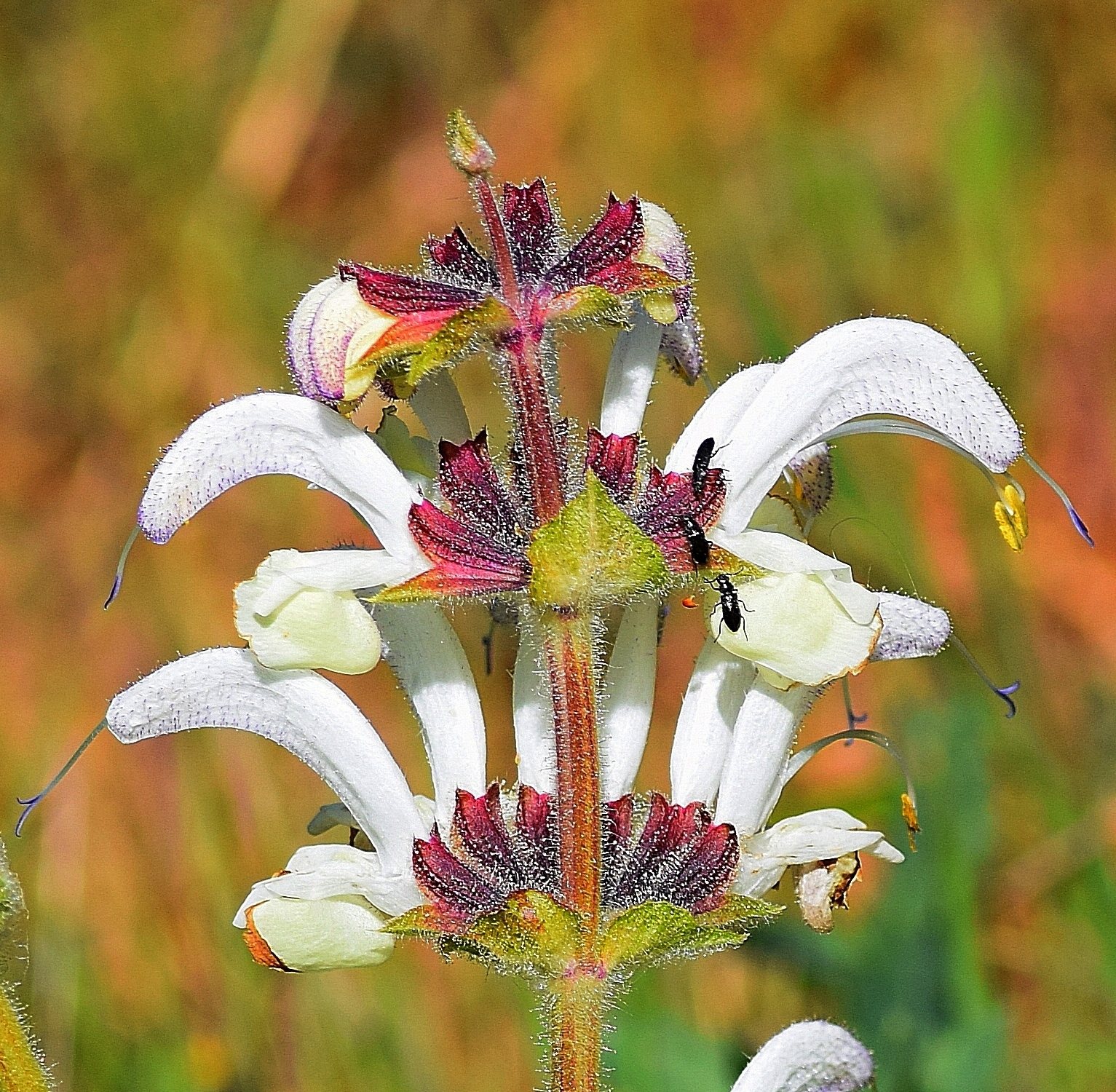
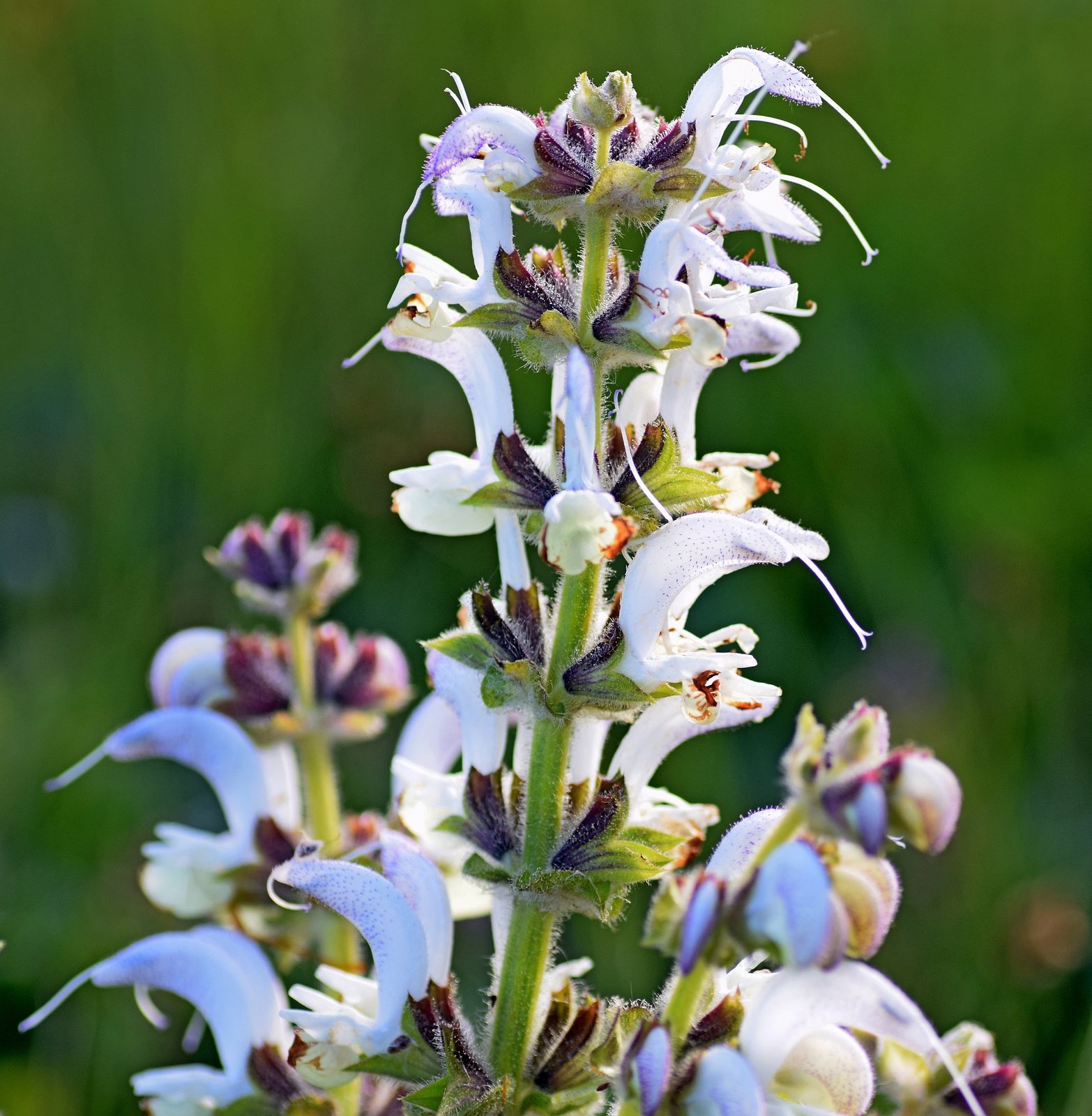
- Late spring to summer; branching stems carry small white flowers, sometimes flushed pale pink.
- Foliage
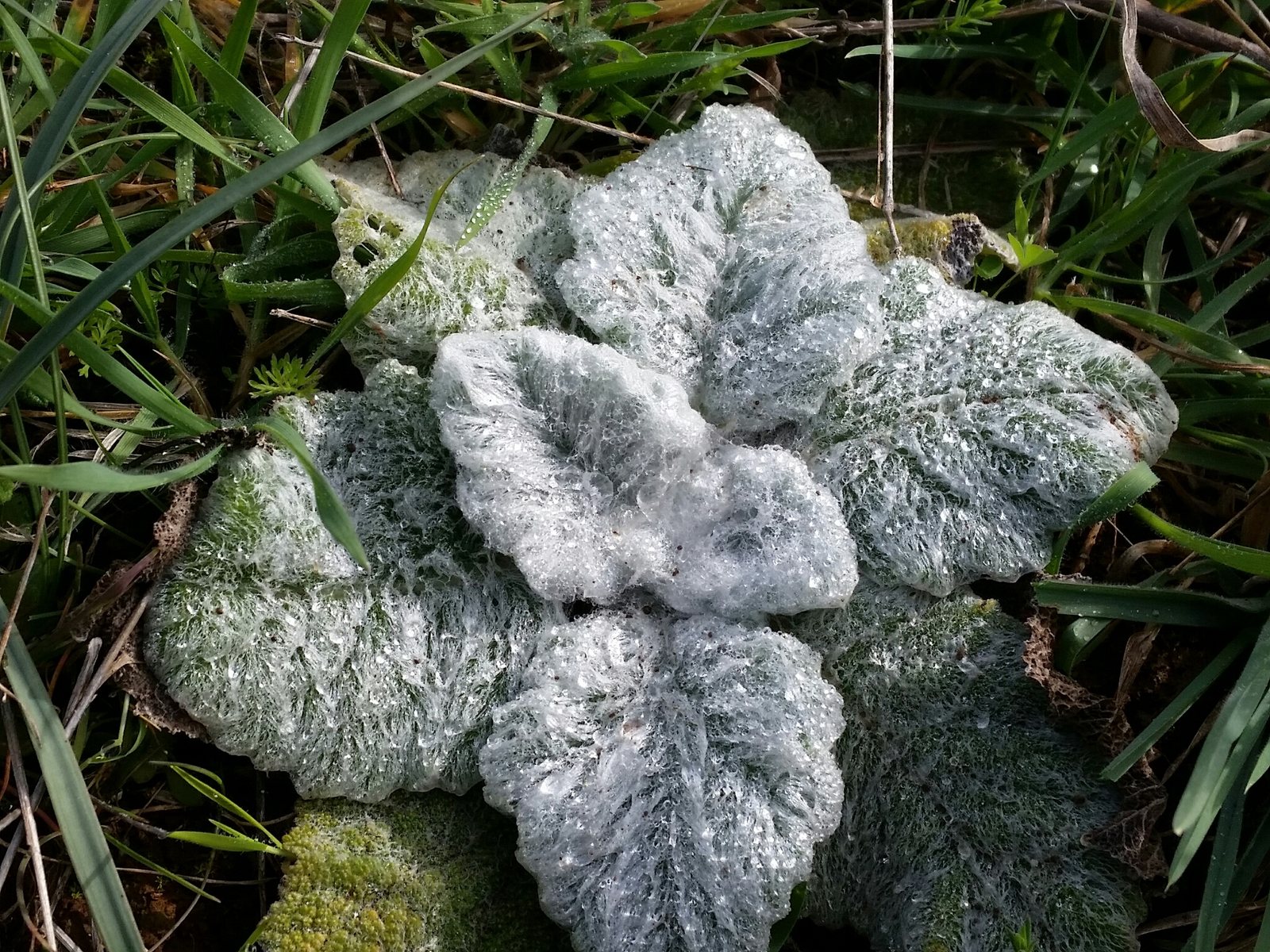
- Large, rounded to oval, wrinkled leaves densely covered in soft, silver-white hairs; arranged in ground-level rosettes.
- Growth
- Moderate to fast; usually forms a substantial rosette in its first growing season.
- Care needed
- Medium
The year at a glance
- Pollinators
- Deer resistant
- Drought tolerant
- Low allergen
| J | F | M | A | M | J | J | A | S | O | N | D | |
|---|---|---|---|---|---|---|---|---|---|---|---|---|
| Plant |
Northern hemisphere months. In Australia, shift them by six.
- Difficulty
- Moderate
- Toughness
- Fairly tough
Will it suit your garden?
Pick your zone, country, light and whether you have pets.
Full sun is 6 or more hours of direct sun a day, part shade 3 to 6 hours, shade under 3.
How it grows
Planting day
1 ft (0.3 m)
After 1 year
1.4 ft (0.42 m)
After 2 years
1.8 ft (0.55 m)
After 3 years
2 ft (0.6 m)
full size
About 2 years to full size.
From a typical nursery size, at an average rate for this kind of plant. A rule of thumb, not a forecast.
Good to know
- Cats and dogs
- Safe
- Growth rate
- Fast
Care
Jobs through the year
- WaterApr–May, Sep, every 21 days
- Water established plants only if very dry; new plants need more frequent checks.
- WaterJun–Aug, every 14 days
- Water soil, not woolly leaves, only during prolonged drought.
- MulchApr
- Use a thin gravel mulch around, but not over, the crown.
- PruneMar–Apr
- Remove dead or rotting outer leaves without damaging the central crown.
- PruneMay–Jun
- Remove emerging flower stems for foliage and longevity, or retain some for bees and replacement seed.
- ProtectOct–Nov
- Clear fallen leaves and shelter the crown from persistent winter wet.
- Plant with the crown at soil level in a freely draining position.
- Water the soil rather than the woolly leaves, and let the surface dry before watering again.
- Avoid routine feeding; rich soil encourages soft growth.
- Use a thin gravel mulch around, but not over, the crown; keep damp organic mulch away.
- Keep replacement seedlings, as plants may decline after flowering or die during wet winters.
Pruning. Remove damaged or rotting outer leaves as needed without cutting into the central crown. Cut flower stems at their base before flowering if foliage is your priority; this may help prolong the plant's life, or leave some stems to produce seed.
Through the year
- Spring
- Remove winter-damaged leaves and check that the crown is firm and free of rot.
- Spring
- Sow seed under cover or plant out young plants once the soil is workable and draining freely.
- Late spring
- Remove emerging flower stems if you want to concentrate on the foliage.
- Summer
- Water new plants during dry spells; water established plants only during prolonged drought.
- Late summer
- Collect seed from dry, brown flower heads if you have allowed plants to flower.
- Autumn
- Clear fallen leaves from the rosettes and improve drainage around any plants sitting in wet ground.
In the garden
- Place at the front of a sunny border where the broad leaves contrast with fine grasses and narrow-leaved perennials.
- Repeat rosettes through a gravel garden for strong silver accents.
- Pair with purple, blue or deep pink flowers to sharpen their colour.
- Use in a sunny container with a gritty mix and generous drainage holes.
Garden styles it suits: Dry gravel garden, Mediterranean, Sensory garden, White garden, Cottage garden and Modern Mediterranean.
Plant it with: English lavender, Catmint, Yarrow, Sea holly, Bearded iris and Blue fescue.
Wildlife: Flowers provide nectar for bees and other pollinating insects. Removing all flower stems prevents this benefit.
Problems to watch for
- Crown and root rot in wet soil: improve drainage, keep mulch away from the crown and replace badly affected plants.
- Slugs and snails damaging young leaves: inspect in damp weather, remove hiding places and use wildlife-conscious slug control where needed.
- Woolly leaves becoming brown and matted: avoid overhead watering and gently remove dead outer leaves.
- Short lifespan or death after flowering: remove flower stems early if seed is not needed and raise replacement plants.
Safety
Not known to be toxic to people, cats, dogs or horses. No particular part is recognised as poisonous, but species-specific information is limited; this is an ornamental sage, not a substitute for culinary sage.
Easily confused with
Lamb's ears (Stachys byzantina)
Has narrower, tongue-shaped leaves and spreads into mats; silver sage forms larger, broader-leaved rosettes.
Clary sage (Salvia sclarea)
Has greener, less densely woolly leaves and conspicuous pinkish-purple bracts around its flowers.
Great mullein (Verbascum thapsus)
Has more elongated, grey-green felted leaves and a tall, dense spike of yellow flowers rather than branched stems of white flowers.
The name
The species name argentea means silvery, referring to the dense pale hairs covering the leaves.
Propagation. Grow from seed sown in spring or late summer in a free-draining seed mix. Cover lightly and keep moist, not wet; pot seedlings individually and avoid burying their crowns. It may self-seed where conditions suit.
Checked against open data
- Accepted botanical name
- Salvia argentea
- In the US and Canada
- Introduced in the lower 48 states.
- Native range
- Albania, Algeria, Bulgaria, East Aegean Is., Greece, Italy, Morocco, Portugal, Sicilia, Spain, Tunisia and Turkey.
- Measured
- Average height 10 cm.
Sources: GBIF (CC BY 4.0), USDA PLANTS and Trefle (CC BY 4.0). The care and design notes are LandscapeGPT's own.
See it in your own yard.
Upload a photo of your yard and see it redesigned with plants that suit your climate, each checked against your zone.