Sioux crape myrtle
Lagerstroemia 'Sioux'. Family Lythraceae. Tree.
Also called Sioux crepe myrtle, Lagerstroemia 'Sioux'.
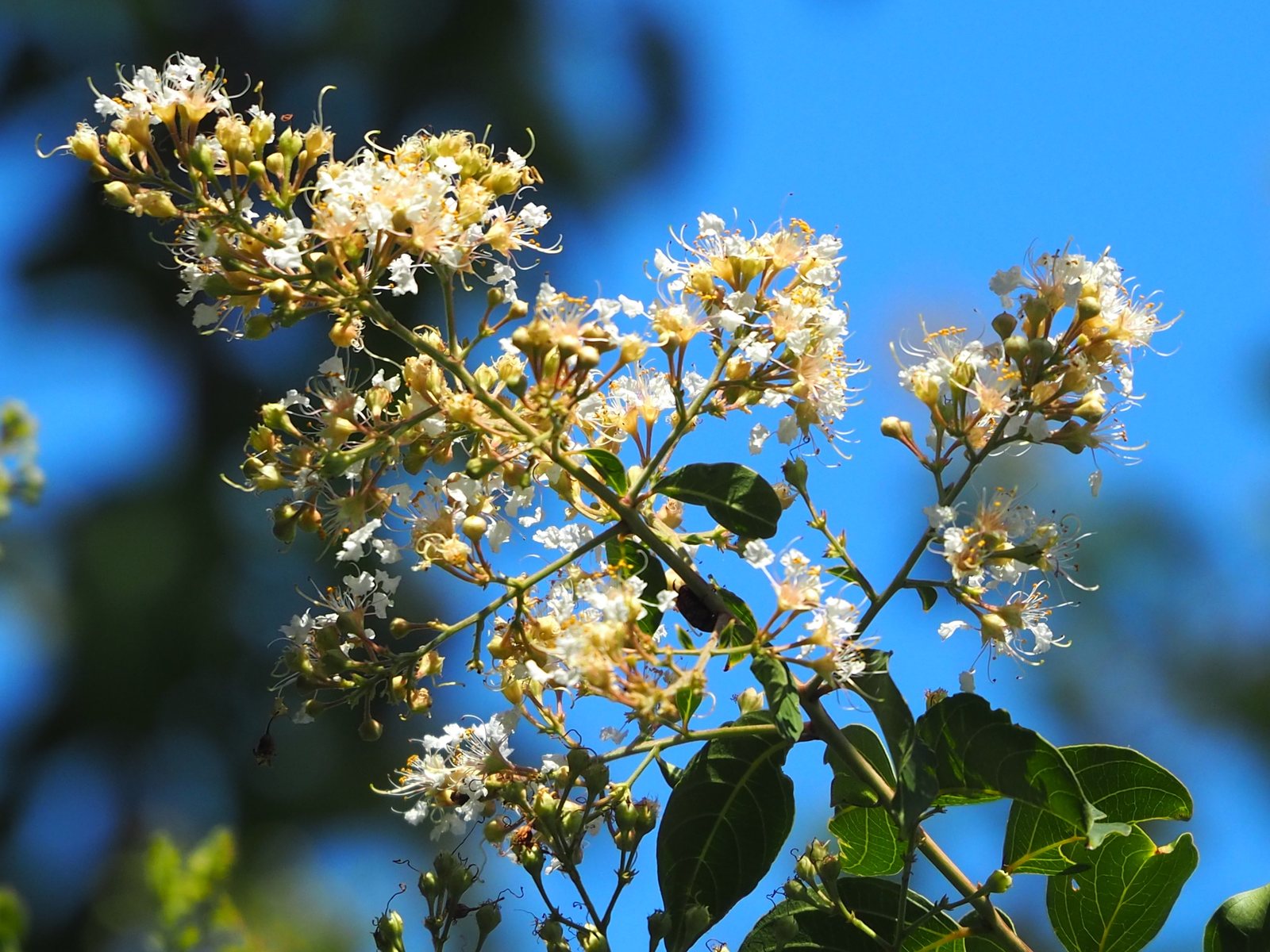
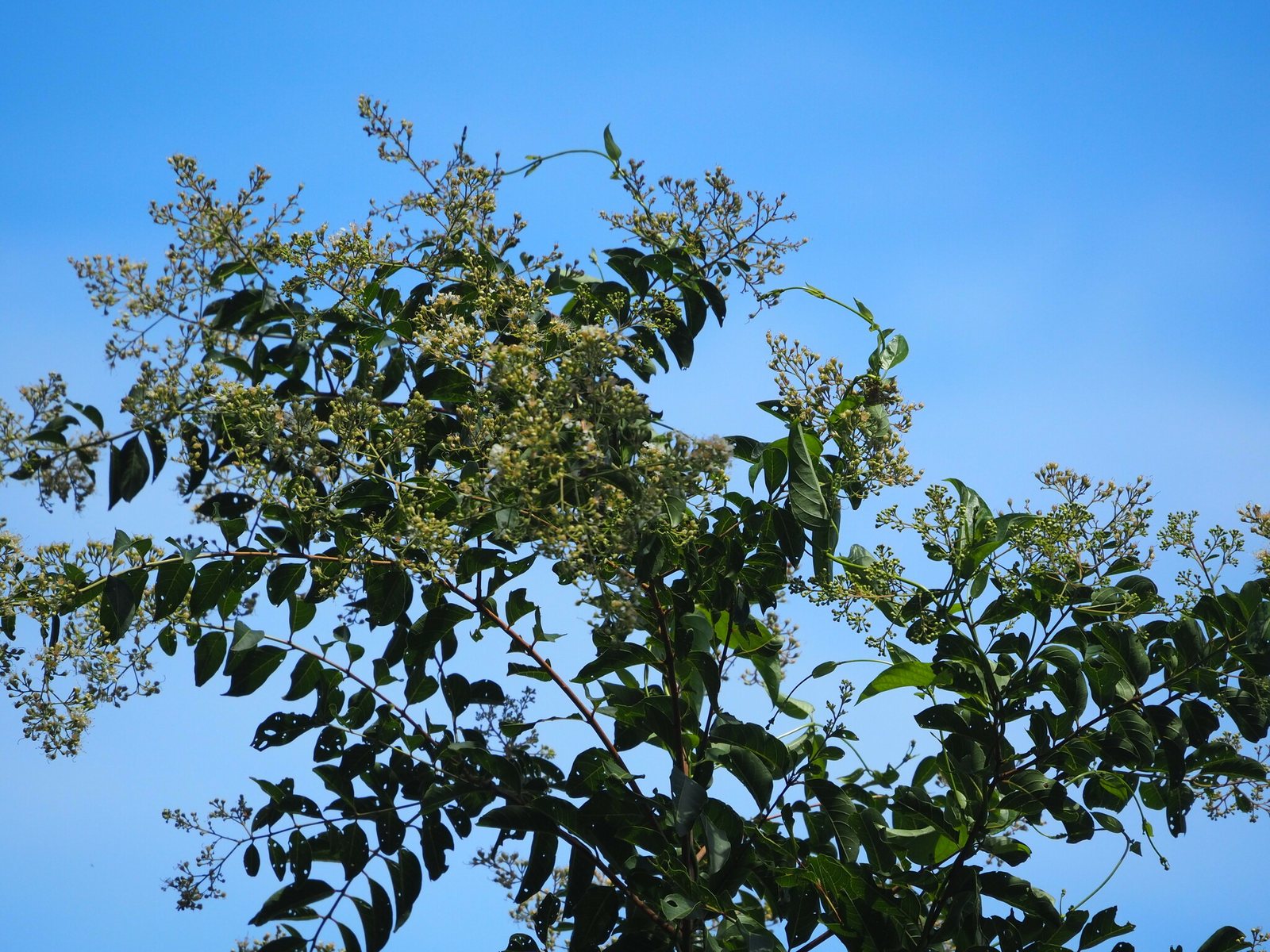
Sioux crape myrtle is a deciduous small tree or large shrub with upright branches, clear pink summer flowers and peeling bark. This hybrid of Lagerstroemia indica and L. fauriei also offers orange-red autumn foliage and good resistance to powdery mildew. It flowers best where summers are long and warm; flowering can be sparse in cool parts of the UK and Canada.

At a glance
- Sun
- Full sun, with at least 6 hours of direct sunlight daily; choose a warm, sheltered position in cooler regions.
- Water
- Water regularly while establishing; once established, it tolerates dry spells but flowers better with occasional deep watering during prolonged drought.
- Soil
- Well-drained loam, clay or sandy soil; tolerates a range of pH levels but dislikes waterlogged ground.
- Height
- 12-20 ft (3.7-6.1 m)
- Spread
- 10-15 ft (3-4.6 m)
- Flowers
- Clusters of clear pink, crinkled flowers from midsummer into early autumn; timing and duration depend on summer warmth.
- Foliage
- Small oval leaves emerge green, deepen through summer and turn orange to red in autumn; older stems develop smooth, peeling bark.
- Growth
- Moderate to fast in warm climates.
- Care needed
- Low
The year at a glance
- Pollinators
- Deer resistant
- Drought tolerant
- Heat tolerant
- Disease resistant
- Wildlife
- Low allergen
| J | F | M | A | M | J | J | A | S | O | N | D | |
|---|---|---|---|---|---|---|---|---|---|---|---|---|
| Flowers | ||||||||||||
| Plant |
Northern hemisphere months. In Australia, shift them by six.
- Difficulty
- Moderate
- Toughness
- Fairly tough
Will it suit your garden?
Pick your zone, country, light and whether you have pets.
Full sun is 6 or more hours of direct sun a day, part shade 3 to 6 hours, shade under 3.
How it grows
Planting day
7 ft (2 m)
After 1 year
7 ft (2.2 m)
After 2 years
8 ft (2.4 m)
After 3 years
8 ft (2.5 m)
After 5 years
10 ft (2.9 m)
About 16 years to full size.
From a typical nursery size, at an average rate for this kind of plant. A rule of thumb, not a forecast.
Good to know
- Cats and dogs
- Safe
- Growth rate
- Fast
Care
Jobs through the year
- WaterApr–May, Sep–Oct, every 14 days
- Water established trees deeply only if soil is dry; young trees need more frequent watering.
- WaterJun–Aug, every 10 days
- Water established trees deeply during prolonged drought; water more often during the first two years.
- FeedApr
- Feed lightly only on poor soil or where growth is weak; avoid excess nitrogen.
- PruneMar
- Remove dead, crossing branches and unwanted basal shoots without topping the tree.
- MulchApr
- Maintain 5–8 cm of organic mulch, keeping it away from the trunk.
- ProtectNov
- Insulate roots with mulch in colder gardens; zone 6 sites risk winter dieback.
- Water deeply through the first two growing seasons whenever the root zone begins to dry.
- Apply 2-3 in (5-8 cm) of organic mulch, keeping it away from the trunk.
- Feed lightly in spring only if growth is weak or the soil is poor; excess nitrogen encourages leaves rather than flowers.
- Keep lawn equipment away from the thin bark and avoid planting where the trunk will be repeatedly bumped.
- Leave enough space for the mature crown rather than relying on hard annual pruning.
Pruning. In late winter or early spring, remove dead, damaged and crossing branches, along with unwanted basal shoots. If training a small tree, retain a few well-spaced trunks and gradually remove lower branches; do not top or cut the main stems back to stubs.
Through the year
- Late winter
- Check branch structure and remove dead or crossing wood before new growth begins.
- Spring
- Plant in cooler climates once severe frost has passed; water thoroughly and mulch.
- Late spring
- Check for new growth before judging winter damage; crape myrtles often leaf out late.
- Summer
- Water young trees deeply during dry spells and inspect stems and leaf undersides for pests.
- Late summer
- Avoid nitrogen feeding that could encourage soft growth before winter.
- Autumn
- Enjoy the leaf colour, then clear fallen leaves if disease has been present.
In the garden
- Use as a small specimen tree near a patio, allowing room for its spreading crown.
- Plant against a dark evergreen backdrop to show off the pink flowers and pale bark.
- Combine with ornamental grasses and sun-loving perennials for a long-season border.
- Train as a multi-stemmed tree in an open lawn or courtyard where its winter branch structure can be seen.
Garden styles it suits: Southern, Modern courtyard, Traditional, Cottage garden, Autumn colour and Winter interest.
Plant it with: Catmint, Purple coneflower, Black-eyed Susan, Switchgrass, Salvia and Liriope.
Wildlife: Flowers provide pollen for bees and other insects, although they offer little or no nectar. The branches provide perching and some cover for small birds.
Problems to watch for
- Crape myrtle bark scale: white, felted insects on stems can cause black sooty mould; confirm identification and seek locally approved treatment advice, especially for established infestations.
- Aphids: sticky honeydew and sooty mould may develop on leaves; wash off small colonies with water and conserve ladybirds and other predators.
- Powdery mildew: Sioux is resistant, not immune; provide full sun and airflow, and avoid excessive nitrogen feeding.
- Poor flowering or winter dieback: cool summers, shade or severe cold can limit performance; use the warmest sunny site available and wait for new growth before removing apparently dead stems.
Safety
Not known to be toxic to people, cats, dogs or horses; no part is generally recognised as poisonous. It is an ornamental plant, not a food crop.
Easily confused with
Rose of Sharon (Hibiscus syriacus)
Has larger, often lobed leaves and individual hibiscus-shaped flowers with a prominent central staminal column, rather than clusters of small crinkled flowers.
Chaste tree (Vitex agnus-castus)
Has aromatic leaves divided into narrow leaflets and slender spikes of usually violet-blue flowers; Sioux has simple oval leaves and broad pink flower clusters.
The name
Lagerstroemia honours Swedish merchant and natural-history patron Magnus von Lagerström, while 'Sioux' follows the US National Arboretum's practice of naming its hybrid crape myrtles for Native American peoples.
Propagation. Root softwood cuttings in late spring or early summer, or semi-ripe cuttings later in summer. Seedlings will not reliably retain the characteristics of 'Sioux'.
Checked against open data
- Accepted botanical name
- Lagerstroemia
Sources: GBIF (CC BY 4.0). The care and design notes are LandscapeGPT's own.
See it in your own yard.
Upload a photo of your yard and see it redesigned with plants that suit your climate, each checked against your zone.