Sneezeweed 'Moerheim Beauty'
Helenium 'Moerheim Beauty'. Family Asteraceae. Perennial.
Also called Helenium 'Moerheim Beauty', Helen's flower 'Moerheim Beauty'.
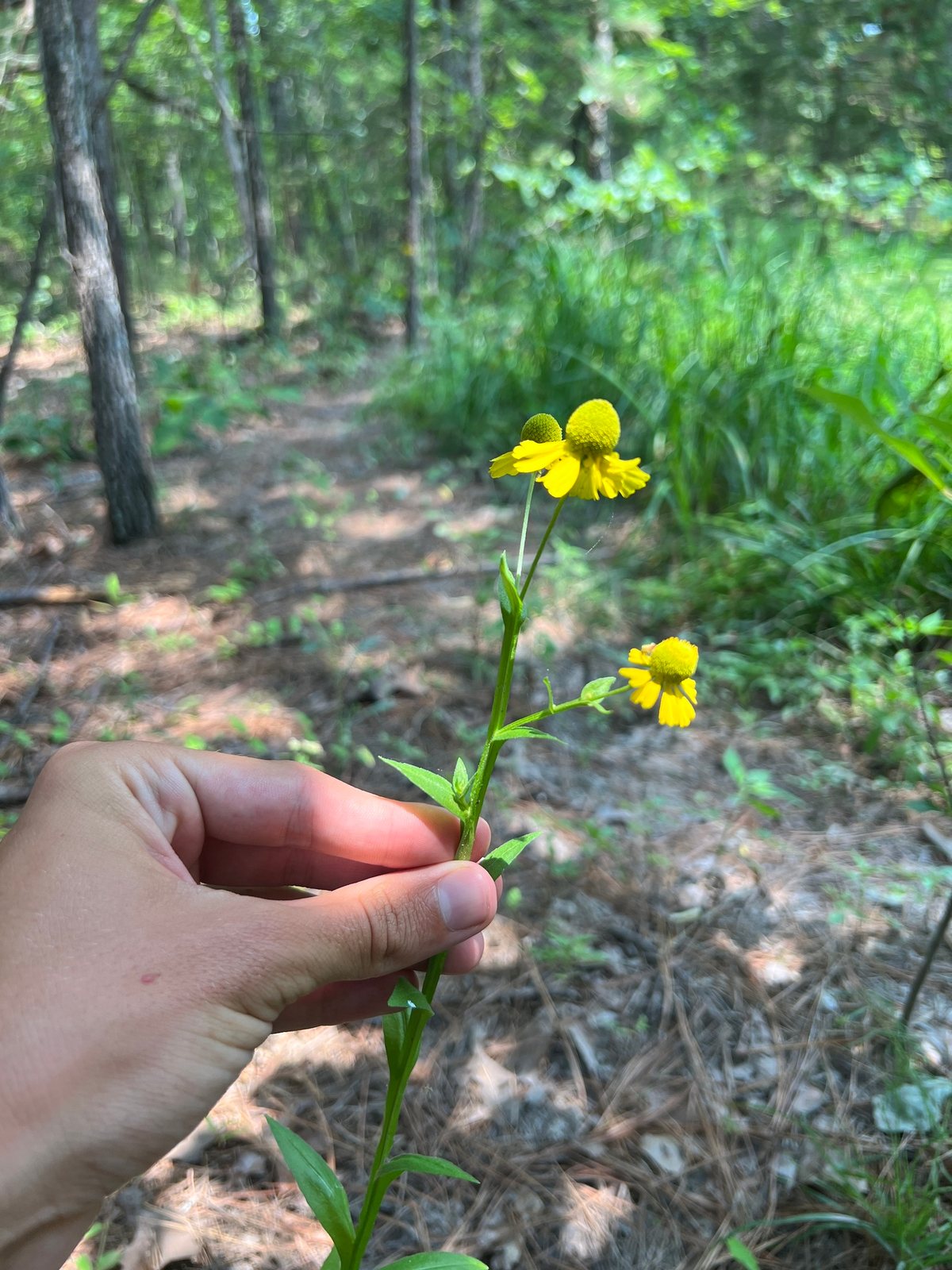
'Moerheim Beauty' is an upright, clump-forming perennial with copper-red daisy flowers surrounding raised brown centres. Gardeners grow it for warm summer colour, flowers for cutting and nectar for visiting insects. It performs best in sunny borders where the soil stays moist through summer.
At a glance
- Sun
- Full sun; flowering is weaker and stems are more likely to lean in shade.
- Water
- Keep evenly moist, especially during establishment and flowering. Water deeply during dry spells; this is not a drought-tolerant border plant.
- Soil
- Fertile, moisture-retentive soil with good drainage. Loam and improved clay suit it well; avoid dry sand and soil that stays waterlogged in winter.
- Height
- 3-4 ft (0.9-1.2 m)
- Spread
- 1.5-2 ft (0.45-0.6 m)
- Flowers
- Early summer to early autumn, depending on climate; copper-red to reddish-brown petals often develop orange or yellow tones as they age, around prominent dark brown centres.
- Foliage
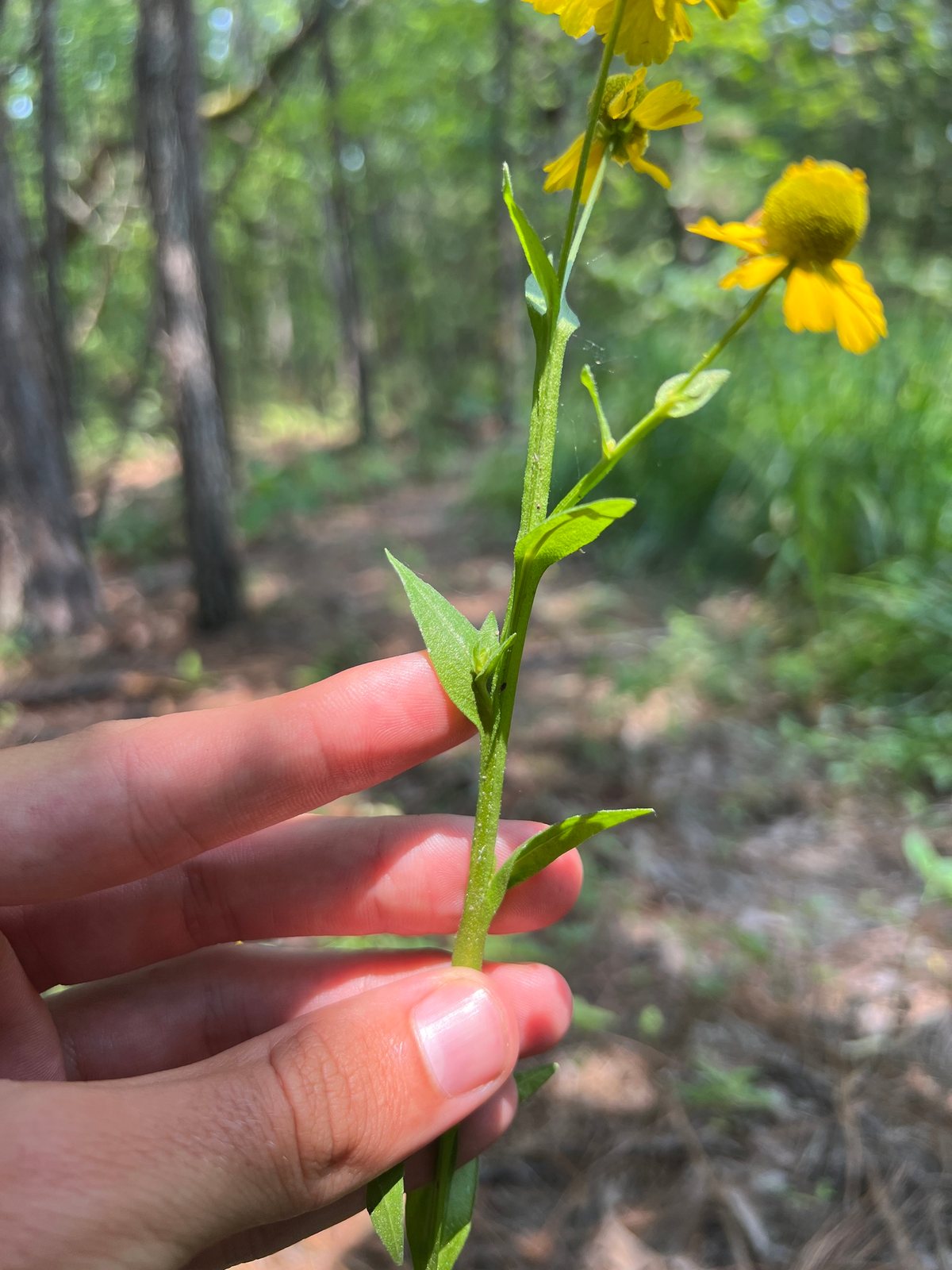
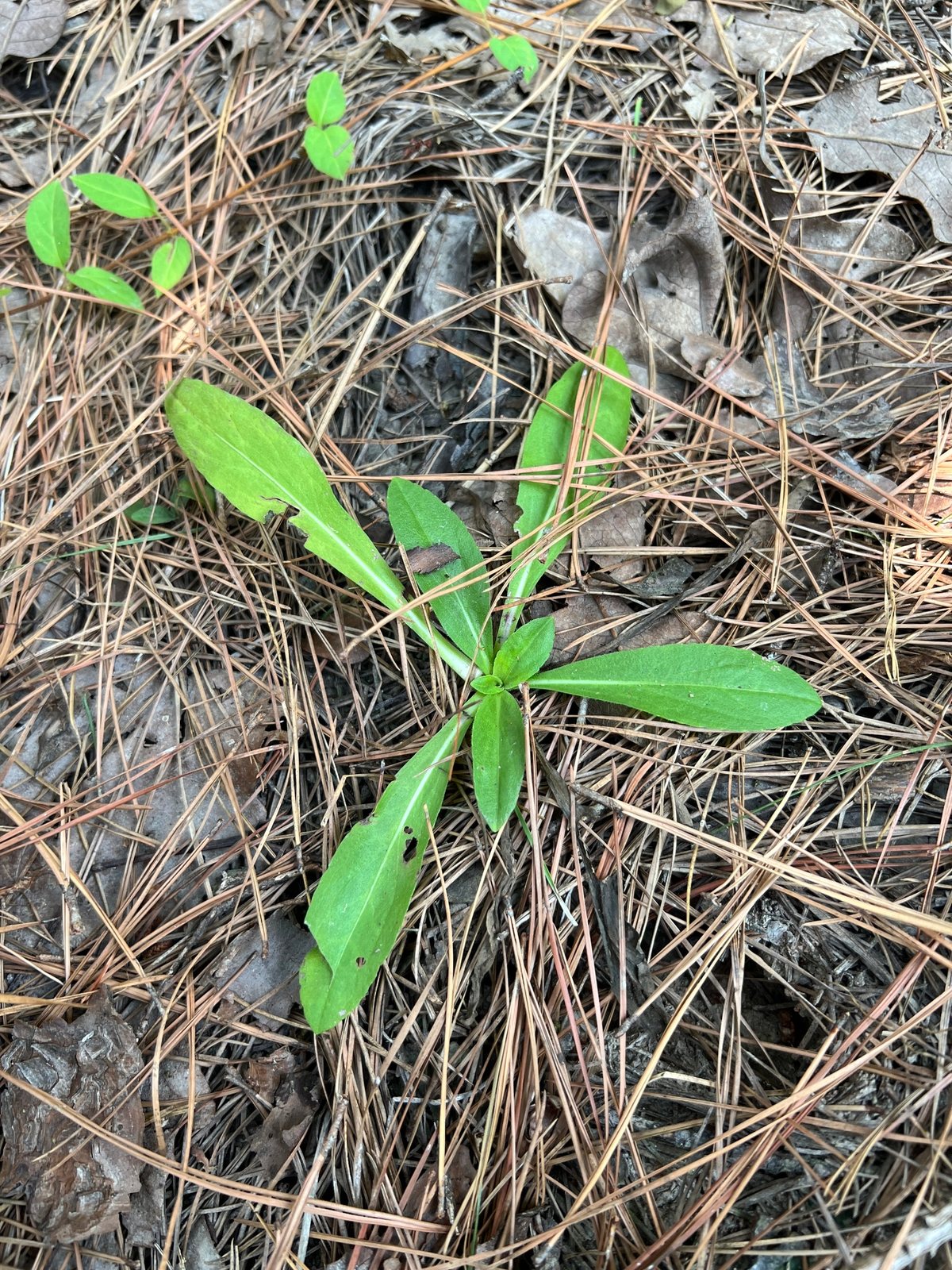
- Green, lance-shaped leaves on upright, branching stems; the above-ground growth dies back for winter.
- Growth
- Moderate to fast; forms a substantial flowering clump within two or three growing seasons.
- Care needed
- Medium
The year at a glance
- Pollinators
- Cold hardy
- Wildlife
- Low allergen
| J | F | M | A | M | J | J | A | S | O | N | D | |
|---|---|---|---|---|---|---|---|---|---|---|---|---|
| Flowers | ||||||||||||
| Fruit | ||||||||||||
| Plant |
Northern hemisphere months. In Australia, shift them by six.
- Difficulty
- Moderate
- Toughness
- Fairly tough
Will it suit your garden?
Pick your zone, country, light and whether you have pets.
Full sun is 6 or more hours of direct sun a day, part shade 3 to 6 hours, shade under 3.
How it grows
Planting day
1 ft (0.3 m)
After 1 year
2 ft (0.61 m)
After 2 years
3 ft (0.93 m)
After 3 years
3 ft (1.1 m)
full size
About 2 years to full size.
From a typical nursery size, at an average rate for this kind of plant. A rule of thumb, not a forecast.
Good to know
- Cats and dogs
- Toxic
- Growth rate
- Fast
Care
Jobs through the year
- WaterApr–May, Sep–Oct, every 7 days
- Water established plants when rainfall is insufficient to keep soil evenly moist; new plants need more.
- WaterJun–Aug, every 4 days
- In dry weather, water deeply at soil level before the root zone dries out.
- MulchMar–Apr
- Apply compost or leaf mould to conserve moisture, keeping crowns clear.
- PruneFeb–Mar
- Cut old stems close to ground level before new shoots extend.
- DivideMar–Apr
- Divide every two to three years, replanting vigorous outer sections.
- DeadheadJun–Sep, every 7 days
- Cut faded heads to a leafy side shoot; leave final heads if winter structure is wanted.
- ProtectApr–May
- Install supports in exposed sites and protect emerging shoots from slugs and snails.
- Water at soil level during dry weather, before the root zone dries out completely.
- Apply compost in spring; avoid heavy nitrogen feeding, which encourages floppy growth.
- Mulch with compost or leaf mould to conserve moisture, keeping it clear of the crowns.
- Install discreet supports in spring in exposed sites or rich soil.
- Divide congested clumps every two to three years in spring, replanting vigorous outer sections.
Pruning. Remove faded flower heads down to a leafy side shoot to encourage further flowering. Cut dead stems close to ground level in late winter or early spring before new shoots extend.
Through the year
- Early spring
- Cut down remaining dead stems and check emerging shoots for slug damage.
- Spring
- Plant or divide clumps, water thoroughly and apply a moisture-conserving mulch.
- Late spring
- Fit supports before stems become tall and difficult to gather.
- Summer
- Water deeply in dry spells and remove faded flower heads regularly.
- Early autumn
- Continue deadheading while flowers are forming, or leave the final heads for seed and structure.
- Late autumn
- Leave sound stems standing if wanted for winter habitat; remove diseased material.
In the garden
- Plant in small groups through the middle of a sunny mixed border for repeated copper-red colour.
- Combine with ornamental grasses for a loose, late-season planting with contrasting flower and leaf shapes.
- Use in a hot-coloured border with yellow, orange and purple flowers.
- Include in a cutting garden with reliable irrigation and access for picking.
Garden styles it suits: Cottage garden, English country, New perennial (prairie), Hot border, Pollinator garden and Arts and Crafts.
Plant it with: Black-eyed Susan, Garden phlox, Bee balm, Purple coneflower, Switchgrass and Feather reed grass.
Wildlife: The open flower heads provide pollen and nectar for bees, hoverflies and butterflies. Standing stems offer shelter for small invertebrates over winter.
Problems to watch for
- Slugs and snails can eat emerging shoots: inspect in damp weather, remove hiding places and use wildlife-conscious controls where needed.
- Powdery mildew may coat leaves in dry or crowded conditions: maintain root moisture, improve spacing and remove badly affected foliage.
- Dry soil causes wilting, scorched leaves and a shortened flowering season: water deeply and mulch the root zone.
- Stems may flop in shade, exposed positions or overly rich soil: grow in full sun, avoid excess feeding and provide early support.
Safety
Treat all parts, especially flowers and seeds, as toxic if eaten by people, cats, dogs or horses. Ingestion can cause digestive upset; substantial consumption can cause serious poisoning, particularly in livestock. Sap or plant contact may irritate sensitive skin, so wear gloves when handling.
Easily confused with
Black-eyed Susan (Rudbeckia fulgida)
Usually has golden-yellow petals rather than copper-red ones. Sneezeweed has a more rounded central dome and petals with conspicuously notched tips.
Purple coneflower (Echinacea purpurea)
Has a stiff, prickly central cone and typically pink-purple, narrow, drooping petals. Sneezeweed has shorter, broader, notched petals and a rounded button-like centre.
The name
The common name sneezeweed comes from the historical use of dried, powdered leaves as snuff to provoke sneezing, not from a particular tendency to cause hay fever.
Propagation. Divide in spring or take basal shoot cuttings in spring. Seedlings do not reliably retain the characteristics of 'Moerheim Beauty'.
Checked against open data
- Accepted botanical name
- Helenium
Sources: GBIF (CC BY 4.0). The care and design notes are LandscapeGPT's own.
See it in your own yard.
Upload a photo of your yard and see it redesigned with plants that suit your climate, each checked against your zone.