Snow Hill salvia
Salvia × sylvestris 'Schneehügel'. Family Lamiaceae. Perennial.
Also called Snow Hill sage, Salvia × sylvestris 'Schneehügel', Salvia nemorosa 'Schneehügel'.
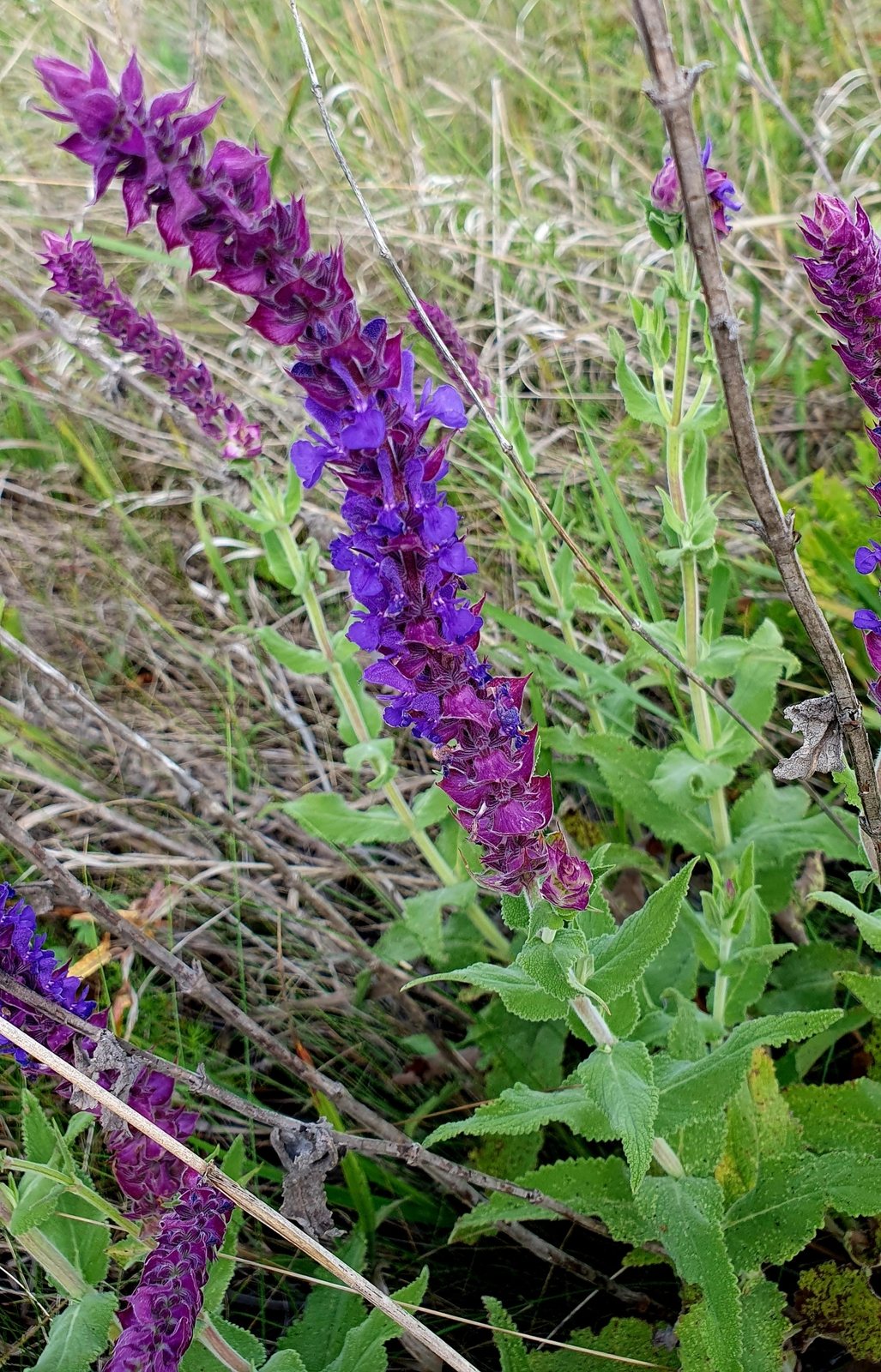
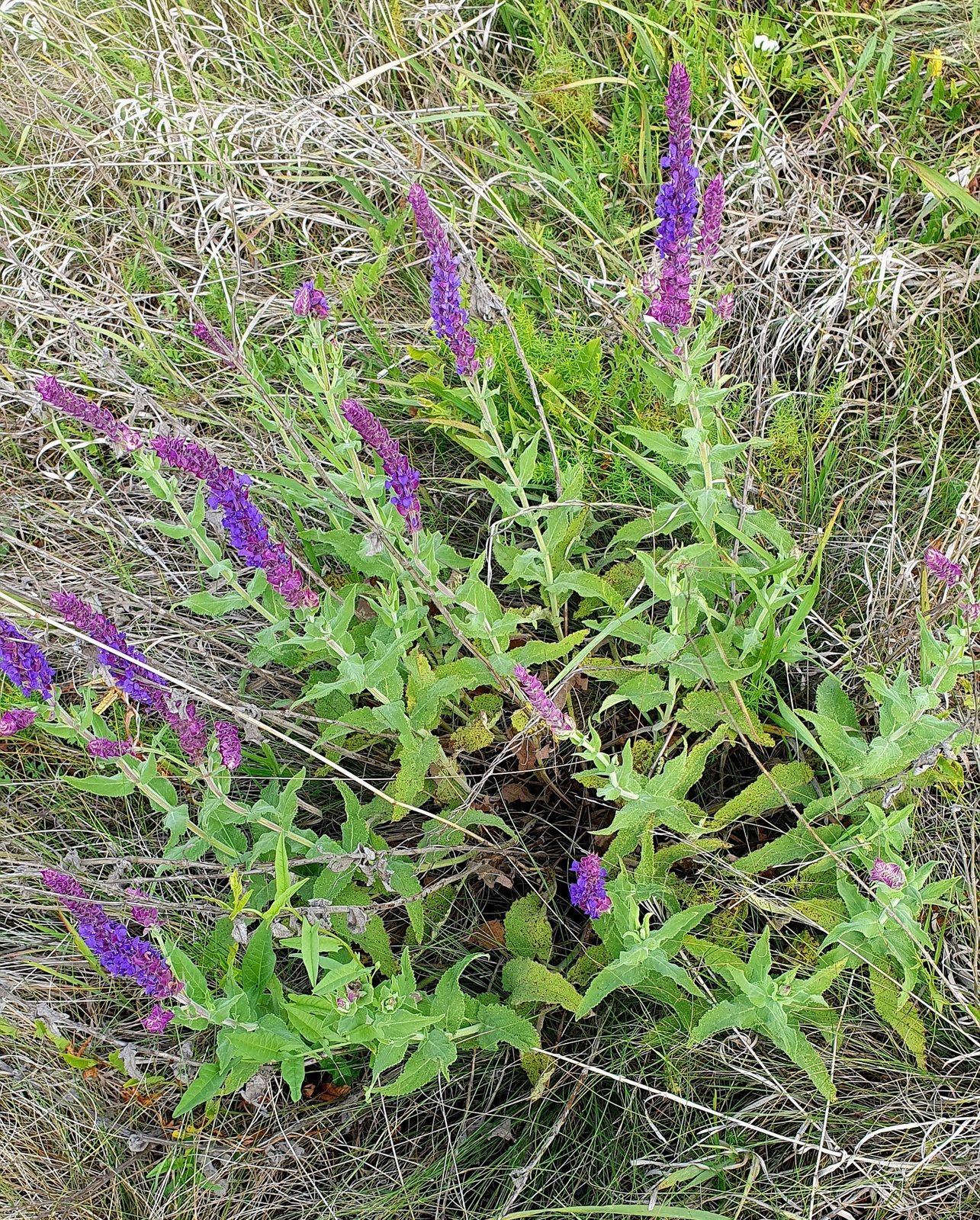
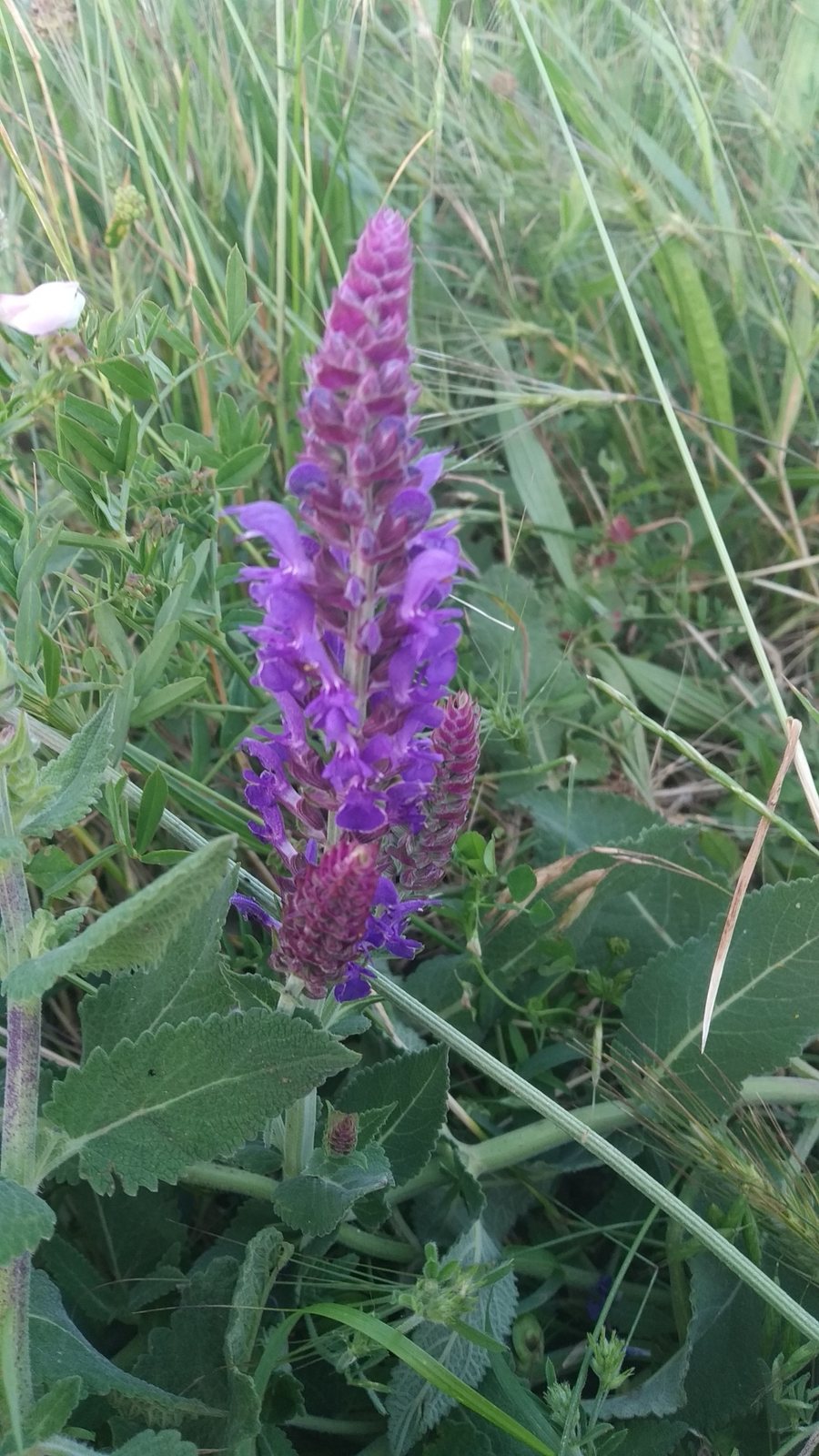
Snow Hill salvia is a compact, clump-forming perennial with upright spikes of white flowers above aromatic green leaves. Gardeners grow it for sunny border edges, pollinator planting and white-themed gardens; cutting back the first flower spikes often encourages another flush.
At a glance
- Sun
- Full sun; tolerates light shade, but flowers less freely and may lean.
- Water
- Water regularly while establishing. Once rooted, water during prolonged dry spells; avoid persistently wet soil.
- Soil
- Well-drained soil, including sandy, chalky or loamy ground. Tolerates some clay if drainage is good; moderately fertile soil is sufficient.
- Height
- 1-1.5 ft (0.3-0.45 m)
- Spread
- 1-1.5 ft (0.3-0.45 m)
- Flowers
- White flower spikes in late spring and early summer, often repeating into late summer after cutting back.
- Foliage
- Aromatic, rough-textured, mid-green leaves with toothed edges; most form a low mound beneath the flower stems.
- Growth
- Moderate; usually forms a substantial flowering clump within two growing seasons.
- Care needed
- Low
The year at a glance
- Pollinators
- Deer resistant
- Drought tolerant
- Cold hardy
- Low allergen
| J | F | M | A | M | J | J | A | S | O | N | D | |
|---|---|---|---|---|---|---|---|---|---|---|---|---|
| Flowers | ||||||||||||
| Plant |
Northern hemisphere months. In Australia, shift them by six.
- Difficulty
- Easy
- Toughness
- Very tough
Will it suit your garden?
Pick your zone, country, light and whether you have pets.
Full sun is 6 or more hours of direct sun a day, part shade 3 to 6 hours, shade under 3.
How it grows
Planting day
1 ft (0.3 m)
After 1 year
1.1 ft (0.32 m)
After 2 years
1.1 ft (0.35 m)
After 3 years
1.2 ft (0.38 m)
full size
About 3 years to full size.
From a typical nursery size, at an average rate for this kind of plant. A rule of thumb, not a forecast.
Good to know
- Cats and dogs
- Safe
- Growth rate
- Moderate
Care
Jobs through the year
- WaterApr–May, Sep–Oct, every 21 days
- Water established plants only if soil is dry after prolonged rainless weather; young plants need more frequent watering.
- WaterJun–Aug, every 14 days
- Water established plants deeply during prolonged dry spells; skip when soil remains moist.
- FeedMar–Apr
- Apply a thin compost dressing; avoid rich or high-nitrogen feeding.
- PruneFeb–Mar
- Remove dead stems before new shoots lengthen.
- DeadheadJun–Aug, every 14 days
- Cut faded spikes back to leafy growth, trimming the main flush promptly to encourage rebloom.
- DivideMar–Apr
- Divide congested clumps every three to four years if flowering declines.
- ProtectOct–Nov
- Clear wet debris and mulch away from the crown to reduce winter rot.
- Water at soil level during the first growing season, allowing the surface to dry between waterings.
- Plant with the crown at soil level and improve drainage before planting in heavy soil.
- Apply a thin layer of compost in spring; avoid heavy feeding, which encourages floppy growth.
- Keep mulch away from the crown, especially where winters are wet.
- Divide congested clumps in spring every three to four years if flowering declines.
Pruning. After the first main flush fades, cut spent flower stems back to healthy leafy growth to encourage more flowers. Remove dead stems in late winter or early spring before new shoots lengthen.
Through the year
- Early spring
- Remove dead stems and check that mulch or wet debris is not covering the crown.
- Spring
- Plant or divide clumps, water them in thoroughly and apply a thin layer of compost.
- Late spring
- Water new plants during dry weather and check young shoots for slugs.
- Early summer
- Cut back fading flower spikes to leafy growth after the first main display.
- Late summer
- Remove spent repeat flowers if you want a tidy border, and water during prolonged drought.
- Autumn
- Remove fallen debris from around the crown and leave healthy stems standing until late winter if desired.
In the garden
- Repeat small groups along a sunny path or border edge for a low rhythm of white flower spikes.
- Plant with roses and catmint to contrast upright white flowers with rounded blooms and softer blue planting.
- Use in white gardens with white roses, silver foliage and ornamental grasses.
- Combine with drought-tolerant perennials in a well-drained gravel garden.
- Grow in a sunny container with drainage holes, where its compact habit suits a small patio.
Garden styles it suits: Cottage garden, White garden, Pollinator garden, New perennial (prairie), Dry gravel garden and Low-maintenance.
Plant it with: Catmint, Roses, Yarrow, Lamb's ears, Hardy geraniums and Feather reed grass.
Wildlife: Flowers attract bees and other nectar-feeding insects. Deer and rabbits often avoid the aromatic foliage, though browsing can still occur.
Problems to watch for
- Crown or root rot in waterlogged soil: improve drainage, keep mulch off the crown and avoid frequent winter watering.
- Slugs and snails eating emerging shoots: inspect during damp weather, remove hiding places and use wildlife-conscious controls if needed.
- Powdery mildew in crowded or stressed planting: improve airflow, water the soil rather than the leaves and remove badly affected foliage.
- Floppy stems or sparse flowering in shade or rich soil: move to a sunnier position and reduce fertilizer.
Safety
Not known to be toxic to people, cats, dogs or horses. No particular part is recognized as poisonous, but this ornamental salvia is not a substitute for culinary sage, and eating it may cause stomach upset.
Easily confused with
White-flowered meadow sage (Salvia pratensis)
Usually has a more open habit, larger basal leaves and larger individual flowers spaced more loosely along the stems. Snow Hill has compact growth and denser spikes of small flowers.
White-flowered mealycup sage (Salvia farinacea)
Typically has narrower, smoother leaves and conspicuously mealy or felted flower stalks and calyces. It is much less cold-hardy and is commonly grown as an annual in colder climates.
The name
Salvia comes from the Latin salvare, meaning to save or heal, while the German cultivar name 'Schneehügel' means 'snow hill', referring to its white flowers.
Propagation. Divide established clumps in spring or take basal cuttings from young shoots. Use vegetative propagation to retain the cultivar's white flowers and compact habit; seedlings may differ from the parent.
Checked against open data
- Accepted botanical name
- Salvia sylvestris
Sources: GBIF (CC BY 4.0). The care and design notes are LandscapeGPT's own.
See it in your own yard.
Upload a photo of your yard and see it redesigned with plants that suit your climate, each checked against your zone.