Snowdrop 'S. Arnott'
Galanthus 'S. Arnott'. Family Amaryllidaceae. Bulb.
Also called Galanthus 'S. Arnott', 'S. Arnott' snowdrop.
This vigorous, clump-forming snowdrop bears nodding white flowers with green markings and a noticeable honey scent, strongest on mild days. It flowers in late winter or early spring, then dies back underground for summer, making it useful beneath deciduous trees and shrubs.
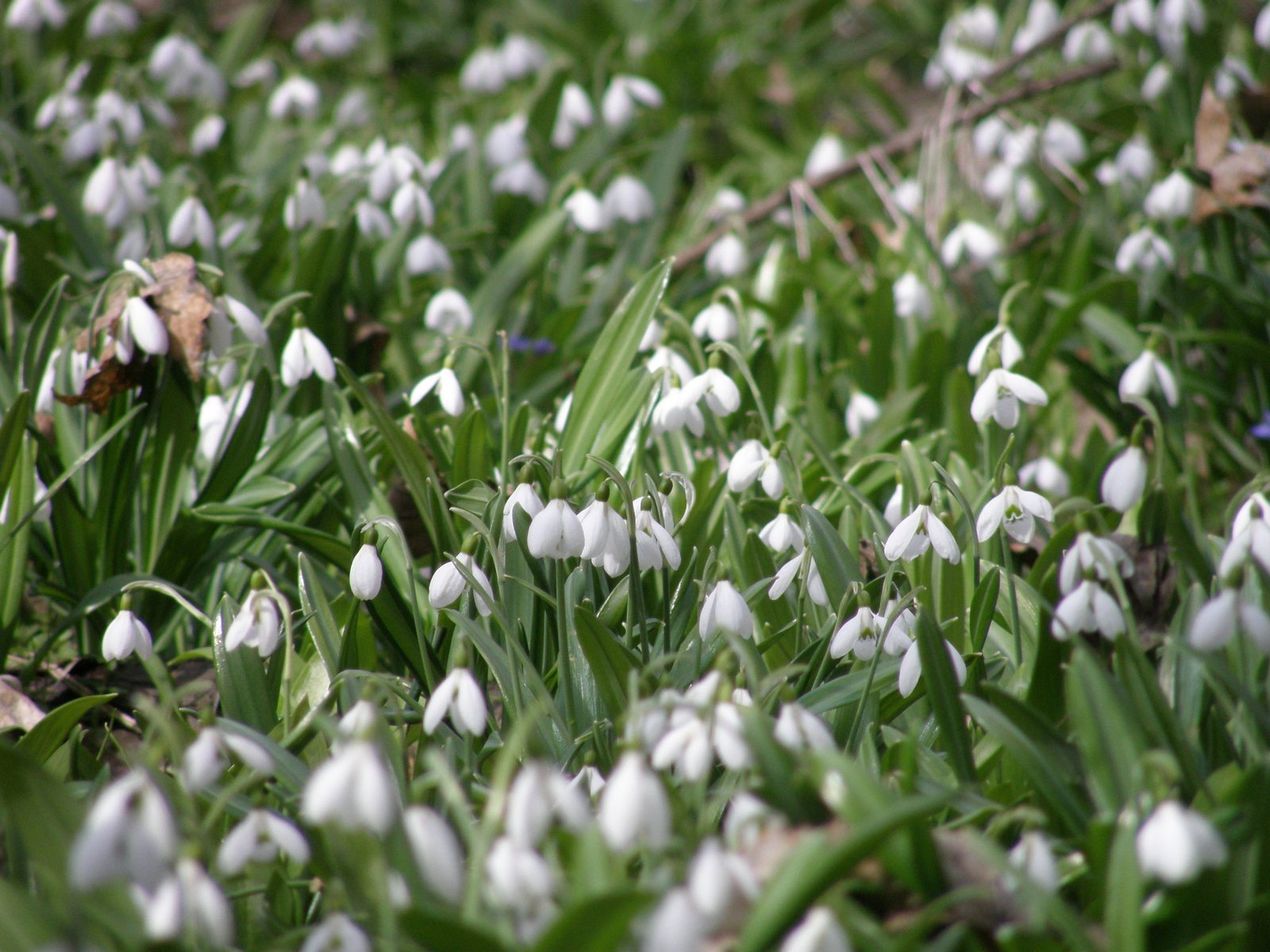
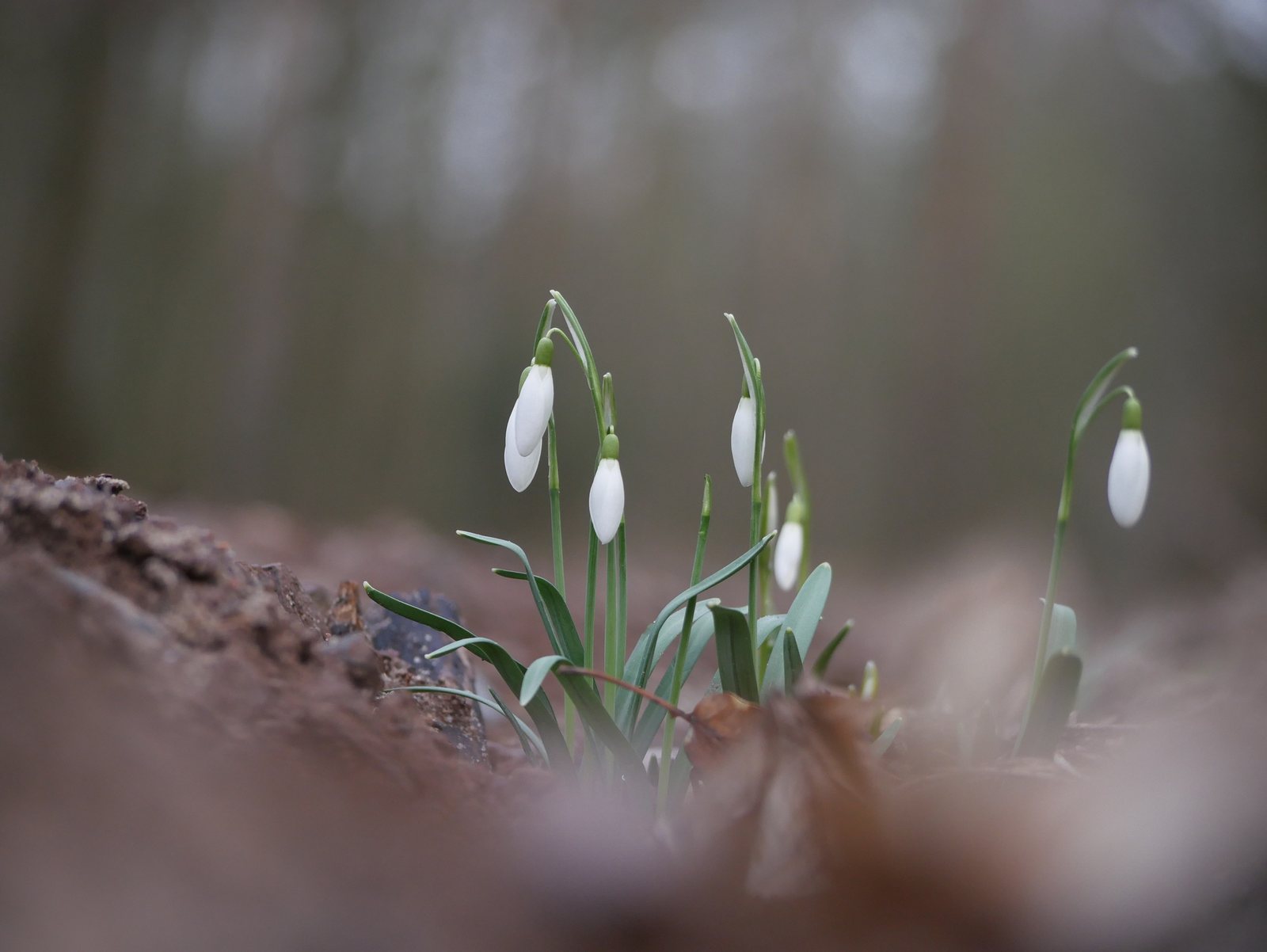
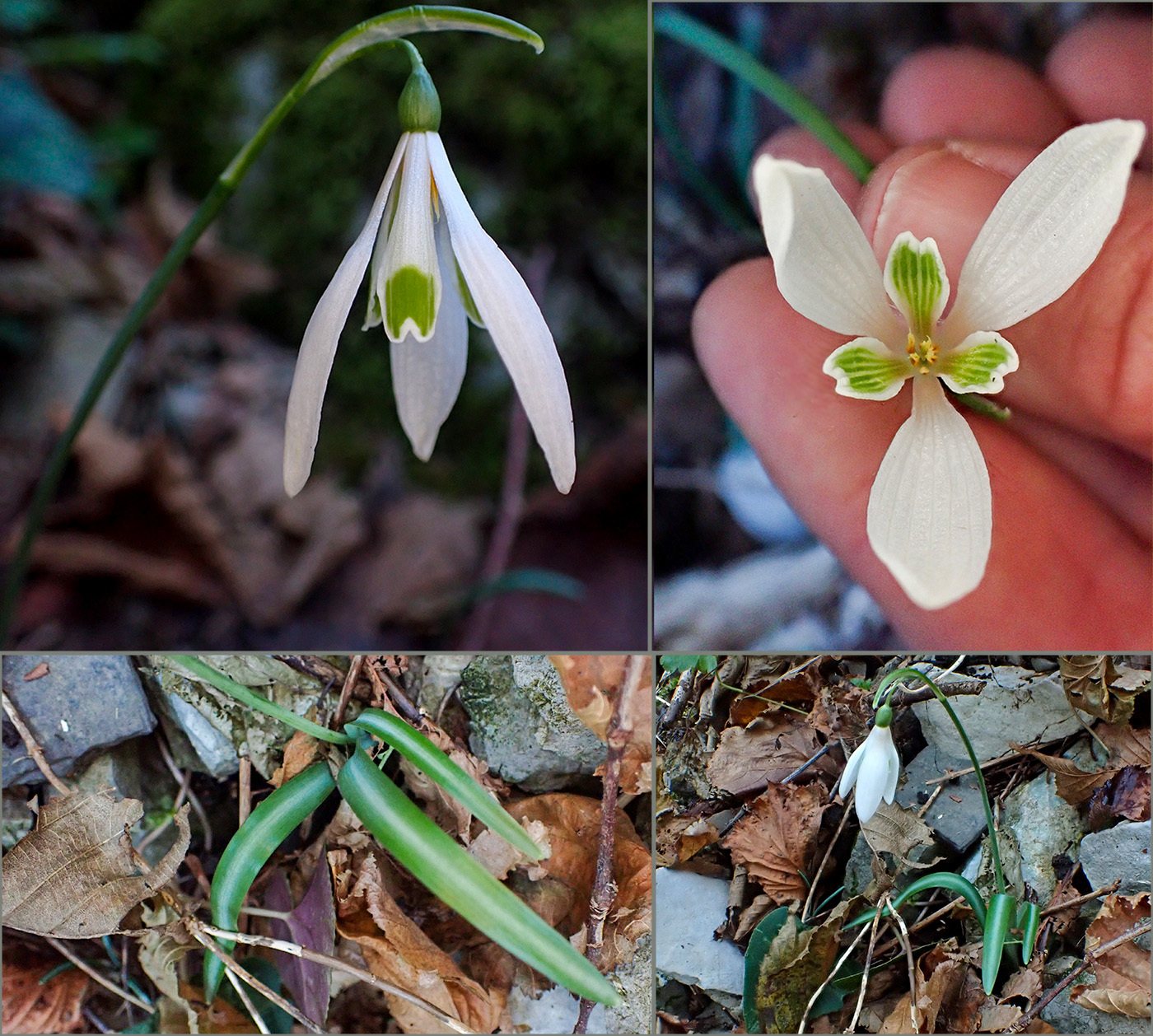
At a glance
- Sun
- Partial shade, especially beneath deciduous trees; full sun is suitable where the soil stays cool and moist during spring.
- Water
- Keep the soil moist while leaves and flowers are growing, but never waterlogged. Established bulbs need little watering during summer dormancy unless the soil becomes severely dry.
- Soil
- Humus-rich, well-drained soil that retains some moisture; tolerates acid, neutral and alkaline conditions.
- Height
- 0.5-0.75 ft (0.15-0.23 m)
- Spread
- 0.25-0.5 ft (0.08-0.15 m) per clump, gradually widening through offsets
- Flowers
- Late winter to early spring; nodding white flowers with a green, inverted V-shaped mark on the shorter inner segments.
- Foliage
- Upright to arching, strap-shaped, grey-green leaves that yellow and disappear in late spring or early summer.
- Growth
- Moderate; established bulbs steadily form larger clumps.
- Care needed
- Low
The year at a glance
- Pollinators
- Deer resistant
- Cold hardy
- Low allergen
- Fragrant
| J | F | M | A | M | J | J | A | S | O | N | D | |
|---|---|---|---|---|---|---|---|---|---|---|---|---|
| Flowers | ||||||||||||
| Plant |
Northern hemisphere months. In Australia, shift them by six.
- Difficulty
- Easy
- Toughness
- Very tough
Will it suit your garden?
Pick your zone, country, light and whether you have pets.
Full sun is 6 or more hours of direct sun a day, part shade 3 to 6 hours, shade under 3.
How it grows
Planting day
0.5 ft (0.15 m)
After 1 year
0.6 ft (0.19 m)
full size
About 1 years to full size.
From a typical nursery size, at an average rate for this kind of plant. A rule of thumb, not a forecast.
Good to know
- Cats and dogs
- Toxic
- Growth rate
- Moderate
Care
Jobs through the year
- WaterFeb–Mar, every 14 days
- Water established bulbs only in dry, unfrozen soil while actively growing.
- WaterApr–May, every 7 days
- Water during dry spells while leaves stay green; new bulbs and divisions need closer checks.
- FeedMar
- On poor soil only, apply a light balanced bulb feed after flowering.
- DivideMar–Apr
- Divide crowded clumps after flowering while leaves are green; replant and water immediately.
- PruneMay–Jun
- Remove leaves or mow naturalised areas only after foliage yellows completely.
- MulchSep–Oct
- Apply a thin layer of leaf mould or compost without burying emerging shoots.
- Plant fresh bulbs promptly in early autumn, with their bases about 3-4 in (8-10 cm) deep and bulbs about 3 in (8 cm) apart.
- Water during dry spells while leaves are green, particularly in the first spring after planting.
- Apply a thin layer of leaf mould or garden compost in autumn without burying emerging shoots.
- On poor soil, give a light application of balanced bulb fertiliser after flowering; rich soil usually needs no extra feeding.
- Divide crowded clumps after flowering while the leaves are still green, and replant immediately at their previous depth.
- Delay mowing naturalised areas until the leaves have yellowed completely.
Pruning. No routine pruning is needed. Leave all green foliage intact, then remove it once it has yellowed and comes away easily.
Through the year
- Early autumn
- Plant fresh dormant bulbs promptly; avoid bulbs that feel soft or badly shrivelled.
- Autumn
- Top-dress established patches with a thin layer of leaf mould or compost.
- Late winter
- Check emerging flowers for slug damage and remove fallen debris covering the shoots.
- Early spring
- After flowering, divide crowded clumps if needed and water the replanted divisions.
- Late spring
- Allow leaves to yellow naturally before tidying or mowing.
- Summer
- Avoid digging through dormant clumps or keeping their soil constantly wet.
In the garden
- Plant generous drifts beneath deciduous trees, where winter light reaches the bulbs before the canopy closes.
- Edge a winter path with clumps so the flowers and scent can be appreciated close up.
- Combine with hellebores and winter aconites for a low late-winter display.
- Tuck among hostas or deciduous ferns, whose later growth covers the fading snowdrop foliage.
- Naturalise in lightly shaded grass that can remain unmown until the leaves have died back.
Garden styles it suits: Woodland, Cottage garden, English country, Winter interest, White garden and Sensory garden.
Plant it with: Hellebores, Winter aconites, Crocuses, Hardy cyclamen, Hostas and Deciduous ferns.
Wildlife: Flowers provide pollen and nectar for early bees when temperatures are warm enough for them to fly. Deer and rabbits generally leave the plants alone, though they are not completely damage-proof.
Problems to watch for
- Bulb rot in saturated soil: improve drainage or move bulbs to a better-drained position; discard soft, rotting bulbs.
- Narcissus bulb fly: larvae hollow out bulbs, causing weak growth or failure to emerge; remove affected bulbs and firm disturbed soil after planting.
- Slugs and snails can chew flowers and young shoots: inspect during damp evenings and remove pests by hand.
- Few flowers in crowded or heavily shaded clumps: divide after flowering, retain green leaves and provide more winter and early-spring light.
Safety
Toxic to people, cats, dogs and horses if eaten. All parts contain toxic alkaloids, with the bulbs especially hazardous; ingestion can cause vomiting, diarrhoea and abdominal pain, and large amounts may cause serious poisoning. Sap may irritate skin, so wear gloves when dividing bulbs.
Easily confused with
Common snowdrop (Galanthus nivalis)
Usually smaller and more slender, with narrower leaves and smaller flowers. 'S. Arnott' is notably robust and strongly scented, but size and scent alone do not prove cultivar identity.
Greater snowdrop (Galanthus elwesii)
Usually has broader leaves, with one leaf wrapping around the other at the base; many forms have green markings at both the base and tip of the inner flower segments.
Spring snowflake (Leucojum vernum)
Its flowers have six segments of nearly equal length, each tipped with green or yellow. Snowdrops have three long outer segments surrounding three much shorter inner ones.
The name
Galanthus comes from Greek words meaning 'milk flower', referring to the white blooms, and 'S. Arnott' honours the Scottish gardener Samuel Arnott.
Propagation. Divide established clumps just after flowering while leaves are still green, separating them into small groups and replanting promptly. Division preserves the named cultivar; seedlings cannot be relied on to remain true to name.
Checked against open data
- Accepted botanical name
- Galanthus
Sources: GBIF (CC BY 4.0). The care and design notes are LandscapeGPT's own.
See it in your own yard.
Upload a photo of your yard and see it redesigned with plants that suit your climate, each checked against your zone.