Snowy woodrush
Luzula nivea. Family Juncaceae. Ornamental grass.
Also called Snow-white woodrush.
Snowy woodrush is a clump-forming, grass-like perennial in the rush family, grown for its narrow evergreen leaves and loose clusters of creamy-white summer flowers. It brings fine texture to lightly shaded borders and woodland edges, especially where the soil stays reasonably moist.
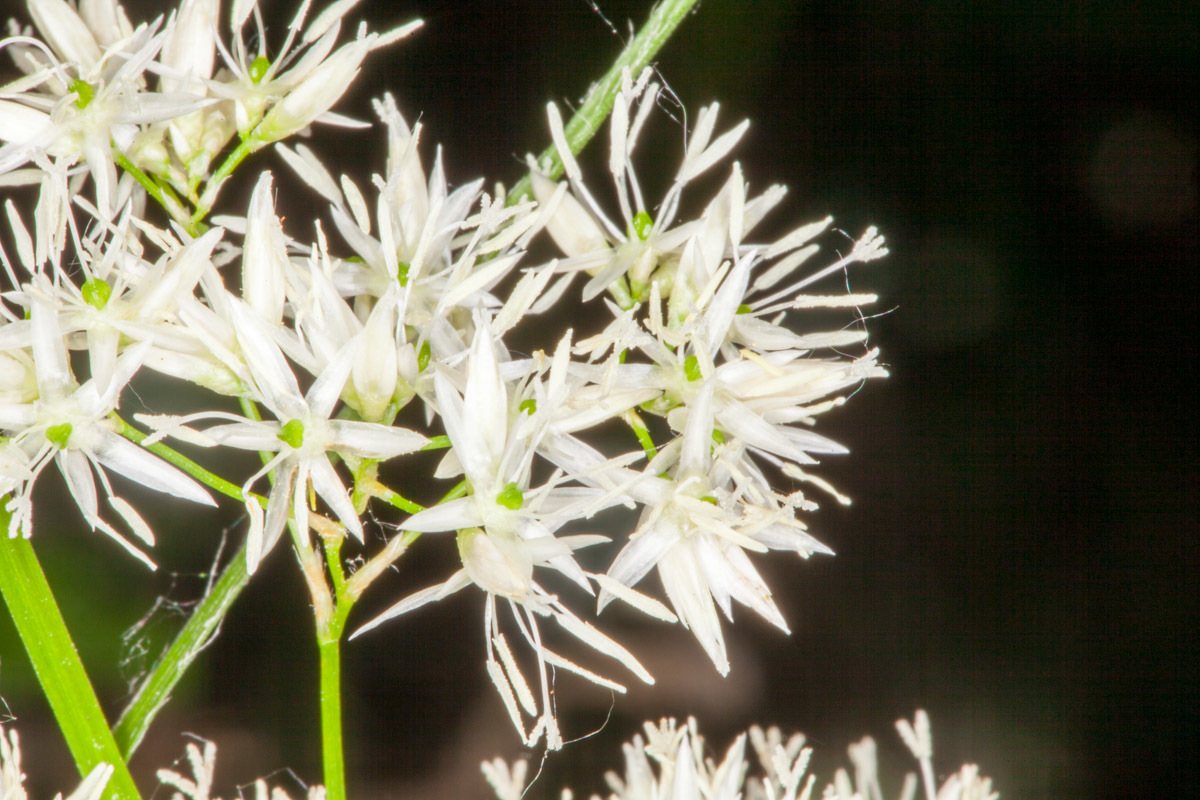
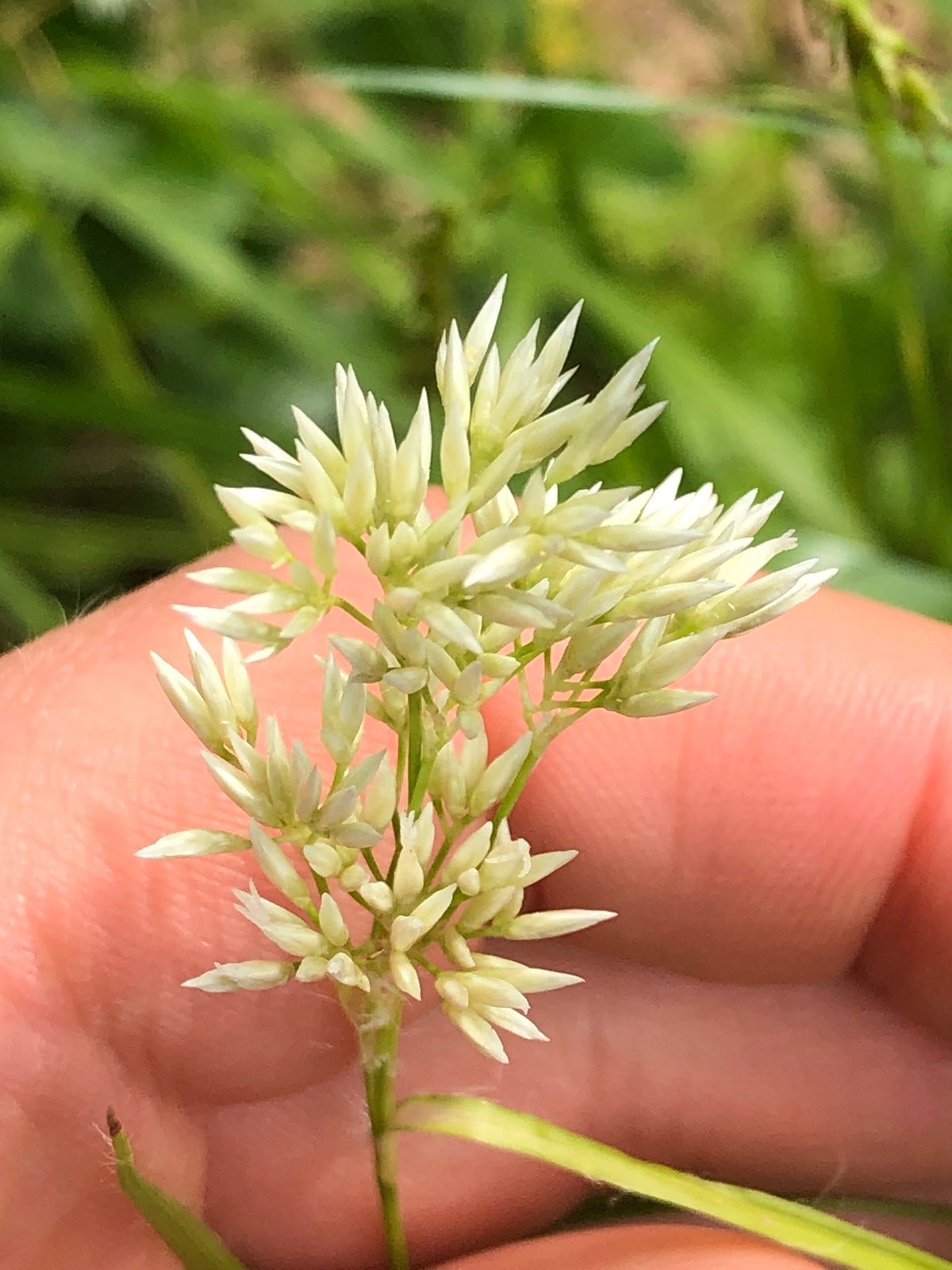
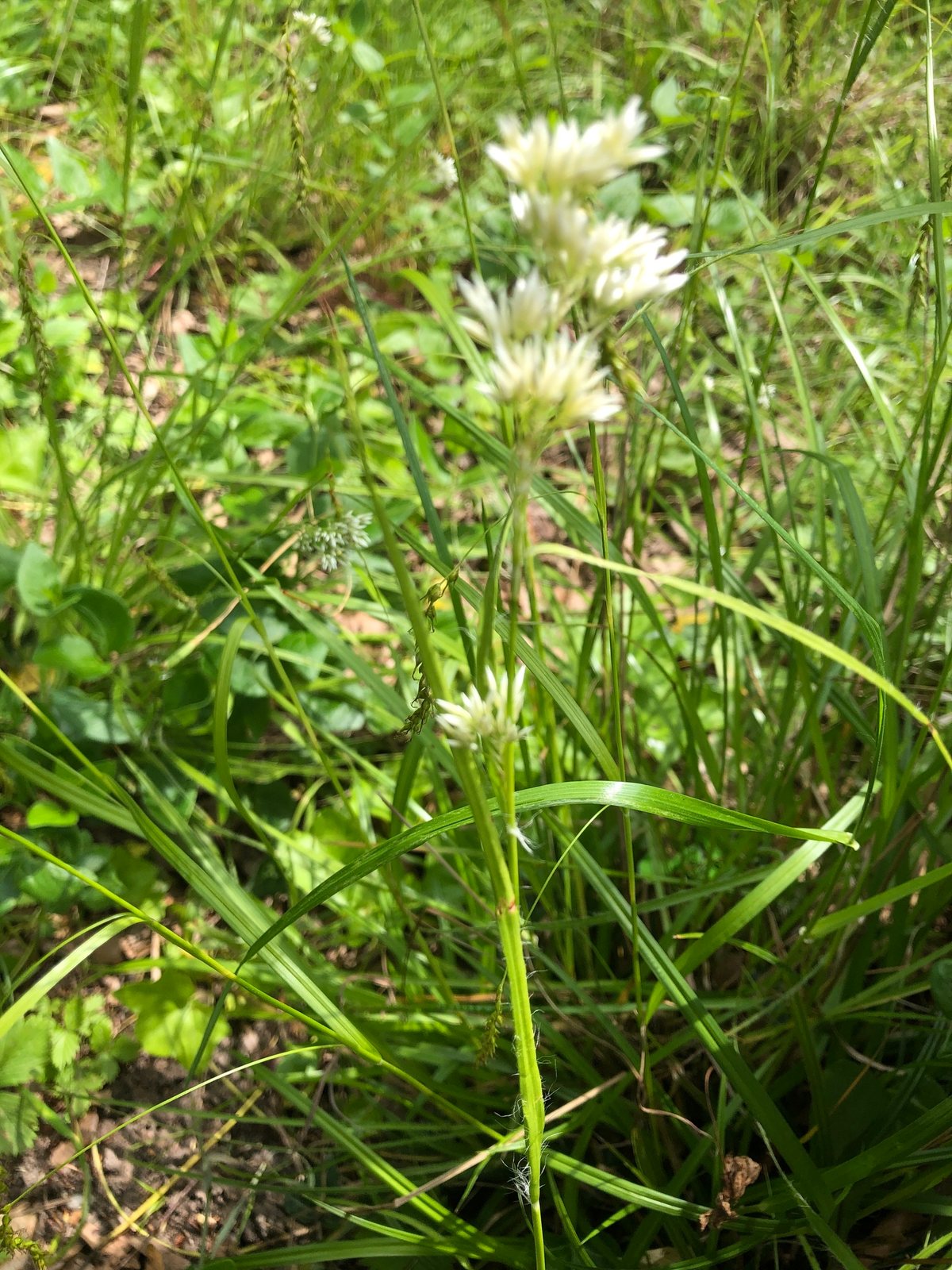
At a glance
- Sun
- Partial shade is best; tolerates deeper shade and full sun where summers are cool and the soil stays moist.
- Water
- Moderate; keep evenly moist while establishing, then water during prolonged dry spells. Established plants tolerate some dry shade.
- Soil
- Humus-rich, well-drained soil; tolerates clay, loam and sandy soil if moisture is adequate. Acid to neutral soil is ideal.
- Height
- 1.5-2 ft (0.45-0.6 m), including flower stems
- Spread
- 1-1.5 ft (0.3-0.45 m)
- Flowers
- Late spring to midsummer; airy clusters of small creamy-white flowers that age to pale brown.
- Foliage
- Narrow, arching, dark green leaves with conspicuous white hairs along their edges; evergreen, though foliage may look battered after a hard winter.
- Growth
- Moderate
- Care needed
- Low
The year at a glance
- Deer resistant
- Cold hardy
- Wildlife
| J | F | M | A | M | J | J | A | S | O | N | D | |
|---|---|---|---|---|---|---|---|---|---|---|---|---|
| Flowers | ||||||||||||
| Fruit | ||||||||||||
| Plant |
Northern hemisphere months. In Australia, shift them by six.
- Difficulty
- Easy
- Toughness
- Very tough
Will it suit your garden?
Pick your zone, country, light and whether you have pets.
Full sun is 6 or more hours of direct sun a day, part shade 3 to 6 hours, shade under 3.
How it grows
Planting day
1.1 ft (0.35 m)
After 1 year
1.4 ft (0.42 m)
After 2 years
1.6 ft (0.49 m)
After 3 years
1.7 ft (0.53 m)
full size
About 3 years to full size.
From a typical nursery size, at an average rate for this kind of plant. A rule of thumb, not a forecast.
Good to know
- Cats and dogs
- Safe
- Growth rate
- Moderate
Care
Jobs through the year
- WaterApr–May, Sep–Oct, every 14 days
- Water established clumps during prolonged dry spells; check young plants and those beneath trees more often.
- WaterJun–Aug, every 7 days
- Water deeply during drought if soil is dry or leaves curl; do not waterlog.
- PruneFeb–Mar
- Remove dead and damaged leaves without cutting into the crown.
- MulchMar–Apr
- Apply a thin layer of leaf mould or compost, leaving crowns uncovered.
- DivideMar–May
- Divide crowded clumps and promptly replant and water the divisions.
- DeadheadJun–Jul
- Remove fading flower stems before seed ripens if seedlings are unwanted; otherwise retain seedheads.
- Water regularly through the first growing season, especially beneath trees.
- Spread a thin layer of leaf mould or compost around clumps in spring, keeping the crown uncovered.
- Water established plants during extended drought if leaves begin to curl or brown.
- Remove flower stems before seed ripens if you want to limit seedlings.
- Divide crowded clumps in spring, replanting the divisions promptly.
Pruning. In late winter or early spring, remove dead leaves by hand or cut out damaged foliage near its base without cutting into the crown. Cut spent flower stems to ground level after flowering, or leave them until autumn for their pale seedheads.
Through the year
- Late winter
- Remove dead or winter-damaged foliage before fresh growth develops.
- Spring
- Plant or divide clumps, water thoroughly and mulch lightly with leaf mould.
- Late spring
- Check soil moisture as flower stems develop, particularly beneath trees.
- Summer
- Water during prolonged drought and remove fading flower stems if seedlings are unwanted.
- Autumn
- Remove unwanted seedlings and plant new clumps while the soil is moist and workable.
In the garden
- Plant in repeated groups along shaded paths for a soft, evergreen edge.
- Use beneath deciduous trees with ferns and spring bulbs to link seasonal displays.
- Thread through woodland borders with hostas and hardy geraniums for contrasting leaf shapes.
- Combine with white-flowered shade plants to brighten a sheltered courtyard or white garden.
Garden styles it suits: Woodland, White garden, New perennial (prairie), Cottage garden, Low-maintenance and Green on green.
Plant it with: Hostas, Epimediums, Hellebores, Japanese painted ferns, Siberian bugloss and Snowdrops.
Wildlife: Dense clumps provide shelter for small invertebrates. The flowers are wind-pollinated and are not a significant nectar source for pollinators.
Problems to watch for
- Brown leaf tips or scorched foliage: improve soil moisture and provide afternoon shade, especially in hot climates.
- Crown rot in waterlogged soil: improve drainage and avoid burying the crown under soil or mulch.
- Unwanted seedlings: remove flower stems before seed ripens and pull young seedlings while small.
- Sparse flowering in deep shade: move to a position with brighter filtered light.
Safety
Not known to be toxic to people, cats, dogs or horses; no particular part is recognised as poisonous. It is not an edible plant, and specific animal-safety information is limited.
Easily confused with
Greater woodrush (Luzula sylvatica)
Has much broader leaves and brownish flower clusters rather than conspicuous creamy-white flowers.
White woodrush (Luzula luzuloides)
Also has hairy-edged leaves, but its flowers are usually smaller and less densely clustered, giving a less showy, more open display.
The name
The species name nivea means snow-white, referring to the pale flowers that also give snowy woodrush its common name.
Propagation. Divide established clumps in spring. Alternatively, sow ripe seed in pots in a sheltered outdoor position; seedlings may also appear around established plants.
Checked against open data
- Accepted botanical name
- Luzula nivea
- Native range
- Austria, France, Germany, Italy, Spain, Switzerland and Yugoslavia.
- Measured
- Soil pH 4.5 to 5. Average height 45 cm.
Sources: GBIF (CC BY 4.0) and Trefle (CC BY 4.0). The care and design notes are LandscapeGPT's own.
See it in your own yard.
Upload a photo of your yard and see it redesigned with plants that suit your climate, each checked against your zone.