Sonic Bloom Pink weigela
Weigela 'Bokrasopin'. Family Caprifoliaceae. Shrub.
Also called Weigela 'Bokrasopin'.
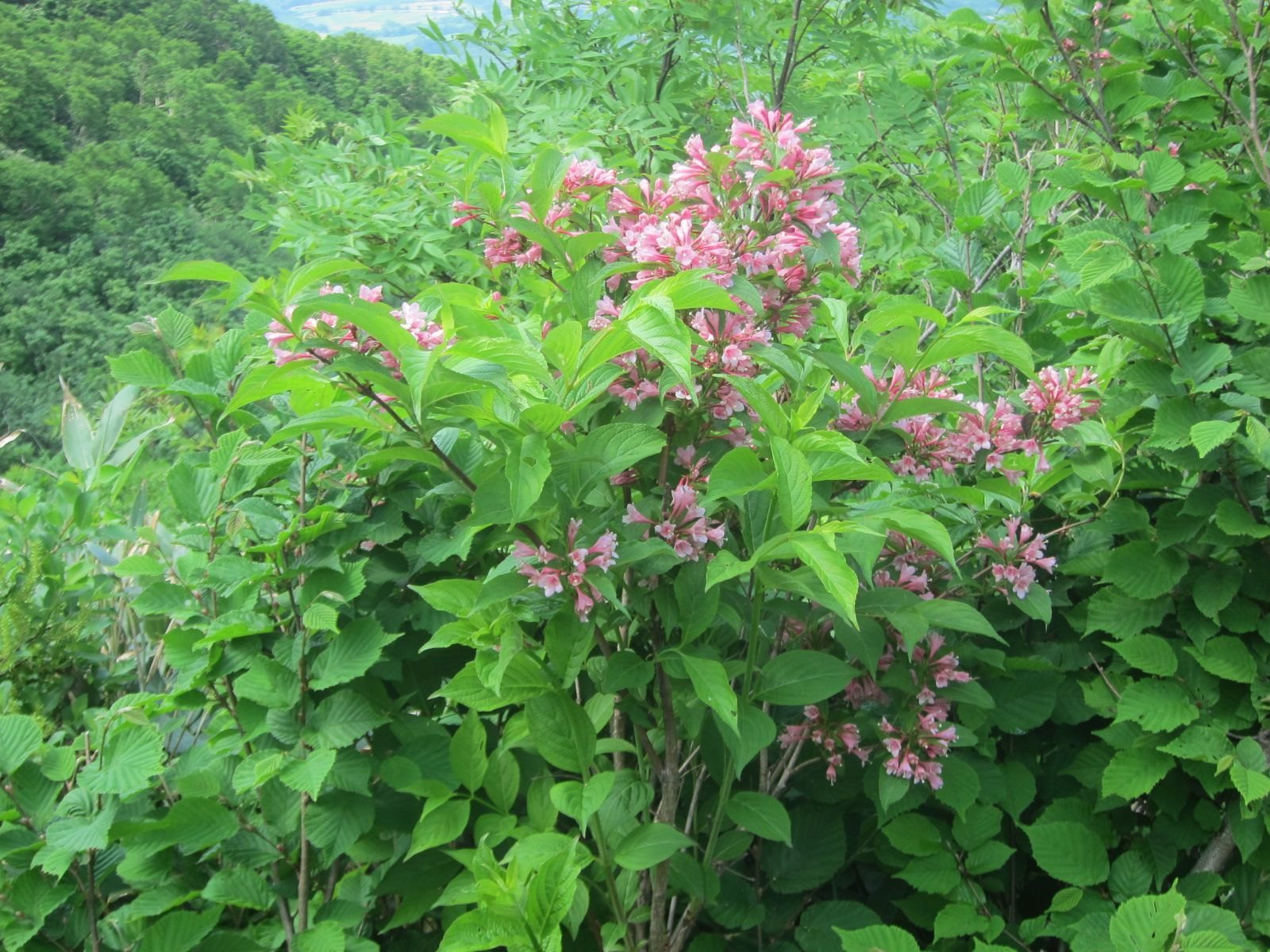
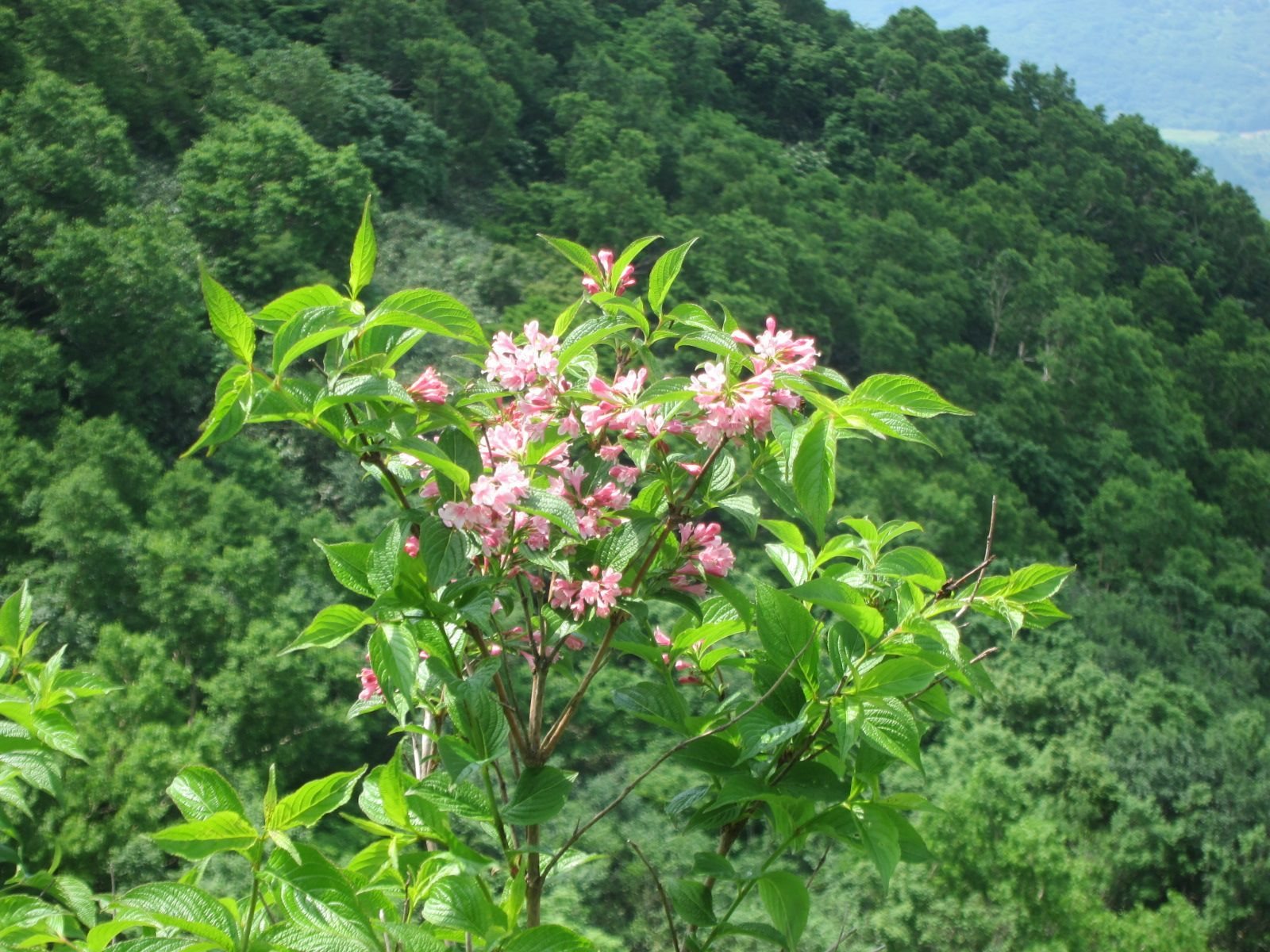
A deciduous shrub with arching branches and deep pink, trumpet-shaped flowers. Gardeners grow it for a heavy late-spring display followed by lighter repeat flowering through summer and into autumn; the amount of rebloom depends on climate and growing conditions.
At a glance
- Sun
- Full sun gives the best flowering; tolerates light partial shade.
- Water
- Keep evenly moist during establishment. Once established, water deeply during prolonged dry spells, especially in hot weather.
- Soil
- Well-drained soil with moderate fertility; tolerates clay, loam and sandy soil provided it is neither waterlogged nor extremely dry.
- Height
- 4-5 ft (1.2-1.5 m)
- Spread
- 4-5 ft (1.2-1.5 m)
- Flowers
- Deep pink, trumpet-shaped flowers in late spring, followed by intermittent repeat flowering through summer and into autumn.
- Foliage
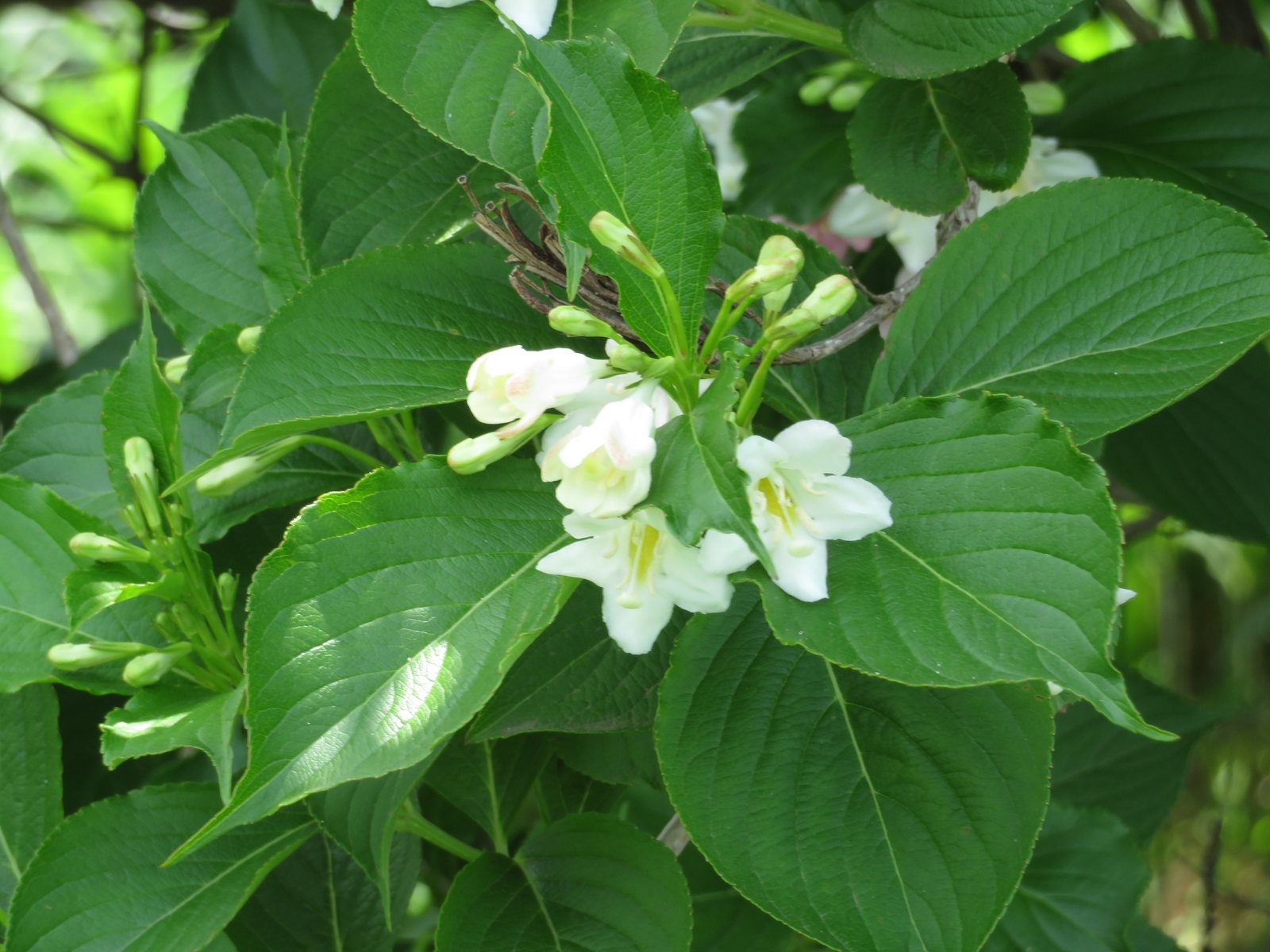
- Oval, pointed green leaves with toothed edges; deciduous, with generally modest autumn colour.
- Growth
- Moderate
- Care needed
- Low
The year at a glance
- Pollinators
- Cold hardy
- Wildlife
- Low allergen
| J | F | M | A | M | J | J | A | S | O | N | D | |
|---|---|---|---|---|---|---|---|---|---|---|---|---|
| Flowers | ||||||||||||
| Plant |
Northern hemisphere months. In Australia, shift them by six.
- Difficulty
- Easy
- Toughness
- Very tough
Will it suit your garden?
Pick your zone, country, light and whether you have pets.
Full sun is 6 or more hours of direct sun a day, part shade 3 to 6 hours, shade under 3.
How it grows
Planting day
1.6 ft (0.5 m)
After 1 year
2.2 ft (0.67 m)
After 2 years
2.8 ft (0.84 m)
After 3 years
3 ft (1 m)
After 5 years
4 ft (1.4 m)
full size
About 5 years to full size.
From a typical nursery size, at an average rate for this kind of plant. A rule of thumb, not a forecast.
Good to know
- Cats and dogs
- Safe
- Growth rate
- Moderate
Care
Jobs through the year
- WaterApr–May, Sep–Oct, every 14 days
- Water established shrubs deeply if soil is dry; keep young plants more consistently moist.
- WaterJun–Aug, every 7 days
- Water deeply during prolonged dry weather to support repeat flowers; skip if soil remains moist.
- MulchMar–Apr
- Maintain 5–8 cm of organic mulch without covering stem bases.
- FeedMar–Apr
- Apply a light balanced slow-release feed only on poor soil or if growth is weak.
- PruneMar–Apr
- Remove dead wood once spring growth reveals which stems are alive.
- PruneJun
- After the main flower flush, shape selectively and remove up to one-third of old stems if crowded.
- Water deeply through the first growing season whenever the root zone begins to dry.
- Spread 2-3 in (5-8 cm) of organic mulch over the root area, keeping it clear of the stems.
- Apply a balanced slow-release shrub fertiliser in early spring if growth is weak or the soil is poor; avoid heavy nitrogen feeding.
- Allow room for its full width rather than repeatedly shearing it to fit a narrow space.
- Deadheading is not needed for repeat flowering.
Pruning. Prune immediately after the main late-spring flower flush, shortening wayward shoots and removing up to one-third of the oldest stems at ground level if the shrub is crowded. Remove dead wood once spring growth reveals it; avoid routine autumn or winter pruning, which removes buds for the main spring display.
Through the year
- Early spring
- Refresh mulch and feed lightly if needed, keeping mulch away from the stem bases.
- Spring
- Plant when the soil is workable and not waterlogged; water thoroughly and maintain moisture while roots establish.
- Late spring
- Enjoy the main flower flush, then prune only if shaping or thinning is needed.
- Summer
- Water during prolonged dry weather to support growth and repeat flowering.
- Autumn
- Avoid hard pruning and late feeding; water before the ground freezes if autumn has been dry.
- Winter
- Check that drainage remains free and avoid piling shoveled snow or de-icing salt around the shrub.
In the garden
- Use in a mixed shrub border with spring-flowering shrubs and later-flowering perennials to extend seasonal interest.
- Plant as an informal flowering hedge, leaving enough room for its natural arching outline.
- Place behind catmint, hardy geraniums or salvias so their lower growth softens the shrub's base.
- Use as a flowering accent beside a patio or path, set back far enough that mature branches do not obstruct access.
Garden styles it suits: Cottage garden, English country, Traditional, Romantic rose garden, Pollinator garden and Low-maintenance.
Plant it with: Catmint, Hardy geranium, Perennial salvia, Lady's mantle, Peony and Daffodil.
Wildlife: Flowers provide nectar for bees and, in North America, hummingbirds. The branching shrub also offers cover for small birds.
Problems to watch for
- Poor flowering: provide more sun, avoid excessive nitrogen and do not prune in autumn or winter.
- Winter dieback in exposed cold sites: choose a sheltered position, mulch the roots and remove dead stems after spring growth begins.
- Aphids on soft shoots: dislodge small colonies with water and allow ladybirds and other predators to help control them.
- Root decline in waterlogged soil: improve drainage or move the shrub to a better-drained site; do not keep the root zone constantly saturated.
Safety
Not known to be toxic to people, cats, dogs or horses; no plant part is recognised as poisonous. It is an ornamental rather than a food plant, and eating plant material can still cause stomach upset.
Easily confused with
Beautybush (Kolkwitzia amabilis)
Usually grows larger and bears clusters of paler pink bells with yellow-orange markings inside; older stems often have conspicuously peeling bark.
Pink-flowered deutzia (Deutzia species and hybrids)
Flowers have five clearly separate petals, giving a starry or open bell shape, rather than weigela's long, fused trumpet.
The name
Weigela honours the German botanist Christian Ehrenfried Weigel, while Sonic Bloom Pink is the trade name for the cultivar 'Bokrasopin'.
Propagation. Softwood cuttings taken in late spring or early summer are the usual method for maintaining the cultivar; seedlings will not reliably match it. This is a protected cultivar in some markets, so check local plant breeders' rights or patent restrictions before propagating.
Checked against open data
- Accepted botanical name
- Weigela
Sources: GBIF (CC BY 4.0). The care and design notes are LandscapeGPT's own.
See it in your own yard.
Upload a photo of your yard and see it redesigned with plants that suit your climate, each checked against your zone.