Southern maidenhair fern
Adiantum capillus-veneris. Family Pteridaceae. Fern.
Also called Venus-hair fern, True maidenhair fern.
This small fern has delicate, fan-shaped leaflets held on fine, dark stems. Grow it in sheltered, moist shade beside a seep, among damp rocks or in a shaded container; it keeps its fronds in mild winters but may die back in colder weather.
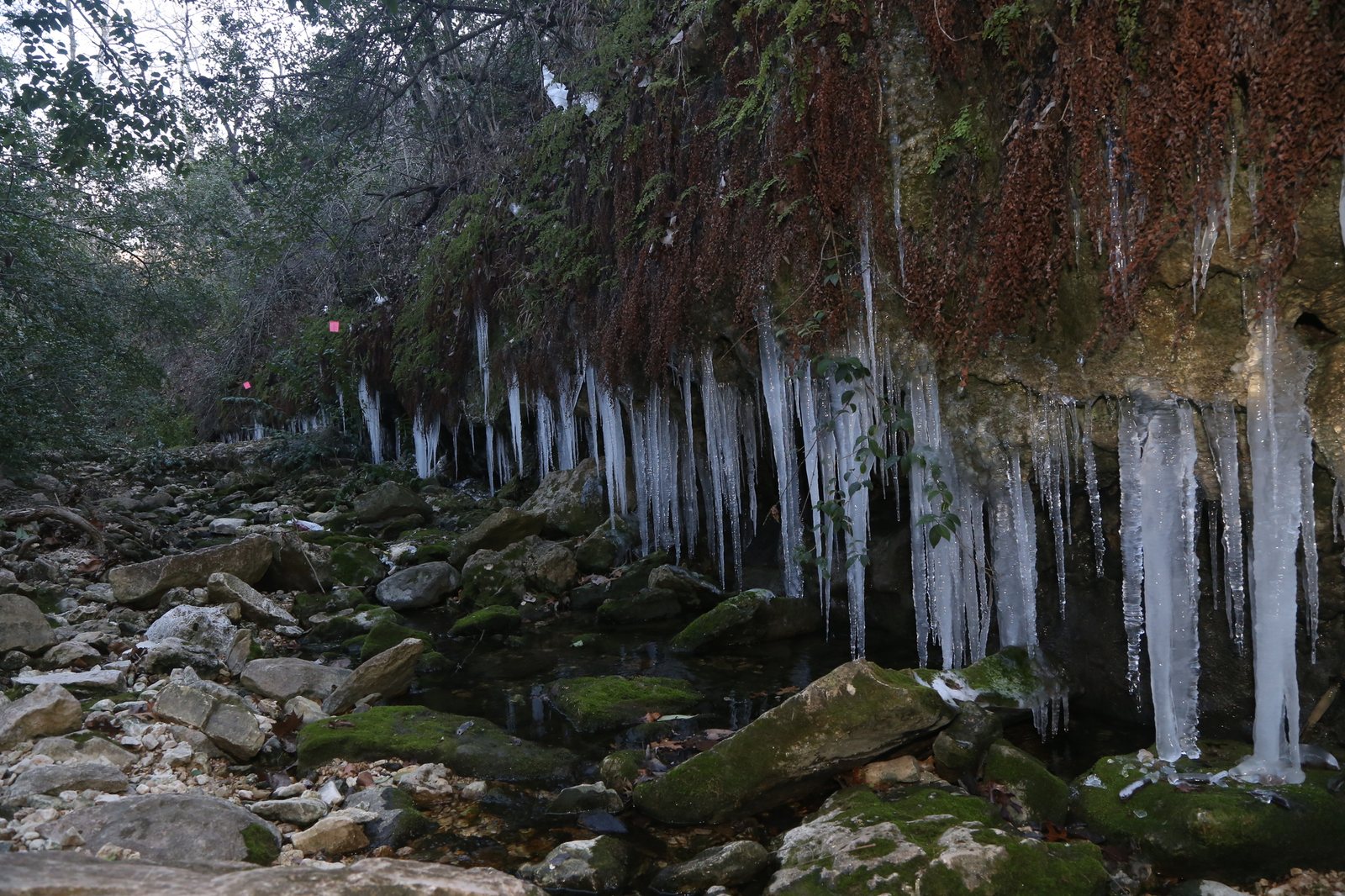
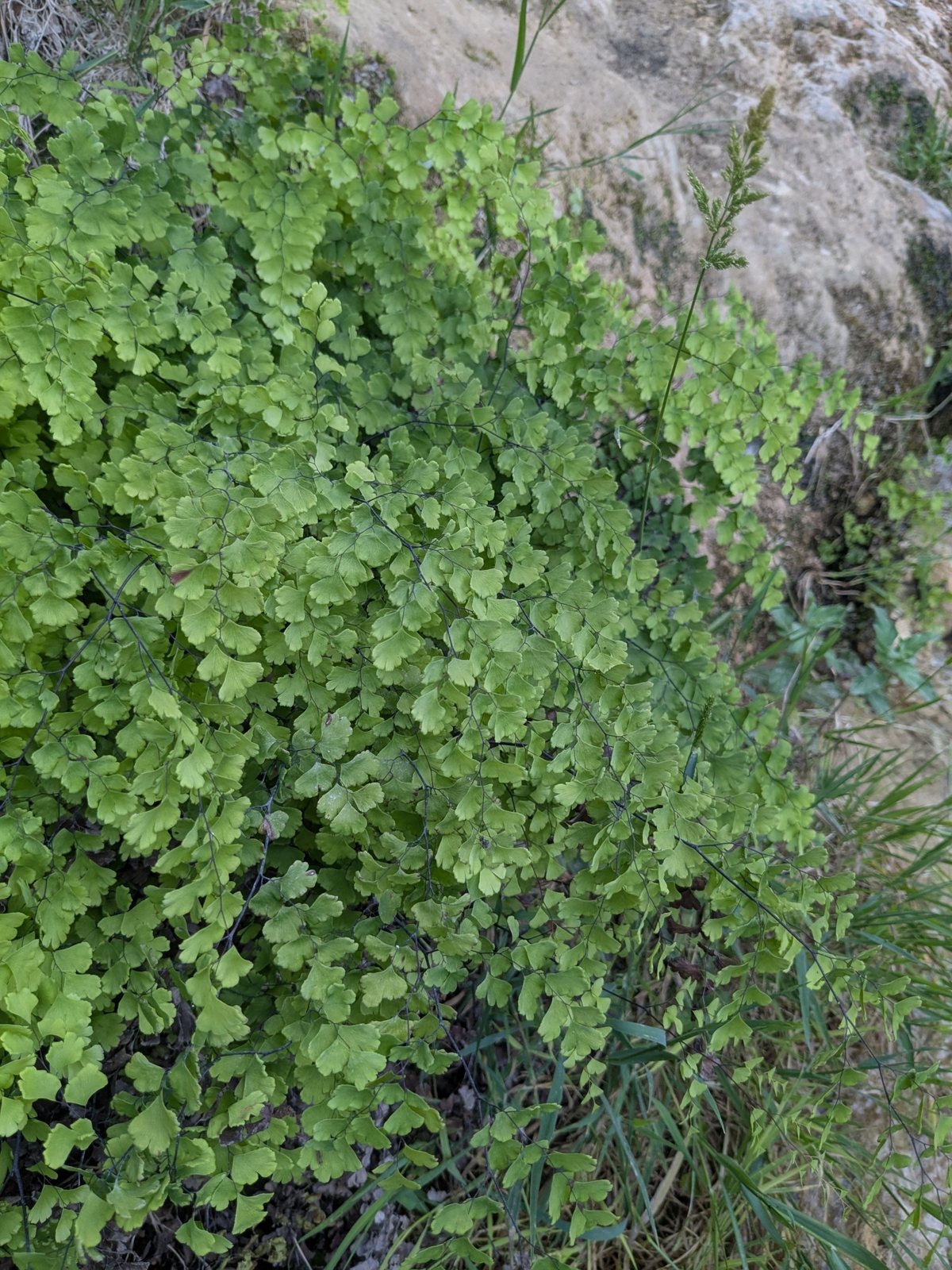
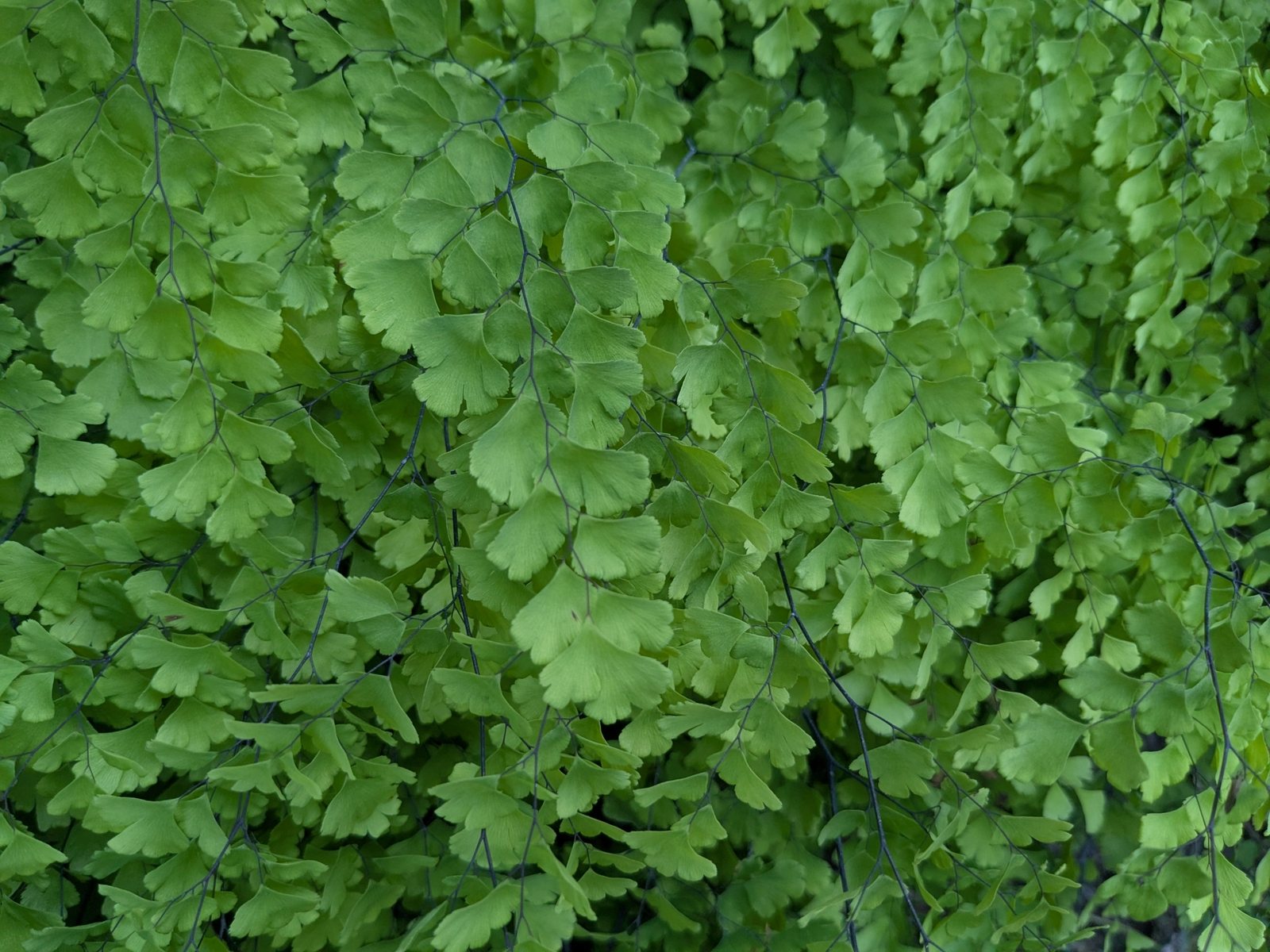
At a glance
- Sun
- Partial to full shade; protect from hot afternoon sun and drying wind.
- Water
- Keep the root zone consistently moist. Do not let container compost dry out, but avoid stagnant, waterlogged conditions.
- Soil
- Humus-rich, moisture-retentive soil with good drainage; particularly well suited to neutral or alkaline soil and damp limestone crevices.
- Height
- 1-2 ft (0.3-0.6 m)
- Spread
- 1-2 ft (0.3-0.6 m)
- Foliage
- Evergreen. Light to mid-green, wedge-shaped or fan-shaped leaflets with lobed outer edges, carried on slender, glossy dark brown to black stalks.
- Growth
- Moderate where moisture is reliable; slow in cool or dry conditions.
- Care needed
- Medium
The year at a glance
- Deer resistant
- Heat tolerant
- Wildlife
- Low allergen
| J | F | M | A | M | J | J | A | S | O | N | D | |
|---|---|---|---|---|---|---|---|---|---|---|---|---|
| Plant |
Northern hemisphere months. In Australia, shift them by six.
- Difficulty
- Moderate
- Toughness
- Needs looking after
Will it suit your garden?
Pick your zone, country, light and whether you have pets.
Full sun is 6 or more hours of direct sun a day, part shade 3 to 6 hours, shade under 3.
How it grows
Planting day
1 ft (0.3 m)
After 1 year
1.1 ft (0.34 m)
After 2 years
1.2 ft (0.38 m)
After 3 years
1.4 ft (0.42 m)
After 5 years
1.5 ft (0.45 m)
full size
About 4 years to full size.
From a typical nursery size, at an average rate for this kind of plant. A rule of thumb, not a forecast.
Good to know
- Cats and dogs
- Safe
- Native to
- the US, Canada, the UK and Australia
- Growth rate
- Slow
Care
Jobs through the year
- WaterMar–May, Sep–Oct, every 7 days
- Water established in-ground plants if rain is insufficient; young plants and pots need more frequent checks.
- WaterJun–Aug, every 3 days
- Keep roots consistently moist without saturation; water sooner if the root zone begins drying.
- WaterJan–Feb, Nov–Dec, every 14 days
- Check winter moisture and water only if needed when unfrozen; never leave roots waterlogged.
- PruneFeb–Mar
- Cut dead or frost-damaged fronds at their bases, leaving healthy green fronds.
- MulchApr–May
- Apply a thin layer of leaf mould without covering the crown.
- DivideApr–May
- Divide only crowded clumps, keeping roots moist and watering divisions thoroughly.
- ProtectJan–Mar, Oct–Dec
- In zone 6, overwinter in frost-free shelter; in zone 7, use a sheltered site and protect against hard frost.
- ProtectOct–Nov
- Remove thick, wet leaf mats from the crown.
- Water before the root zone dries out, especially during warm weather and in pots.
- Shelter from drying winds, strong sun and exposed frost pockets.
- Apply a thin layer of leaf mould in spring, keeping it clear of the crown.
- Feed container plants lightly with a balanced liquid fertiliser during active growth; established plants in rich soil need little feeding.
- Divide crowded clumps in spring, keeping roots moist throughout the work.
- Move pots into frost-free shelter where winter temperatures fall below the plant's tolerance.
Pruning. Cut dead or winter-damaged fronds at their bases in late winter or early spring, before new growth unfurls. Leave healthy green fronds in place.
Through the year
- Early spring
- Remove dead fronds carefully without damaging emerging shoots.
- Spring
- Plant or divide in a sheltered, shaded spot and water thoroughly.
- Late spring
- Mulch lightly with leaf mould and begin light feeding of container plants.
- Summer
- Check soil moisture frequently and water before the roots dry out.
- Autumn
- Clear fallen leaves that form a heavy, wet mat over the crown.
- Winter
- Keep roots moist and protect containers from hard frost and cold wind.
In the garden
- Tuck into shaded limestone crevices or a damp retaining wall where water reaches the roots.
- Plant beside a shaded seep or stream, above the permanently submerged edge.
- Use at the front of a sheltered woodland border with broad-leaved shade plants for contrasting texture.
- Grow in a shaded courtyard container where the fine fronds can be seen close up.
Garden styles it suits: Woodland, Moss and fern garden, Secret garden, Modern courtyard, Green on green and Small-space.
Plant it with: Hart's-tongue fern, Lady fern, Hosta, Astilbe and Common primrose.
Wildlife: Provides small-scale shelter for invertebrates in damp, shaded places. It produces spores rather than flowers, so offers no nectar or pollen.
Problems to watch for
- Brown, brittle fronds usually indicate dry roots, hot sun or drying wind; restore steady moisture and provide deeper shelter.
- Blackened or collapsed fronds after frost indicate cold damage; leave the crown undisturbed and remove dead growth in spring.
- Slugs and snails can damage emerging fronds; inspect at dusk, remove them by hand and reduce nearby hiding places.
- Root or crown rot can develop in stagnant, saturated compost; improve drainage and keep the crown out of standing water.
Safety
Not known to be toxic to cats, dogs, horses or people. No part is recognised as poisonous, but it is not a food plant and eating foliage may cause stomach upset.
Easily confused with
Delta maidenhair fern (Adiantum raddianum)
Usually sold as a houseplant and much less cold tolerant. Its spore-bearing patches beneath the leaflet margins are rounded or kidney-shaped, whereas those of southern maidenhair are elongated along the outer edges.
Northern maidenhair fern (Adiantum pedatum)
Its stalk divides into a distinctive horseshoe-like arrangement of spreading branches; southern maidenhair has more loosely triangular, divided fronds.
The name
Adiantum comes from Greek meaning 'unwetted', referring to the water-shedding foliage, while capillus-veneris means 'hair of Venus', referring to the fine dark stalks.
Propagation. Divide established clumps in spring, retaining several growing points and healthy roots on each piece. It can also be raised from spores sown on moist, clean compost under humid conditions, though this is slow.
Checked against open data
- Accepted botanical name
- Adiantum capillus-veneris
- In the US and Canada
- Native in Canada, Hawaii, the lower 48 states and Puerto Rico.
- Native range
- Afghanistan, Alabama, Albania, Algeria, Angola, Arizona, Arkansas, Assam, Azores, Bahamas, Baleares and Bangladesh.
- Measured
- Average height 33 cm.
Sources: GBIF (CC BY 4.0), USDA PLANTS and Trefle (CC BY 4.0). The care and design notes are LandscapeGPT's own.
See it in your own yard.
Upload a photo of your yard and see it redesigned with plants that suit your climate, each checked against your zone.