Speedwell 'Waterperry Blue'
Veronica 'Waterperry Blue'. Family Plantaginaceae. Groundcover.
Also called Creeping speedwell 'Waterperry Blue', Veronica 'Waterperry Blue'.
'Waterperry Blue' is a low, spreading perennial grown for its small, pale blue flowers and carpet of glossy leaves. It suits border edges, rock gardens and gaps beside paving, with foliage often turning bronze or purple in cold weather. It stays evergreen in mild winters but may lose foliage in colder areas.
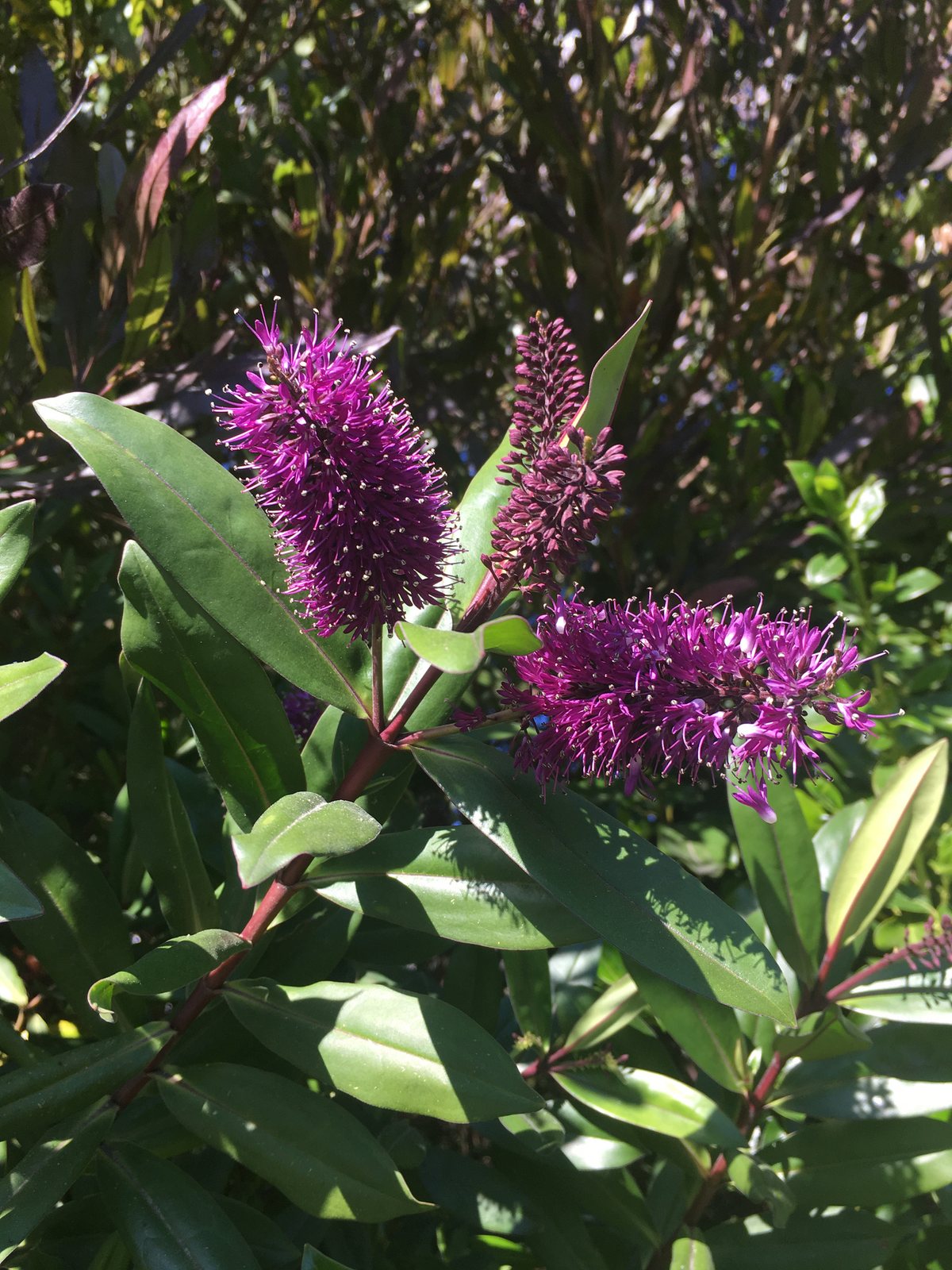
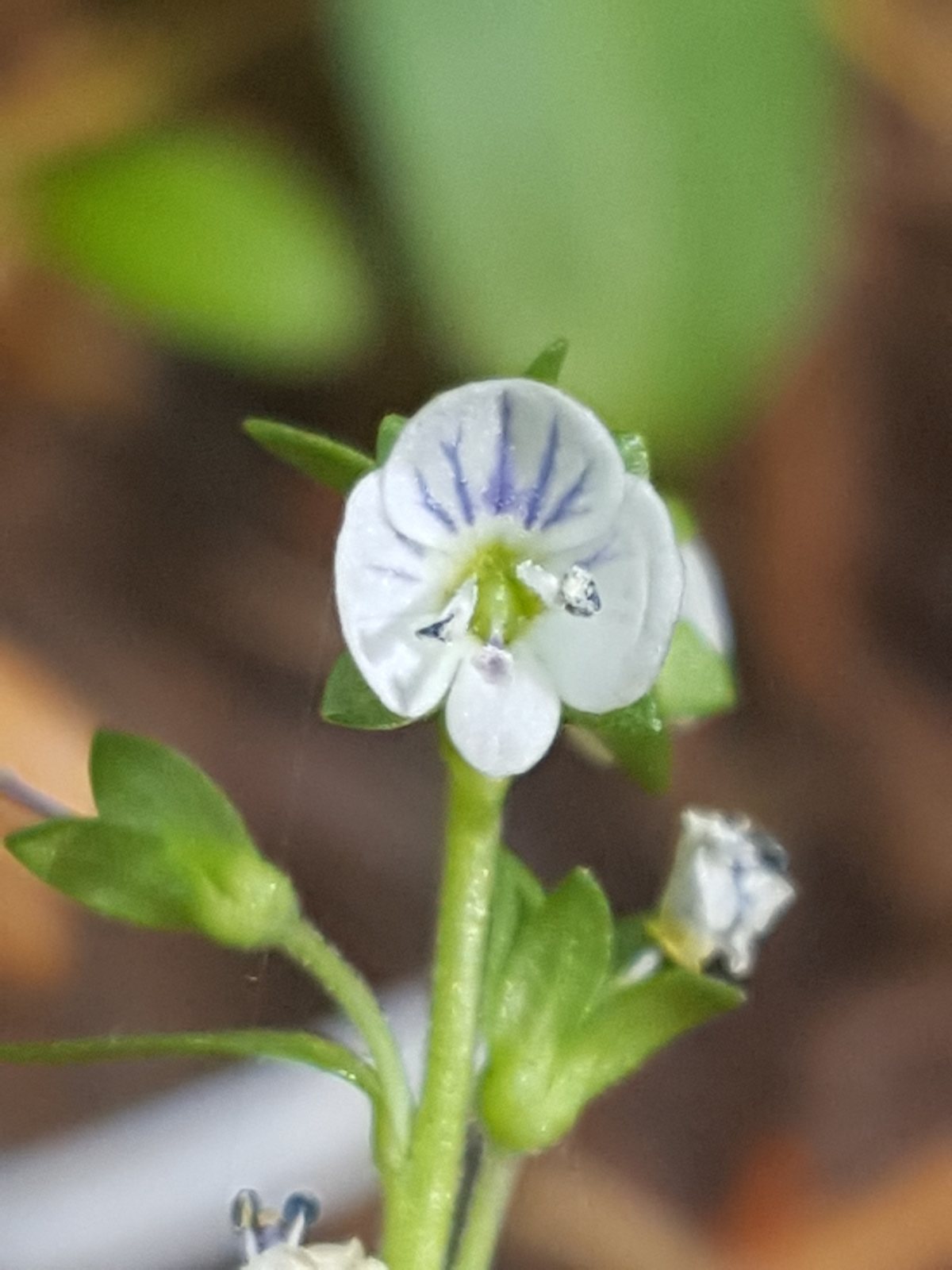
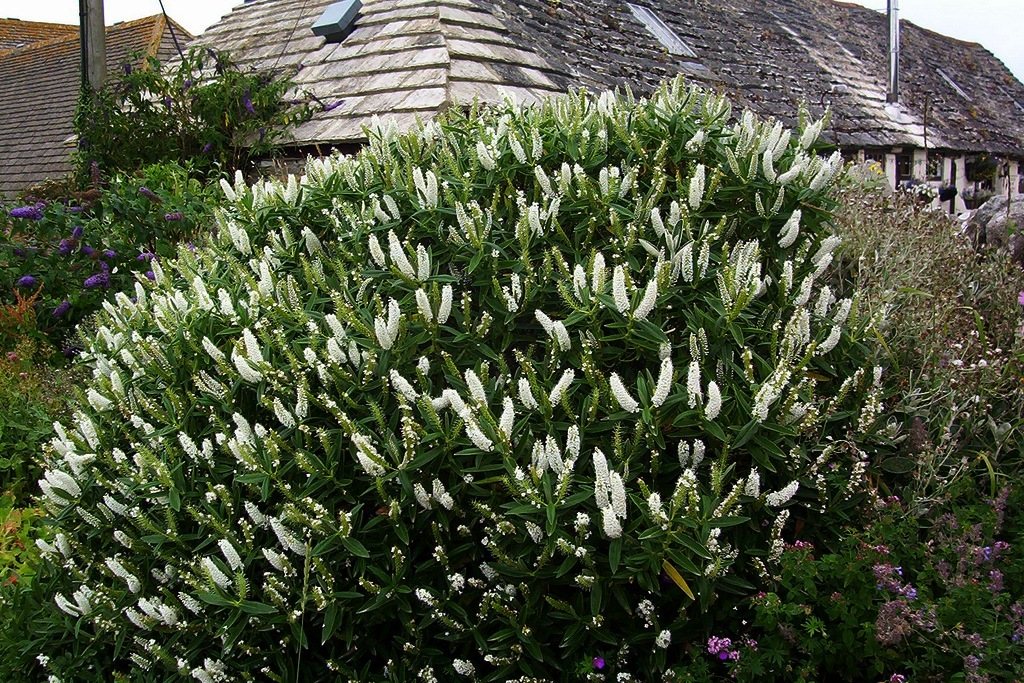
At a glance
- Sun
- Full sun to partial shade; afternoon shade helps in hot summers.
- Water
- Moderate; keep evenly moist while establishing, then water during prolonged dry spells. Avoid persistently wet soil.
- Soil
- Well-drained soil with moderate fertility; tolerates chalk, loam and sandy soil, but struggles in waterlogged clay.
- Height
- 0.25-0.5 ft (0.08-0.15 m)
- Spread
- 1-2 ft (0.3-0.6 m)
- Flowers
- Spring to early summer, with occasional later flowers; pale lavender-blue with darker veins and a small white centre.
- Foliage
- Evergreen. Small, opposite, oval green leaves on creeping stems; often bronze-purple in cool weather.
- Growth
- Moderate; creeping stems gradually form a broad mat.
- Care needed
- Low
The year at a glance
- Pollinators
- Cold hardy
- Low allergen
| J | F | M | A | M | J | J | A | S | O | N | D | |
|---|---|---|---|---|---|---|---|---|---|---|---|---|
| Flowers | ||||||||||||
| Plant |
Northern hemisphere months. In Australia, shift them by six.
- Difficulty
- Easy
- Toughness
- Fairly tough
Will it suit your garden?
Pick your zone, country, light and whether you have pets.
Full sun is 6 or more hours of direct sun a day, part shade 3 to 6 hours, shade under 3.
How it grows
Planting day
0.1 ft (0.03 m)
After 1 year
0.2 ft (0.06 m)
After 2 years
0.3 ft (0.1 m)
After 3 years
0.4 ft (0.12 m)
full size
About 3 years to full size.
From a typical nursery size, at an average rate for this kind of plant. A rule of thumb, not a forecast.
Good to know
- Cats and dogs
- Safe
- Growth rate
- Moderate
Care
Jobs through the year
- WaterApr–May, Sep–Oct, every 14 days
- Water established mats only if soil is dry; water new plants more often.
- WaterJun–Aug, every 7 days
- Water during prolonged dry spells, letting the surface dry between soakings.
- PruneMar–Apr
- Snip out winter-damaged stems and trim growth beyond the allotted edge.
- PruneJun
- Lightly trim after the main flowering flush, retaining healthy leafy growth.
- DivideApr, Sep
- Divide crowded or thinning mats and water divisions until rooted.
- ProtectJan–Feb, Oct–Dec
- Clear fallen leaves and keep drainage open to prevent winter rot.
- Water regularly during the first growing season, allowing the surface soil to dry slightly between waterings.
- Improve drainage before planting in heavy soil; do not leave the roots sitting wet through winter.
- Apply a thin layer of compost in spring on poor soil; routine feeding is usually unnecessary.
- Keep thick mulch off the creeping stems and crown.
- Divide crowded or thinning mats in spring or early autumn.
Pruning. Lightly trim after the main flowering flush to remove spent flowers and keep the mat compact. In spring, snip out winter-damaged stems and cut back growth that has crossed its allotted edge.
Through the year
- Spring
- Remove winter-damaged growth and divide established mats if needed.
- Spring
- Plant into well-drained soil and water thoroughly while new roots establish.
- Early summer
- Lightly trim after the main flowers fade, keeping cuts above healthy leafy growth.
- Summer
- Water during prolonged dry weather and check that neighbouring plants are not shading out the mat.
- Early autumn
- Root or transplant small divisions while the soil is still warm and moist.
- Winter
- Keep fallen leaves from smothering the foliage and check for standing water.
In the garden
- Edge a sunny or lightly shaded path with a low carpet of blue spring flowers.
- Plant between rocks or beside paving where its stems can soften hard edges without regular foot traffic.
- Use beneath spring bulbs to cover bare soil after the bulbs flower.
- Combine with dwarf pinks, creeping phlox and small sedums in a well-drained rock garden.
Garden styles it suits: Cottage garden, English country, Alpine rock garden, Blues and silvers, Small-space and Low-maintenance.
Plant it with: Dwarf daffodils, Crocuses, Creeping phlox, Dwarf pinks, Candytuft and Stonecrop.
Wildlife: The open flowers provide nectar and pollen for small bees and other visiting insects.
Problems to watch for
- Root and crown rot in wet soil: improve drainage or move the plant to a raised position; remove badly rotted sections.
- Powdery mildew in crowded, stressed growth: thin surrounding plants, water during drought and remove badly affected foliage.
- Slugs and snails on tender growth: check at dusk, remove by hand and use wildlife-conscious controls if damage persists.
- Patchy or thinning mats in deep shade: move divisions to a brighter position and remove competition from taller plants.
Safety
Not known to be toxic to people, cats, dogs or horses. No poisonous parts are recognised, although cultivar-specific safety information is limited; it is an ornamental plant, not a food plant.
Easily confused with
Speedwell 'Georgia Blue' (Veronica umbrosa 'Georgia Blue')
Has a similar creeping habit and bronze winter foliage, but its flowers are generally a much deeper, richer blue.
Thyme-leaved speedwell (Veronica serpyllifolia)
Usually has much smaller, whitish to pale blue flowers spaced along upright flowering stems rather than the more conspicuous flower display of 'Waterperry Blue'.
The name
The common name speedwell comes from an old expression wishing someone a safe and successful journey.
Propagation. Divide rooted sections in spring or early autumn, or take softwood cuttings in late spring or early summer. Use vegetative propagation to retain the cultivar's characteristics.
Checked against open data
- Accepted botanical name
- Veronica
Sources: GBIF (CC BY 4.0). The care and design notes are LandscapeGPT's own.
See it in your own yard.
Upload a photo of your yard and see it redesigned with plants that suit your climate, each checked against your zone.