Stargazer lily
Lilium 'Stargazer'. Family Liliaceae. Bulb.
Also called Stargazer Oriental lily.
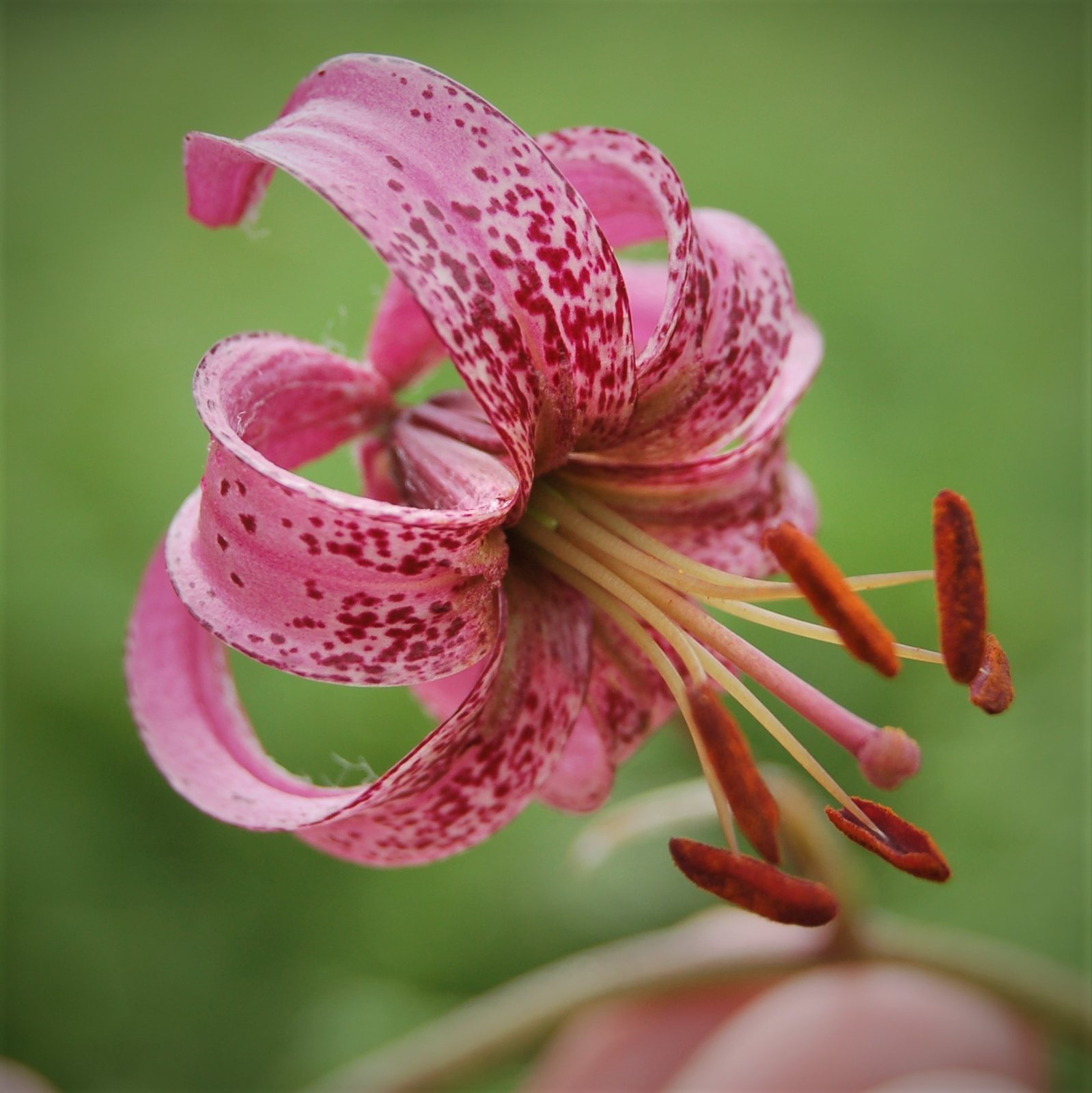
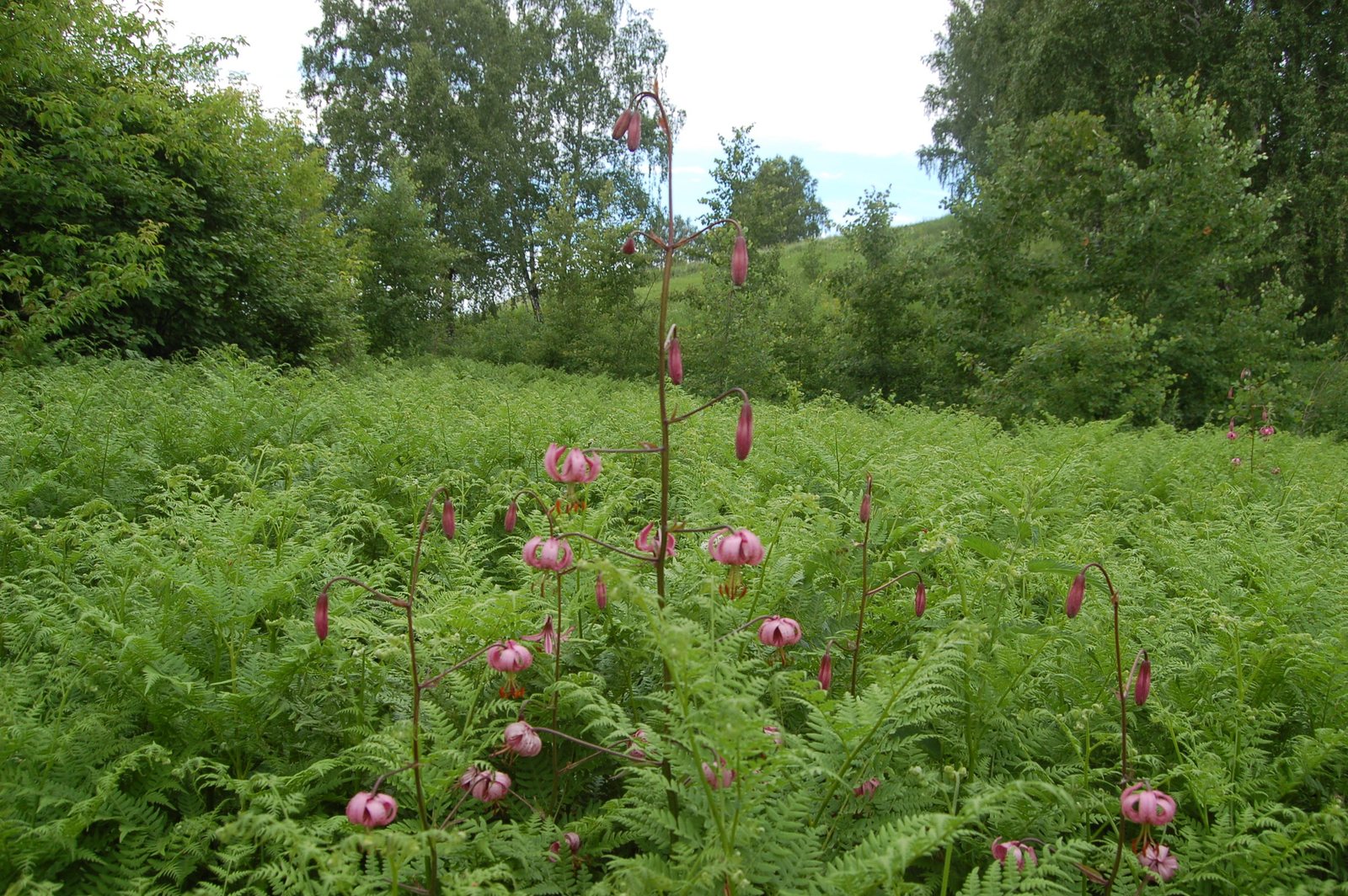
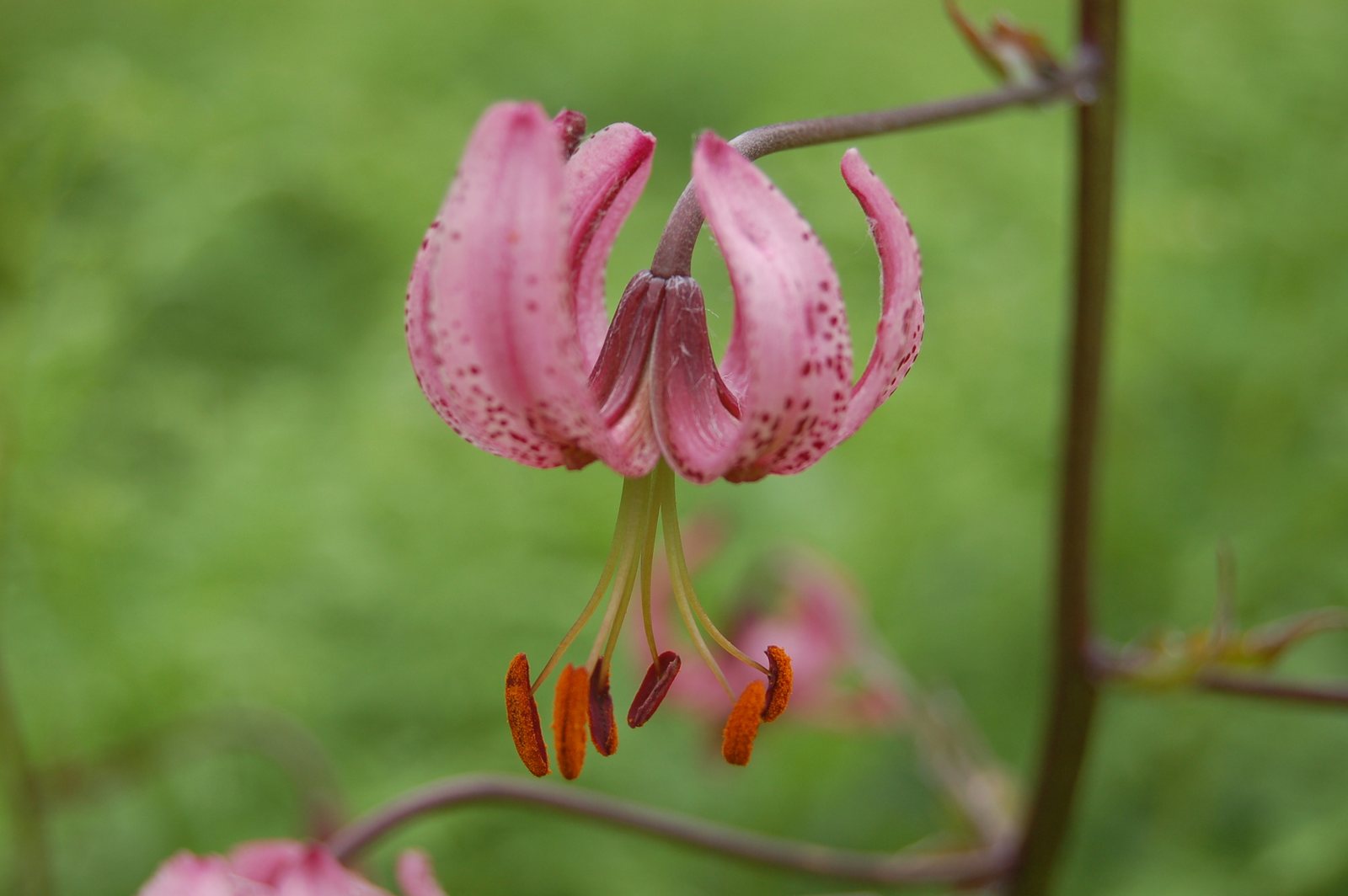
Stargazer is an Oriental hybrid lily grown for its large, upward-facing pink flowers with white edges, dark spots and a strong fragrance. It flowers in summer on upright leafy stems, making a striking addition to borders and containers, but every part is extremely dangerous to cats.
At a glance
- Sun
- Full sun to partial shade; give it morning sun and some afternoon shade in hot climates.
- Water
- Keep the soil evenly moist during active growth, without leaving it waterlogged. Water containers whenever the surface begins to dry.
- Soil
- Fertile, humus-rich, well-drained soil, preferably slightly acidic to neutral. Avoid wet winter ground.
- Height
- 2-4 ft (0.6-1.2 m)
- Spread
- 1-1.5 ft (0.3-0.45 m)
- Flowers
- Mid- to late summer; deep pink to crimson-pink flowers with white margins, darker spots and prominent orange-brown anthers.
- Foliage
- Narrow, glossy, dark green leaves arranged along upright stems; foliage dies back after flowering.
- Growth
- Moderate; reaches flowering height each growing season and gradually forms a larger clump.
- Care needed
- Medium
The year at a glance
- Pollinators
- Cold hardy
- Low allergen
- Fragrant
| J | F | M | A | M | J | J | A | S | O | N | D | |
|---|---|---|---|---|---|---|---|---|---|---|---|---|
| Flowers | ||||||||||||
| Plant |
Northern hemisphere months. In Australia, shift them by six.
- Difficulty
- Moderate
- Toughness
- Fairly tough
Will it suit your garden?
Pick your zone, country, light and whether you have pets.
Full sun is 6 or more hours of direct sun a day, part shade 3 to 6 hours, shade under 3.
How it grows
Planting day
0.5 ft (0.15 m)
After 1 year
3 ft (0.9 m)
full size
About 1 years to full size.
From a typical nursery size, at an average rate for this kind of plant. A rule of thumb, not a forecast.
Good to know
- Cats and dogs
- Toxic
- Growth rate
- Moderate
Care
Jobs through the year
- WaterApr–May, Sep, every 14 days
- Water established plants during dry spells while leaves are green; new plantings need closer checks.
- WaterJun–Aug, every 7 days
- Water deeply if rain is insufficient, maintaining even moisture without waterlogging.
- FeedMar–Apr
- Apply balanced bulb fertiliser as shoots emerge, following the label rate.
- MulchApr
- Apply compost or leaf mould around plants, keeping emerging stems clear.
- ProtectApr–Aug, every 7 days
- Inspect for lily beetles, eggs, larvae and slugs; remove pests promptly.
- ProtectJun
- Install discreet stakes before flowering where wind or heavy flowers may bend stems.
- DeadheadJul–Aug
- Remove faded flowers before pods form, leaving stems and leaves intact.
- PruneOct–Nov
- Cut stems near ground level only after they turn yellow or brown.
- DivideOct–Nov
- Lift and divide crowded clumps after foliage dies, usually every three or four years.
- ProtectNov
- Keep dormant bulbs freely drained and shelter pots from prolonged freezing.
- Plant bulbs about 6-8 in (15-20 cm) deep and 8-12 in (20-30 cm) apart in autumn or early spring.
- Water deeply during dry spells while shoots and leaves are growing; keep pots freely draining.
- Apply a balanced bulb fertiliser as shoots emerge, following the label rate.
- Mulch with compost or leaf mould to conserve moisture, keeping the mulch clear of emerging stems.
- Support stems before flowering if the site is windy or flowers are making them lean.
- Lift and divide crowded clumps after the foliage dies back, usually every three to four years.
Pruning. Remove faded flowers before seed pods develop, leaving the stem and leaves intact. Cut stems down near ground level only after they have turned yellow or brown.
Through the year
- Early spring
- Plant bulbs if not planted in autumn; check that containers and beds drain freely.
- Spring
- Feed emerging shoots, renew mulch and begin checking for lily beetles where they occur.
- Early summer
- Install discreet supports and water during dry weather.
- Mid- to late summer
- Remove faded flowers and continue watering while leaves remain green.
- Autumn
- Cut back dead stems; plant new bulbs or divide crowded clumps.
- Winter
- Keep dormant bulbs out of waterlogged soil; protect containers from prolonged freezing in cold regions.
In the garden
- Plant in small groups through the middle of a mixed border for concentrated summer colour.
- Combine with hardy geraniums or catmint to soften the stems and shade the soil.
- Grow in deep, well-drained containers where the flowers can be seen closely.
- Use in a cutting border, leaving plenty of foliage on each plant when harvesting stems.
Garden styles it suits: Cottage garden, Romantic rose garden, English country, Traditional, Sensory garden and Small-space.
Plant it with: Hardy geraniums, Catmint, Lady's mantle, Salvia and Daylilies.
Wildlife: Flowers may attract butterflies and other insects, but this cultivated hybrid is not a substitute for locally native wildlife plants. Protect young shoots from browsing deer where necessary.
Problems to watch for
- Scarlet lily beetles, where established in the UK, parts of Canada and the United States: inspect leaves regularly and remove adults, eggs and larvae by hand.
- Slugs and snails damage emerging shoots: check at dusk, remove hiding places and use a locally approved iron-phosphate bait if needed.
- Botrytis blight causes brown leaf spots and premature dieback in damp weather: improve airflow, water at soil level and remove infected debris.
- Bulb rot and failure to reappear usually follow poor drainage: improve drainage or move bulbs to a raised bed or freely draining container.
Safety
Extremely toxic to cats: leaves, stems, flowers, bulbs, pollen and vase water can cause fatal kidney failure. Even a small exposure needs immediate veterinary treatment. Not known to be toxic to dogs, horses or people, although eating plant material may cause stomach upset; do not treat it as an edible plant.
Easily confused with
Asiatic lily (Lilium Asiatic Group)
Usually flowers earlier, with smaller flowers and little or no fragrance. Stargazer has large, strongly fragrant, pink-and-white spotted flowers.
Daylily (Hemerocallis)
Has a clump of strap-shaped basal leaves and separate flower stalks; each flower usually lasts one day. Stargazer has leaves along its flowering stem and grows from a true bulb.
The name
The cultivar name 'Stargazer' refers to its upward-facing flowers, which appear to look towards the sky.
Propagation. Separate offsets from dormant bulbs in autumn and replant promptly. Bulb scales can also produce new plants, but may take several years to reach flowering size. Seed does not reliably reproduce the cultivar.
Checked against open data
- Accepted botanical name
- Lilium
Sources: GBIF (CC BY 4.0). The care and design notes are LandscapeGPT's own.
See it in your own yard.
Upload a photo of your yard and see it redesigned with plants that suit your climate, each checked against your zone.