Stella de Oro daylily
Hemerocallis 'Stella de Oro'. Family Asphodelaceae. Perennial.
Also called Hemerocallis 'Stella de Oro'.
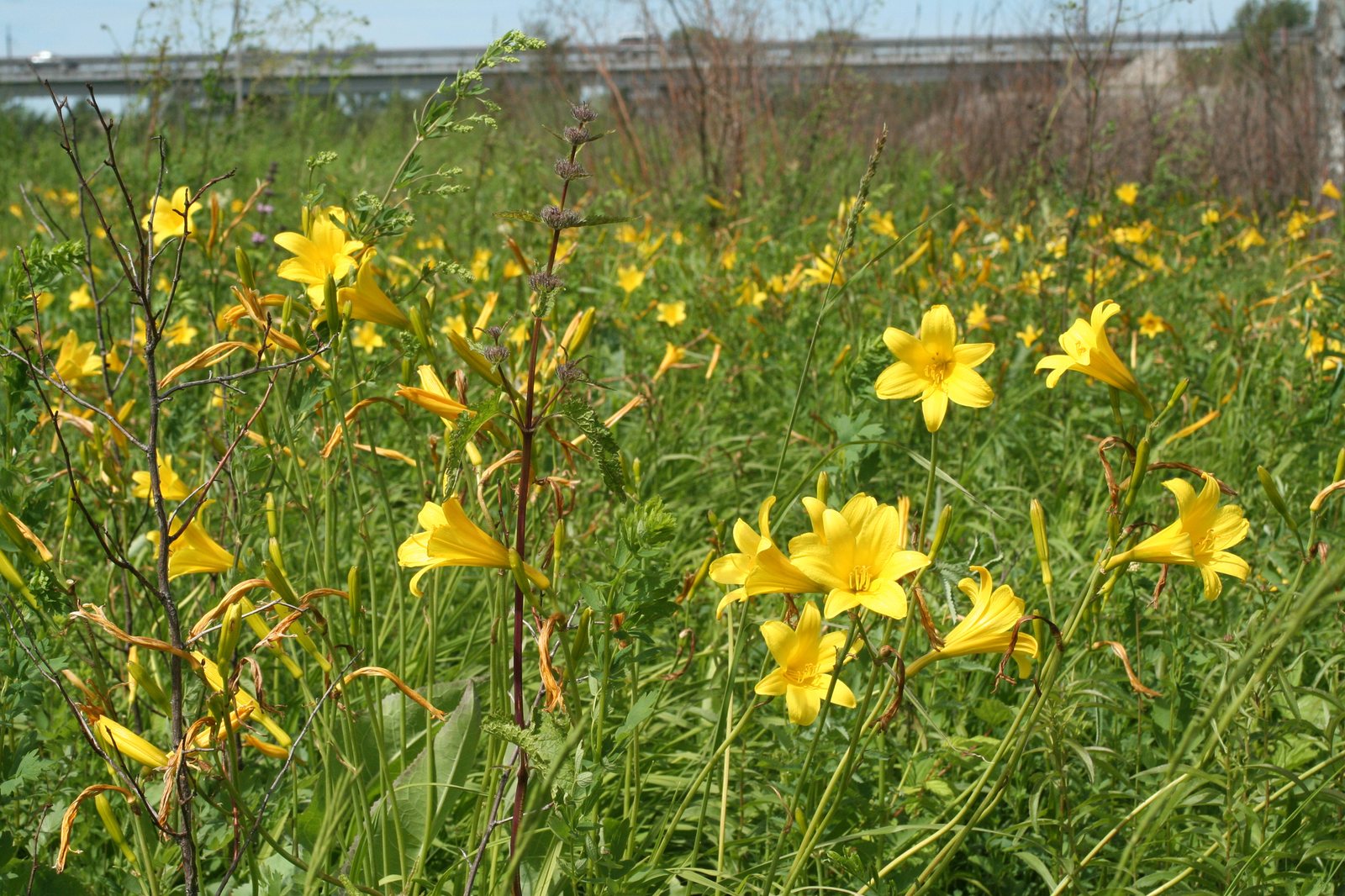
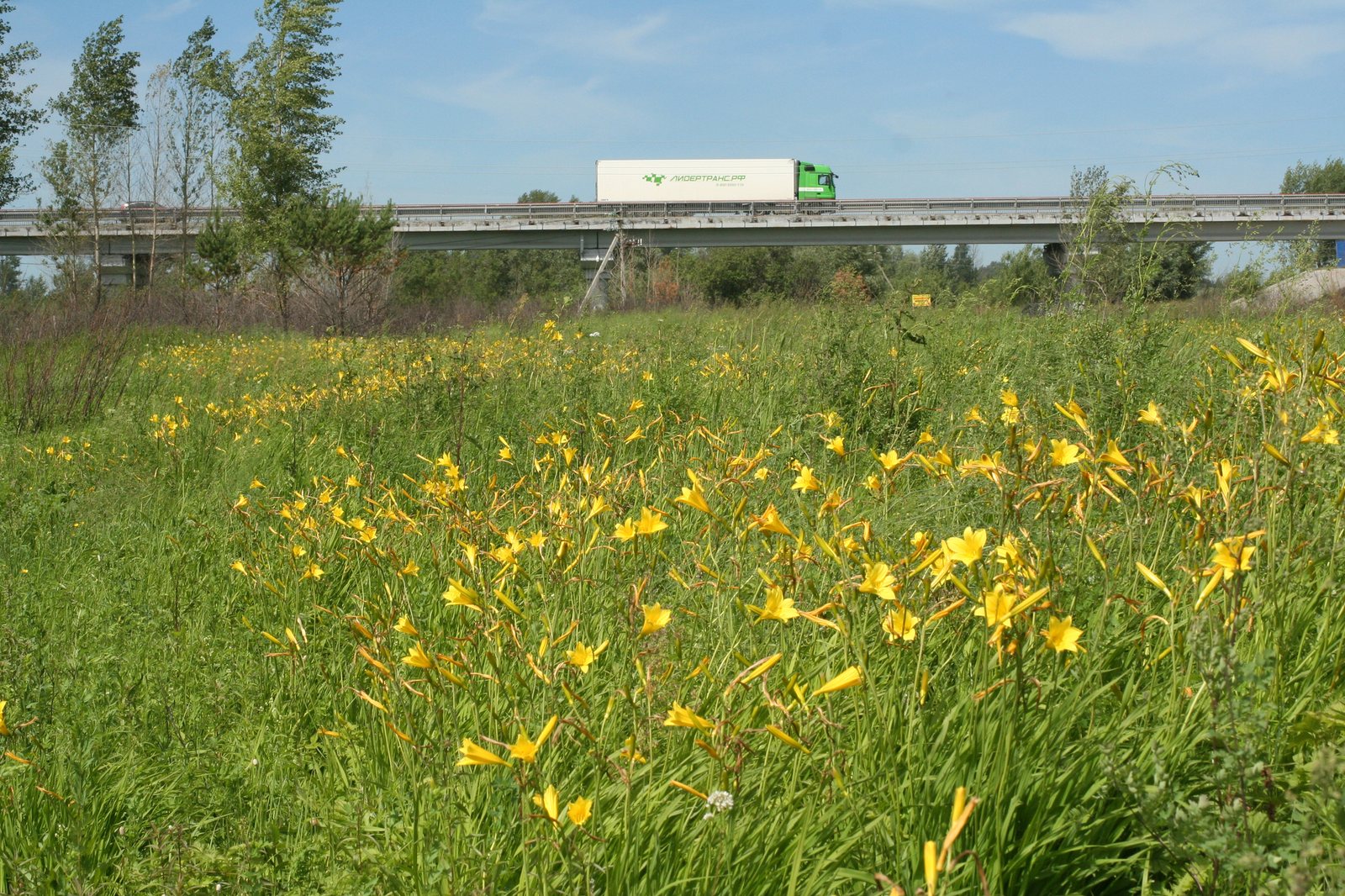
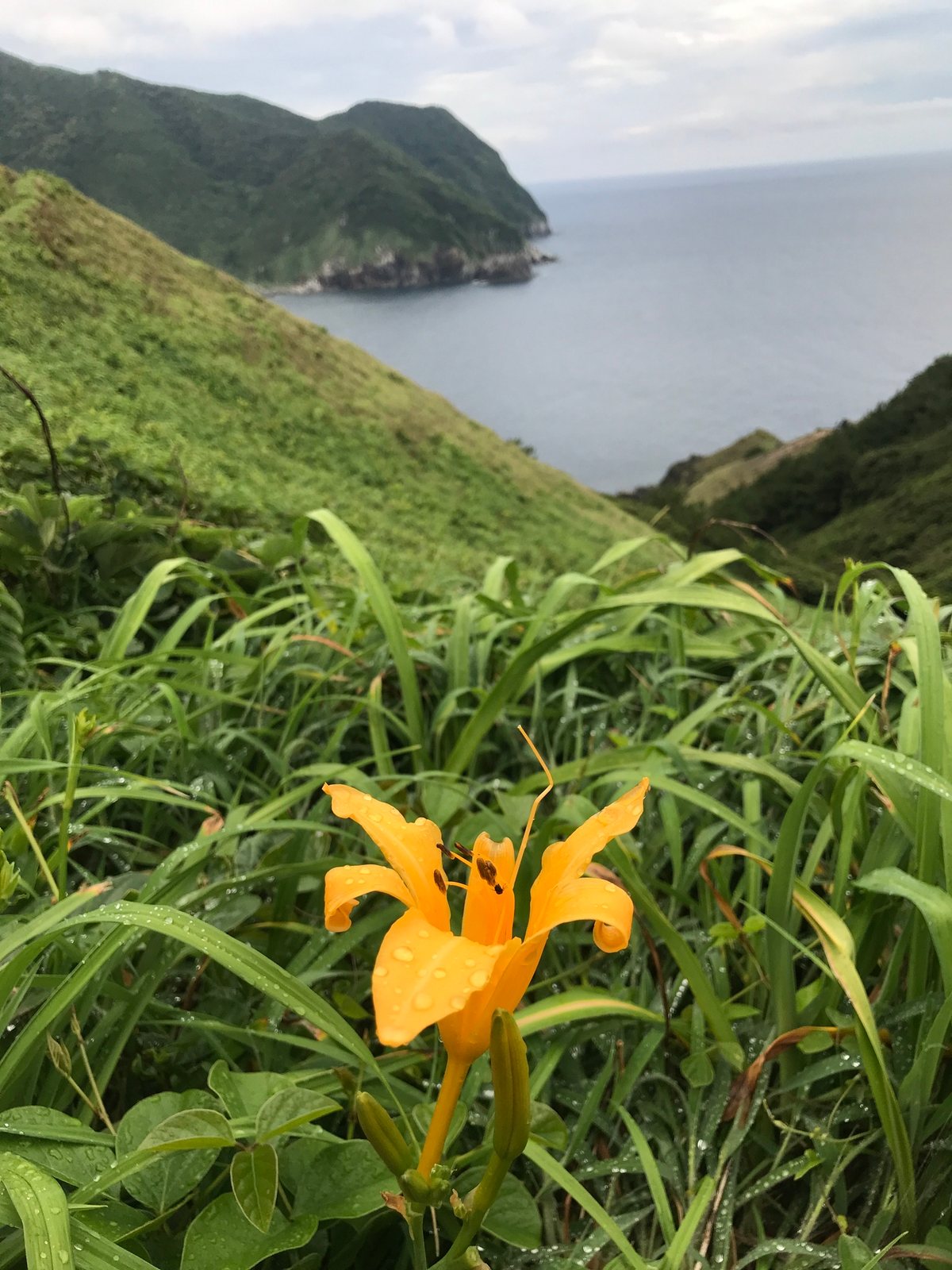
A compact, clump-forming perennial with arching grassy leaves and golden-yellow trumpet flowers. Gardeners grow it for edging and mass planting, where its early flowering and repeat flushes provide colour over a long season; each flower lasts just one day.
At a glance
- Sun
- Full sun to partial shade; at least six hours of direct sun gives the best flowering.
- Water
- Water regularly during establishment. Established clumps tolerate short dry spells, but flower better with deep watering during dry weather.
- Soil
- Adaptable to clay, loam or sandy soil, provided it drains freely; best in moderately fertile soil that retains some moisture.
- Height
- 1-1.5 ft (0.3-0.45 m), including flower stems
- Spread
- 1-2 ft (0.3-0.6 m)
- Flowers
- Golden-yellow flowers from late spring or early summer, with repeat flushes through summer and sometimes into early autumn.
- Foliage
- Narrow, arching green leaves form a dense mound. Usually dies back in winter, though foliage may persist longer in mild climates.
- Growth
- Moderate; forms a substantial clump within a few growing seasons.
- Care needed
- Low
The year at a glance
- Pollinators
- Drought tolerant
- Cold hardy
- Heat tolerant
- Low allergen
| J | F | M | A | M | J | J | A | S | O | N | D | |
|---|---|---|---|---|---|---|---|---|---|---|---|---|
| Flowers | ||||||||||||
| Plant |
Northern hemisphere months. In Australia, shift them by six.
- Difficulty
- Easy
- Toughness
- Very tough
Will it suit your garden?
Pick your zone, country, light and whether you have pets.
Full sun is 6 or more hours of direct sun a day, part shade 3 to 6 hours, shade under 3.
How it grows
Planting day
1 ft (0.3 m)
After 1 year
1.1 ft (0.32 m)
After 2 years
1.1 ft (0.35 m)
After 3 years
1.2 ft (0.38 m)
full size
About 3 years to full size.
From a typical nursery size, at an average rate for this kind of plant. A rule of thumb, not a forecast.
Good to know
- Cats and dogs
- Toxic
- Growth rate
- Moderate
Care
Jobs through the year
- WaterApr–May, Sep, every 14 days
- Water established clumps during dry spells; water new plants more often until established.
- WaterJun–Aug, every 7 days
- Water deeply during dry weather to support buds and repeat flowering.
- FeedMar–Apr
- Apply compost or a light balanced fertilizer dressing; avoid excess nitrogen.
- MulchApr–May
- Refresh moisture-conserving mulch without covering the crown.
- DivideMar–Apr, Sep
- Divide every three to five years if crowded or flowering declines.
- DeadheadMay–Sep
- Remove spent flowers and cut finished flower stems to the base.
- ProtectMar–May, every 7 days
- Check emerging leaves for slugs and snails and control damage as needed.
- PruneNov
- Remove dead foliage and diseased leaves, leaving any healthy green foliage intact.
- Plant with the crown about 1 in (2.5 cm) below the soil surface, allowing room for the clump to widen.
- Water deeply during prolonged dry spells, especially while buds are forming.
- Apply compost or a light dressing of balanced fertiliser in spring; avoid heavy nitrogen feeding.
- Mulch around the clump to conserve moisture, keeping mulch clear of the crown.
- Divide crowded clumps every three to five years, or when flowering declines.
Pruning. Remove spent flowers and cut finished flower stems down to the base to prevent seed formation. Remove dead leaves in late autumn or late winter, but leave healthy green foliage in place.
Through the year
- Early spring
- Clear away dead foliage and apply compost or a light dressing of balanced fertiliser.
- Spring
- Plant or divide clumps as growth begins; water well after planting.
- Late spring
- Refresh mulch and check developing foliage for slugs and snails.
- Summer
- Remove spent flowers and finished stems; water deeply during dry spells to support repeat flowering.
- Early autumn
- Divide crowded clumps where there is enough mild weather for roots to establish before winter.
- Late autumn
- Remove foliage once it has died back and clear diseased leaves from around the crown.
In the garden
- Repeat along sunny paths or at the front of borders for a low, consistent edging.
- Plant in broad groups on banks for summer colour and dense seasonal ground cover.
- Combine with catmint or perennial salvia for contrasting yellow and violet flowers.
- Use beside fine-textured ornamental grasses to contrast broad, arching leaves with upright stems.
Garden styles it suits: Traditional, Cottage garden, Low-maintenance, New perennial (prairie), Family-friendly and Small-space.
Plant it with: Catmint, Perennial salvia, Purple coneflower, Hardy geranium, Switchgrass and Yarrow.
Wildlife: Flowers are visited by bees and butterflies, though this cultivar is not a major wildlife resource. Deer may eat buds and flowers.
Problems to watch for
- Few flowers: move to a sunnier position, divide congested clumps and avoid excessive nitrogen feeding.
- Slugs and snails: protect emerging leaves by hand-picking pests and, where needed, using locally approved iron-phosphate bait.
- Daylily rust: orange powdery pustules develop on leaves, especially in warm, humid regions; remove affected foliage, improve air circulation and avoid moving infected plants.
- Leaf streak: yellow streaks and brown patches mark foliage; remove affected leaves, clear dead foliage and water at soil level.
Safety
Extremely toxic to cats: all parts, including flowers, leaves and pollen, can cause fatal kidney failure; water from a vase containing daylilies is also dangerous. Suspected exposure needs immediate veterinary treatment. Not known to be toxic to dogs or horses. In people, eating raw parts, particularly roots or young shoots, may cause digestive upset; do not treat ornamental daylilies as food.
Easily confused with
Lemon daylily (Hemerocallis lilioasphodelus)
Usually taller, with paler lemon-yellow, fragrant flowers and a shorter main flowering season rather than repeated summer flushes.
Yellow flag iris (Iris pseudacorus)
Has stiff, upright sword-shaped leaves and iris flowers with three drooping outer segments, rather than open trumpets. Usually grows much taller and favours wet ground.
Asiatic lily (Lilium Asiatic hybrids)
Produces upright stems with leaves along their length and flowers that last several days; daylily leaves arise from the base and its flower stems are leafless.
The name
Hemerocallis comes from Greek words meaning 'day' and 'beauty', referring to each flower's one-day lifespan.
Propagation. Divide clumps in spring or early autumn, retaining healthy roots and several growing shoots on each division. Seed-grown plants will not reliably retain the cultivar's characteristics.
Checked against open data
- Accepted botanical name
- Hemerocallis
Sources: GBIF (CC BY 4.0). The care and design notes are LandscapeGPT's own.
See it in your own yard.
Upload a photo of your yard and see it redesigned with plants that suit your climate, each checked against your zone.