Stevia
Stevia rebaudiana. Family Asteraceae. Perennial.
Also called Sweetleaf, Sugarleaf, Sweet herb of Paraguay.
Stevia is a frost-tender perennial herb grown for its intensely sweet leaves, which can be used fresh or dried to sweeten drinks and food. It is grown as an annual in colder climates, or kept in a pot and overwintered indoors.
At a glance
- Sun
- Full sun; light afternoon shade helps in very hot climates.
- Water
- Keep evenly moist but not waterlogged; water when the soil surface starts to dry.
- Soil
- Well-drained, moderately fertile soil, preferably slightly acidic to neutral. Use a free-draining potting mix in containers.
- Height
- 1-3 ft (0.3-0.9 m)
- Spread
- 1-2 ft (0.3-0.6 m)
- Flowers
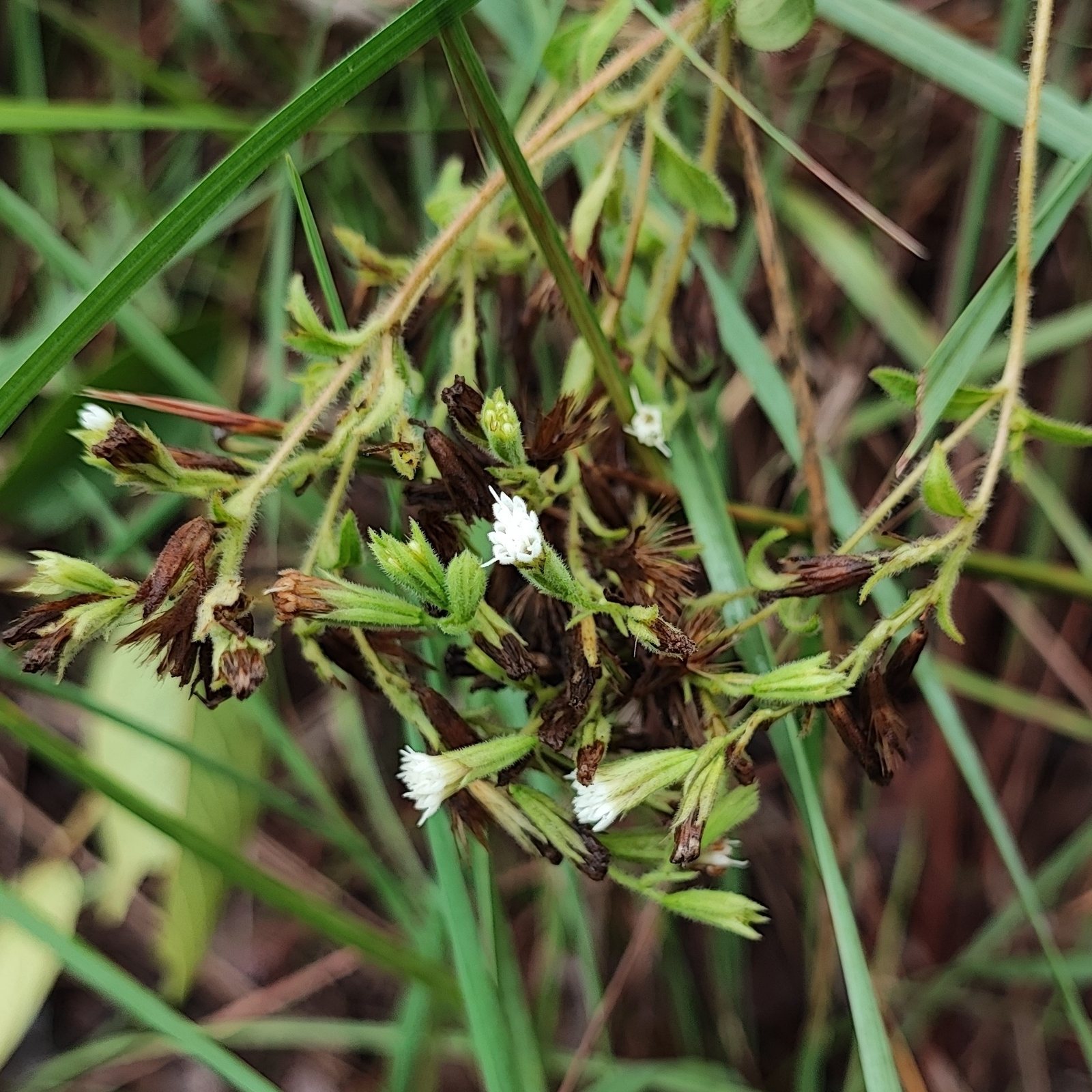
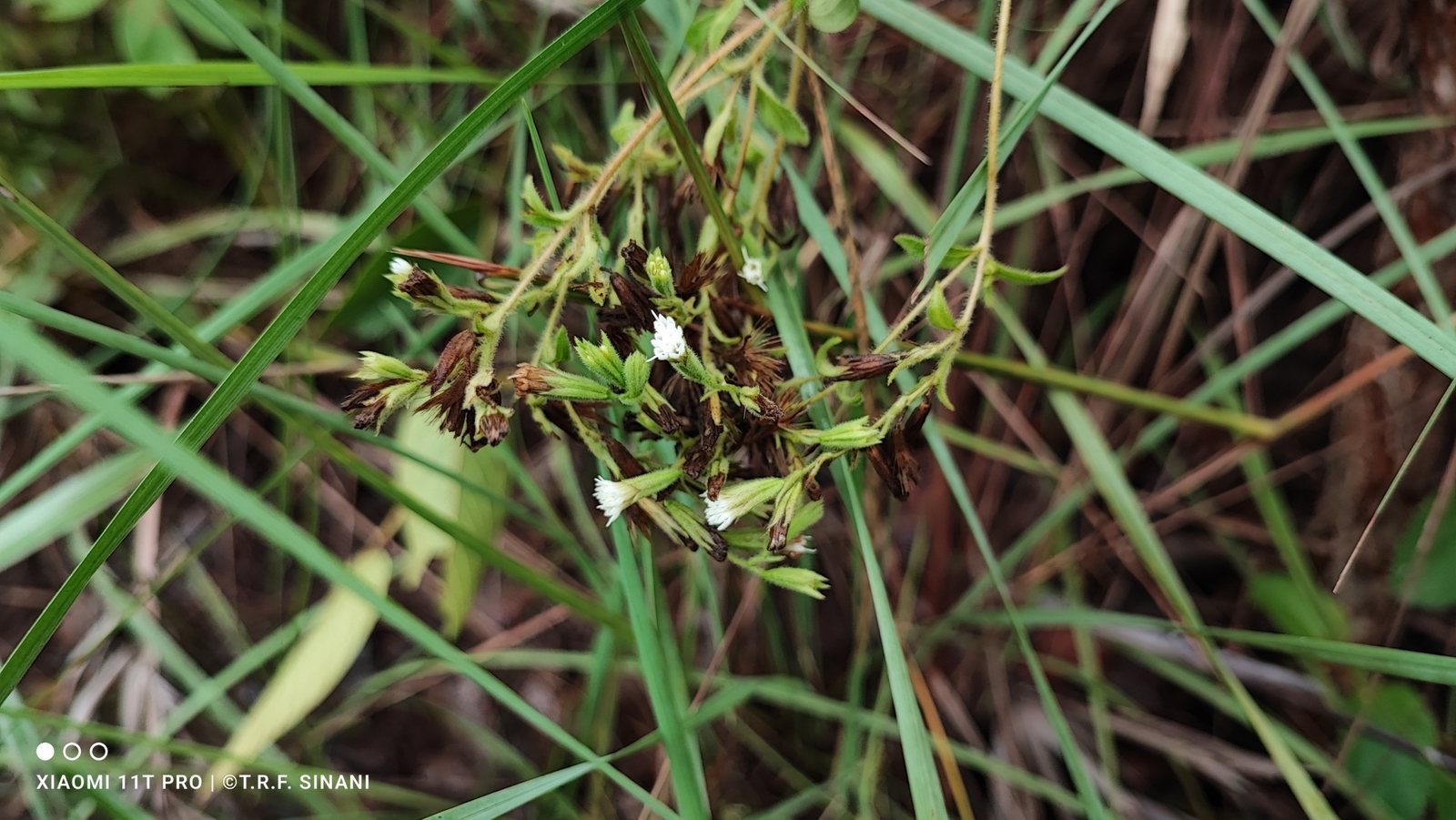
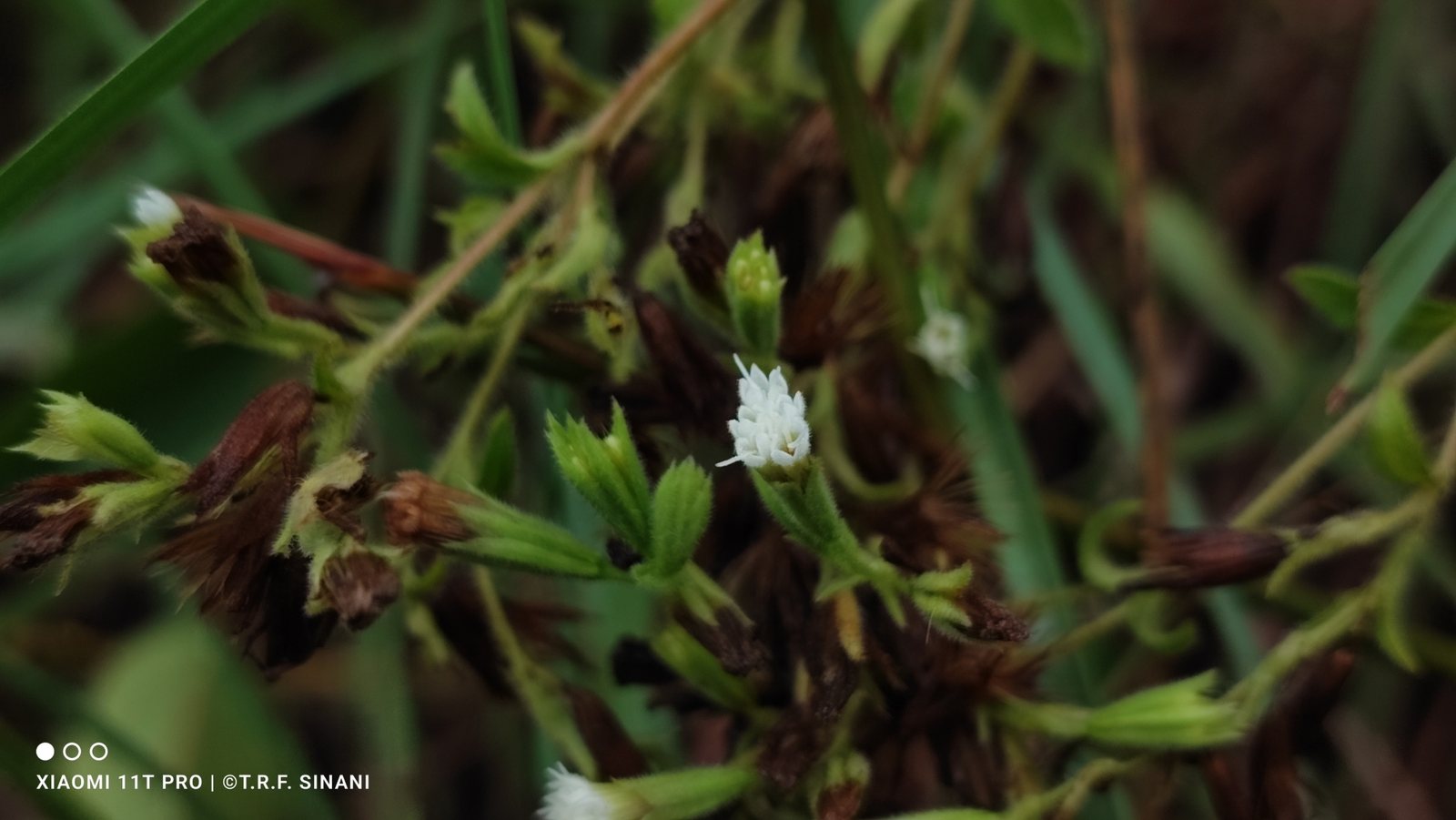
- Small white flowers in loose clusters, usually in late summer and autumn as days shorten.
- Foliage
- Opposite pairs of green, narrowly oval leaves with toothed margins; leaves are intensely sweet and may have a lingering liquorice-like aftertaste.
- Growth
- Moderate to fast in warm weather.
- Care needed
- Medium
The year at a glance
- Pollinators
- Heat tolerant
- Low allergen
- Edible
| J | F | M | A | M | J | J | A | S | O | N | D | |
|---|---|---|---|---|---|---|---|---|---|---|---|---|
| Flowers | ||||||||||||
| Fruit | ||||||||||||
| Plant |
Northern hemisphere months. In Australia, shift them by six.
- Difficulty
- Moderate
- Toughness
- Needs looking after
Will it suit your garden?
Pick your zone, country, light and whether you have pets.
Full sun is 6 or more hours of direct sun a day, part shade 3 to 6 hours, shade under 3.
How it grows
Planting day
1 ft (0.3 m)
After 1 year
1.4 ft (0.42 m)
After 2 years
1.8 ft (0.55 m)
After 3 years
2 ft (0.6 m)
full size
About 2 years to full size.
From a typical nursery size, at an average rate for this kind of plant. A rule of thumb, not a forecast.
Good to know
- Cats and dogs
- Safe
- Growth rate
- Fast
Care
Jobs through the year
- WaterMay, Sep, every 7 days
- Water established in-ground plants when the surface starts drying; check young plants more frequently.
- WaterJun–Aug, every 3 days
- Check established plants and water if the surface is drying; do not leave roots waterlogged.
- WaterJan–Apr, Oct–Dec, every 14 days
- For plants overwintered indoors only, check compost and water sparingly to keep it just moist.
- MulchJun
- Apply a light organic mulch, keeping it away from stems.
- PruneJun–Sep, every 21 days
- Pinch tips and shorten leggy shoots above a leaf pair; remove flower buds to favour leaves.
- HarvestJun–Sep, every 7 days
- Pick mature leaves lightly, leaving plenty of foliage; take the main stem harvest just before flowering.
- HarvestOct
- Take any remaining useful leaves before the first frost.
- ProtectSep–Oct
- Before frost, lift and pot plants you wish to keep, moving them into bright, frost-free shelter.
- Plant outdoors after frost danger has passed and nights are consistently warm.
- Water at soil level and let excess water drain freely; do not leave pots standing in water.
- Apply a light mulch, keeping it clear of the stems.
- Feed container plants lightly with a balanced liquid fertiliser during active growth; avoid heavy feeding.
- Bring a potted plant into a bright, frost-free place before cold weather, and water less while growth is slow.
Pruning. Pinch out young shoot tips once plants are established to encourage bushy growth. During summer, shorten long shoots above a leaf pair and remove developing flower buds if leaf production is your priority.
Harvest
Pick healthy, fully expanded leaves once the plant is well established, leaving enough foliage for continued growth. For a larger harvest, cut leafy stems just before flowering, when sweetness is generally strongest, and before any frost. Use fresh or dry in a warm, airy place out of direct sun, then strip and store the leaves airtight.
Through the year
- Early spring
- Sow fresh seed indoors in warmth, pressing it onto the surface; germination can be poor and uneven.
- Late spring
- Harden off young plants and plant outside after frost danger has passed.
- Early summer
- Pinch shoot tips to encourage branching and begin light leaf picking.
- Summer
- Check container moisture frequently and take non-flowering tip cuttings to make replacement plants.
- Late summer
- Harvest leafy stems before flowering for drying.
- Autumn
- Move plants you want to keep into a bright, frost-free position before the first frost.
- Winter
- Keep overwintering plants just moist and check indoor growth for aphids and whitefly.
In the garden
- Grow in a kitchen-door container where leaves are easy to pick.
- Plant in a sunny potager alongside basil and parsley for a mixed culinary harvest.
- Use as a modest green filler among calendulas and other edible-garden flowers.
- Include in a raised herb bed where drainage and access for harvesting are good.
Garden styles it suits: Potager (kitchen garden), Edible landscape, Herb parterre, Cottage garden, Homestead and Small-space.
Plant it with: Basil, Parsley, Chives, Calendula and Lettuce.
Wildlife: The small flowers can attract visiting insects if allowed to develop; harvesting before flowering limits this benefit.
Problems to watch for
- Root and crown rot in wet soil: improve drainage, keep mulch away from the crown and never leave containers standing in water.
- Aphids on soft shoots: wash off small colonies with water; use insecticidal soap labelled for edible plants if needed.
- Whitefly, especially indoors: inspect leaf undersides, isolate affected plants and use an edible-crop-labelled insecticidal soap as directed.
- Wilting and scorched leaves in hot, dry conditions: water thoroughly and provide light afternoon shade where heat is intense.
Safety
The leaves are edible for people in ordinary culinary amounts. Stevia is not known to be toxic to cats, dogs or horses, but reliable species-specific safety information is limited; do not encourage pets or livestock to eat it. Concentrated extracts and mixed sweetener products are not equivalent to the garden plant.
Easily confused with
Aztec sweet herb (Phyla dulcis)
Also sold under the name Lippia dulcis, this has a low, spreading habit, broader leaves and small rounded white flower heads rather than stevia's upright stems and loose flower clusters.
Lemon verbena (Aloysia citrodora)
Has much longer, narrower leaves, commonly arranged in whorls of three, on an increasingly woody shrub; crushed leaves smell strongly of lemon.
The name
Stevia honours the Spanish botanist Pedro Jaime Esteve, while rebaudiana honours the Paraguayan chemist Ovidio Rebaudi, who studied its sweet compounds.
Propagation. Take soft tip cuttings from healthy, non-flowering shoots in spring or summer and root them in moist, free-draining propagation mix. Seed needs warmth and light, often germinates unevenly, and produces plants that vary in sweetness; cuttings preserve the parent plant's qualities.
Checked against open data
- Accepted botanical name
- Stevia rebaudiana
- Native range
- Brazil Southeast, Brazil West-Central and Paraguay.
Sources: GBIF (CC BY 4.0) and Trefle (CC BY 4.0). The care and design notes are LandscapeGPT's own.
See it in your own yard.
Upload a photo of your yard and see it redesigned with plants that suit your climate, each checked against your zone.