Summer Crush hydrangea
Hydrangea macrophylla 'BAILMACFIVE'. Family Hydrangeaceae. Shrub.
Also called Hydrangea macrophylla 'BAILMACFIVE', Endless Summer Summer Crush hydrangea, Summer Crush bigleaf hydrangea.
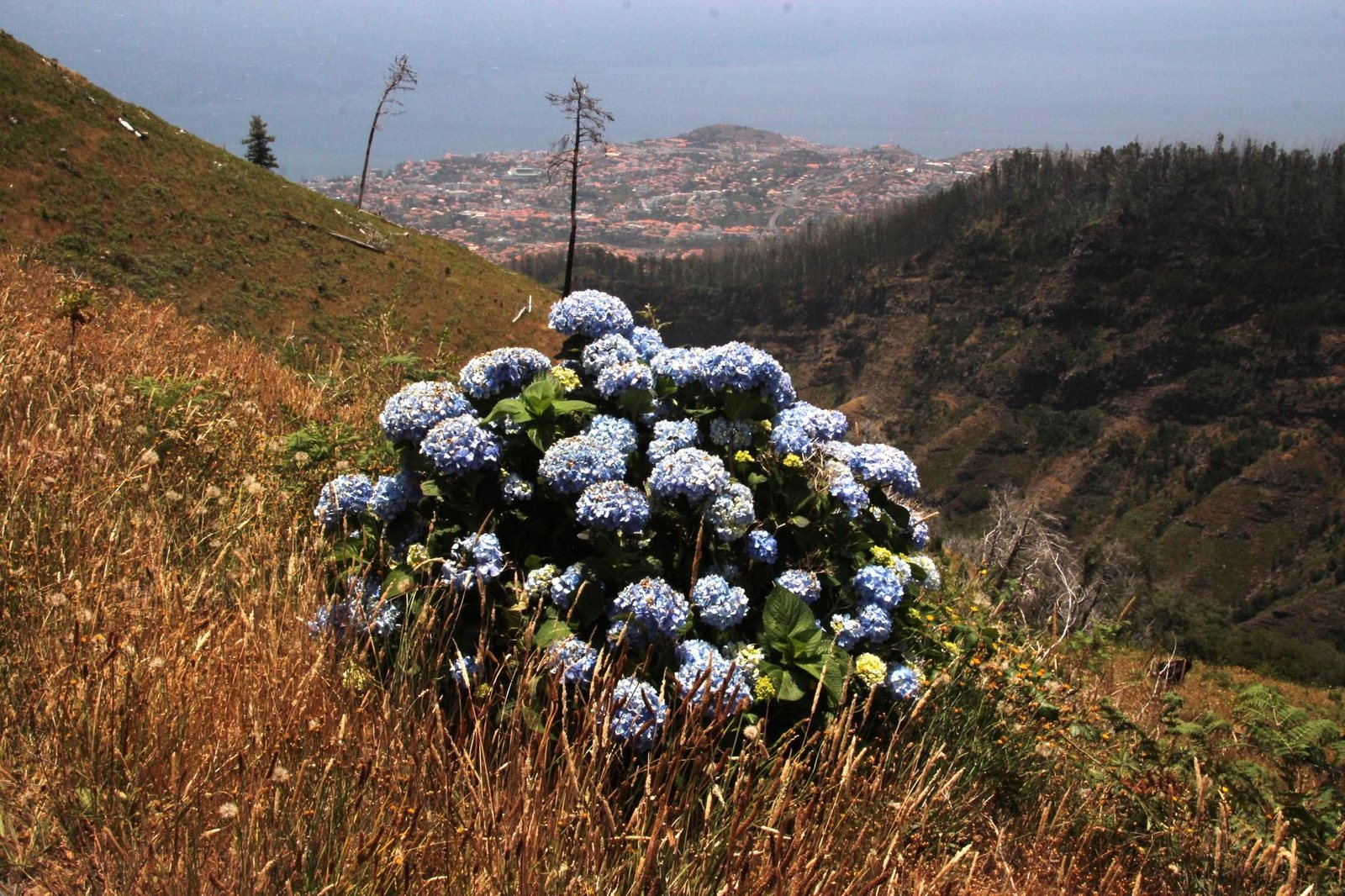
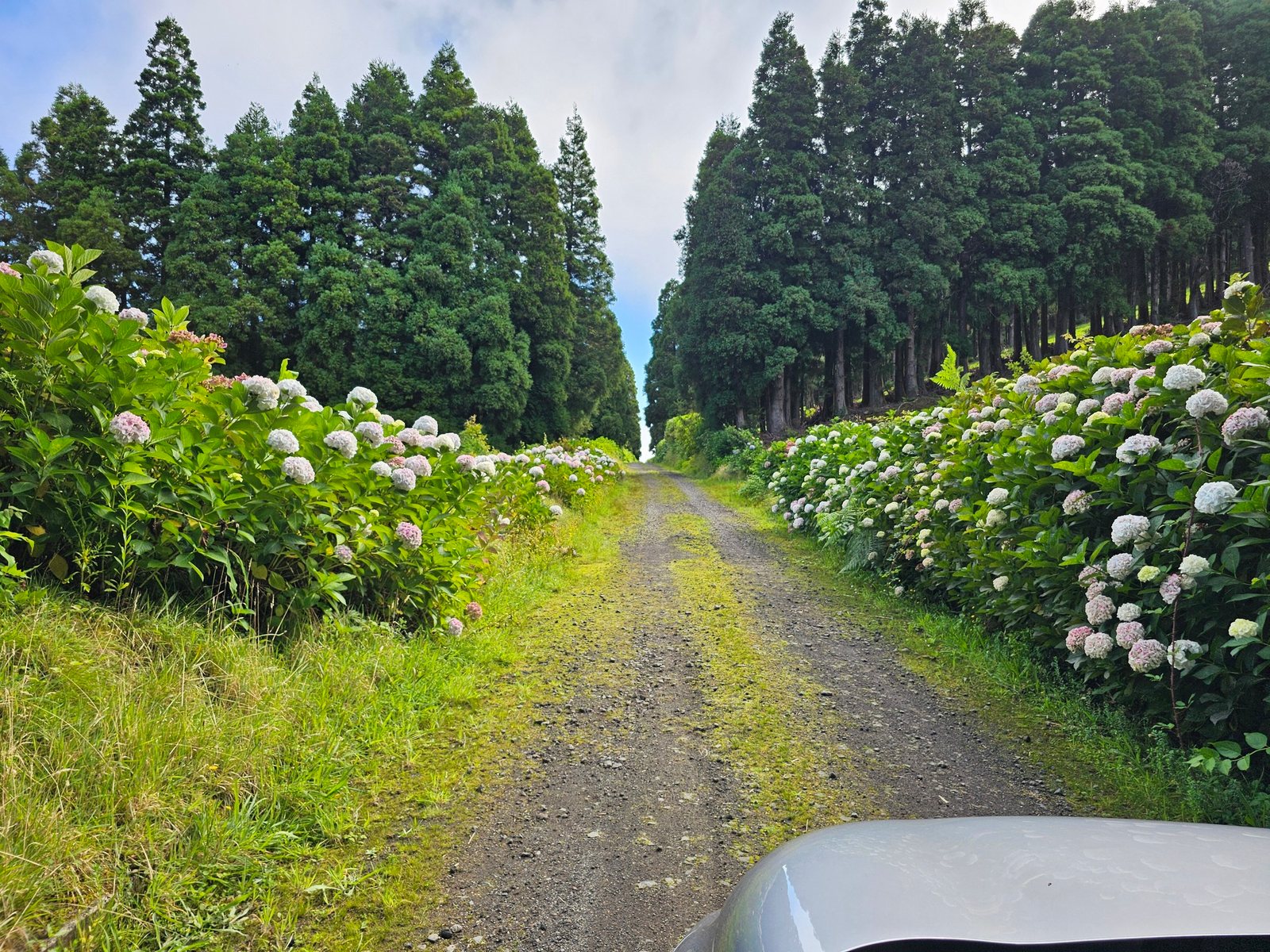
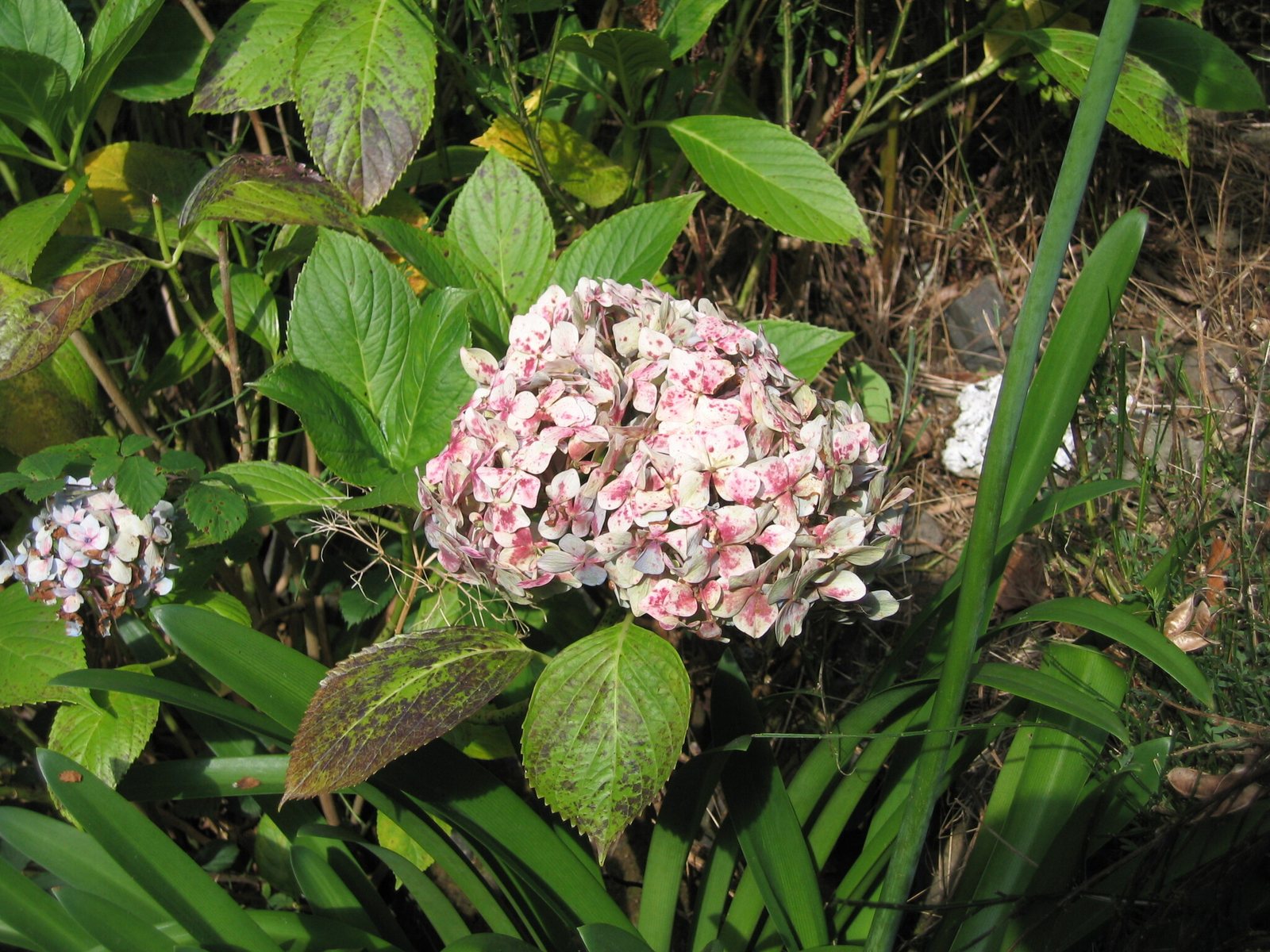
Summer Crush is a compact, deciduous mophead hydrangea grown for rounded clusters of raspberry-pink to violet-purple flowers. It flowers on both established stems and new growth, giving it a longer flowering season than many older bigleaf hydrangeas, although frost, drought and heavy pruning can reduce the display.
At a glance
- Sun
- Morning sun and afternoon shade; light, open shade in hot regions. More sun is possible in cool climates if the soil stays moist.
- Water
- Keep the root zone evenly moist, especially during establishment and flowering. Water deeply when the surface soil begins to dry; avoid waterlogged conditions.
- Soil
- Humus-rich, moisture-retentive but well-drained soil. Soil pH and available aluminium affect flower colour: usually raspberry-pink in neutral to alkaline soil and violet-purple in acidic soil with available aluminium.
- Height
- 1.5-3 ft (0.45-0.9 m)
- Spread
- 1.5-3 ft (0.45-0.9 m)
- Flowers
- Early summer into autumn, depending on climate; rounded mopheads of raspberry-pink to violet-purple flowers.
- Foliage
- Broad, toothed, dark green leaves on a compact, rounded shrub; bare in winter.
- Growth
- Moderate
- Care needed
- Medium
The year at a glance
- Heat tolerant
- Wildlife
- Low allergen
| J | F | M | A | M | J | J | A | S | O | N | D | |
|---|---|---|---|---|---|---|---|---|---|---|---|---|
| Flowers | ||||||||||||
| Plant |
Northern hemisphere months. In Australia, shift them by six.
- Difficulty
- Moderate
- Toughness
- Fairly tough
Will it suit your garden?
Pick your zone, country, light and whether you have pets.
Full sun is 6 or more hours of direct sun a day, part shade 3 to 6 hours, shade under 3.
How it grows
Planting day
1.6 ft (0.5 m)
After 1 year
1.8 ft (0.54 m)
After 2 years
1.9 ft (0.57 m)
After 3 years
2 ft (0.61 m)
After 5 years
2.2 ft (0.68 m)
full size
About 5 years to full size.
From a typical nursery size, at an average rate for this kind of plant. A rule of thumb, not a forecast.
Good to know
- Cats and dogs
- Toxic
- Growth rate
- Moderate
Care
Jobs through the year
- WaterApr–May, Sep–Oct, every 7 days
- Water established shrubs deeply when upper soil dries; young plants need closer checks.
- WaterJun–Aug, every 3 days
- During dry weather, soak established roots when the surface dries; do not saturate wet soil.
- FeedApr
- Apply a light balanced shrub feed; avoid excess nitrogen and late feeding.
- MulchApr, Nov
- Maintain 5–8 cm of organic mulch, keeping it clear of stems.
- PruneMar–Apr
- Once buds reveal live wood, remove dead stems without cutting back the whole shrub.
- DeadheadJul–Sep, every 14 days
- If desired, remove faded heads just above healthy paired buds; leave the final heads for winter.
- ProtectMar–May
- Cover emerging shoots with fleece when late frost is forecast.
- ProtectJan–Feb, Nov–Dec
- Maintain root mulch; shelter and insulate containers against severe freezing.
- Water at soil level, checking newly planted shrubs and containers frequently during hot weather.
- Apply a 2-3 in (5-8 cm) layer of organic mulch, keeping it clear of the stems.
- Feed lightly in spring with a balanced shrub fertiliser; avoid excess nitrogen and late-season feeding.
- Choose a site sheltered from drying winds and strong afternoon sun.
- Protect emerging shoots from late frost with horticultural fleece; insulate container roots in cold winters.
Pruning. In spring, remove dead wood back to healthy buds once growth reveals which stems survived winter. Otherwise prune lightly, removing spent flowerheads just above a healthy pair of buds; cutting the whole shrub back sacrifices early flowers.
Through the year
- Early spring
- Check for frost damage as buds open, remove dead stems and apply a light feed.
- Spring
- Plant after severe frost risk has passed, water thoroughly and mulch the root zone.
- Late spring
- Cover tender shoots if a late frost is forecast.
- Summer
- Check soil moisture regularly and water deeply during dry spells, especially in pots.
- Late summer
- Remove faded flowerheads if desired, cutting only just above the next healthy buds.
- Late autumn
- Refresh mulch and move pots to a sheltered position where roots are protected from severe freezing.
In the garden
- Plant along the front of a shaded shrub border for compact summer colour.
- Use in a large, well-drained patio container where watering is easy.
- Repeat in small groups beside a path or entrance for a consistent rounded shape.
- Combine with ferns, hostas and heucheras for contrasting foliage in lightly shaded beds.
Garden styles it suits: Cottage garden, Traditional, Romantic rose garden, Modern courtyard, Small-space and Woodland.
Plant it with: Hosta, Japanese painted fern, Heuchera, Astilbe, Japanese forest grass and Camellia.
Wildlife: The showy mopheads consist mainly of sterile florets and offer relatively little food for pollinators compared with lacecap hydrangeas. Dense foliage provides some shelter for small garden animals.
Problems to watch for
- Few flowers: winter injury, late frost, heavy pruning or deep shade can remove or suppress flower buds. Preserve healthy stems, protect young growth and provide bright light without fierce afternoon sun.
- Wilting or scorched leaves: check soil moisture before watering, then soak dry soil thoroughly. Provide afternoon shade and mulch; do not keep already wet roots saturated.
- Leaf spots or powdery mildew: improve air circulation, water the soil rather than the leaves and clear fallen infected foliage.
- Vine weevil in containers: larvae can destroy roots and cause persistent wilting. Inspect the root ball and use a locally approved biological control at the recommended soil temperature.
Safety
Toxic if eaten by cats, dogs, horses or people. Leaves, flower buds and other parts contain cyanogenic glycosides; ingestion usually causes digestive upset, but substantial quantities can cause more serious poisoning. Keep clippings away from livestock and seek medical or veterinary advice after ingestion.
Easily confused with
Other mophead bigleaf hydrangeas (Hydrangea macrophylla)
Many have nearly identical leaves and flowerheads. Summer Crush is notably compact, but flower colour varies with soil, so a reliable nursery label is the best way to confirm the cultivar.
Mountain hydrangea (Hydrangea serrata)
Usually has smaller, narrower leaves and more delicate growth; many forms bear flat lacecap flowers rather than dense rounded mopheads.
Smooth hydrangea (Hydrangea arborescens)
Usually has thinner, less glossy leaves and white or pink flowerheads that do not turn purple or blue in acidic soil. It flowers on new growth.
The name
Hydrangea comes from Greek words meaning water vessel, referring to the seed capsules, while macrophylla means large-leaved.
Propagation. Usually propagated commercially by softwood cuttings to preserve the cultivar. It is protected by plant patents or plant breeders' rights in some countries; check local restrictions before taking cuttings. Seedlings will not reliably match the parent.
Checked against open data
- Accepted botanical name
- Hydrangea macrophylla
- Native range
- Japan and Kazan-retto.
- Measured
- Soil pH 4.5 to 8. Average height 150 cm.
Sources: GBIF (CC BY 4.0) and Trefle (CC BY 4.0). The care and design notes are LandscapeGPT's own.
See it in your own yard.
Upload a photo of your yard and see it redesigned with plants that suit your climate, each checked against your zone.