Summer hyacinth
Ornithogalum candicans. Family Asparagaceae. Bulb.
Also called Galtonia, Cape hyacinth, Galtonia candicans.
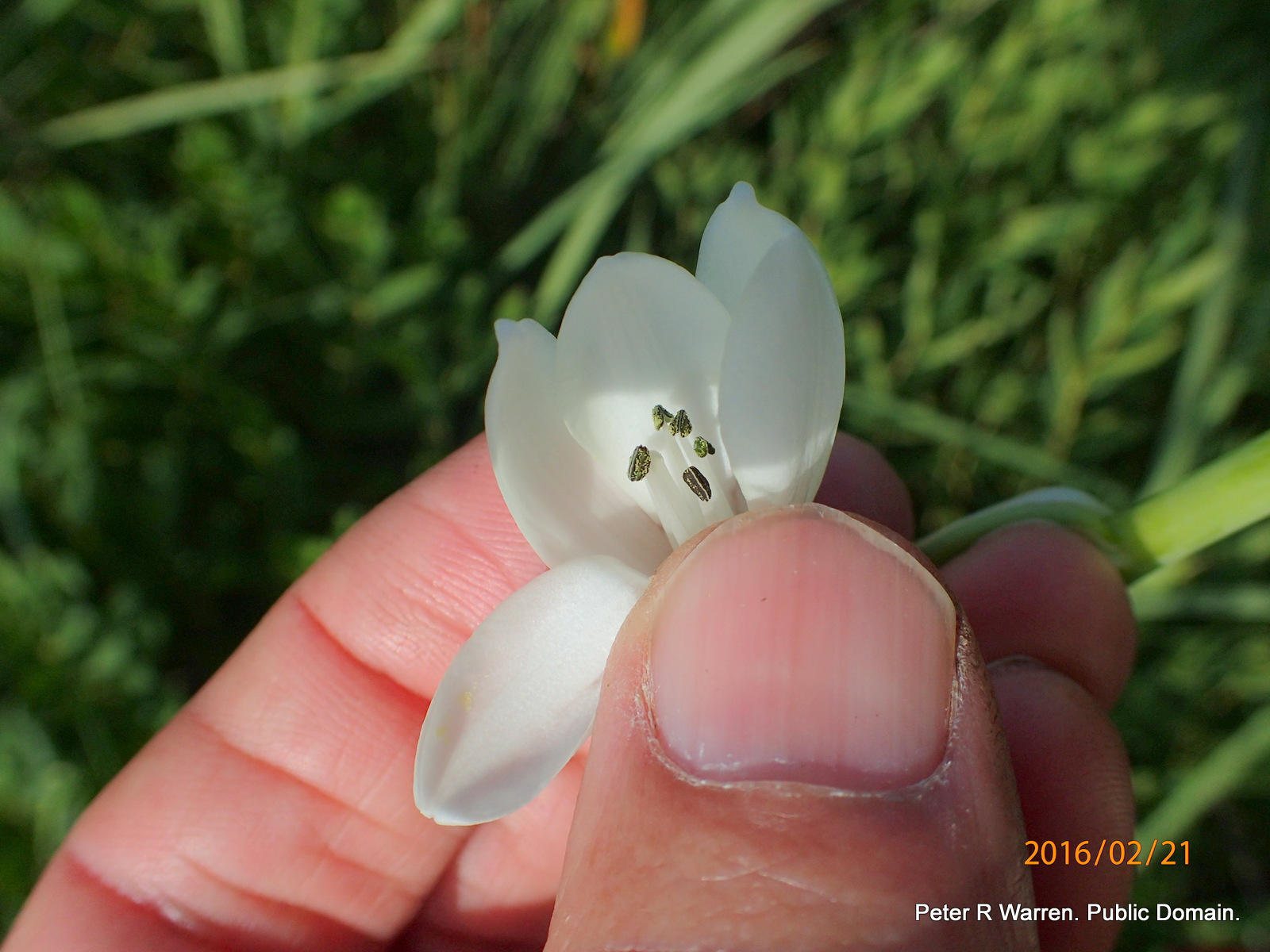
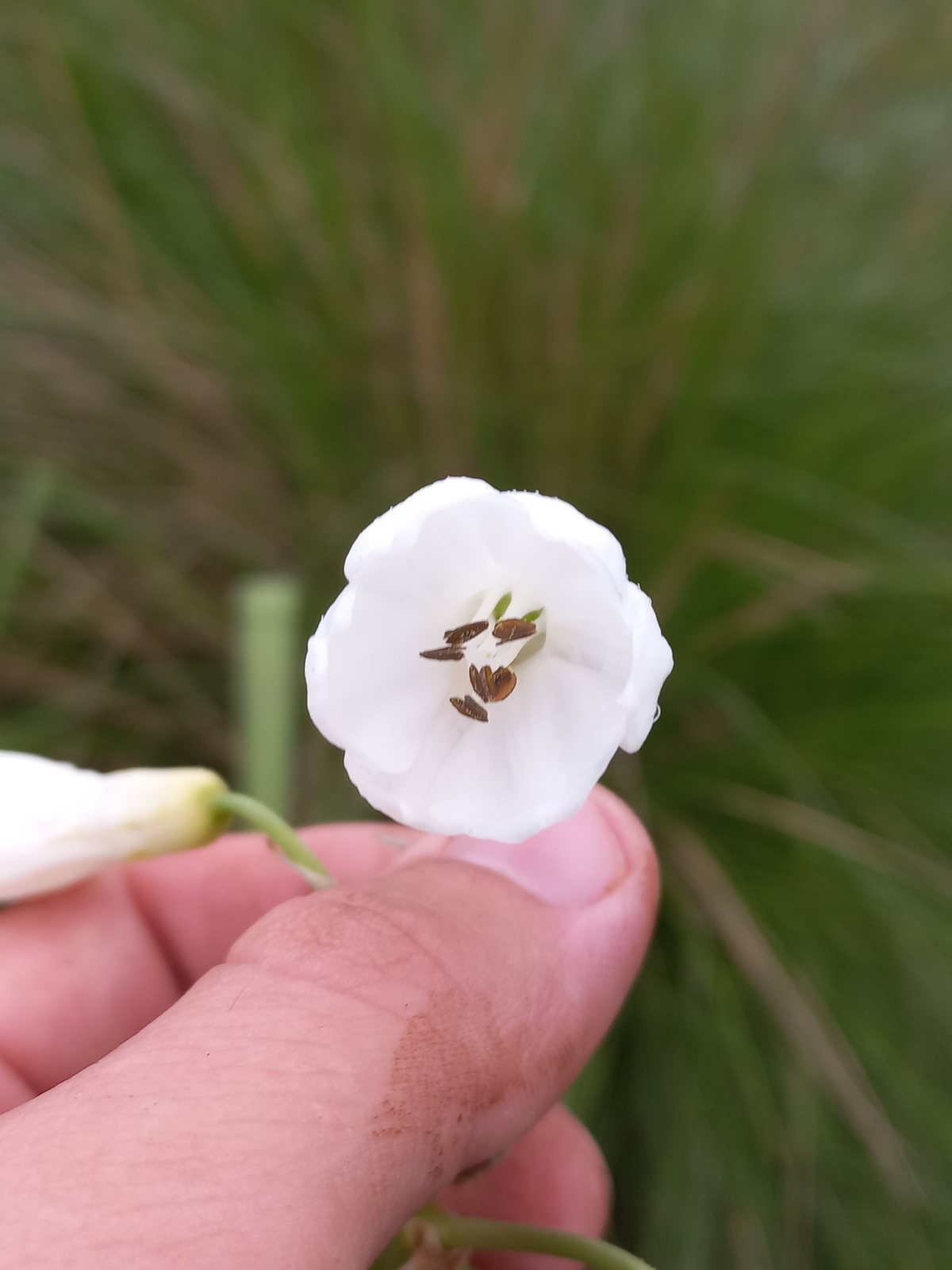
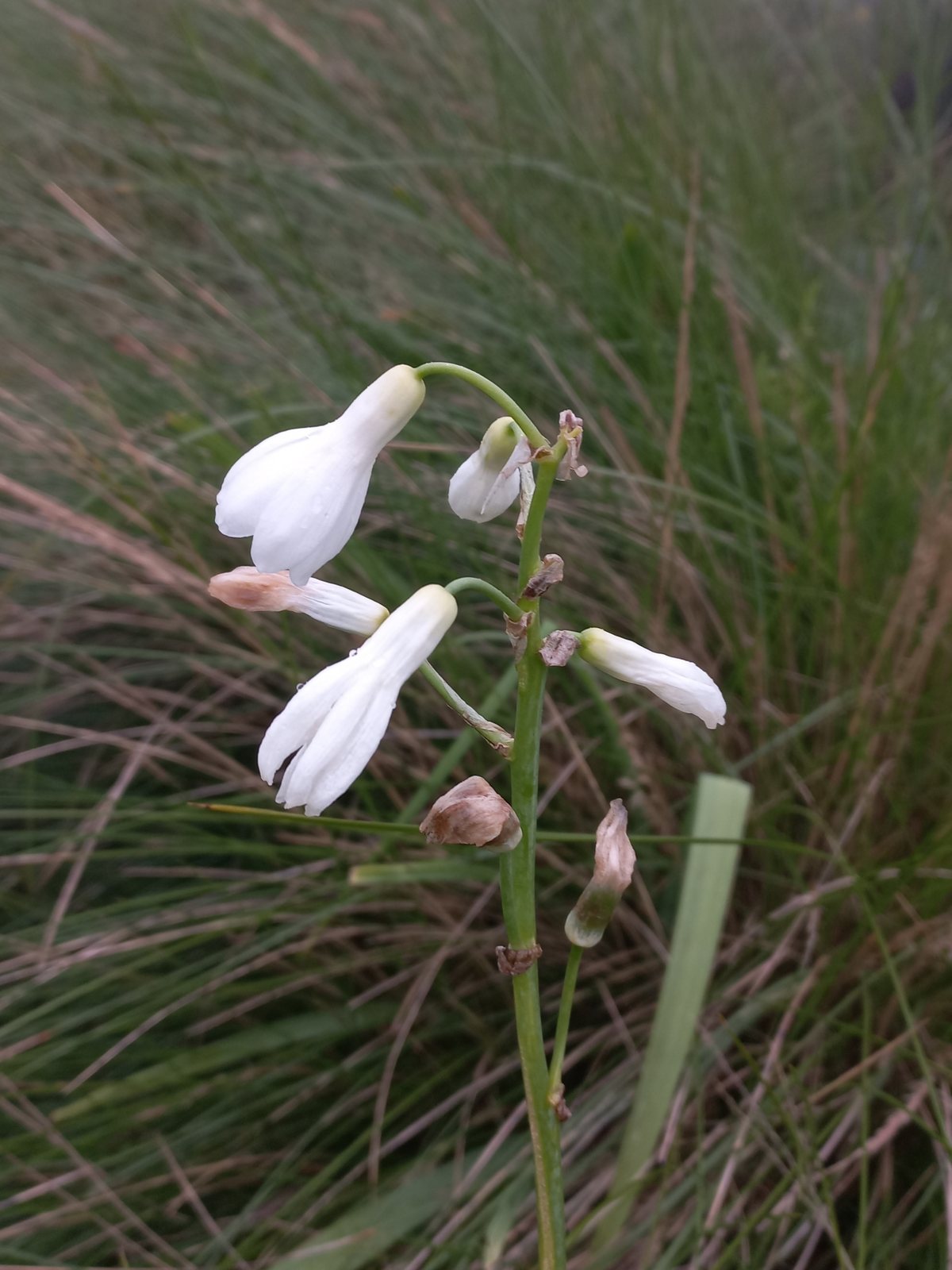
Summer hyacinth is a summer-growing South African bulb with tall stems carrying nodding, fragrant white bells above broad, strap-shaped leaves. It brings height and late-season flowers to sunny borders without forming a dense screen. It needs good drainage, especially during winter dormancy, and winter protection in colder gardens.
At a glance
- Sun
- Full sun; tolerates light shade, but flowering is usually better in sun.
- Water
- Water regularly during active growth, allowing the surface soil to dry slightly between waterings. Keep dormant bulbs relatively dry, never waterlogged.
- Soil
- Fertile, well-drained soil enriched with compost; tolerates a range of soil pH. Avoid heavy soil that stays wet through winter.
- Height
- 3-5 ft (0.9-1.5 m)
- Spread
- 1-2 ft (0.3-0.6 m)
- Flowers
- White, sometimes green-tinged, nodding bells in late summer to early autumn.
- Foliage
- Broad, fleshy, strap-shaped green leaves in a basal clump; dies back for winter.
- Growth
- Moderate; established bulbs gradually form larger clumps.
- Care needed
- Medium
The year at a glance
- Pollinators
- Heat tolerant
- Low allergen
- Fragrant
| J | F | M | A | M | J | J | A | S | O | N | D | |
|---|---|---|---|---|---|---|---|---|---|---|---|---|
| Flowers | ||||||||||||
| Fruit | ||||||||||||
| Plant |
Northern hemisphere months. In Australia, shift them by six.
- Difficulty
- Moderate
- Toughness
- Fairly tough
Will it suit your garden?
Pick your zone, country, light and whether you have pets.
Full sun is 6 or more hours of direct sun a day, part shade 3 to 6 hours, shade under 3.
How it grows
Planting day
0.5 ft (0.15 m)
After 1 year
4 ft (1.2 m)
full size
About 1 years to full size.
From a typical nursery size, at an average rate for this kind of plant. A rule of thumb, not a forecast.
Good to know
- Cats and dogs
- Toxic
- Growth rate
- Moderate
Care
Jobs through the year
- WaterApr–May, every 14 days
- Water established bulbs in dry weather as growth starts; water newly planted bulbs in and monitor more often.
- WaterJun–Sep, every 7 days
- Water established plants during dry spells, allowing the surface to dry slightly; taper as leaves yellow.
- FeedApr–May
- Apply compost and one balanced fertiliser dressing as spring growth begins.
- DivideApr
- Divide crowded bulbs before substantial growth only if flowering declines or more plants are wanted.
- ProtectApr–Jun
- Inspect emerging leaves for slugs and snails and control significant damage.
- ProtectJun–Jul
- Stake developing flower stems early on windy sites.
- DeadheadSep–Oct
- Cut faded flower stems near the base unless retaining seed heads.
- PruneOct–Nov
- Remove leaves only after they have fully yellowed and died back.
- MulchNov
- Insulate bulbs left outdoors in sheltered zone 7 gardens; ensure excellent winter drainage.
- ProtectOct–Nov
- In zone 6 or cold, wet sites, lift dormant bulbs and store cool, dry and frost-free.
- ProtectJan–Mar, Dec, every 30 days
- Check stored bulbs for rot and maintain dry, frost-free storage.
- Plant bulbs in spring, about 4-6 in (10-15 cm) deep and 8-12 in (20-30 cm) apart.
- Water during dry spells while leaves and flower stems are growing, without leaving the soil saturated.
- Apply compost and a balanced fertiliser as growth starts in spring.
- Stake flower stems early if the site is exposed to strong winds.
- Mulch over winter in marginally hardy gardens; in colder regions, lift dormant bulbs and store them cool, dry and frost-free.
- Divide crowded clumps in spring only when flowering declines or you want more plants.
Pruning. Cut spent flower stems down near the base unless you want seed. Leave the leaves until they have yellowed and died back naturally, then remove them.
Through the year
- Spring
- Plant stored or purchased bulbs once the ground is workable and severe frosts have passed.
- Spring
- Feed established clumps as leaves emerge; divide overcrowded bulbs before substantial growth develops.
- Early summer
- Water during dry weather and put supports in place on exposed sites.
- Late summer
- Enjoy the flowers and remove fading stems if seed is not wanted.
- Autumn
- Let foliage yellow naturally, then clear away the dead leaves.
- Late autumn
- Mulch bulbs left outdoors, or lift and store them frost-free where winters are too cold or wet.
In the garden
- Plant small groups through the middle or back of a sunny border for narrow, upright flower accents.
- Combine with ornamental grasses for white bells above a soft, moving base.
- Use in a white garden with white phlox and silver-leaved plants for late-summer continuity.
- Grow in large, well-drained containers where winter shelter is easier to provide.
Garden styles it suits: English country, Cottage garden, White garden, New perennial (prairie), Romantic rose garden and Modern courtyard.
Plant it with: Garden phlox, Purple coneflower, Switchgrass, Catmint, Salvia and Gaura.
Wildlife: The flowers attract visiting insects, including bees. It is not a native plant in the United States, the United Kingdom, Canada or Australia.
Problems to watch for
- Bulb rot in wet winter soil: improve drainage, use a raised bed or container, or lift bulbs for dry winter storage.
- Slugs and snails damaging emerging leaves: check new shoots regularly and use barriers, hand-picking or an appropriate labelled bait.
- Poor flowering in shade or crowded clumps: move bulbs to a sunnier position and divide congested clumps in spring.
- Frost damage or loss of bulbs: mulch in marginal areas and lift for frost-free storage where winters regularly exceed its tolerance.
Safety
Species-specific toxicity information is limited. Other Ornithogalum species contain toxins that can affect the heart, so do not assume this species is safe for people, cats, dogs or horses to eat. Keep bulbs and other plant parts out of reach, and seek medical or veterinary advice after ingestion; the severity for this species is not well established.
Easily confused with
Green summer hyacinth (Ornithogalum viridiflorum)
Has greenish flowers rather than the predominantly white bells of summer hyacinth; also sold under its older name, Galtonia viridiflora.
Giant chincherinchee (Ornithogalum saundersiae)
Carries rounded clusters of upward- or outward-facing white stars with conspicuous dark centres, rather than a long spike of hanging bells.
Garden hyacinth (Hyacinthus orientalis)
Flowers in spring on much shorter, densely packed spikes; summer hyacinth has tall, loose spikes later in the year.
The name
The epithet candicans means becoming white or shining white, referring to the flowers, while summer hyacinth describes their resemblance to hyacinth flowers and their later season.
Propagation. Separate offsets from established bulbs in spring and replant promptly. Alternatively, sow ripe seed in a protected container; seedlings usually take several years to reach flowering size.
Checked against open data
- Accepted botanical name
- Ornithogalum candicans
- Native range
- Cape Provinces, Free State, KwaZulu-Natal, Lesotho and Northern Provinces.
Sources: GBIF (CC BY 4.0) and Trefle (CC BY 4.0). The care and design notes are LandscapeGPT's own.
See it in your own yard.
Upload a photo of your yard and see it redesigned with plants that suit your climate, each checked against your zone.