Sunshine daisy bush
Brachyglottis 'Sunshine'. Family Asteraceae. Shrub.
Also called Brachyglottis 'Sunshine', Senecio 'Sunshine', Brachyglottis Dunedin Group 'Sunshine'.
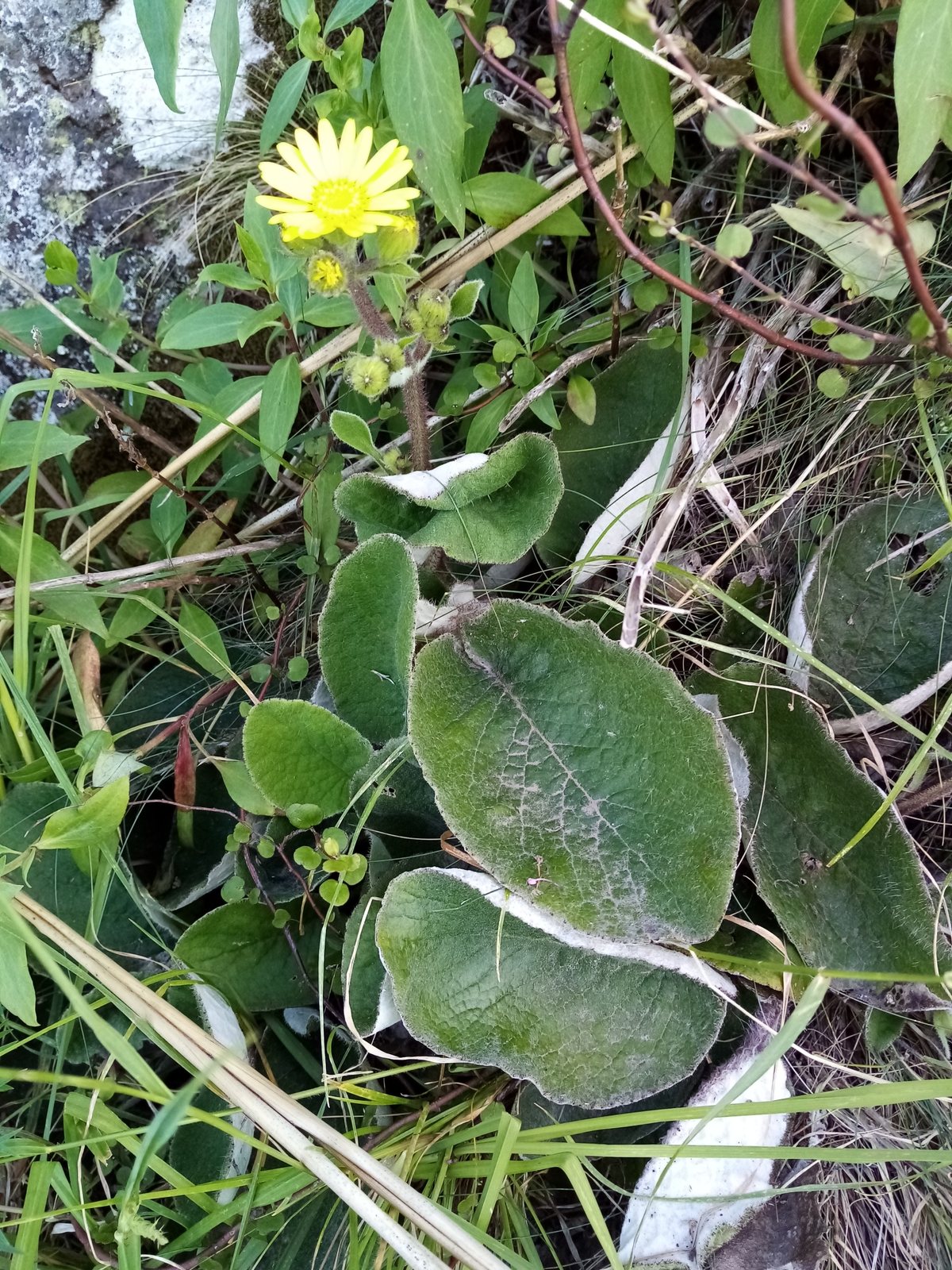
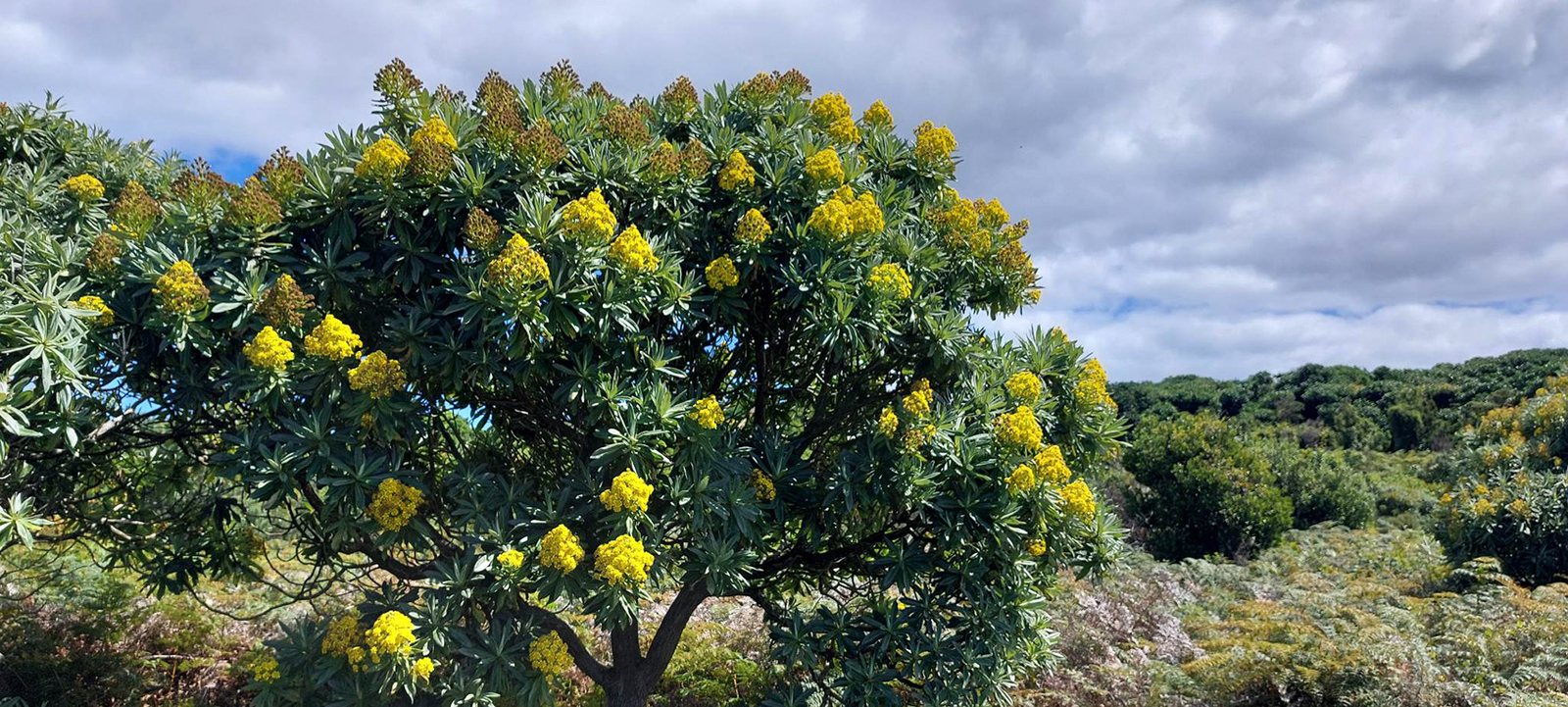
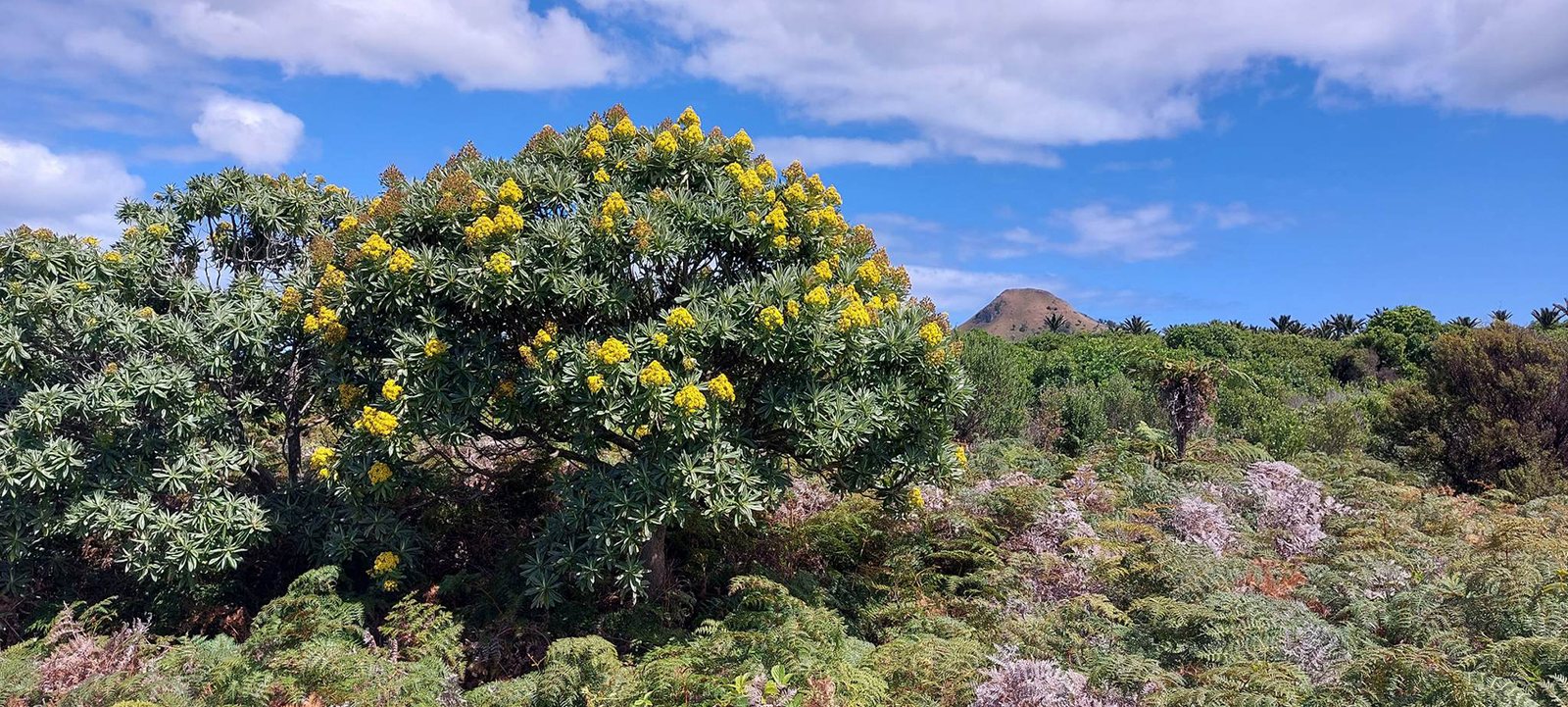
Brachyglottis 'Sunshine' is a rounded evergreen shrub grown for its silver-grey foliage and clusters of yellow summer daisies. It suits sunny coastal gardens and dry borders with freely draining soil, but needs shelter from severe frost and cold, wet conditions.
At a glance
- Sun
- Full sun; tolerates light shade but becomes looser and flowers less freely.
- Water
- Water regularly during the first growing season. Once established, water during prolonged drought rather than keeping the soil constantly moist.
- Soil
- Well-drained sandy, gravelly or loamy soil; tolerates relatively poor soil and coastal conditions. Avoid waterlogged ground, especially in winter.
- Height
- 3-5 ft (0.9-1.5 m)
- Spread
- 3-5 ft (0.9-1.5 m)
- Flowers
- Clusters of small, bright yellow daisy flowers in early to midsummer.
- Foliage
- Evergreen, oval grey-green leaves with pale felted undersides and whitish margins, giving the shrub a silvery appearance.
- Growth
- Moderate to fast in mild conditions.
- Care needed
- Low
The year at a glance
- Pollinators
- Deer resistant
- Drought tolerant
- Low allergen
| J | F | M | A | M | J | J | A | S | O | N | D | |
|---|---|---|---|---|---|---|---|---|---|---|---|---|
| Flowers | ||||||||||||
| Plant |
Northern hemisphere months. In Australia, shift them by six.
- Difficulty
- Moderate
- Toughness
- Fairly tough
Will it suit your garden?
Pick your zone, country, light and whether you have pets.
Full sun is 6 or more hours of direct sun a day, part shade 3 to 6 hours, shade under 3.
How it grows
Planting day
1.6 ft (0.5 m)
After 1 year
2.2 ft (0.68 m)
After 2 years
2.8 ft (0.85 m)
After 3 years
3 ft (1 m)
After 5 years
4 ft (1.2 m)
full size
About 4 years to full size.
From a typical nursery size, at an average rate for this kind of plant. A rule of thumb, not a forecast.
Good to know
- Cats and dogs
- Safe
- Growth rate
- Fast
Care
Jobs through the year
- WaterApr–May, Sep, every 21 days
- Established plants: water only during prolonged drought when soil is dry; young plants need more frequent watering.
- WaterJun–Aug, every 14 days
- Established plants: soak only during prolonged drought, allowing soil to dry between waterings.
- MulchApr–May
- Apply a thin gravel mulch, keeping stems and crown clear.
- PruneApr–May
- When new growth appears, cut frost-killed shoots back to healthy growth.
- PruneJul–Aug
- After flowering, remove spent stems and lightly shorten leafy growth; avoid bare old wood.
- ProtectJan–Mar, Nov–Dec
- Prevent winter wet and cold wind exposure; in zones 6–7, overwinter containers in bright, frost-protected shelter.
- Plant in spring in colder areas so roots establish before winter.
- Water deeply during establishment, allowing the surface soil to dry between waterings.
- Avoid heavy feeding; rich soil encourages soft, sprawling growth.
- Use a thin gravel mulch and keep it clear of the stems.
- In colder gardens, choose a sheltered position away from frost pockets and drying winter winds.
Pruning. Lightly trim after flowering, removing spent flower stems and shortening leafy shoots to maintain a rounded shape. Remove frost-killed growth in spring once new growth shows; avoid cutting the whole shrub back into bare old wood.
Through the year
- Spring
- Plant in a sunny, freely draining position after severe frosts have passed.
- Mid-spring
- Check for winter damage and cut dead shoots back to healthy growth.
- Summer
- Water young plants during dry spells; established plants usually need little supplementary water.
- After flowering
- Remove spent flower stems and lightly trim the leafy growth to keep the shrub compact.
- Late summer
- Take semi-ripe cuttings from healthy, non-flowering shoots.
- Winter
- Check that water drains away from the roots and protect exposed young plants during severe cold.
In the garden
- Use as a silver-leaved mound in a sunny gravel garden with lavender and rock roses.
- Plant in coastal borders where salt-laden winds limit more tender shrubs.
- Repeat along a sunny path or border edge, trimming lightly to maintain informal rounded shapes.
- Pair with purple flowers and fine-textured grasses for contrast in colour and leaf shape.
Garden styles it suits: Coastal, Mediterranean, Dry gravel garden, Low-maintenance, Modern Mediterranean and Pollinator garden.
Plant it with: Lavender, Rock rose, Rosemary, Santolina, Catmint and Blue fescue.
Wildlife: The open yellow flowers provide pollen and nectar for bees, hoverflies and other visiting insects.
Problems to watch for
- Root rot in waterlogged soil: improve drainage before planting or move the shrub to a raised bed; avoid routine watering of already damp soil.
- Frost damage: choose a sheltered site and remove dead growth in spring rather than immediately after a freeze.
- Leggy, open growth: provide full sun, avoid heavy feeding and trim lightly after flowering each year.
- Aphids on soft shoots: wash off small colonies with water and encourage ladybirds and other predators.
Safety
Not known to be toxic to people, cats, dogs or horses, but safety information specific to this cultivar is limited. No particular toxic part is established; it is an ornamental plant, not food.
Easily confused with
Daisy bush (Brachyglottis greyi)
A closely related species often confused with 'Sunshine'; it generally has larger, broader leaves and can make a larger shrub. Similar plants are sometimes mislabelled, so a reliable nursery label is useful.
Dusty miller (Jacobaea maritima)
Has deeply divided, almost white leaves rather than the simple oval leaves of 'Sunshine'; usually grown as a lower bedding plant.
Cotton lavender (Santolina chamaecyparissus)
Has finely divided, aromatic foliage and rounded yellow button flowers without the conspicuous daisy rays of 'Sunshine'.
The name
Brachyglottis comes from Greek words meaning 'short tongue', referring to the short ray florets of the flowers.
Propagation. Take semi-ripe cuttings in late summer and root them in a freely draining medium under cover. Cuttings preserve the cultivar; seedlings will not reliably match it.
Checked against open data
- Accepted botanical name
- Brachyglottis
Sources: GBIF (CC BY 4.0). The care and design notes are LandscapeGPT's own.
See it in your own yard.
Upload a photo of your yard and see it redesigned with plants that suit your climate, each checked against your zone.