Sunshine ligustrum
Ligustrum sinense 'Sunshine'. Family Oleaceae. Shrub.
Also called Sunshine privet, Sunshine Chinese privet.
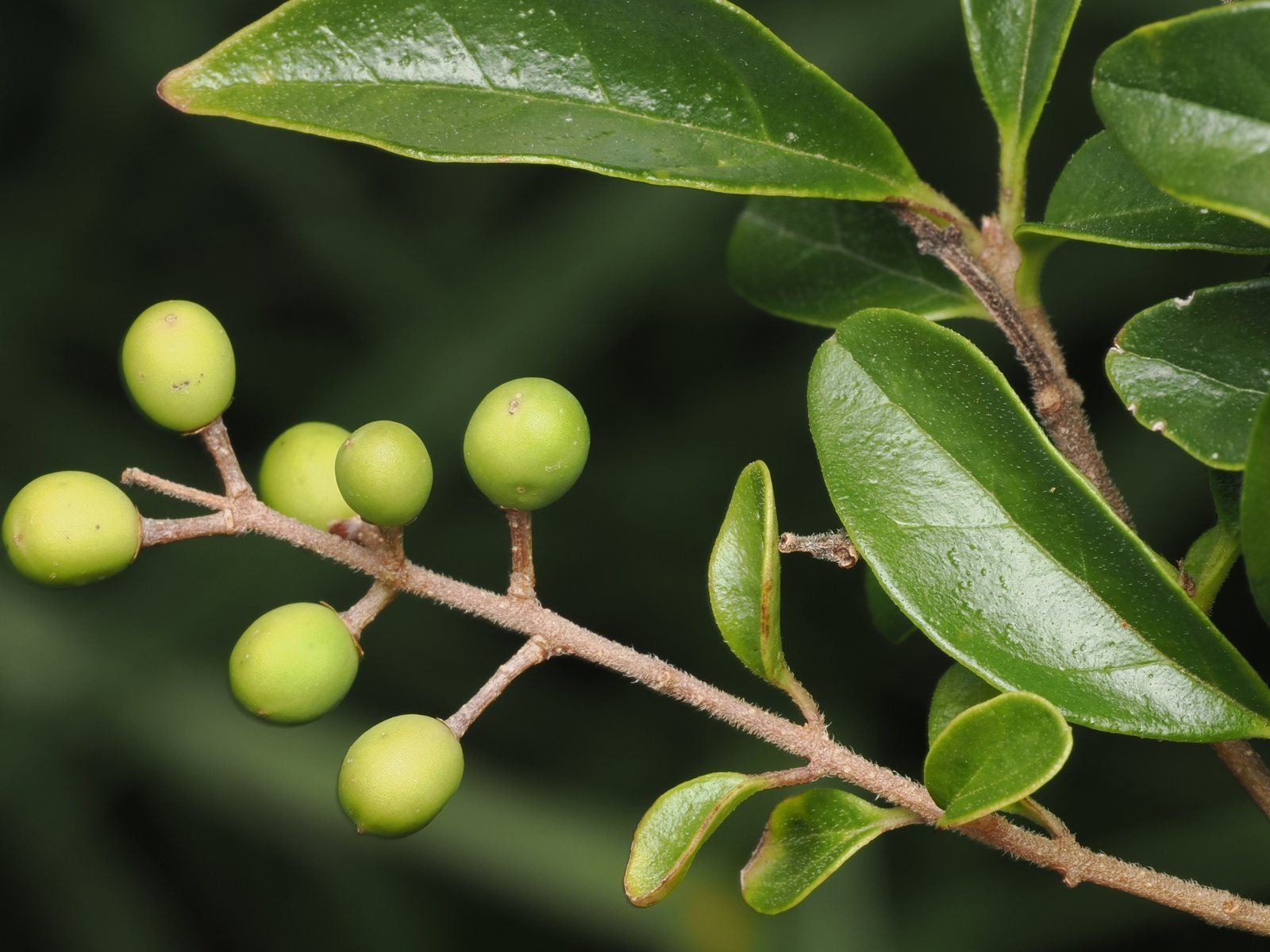
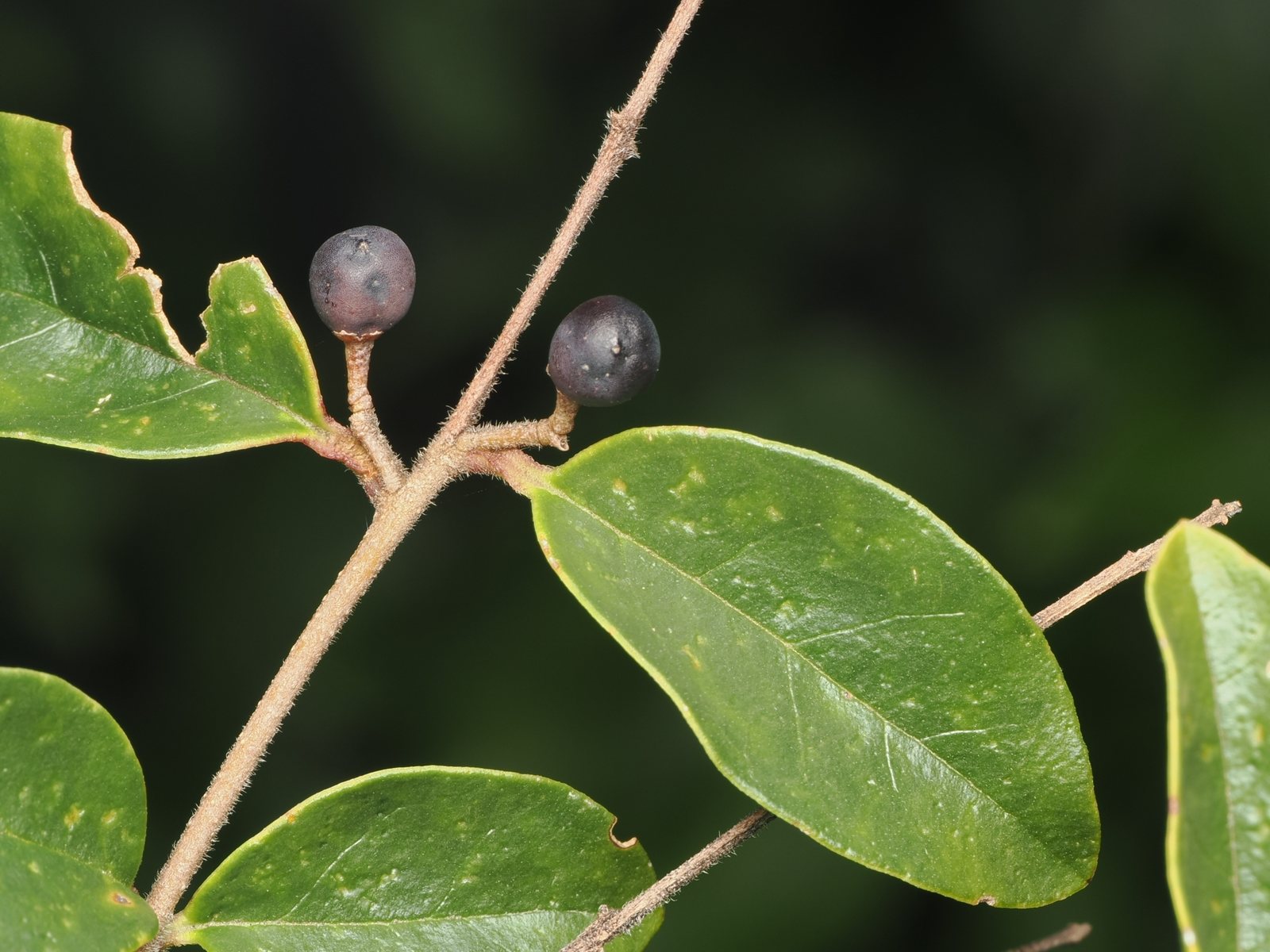
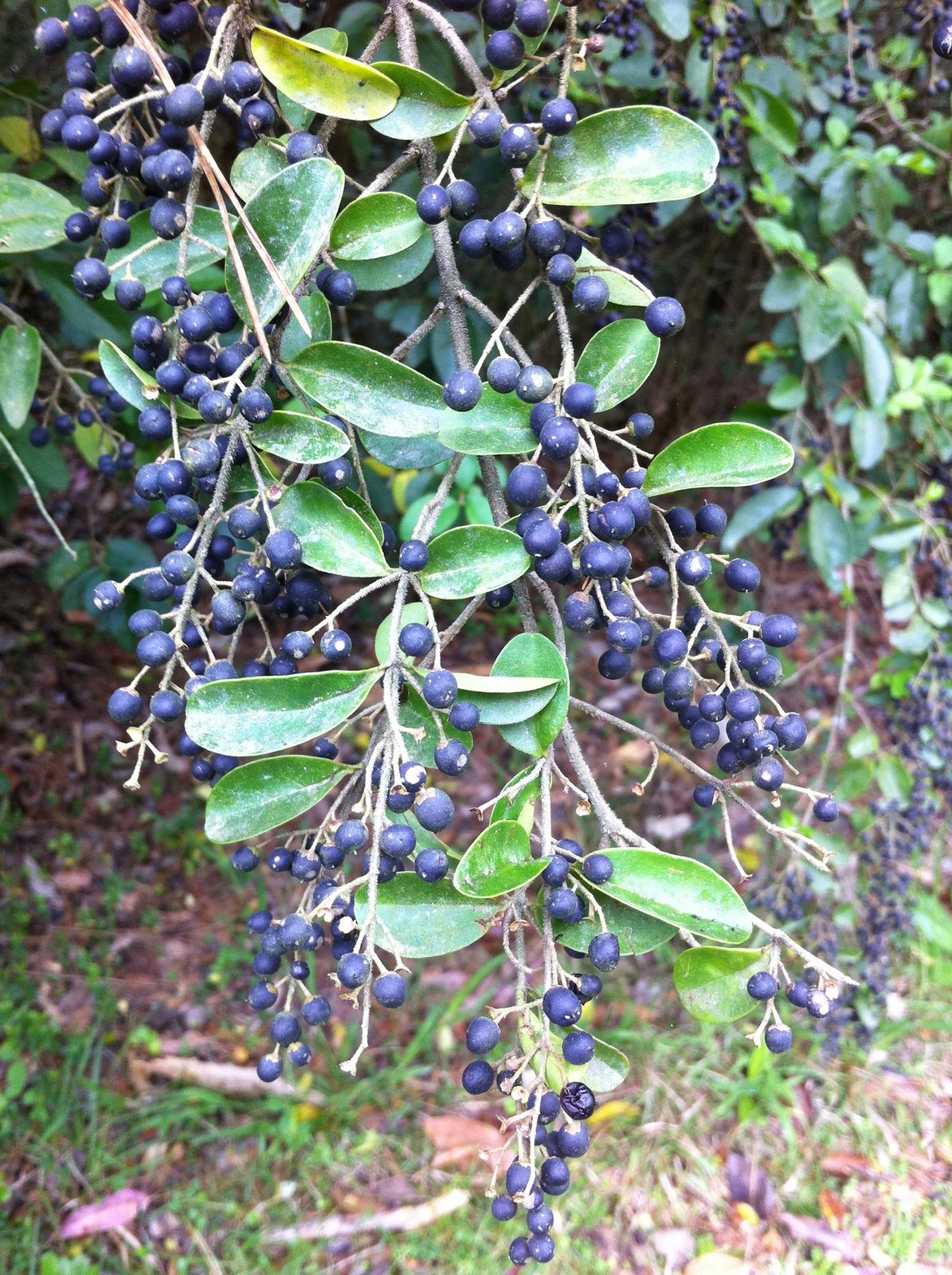
Sunshine ligustrum is a compact, golden-leaved form of Chinese privet grown for bright foliage and easily clipped structure. Unlike ordinary Chinese privet, 'Sunshine' is a sterile, non-flowering cultivar that does not produce berries. It is evergreen in mild climates but can lose leaves in cold winters.
At a glance
- Sun
- Full sun gives the strongest yellow colour; partial shade produces greener foliage.
- Water
- Water regularly during establishment, then during prolonged dry spells. Avoid persistently wet soil.
- Soil
- Well-drained soil, from sandy loam to clay that drains freely; tolerates a broad pH range.
- Height
- 3-6 ft (0.9-1.8 m)
- Spread
- 3-4 ft (0.9-1.2 m)
- Foliage
- Evergreen. Small, opposite, oval leaves emerge light green and turn golden yellow in good sunlight; winter foliage may become orange-bronze.
- Growth
- Moderate to fast in warm conditions with adequate moisture.
- Care needed
- Low
The year at a glance
- Drought tolerant
- Heat tolerant
- Wildlife
- Low allergen
| J | F | M | A | M | J | J | A | S | O | N | D | |
|---|---|---|---|---|---|---|---|---|---|---|---|---|
| Plant |
Northern hemisphere months. In Australia, shift them by six.
- Difficulty
- Easy
- Toughness
- Fairly tough
Will it suit your garden?
Pick your zone, country, light and whether you have pets.
Full sun is 6 or more hours of direct sun a day, part shade 3 to 6 hours, shade under 3.
How it grows
Planting day
1.6 ft (0.5 m)
After 1 year
2.3 ft (0.71 m)
After 2 years
3 ft (0.93 m)
After 3 years
4 ft (1.1 m)
After 5 years
4 ft (1.4 m)
full size
About 4 years to full size.
From a typical nursery size, at an average rate for this kind of plant. A rule of thumb, not a forecast.
Good to know
- Cats and dogs
- Toxic
- Growth rate
- Fast
Care
Jobs through the year
- WaterApr–May, Sep–Oct, every 14 days
- Water established shrubs only when soil is drying; water new plants more frequently.
- WaterJun–Aug, every 14 days
- Deep-water established shrubs during prolonged dry spells; avoid saturated soil.
- MulchApr
- Maintain 5–8 cm of organic mulch, keeping it away from stems.
- PruneApr–May
- After severe frosts, remove dead shoots once damage is clear and lightly shape if needed.
- PruneJun–Jul
- Lightly clip shaped plants if needed, keeping the base wider than the top; stop before autumn.
- ProtectJan–Mar, Nov–Dec
- Marginal in zone 6: shelter from cold winds, mulch roots and fleece during severe freezes; leaf loss may occur.
- Water deeply when the root zone starts to dry during the first growing season.
- Apply 2-3 in (5-8 cm) of organic mulch, keeping it clear of the stems.
- Use a light application of balanced shrub fertiliser in spring only if growth is weak or the soil is poor.
- Choose a sheltered position in colder districts; exposed plants may lose leaves or suffer shoot dieback.
- Water container plants more frequently and keep drainage holes clear.
Pruning. Prune in late winter or early spring after the worst frosts, removing dead shoots and shortening branches to shape. Lightly clip hedges during active growth, but stop well before autumn frosts.
Through the year
- Spring
- Plant when the soil is workable, water thoroughly and mulch around the root zone.
- Late spring
- Check for winter damage and prune dead shoots back to healthy wood.
- Early summer
- Lightly clip hedges or shaped plants, keeping the base wider than the top.
- Summer
- Check soil moisture during hot, dry weather, especially around new plants and containers.
- Autumn
- Stop clipping and avoid nitrogen-rich feeding so new growth can harden before winter.
- Winter
- Protect container roots from severe freezing and avoid pruning foliage browned by frost until spring.
In the garden
- Clip into a low hedge to outline paths or planting beds.
- Repeat rounded shrubs through a border to provide bright, consistent foliage colour.
- Pair with dark purple-leaved shrubs or deep green evergreens for contrast.
- Grow in a large, well-drained container as a clipped courtyard accent.
Garden styles it suits: Modern, Formal, Topiary garden, Modern courtyard, Traditional and Small-space.
Plant it with: Purple-leaved Chinese fringe flower, Dwarf mondo grass, Catmint, Salvia, Daylily and Dwarf fountain grass.
Wildlife: Dense foliage can provide shelter for small birds, but this non-flowering cultivar offers no nectar, pollen or berries.
Problems to watch for
- Greener foliage in shade: move to a sunnier position if strong yellow colour is important.
- Winter leaf drop or shoot dieback: provide shelter, mulch the roots and prune damaged growth after spring growth begins.
- Root rot in wet soil: improve drainage or replant in a raised position; do not keep the root zone constantly saturated.
- Scale insects: inspect stems and leaf undersides, remove badly affected shoots and treat with a labelled horticultural oil when conditions permit.
Safety
Treat the leaves and stems as toxic to people, cats, dogs and horses if eaten. Privet poisoning commonly causes vomiting, diarrhoea and abdominal pain; substantial ingestion can be serious, particularly in livestock. Other privets also have toxic berries, but 'Sunshine' does not normally produce fruit.
Where it spreads. 'Sunshine' is a sterile, non-flowering cultivar and is not generally reported to spread aggressively by seed. Ordinary Chinese privet is invasive across much of the southeastern United States and in parts of eastern Australia, including New South Wales and Queensland. Local restrictions may apply to Ligustrum sinense regardless of cultivar, so check before buying or planting.
Easily confused with
Golden privet (Ligustrum ovalifolium 'Aureum')
Usually has larger leaves with green centres and yellow margins, rather than the mostly uniform yellow leaves of 'Sunshine'; it can also flower and fruit.
Golden Japanese privet (Ligustrum japonicum 'Aureum')
Has larger, thicker, glossier leaves and develops into a much larger shrub; it can bear white flower clusters.
Golden box honeysuckle (Lonicera nitida 'Baggesen's Gold')
Has much smaller leaves on fine, arching shoots, giving a softer, more twiggy appearance.
The name
The species name sinense means 'from China', while 'Sunshine' refers to the cultivar's bright yellow foliage.
Propagation. Softwood or semi-ripe cuttings preserve the cultivar; seed is not a practical option. Plant breeders' rights or patent restrictions may apply in your country, so check before propagating.
Checked against open data
- Accepted botanical name
- Ligustrum sinense
- In the US and Canada
- Introduced in Hawaii, the lower 48 states and Puerto Rico.
- Native range
- China North-Central, China South-Central, China Southeast, Hainan, Taiwan, Tibet and Vietnam.
- Measured
- Average height 335 cm.
Sources: GBIF (CC BY 4.0), USDA PLANTS and Trefle (CC BY 4.0). The care and design notes are LandscapeGPT's own.
See it in your own yard.
Upload a photo of your yard and see it redesigned with plants that suit your climate, each checked against your zone.