Sweet corn 'Silver Queen'
Zea mays 'Silver Queen'. Family Poaceae. Annual.
Also called Silver Queen corn, Silver Queen white sweet corn.
'Silver Queen' is a tall, late-season hybrid sweet corn grown as an annual for its white kernels and traditional sweet-corn flavour. It needs a long, warm growing season and a block of plants for reliable pollination, so it is less dependable in cool, short-summer gardens.
At a glance
- Sun
- Full sun, ideally at least 8 hours of direct sunlight daily.
- Water
- Keep soil evenly moist, especially while tassels, silks and ears develop. Supply roughly 1-1.5 in (25-38 mm) of water weekly during dry weather, adjusting for soil and heat.
- Soil
- Deep, fertile, well-drained soil enriched with compost; ideally pH 6.0-7.0. Avoid waterlogged or very shallow soil.
- Height
- 7-8 ft (2.1-2.4 m)
- Spread
- 1-2 ft (0.3-0.6 m) per plant
- Flowers
- Summer: pale green to tan tassels at the stem tips release pollen onto pale green silks emerging from the ears.
- Foliage
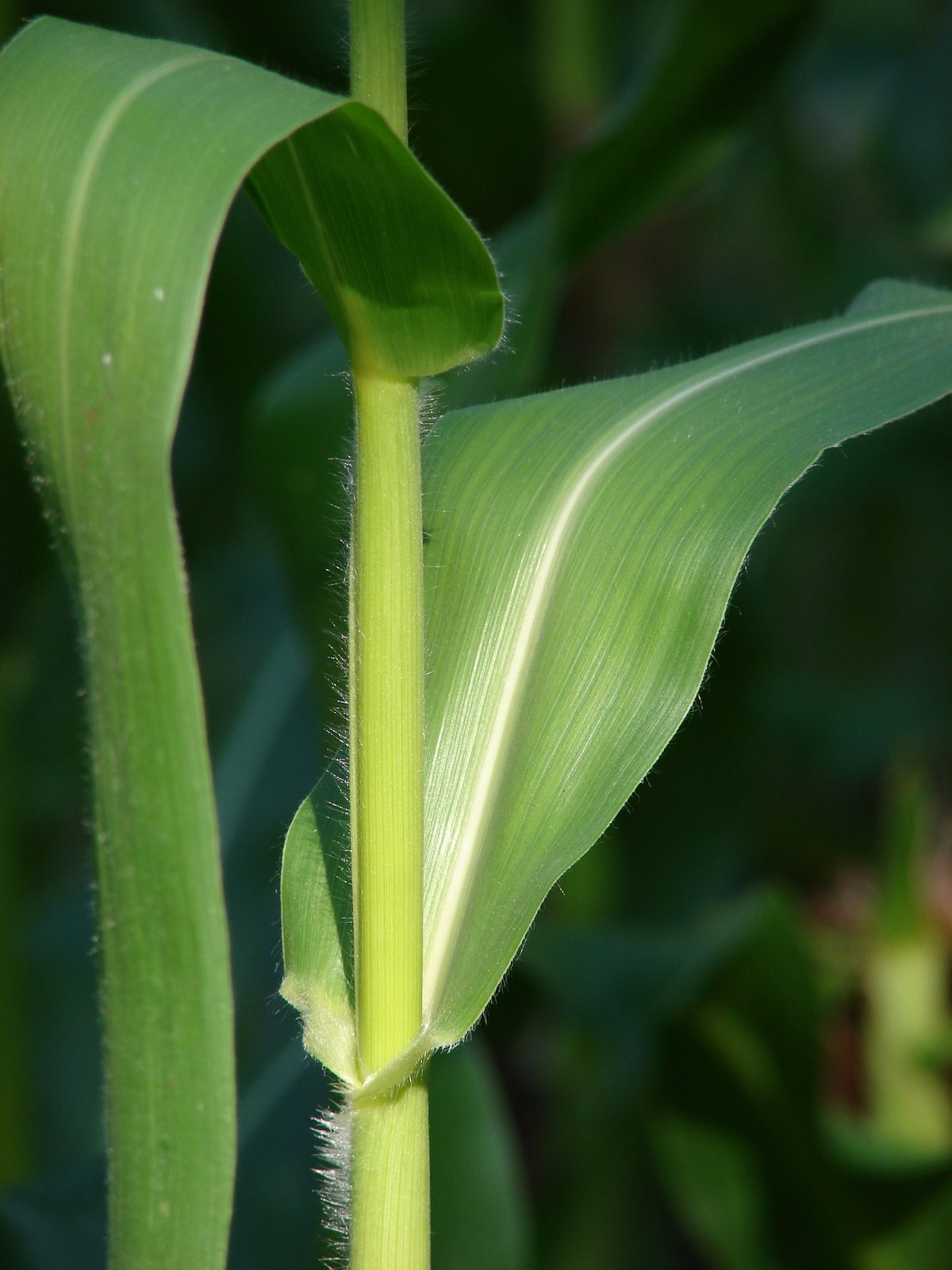
- Long, broad, arching green leaves on sturdy upright stems.
- Growth
- Fast in warm weather; usually about 90-95 days from sowing to harvest under suitable conditions, longer in cool weather.
- Care needed
- Medium
The year at a glance
- Heat tolerant
- Edible
| J | F | M | A | M | J | J | A | S | O | N | D | |
|---|---|---|---|---|---|---|---|---|---|---|---|---|
| Flowers | ||||||||||||
| Fruit | ||||||||||||
| Plant |
Northern hemisphere months. In Australia, shift them by six.
- Difficulty
- Moderate
- Toughness
- Needs looking after
Will it suit your garden?
Pick your zone, country, light and whether you have pets.
Full sun is 6 or more hours of direct sun a day, part shade 3 to 6 hours, shade under 3.
How it grows
Planting day
0.9 ft (0.27 m)
After 1 year
7 ft (2.3 m)
full size
Full size in one season.
From a typical nursery size, at an average rate for this kind of plant. A rule of thumb, not a forecast.
Good to know
- Cats and dogs
- Safe
- Growth rate
- Fast
Care
Jobs through the year
- MulchMar–Apr
- Incorporate compost into a sunny, sheltered bed before planting.
- WaterMay–Jun, every 7 days
- Water the in-ground crop deeply when rain is insufficient; check seedlings more frequently.
- WaterJul–Sep, every 3 days
- Split roughly 25–38 mm weekly water, including rain, between soakings during flowering and ear filling.
- FeedJun–Jul
- Apply nitrogen-rich vegetable feed once when plants reach knee height, following label rates.
- MulchJun
- Mulch once soil is warm to conserve moisture and suppress weeds.
- ProtectMay–Sep
- Use secure wildlife-safe exclusion if birds or mammals damage seedlings or ears.
- HarvestAug–Sep
- Check ears for brown silks and milky kernels; pick promptly and cook or refrigerate immediately.
- PruneSep–Oct
- Cut down spent stalks after final harvest; compost healthy material without pruning live plants.
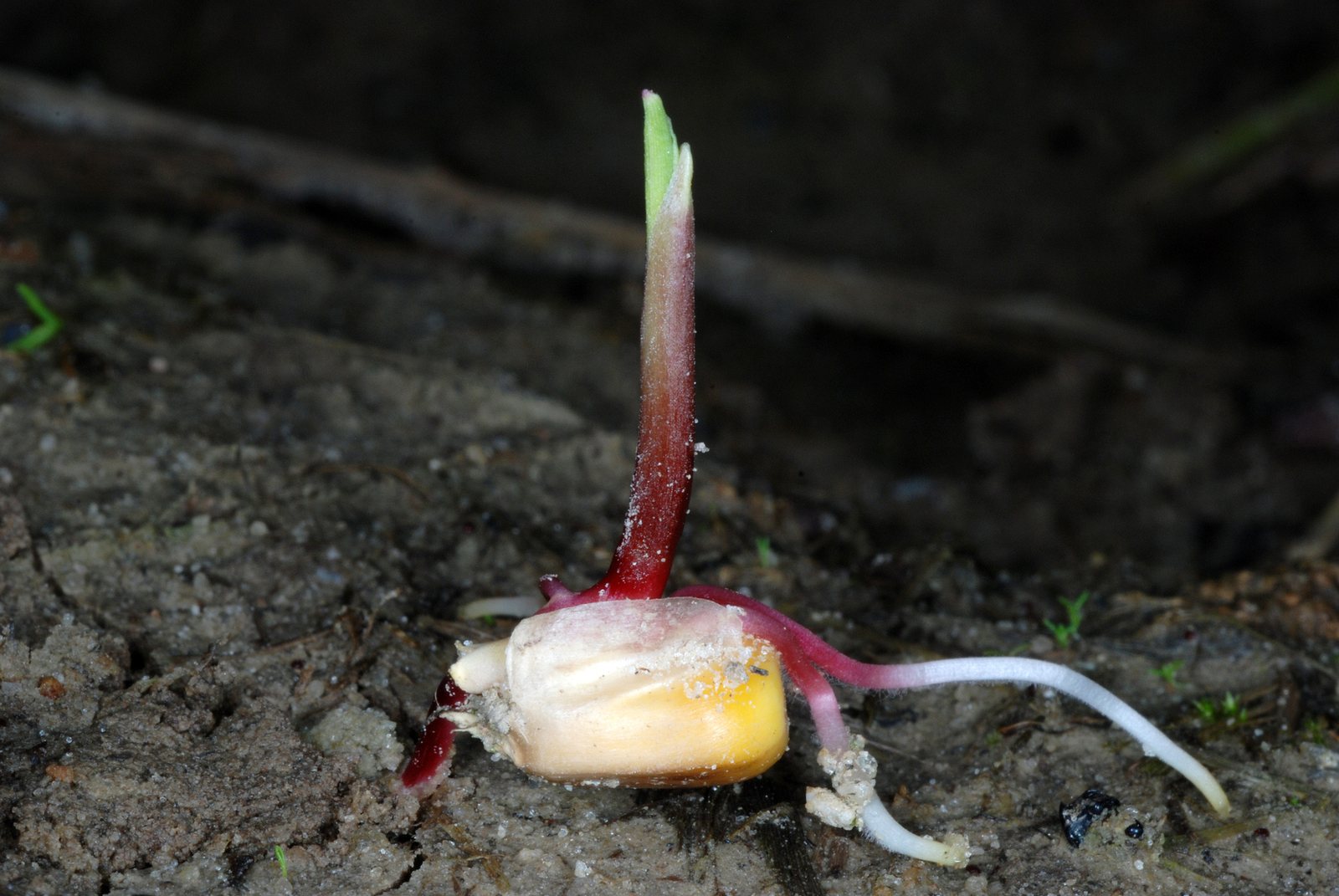
- Sow after frost when soil has warmed to at least 60°F (16°C); cold, wet soil can rot the seed.
- Plant in a block of at least four short rows rather than one long row; thin plants to 10-12 in (25-30 cm) apart, with rows 30-36 in (75-90 cm) apart.
- Work compost into the bed before planting and apply a nitrogen-rich feed when plants are knee-high, following the product rate.
- Water deeply during dry spells, particularly from tasselling through ear filling; mulch once the soil is warm.
- Hoe shallowly to avoid damaging surface roots; shelter the crop from strong winds.
- Separate flowering from other maize varieties, especially field corn and popcorn, to protect eating quality; crossing with yellow corn can also produce yellow kernels.
Pruning. Do not prune, remove tassels or routinely remove side shoots. After the final harvest, cut down the stalks and chop healthy material for composting.
Harvest
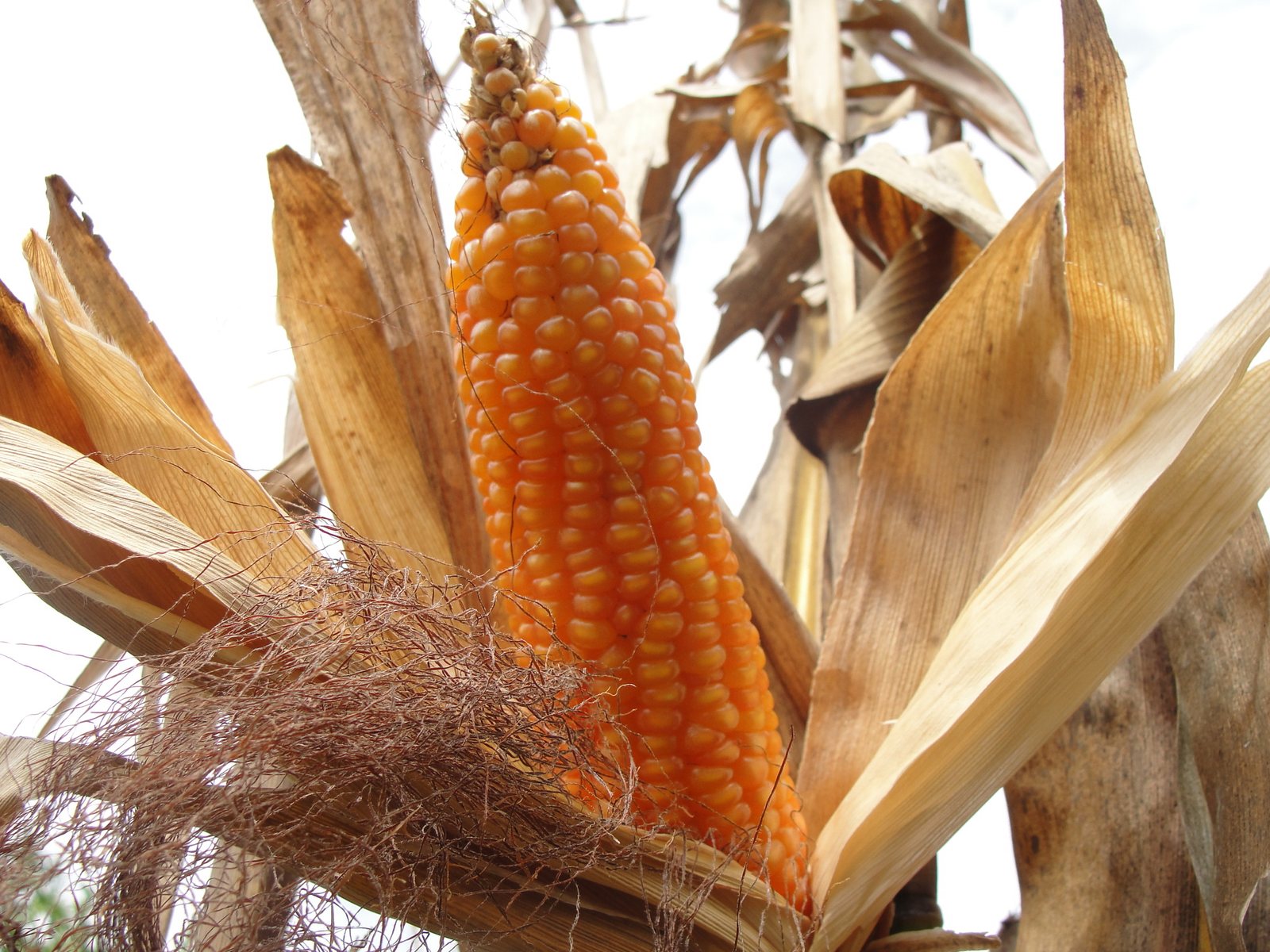
Pick ears when the silks are brown and dry but the husks remain green, usually about three weeks after silks first appear. Peel back a little husk and press a plump kernel: milky juice indicates readiness, while watery juice means it needs longer. Twist ears down from the stalk, then cook promptly or refrigerate immediately, as this traditional sweet corn loses sweetness quickly after picking.
Through the year
- Early spring
- Choose a sunny, sheltered bed and incorporate compost; plan enough space for a block of plants.
- Late spring
- Sow outdoors after frost once the soil is warm. In cooler districts, start in deep modules indoors two to three weeks before planting out.
- Early summer
- Thin seedlings, weed shallowly and apply a nitrogen-rich feed when plants reach knee height.
- Summer
- Maintain steady soil moisture during tasselling, silking and ear filling.
- Late summer
- Check ears regularly for milky kernels and harvest promptly; warm-climate sowings may mature earlier.
- Autumn
- Remove spent stalks and clear fallen ears that could attract rodents.
In the garden
- Grow in a rectangular block in the vegetable garden for effective wind pollination.
- Use as a tall seasonal backdrop to a sunny potager, keeping shorter crops on its sunward side.
- Combine with squash along the edges of a spacious edible bed, leaving access for watering and picking.
- Use a broad block as a temporary summer screen beside a productive garden, away from exposed boundaries.
Garden styles it suits: Potager (kitchen garden), Edible landscape, Homestead, Farmhouse, Cottage garden and Family-friendly.
Plant it with: Squash, Pumpkins, Bush beans, Nasturtiums and Calendula.
Wildlife: Wind-pollinated flowers can provide pollen for bees, but little value as a nectar source. Birds, rodents, raccoons and other mammals may eat seed or ripening ears; locally appropriate netting or exclusion may be needed.
Problems to watch for
- Patchy ears or missing kernels: plant a substantial block, keep plants watered during flowering and avoid sowings too small to provide enough pollen.
- Corn earworm or corn bollworm caterpillars: inspect silks and ear tips; use locally approved controls timed to young larvae before they enter the ears.
- Corn smut: remove swollen, grey-black galls before they release spores, dispose of affected material and avoid injuring plants.
- Seed rot and poor emergence: wait for warm soil, improve drainage and avoid sowing into cold, saturated ground.
Safety
Sweet corn is not known to be toxic to people, cats, dogs or horses. Corn cobs can cause choking or a serious intestinal blockage if swallowed, especially by dogs. Do not feed mouldy corn or drought-stressed stalks to livestock: mould toxins and accumulated nitrates can cause serious poisoning.
Easily confused with
Field corn (Zea mays)
Plants can look almost identical before harvest. Field corn develops hard, starchy kernels rather than the tender, sweet kernels wanted for fresh eating; use labelled seed rather than relying on appearance.
Sorghum (Sorghum bicolor)
It has similar upright stems and strap-shaped leaves, but carries its grain in a terminal seed head rather than in husked ears along the stem.
The name
Zea comes from an ancient Greek name for a cereal grain, and mays derives from the Taíno name mahiz for maize.
Propagation. Grow from purchased hybrid seed. Sow 1-2 in (2.5-5 cm) deep in warm soil, or start in individual deep modules and transplant while young with minimal root disturbance. Saved seed will not reliably reproduce 'Silver Queen'.
Checked against open data
- Accepted botanical name
- Zea mays
- In the US and Canada
- Introduced in Canada, the lower 48 states, Pacific Basin, Puerto Rico and US Virgin Islands.
- Native range
- Guatemala, Mexico Central and Mexico Southwest.
- Measured
- Soil pH 5.5 to 7.5. Average height 150 cm.
Sources: GBIF (CC BY 4.0), USDA PLANTS and Trefle (CC BY 4.0). The care and design notes are LandscapeGPT's own.
See it in your own yard.
Upload a photo of your yard and see it redesigned with plants that suit your climate, each checked against your zone.