Sweet corn
Zea mays. Family Poaceae. Annual.
Also called Sweetcorn, Sugar corn.
Sweet corn is a tall, warm-season grass grown as an annual for its tender, sweet kernels. It needs a sunny site, fertile soil and a sufficiently long, frost-free summer; early-maturing varieties are the safest choice in cooler areas.
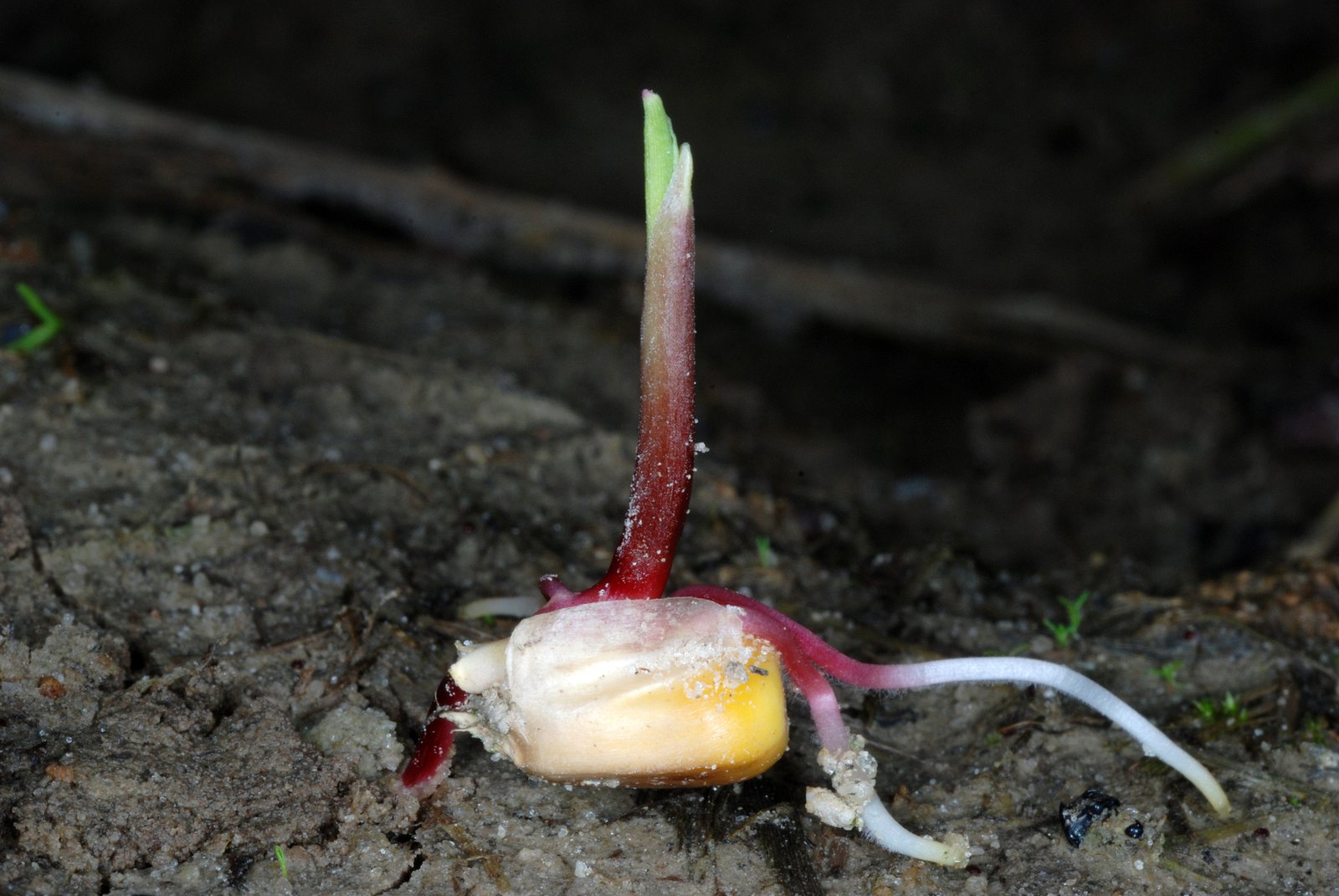
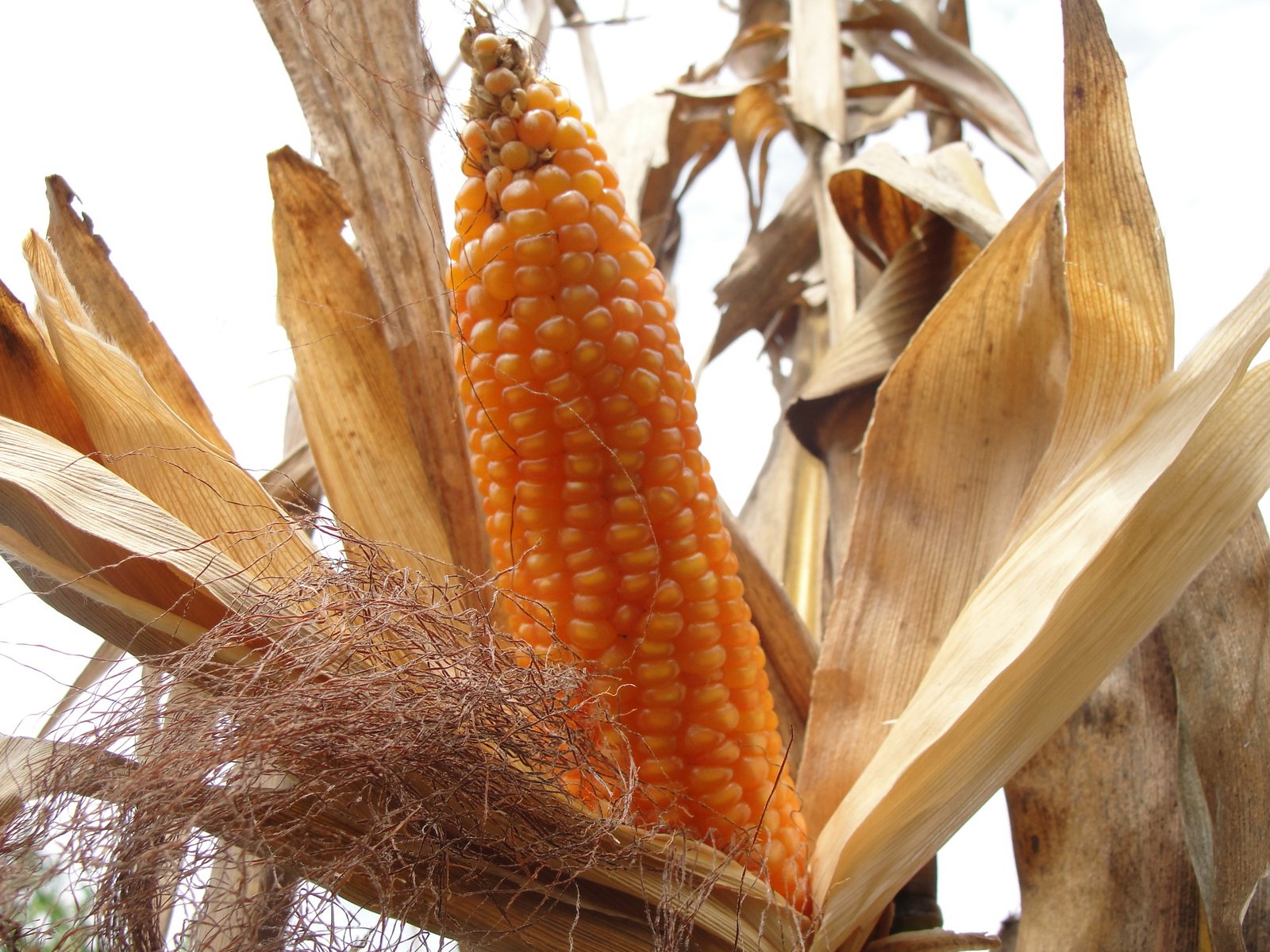
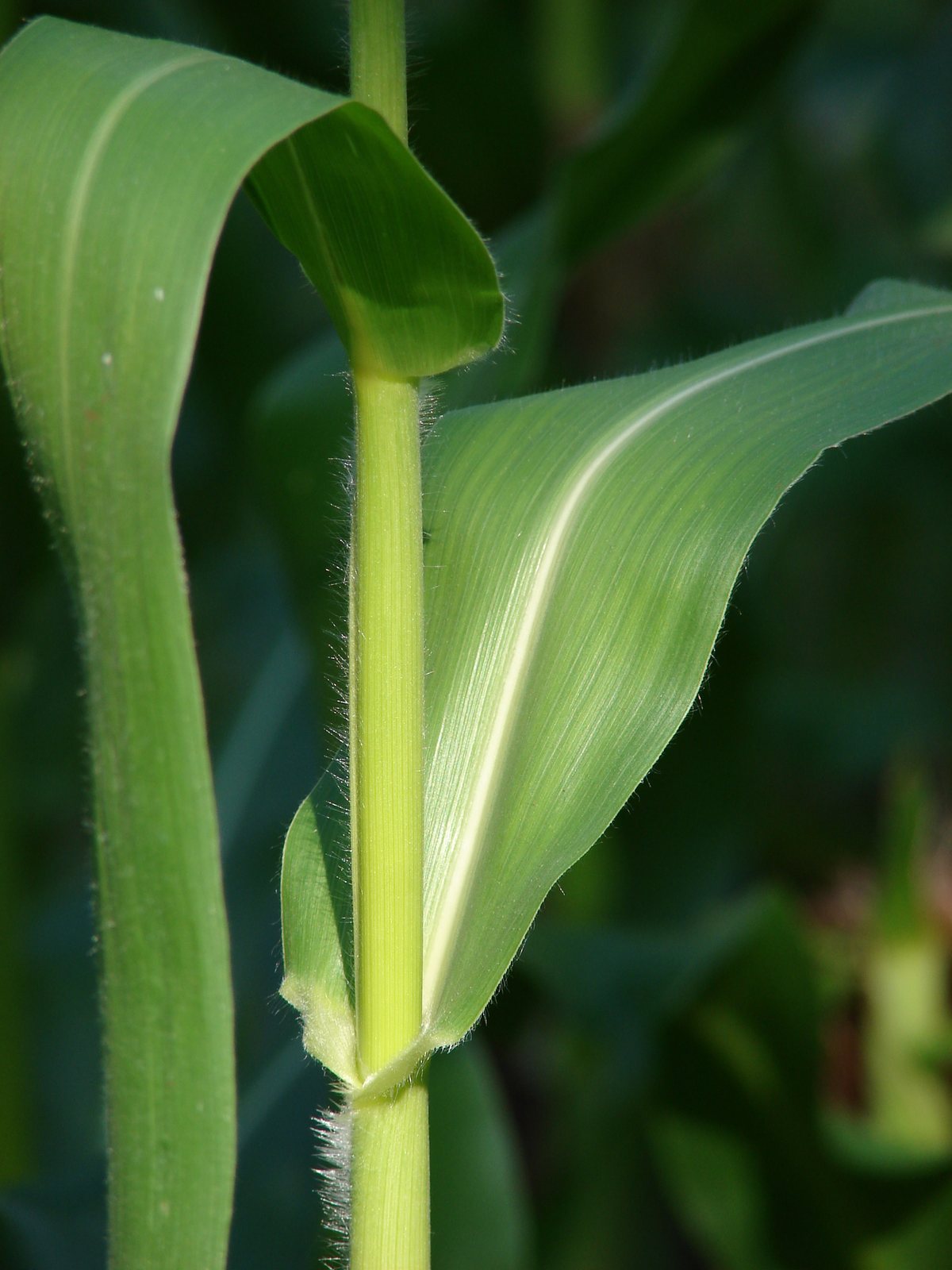
At a glance
- Sun
- Full sun, ideally at least 8 hours of direct sunlight daily.
- Water
- Keep soil evenly moist, especially while tassels, silks and ears develop. Aim for about 1-1.5 in (25-38 mm) of water weekly, including rainfall, and increase watering during hot, dry weather.
- Soil
- Deep, fertile, moisture-retentive but well-drained soil; ideally pH 6.0-7.0.
- Height
- 4-8 ft (1.2-2.4 m), depending on variety
- Spread
- 1-2 ft (0.3-0.6 m)
- Flowers
- Summer: pale green to yellowish tassels at the stem tips shed pollen onto the fine, initially pale silks emerging from the ears.
- Foliage
- Long, broad, arching green leaves with prominent midribs, carried on upright, jointed stems.
- Growth
- Fast; many varieties reach harvest about 65-100 days after sowing in suitable conditions.
- Care needed
- Medium
The year at a glance
- Heat tolerant
- Wildlife
- Edible
| J | F | M | A | M | J | J | A | S | O | N | D | |
|---|---|---|---|---|---|---|---|---|---|---|---|---|
| Flowers | ||||||||||||
| Fruit | ||||||||||||
| Plant |
Northern hemisphere months. In Australia, shift them by six.
- Difficulty
- Moderate
- Toughness
- Fairly tough
Will it suit your garden?
Pick your zone, country, light and whether you have pets.
Full sun is 6 or more hours of direct sun a day, part shade 3 to 6 hours, shade under 3.
How it grows
Planting day
0.7 ft (0.22 m)
After 1 year
6 ft (1.8 m)
full size
Full size in one season.
From a typical nursery size, at an average rate for this kind of plant. A rule of thumb, not a forecast.
Good to know
- Cats and dogs
- Safe
- Growth rate
- Fast
Care
Jobs through the year
- WaterMay–Jun, every 7 days
- Water established plants deeply when rain is insufficient; keep newly sown or transplanted plants moist.
- WaterJul–Aug, every 3 days
- Supply 25–38 mm weekly including rain, split between waterings; never let silking plants dry out.
- WaterSep, every 7 days
- Continue deep watering in dry weather until remaining ears have filled.
- FeedMay
- Work mature compost into the bed before planting.
- FeedJun–Jul
- Apply a nitrogen-rich feed once plants reach knee height, following the label.
- MulchJun
- Mulch warm soil to retain moisture, keeping stems clear.
- ProtectAug–Sep
- Use securely fitted wildlife-safe barriers if birds or mammals attack ripening ears.
- HarvestAug–Sep
- Check ears with brown silks; pick when a pierced kernel releases milky juice and eat or chill promptly.
- Plant in a block of at least four short rows rather than one long row for more reliable wind pollination.
- Space plants about 12-18 in (30-45 cm) apart, following the variety's instructions.
- Water deeply during dry spells; do not let the root zone dry out during silking and ear development.
- Work compost into the bed before planting, then apply a nitrogen-rich feed at the label rate when plants are about knee-high.
- Mulch once the soil has warmed, keeping mulch clear of the stems; weed shallowly to avoid damaging roots.
- Keep incompatible sweet corn types and field corn separated by adequate distance or non-overlapping flowering times; follow the seed supplier's isolation advice.
Pruning. Do not prune, remove tassels or routinely remove side shoots. After the final harvest, cut down the stalks and chop healthy material for composting.
Harvest
Pick full-sized ears in summer to early autumn, usually about 18–24 days after the silks first appear. The silks should be brown and dry but the husks still green; peel back a little husk and press a kernel with your thumbnail—milky juice means ready, clear juice means wait, and thick, doughy contents mean it is past its best.
Through the year
- Late winter
- Choose a variety suited to your summer length and check its pollination-isolation requirements.
- Spring
- Prepare a sunny bed with compost; in cool climates, start seeds in deep modules a few weeks before the last expected frost.
- Late spring
- Sow or transplant after frost danger has passed and soil has warmed to at least 60°F (16°C); supersweet types often need warmer soil.
- Early summer
- Thin seedlings, mulch warm soil and apply a nitrogen-rich feed when plants are knee-high.
- Summer
- Water consistently during tasseling and silking, and inspect ears and leaves for caterpillars.
- Late summer
- Harvest when silks have browned and a pierced kernel releases milky juice; eat or chill the ears promptly.
- Autumn
- Clear finished stalks and remove diseased material; rotate next year's crop to another bed where practical.
In the garden
- Plant in compact blocks within a vegetable garden or potager, allowing space for wind pollination.
- Use as a temporary summer screen along the sunny edge of an edible garden, where it will not shade shorter crops.
- Place behind low-growing vegetables for a strong vertical layer in an edible border.
- Combine with squash and climbing beans in a spacious traditional mixed planting, choosing sturdy corn and managing competition for water and nutrients.
Garden styles it suits: Potager (kitchen garden), Edible landscape, Homestead, Farmhouse, Cottage garden and Family-friendly.
Plant it with: Winter squash, Pumpkin, Bush beans, Climbing beans and Nasturtium.
Wildlife: Wind-pollinated rather than dependent on insect pollinators, though bees may collect pollen from tassels. Birds and mammals eat the kernels, and raccoons, squirrels, rodents or parrots can damage crops where present.
Problems to watch for
- Patchy kernels or poorly filled ears: plant a larger block, maintain moisture during flowering and check that nearby corn types are compatible.
- Seed rot or weak emergence: avoid cold, waterlogged soil and delay sowing until the soil is warm enough for the chosen variety.
- Corn earworms and corn borers: inspect regularly, remove accessible caterpillars and badly damaged material, and use only locally approved controls labelled for edible corn.
- Aphids on tassels and leaves: dislodge small colonies with water and protect ladybirds and other predators; avoid unnecessary broad-spectrum insecticides.
Safety
Sweet corn is not known to be toxic to people, cats, dogs or horses under normal growing conditions. Cobs can cause choking or serious intestinal blockage if swallowed, especially by dogs. Drought-stressed or heavily nitrogen-fertilised stalks and leaves can accumulate nitrates and poison grazing animals, including horses; do not offer stressed plants as fodder.
Easily confused with
Field corn (Zea mays)
Plants can look almost identical, especially before harvest. Field corn is selected mainly for starch, feed or processing rather than tender, sugary kernels; use labelled seed because appearance alone is unreliable.
Sorghum (Sorghum bicolor)
Has similar upright stems and strap-like leaves, but develops grain in a terminal seed head rather than in husk-wrapped ears along the stem.
The name
The name Zea comes from an ancient Greek word for a cereal grain, while mays derives from the Indigenous Taíno name for maize.
Propagation. Grow from seed each year. Sow about 1-2 in (2.5-5 cm) deep in warm soil, following the packet's temperature guidance. If starting under cover, use deep modules and transplant young plants with minimal root disturbance after frost danger has passed. Saved seed from hybrids will not reliably reproduce the parent crop.
Checked against open data
- Accepted botanical name
- Zea mays
- In the US and Canada
- Introduced in Canada, the lower 48 states, Pacific Basin, Puerto Rico and US Virgin Islands.
- Native range
- Guatemala, Mexico Central and Mexico Southwest.
- Measured
- Soil pH 5.5 to 7.5. Average height 150 cm.
Sources: GBIF (CC BY 4.0), USDA PLANTS and Trefle (CC BY 4.0). The care and design notes are LandscapeGPT's own.
See it in your own yard.
Upload a photo of your yard and see it redesigned with plants that suit your climate, each checked against your zone.