Sweet rocket
Hesperis matronalis. Family Brassicaceae. Perennial.
Also called Dame's rocket, Dame's violet.
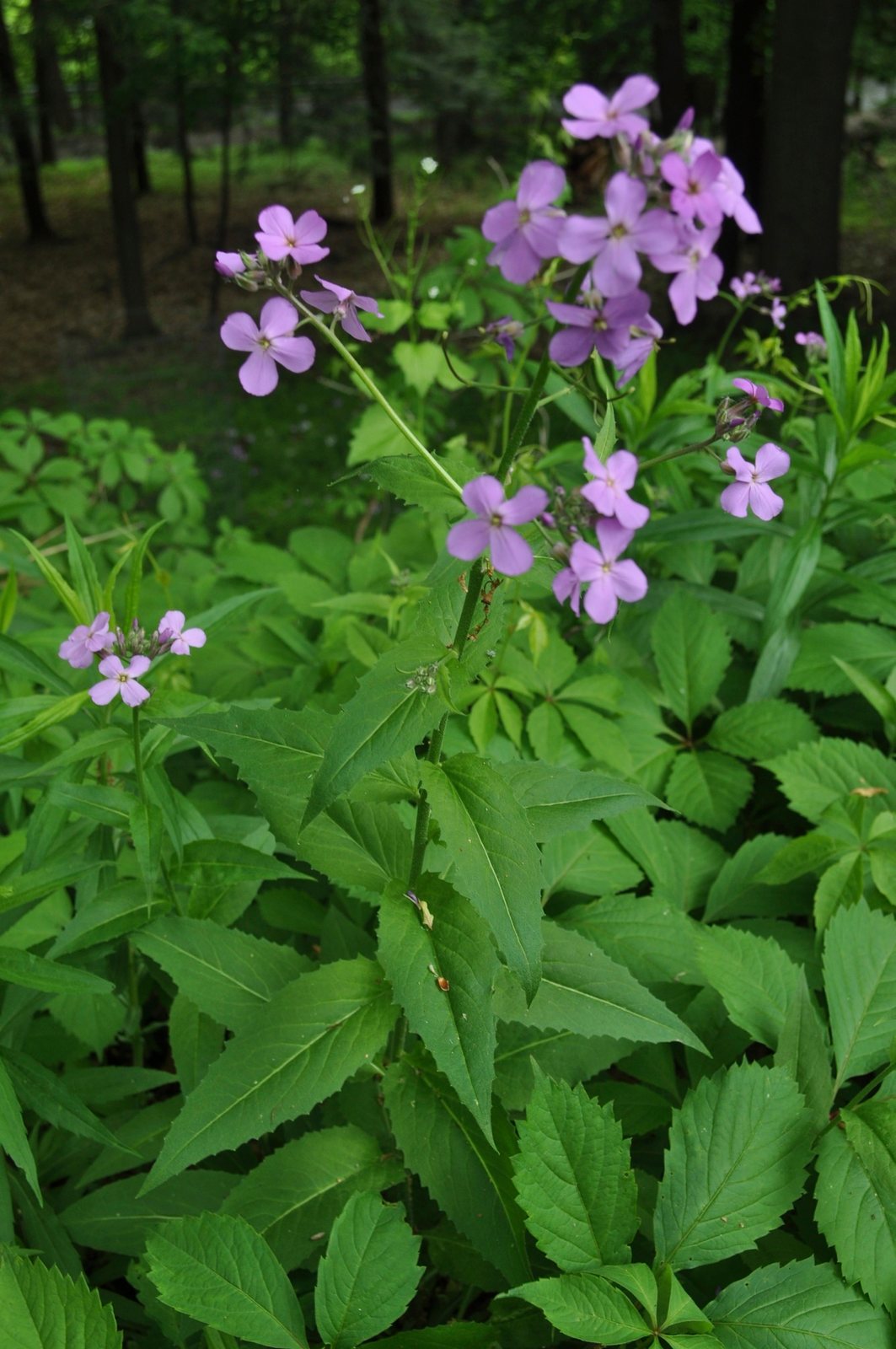
Sweet rocket is a biennial or short-lived perennial grown for loose clusters of purple, pink or white flowers with a clove-like scent strongest in the evening. It suits informal borders but seeds freely and is invasive in parts of North America; check local restrictions before planting.
At a glance
- Sun
- Full sun to partial shade; light afternoon shade helps in warmer areas.
- Water
- Moderate; water during establishment and prolonged dry spells, allowing the surface soil to dry slightly between waterings.
- Soil
- Moist but well-drained soil, preferably reasonably fertile; tolerates clay, loam and chalk if drainage is adequate.
- Height
- 2-3 ft (0.6-0.9 m)
- Spread
- 1-2 ft (0.3-0.6 m)
- Flowers
- Late spring to early summer; purple, lilac, pink or white, with four petals per flower.
- Foliage
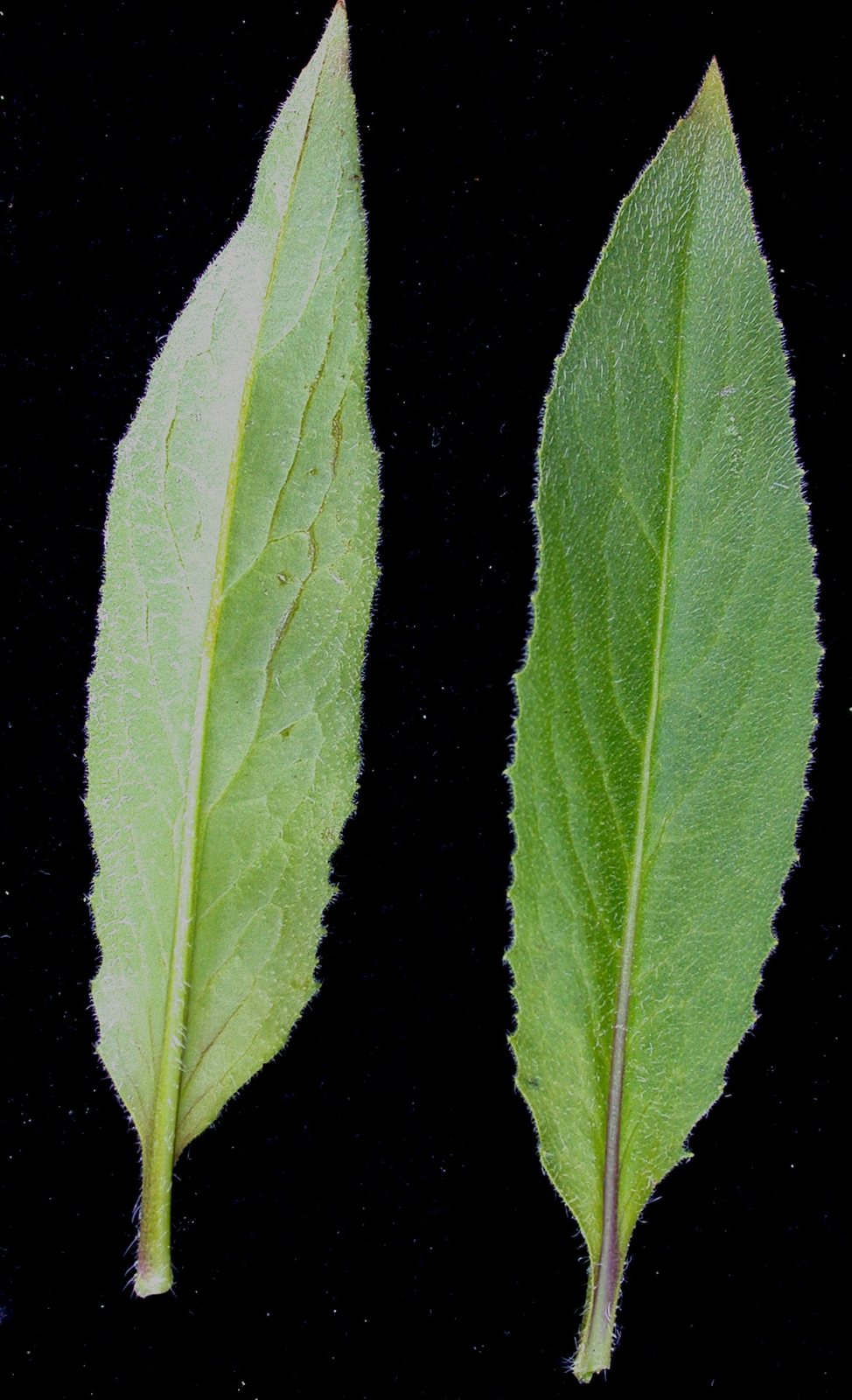
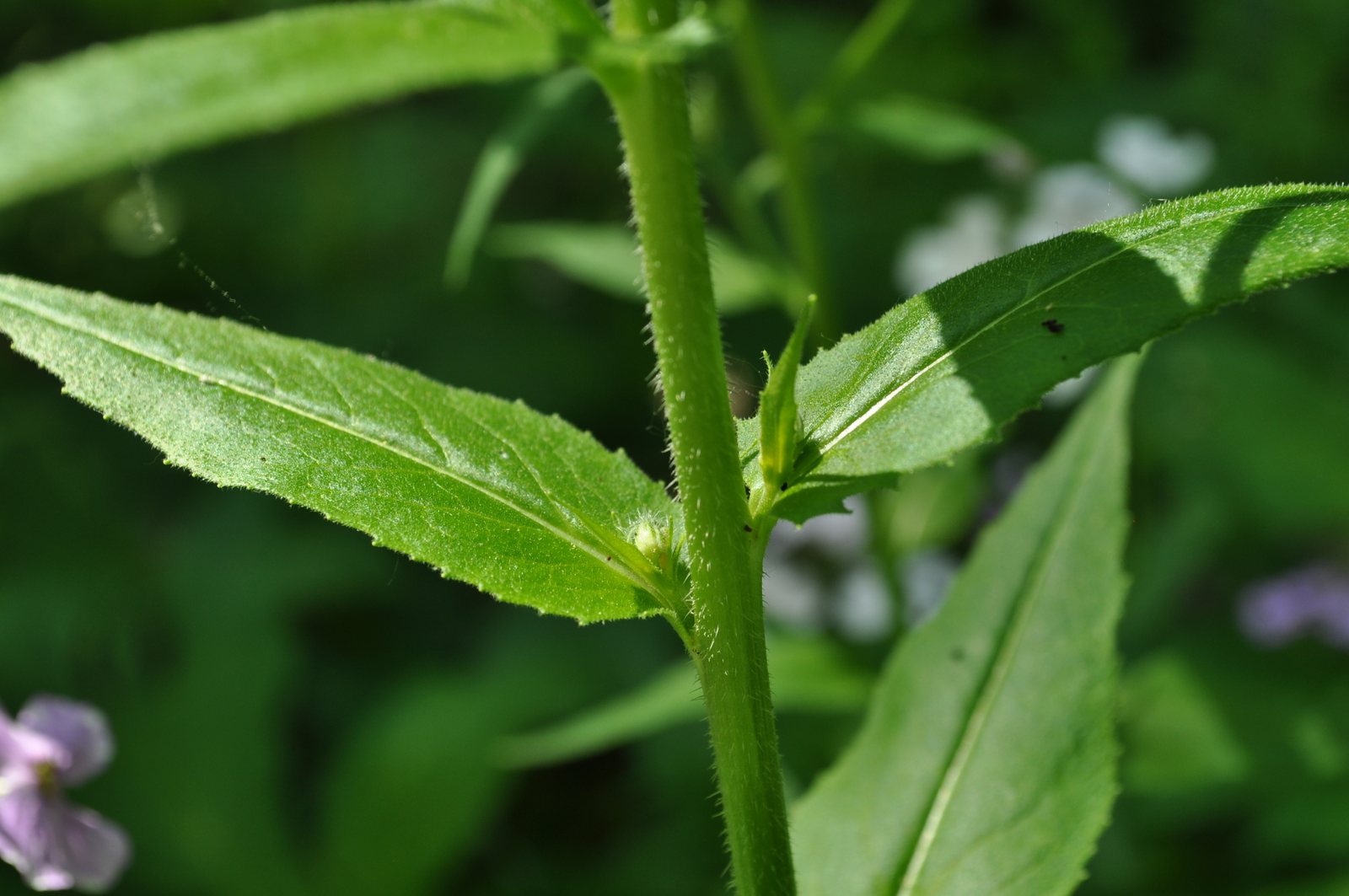
- Roughly hairy, toothed, lance-shaped green leaves arranged alternately on the stems; basal rosettes may remain green through mild winters.
- Growth
- Fast; usually forms a leafy rosette in its first year and flowers in its second.
- Care needed
- Medium
The year at a glance
- Pollinators
- Cold hardy
- Low allergen
- Fragrant
| J | F | M | A | M | J | J | A | S | O | N | D | |
|---|---|---|---|---|---|---|---|---|---|---|---|---|
| Flowers | ||||||||||||
| Plant |
Northern hemisphere months. In Australia, shift them by six.
- Difficulty
- Moderate
- Toughness
- Very tough
Will it suit your garden?
Pick your zone, country, light and whether you have pets.
Full sun is 6 or more hours of direct sun a day, part shade 3 to 6 hours, shade under 3.
How it grows
Planting day
1 ft (0.3 m)
After 1 year
1.7 ft (0.53 m)
After 2 years
2.5 ft (0.75 m)
full size
About 2 years to full size.
From a typical nursery size, at an average rate for this kind of plant. A rule of thumb, not a forecast.
Good to know
- Cats and dogs
- Safe
- Invasive in
- the US and Canada
- In the garden
- Spreads vigorously: plan to contain it.
- Growth rate
- Fast
Care
Jobs through the year
- WaterApr–May, Sep–Oct, every 14 days
- Water established plants during prolonged dry spells; keep young rosettes more consistently moist.
- WaterJun–Aug, every 7 days
- Water established plants in dry weather, letting the surface dry slightly between waterings.
- MulchMar–Apr
- Apply a thin compost mulch without burying rosettes; avoid heavy nitrogen feeding.
- DeadheadMay–Jul, every 7 days
- Cut fading stems to basal leaves before pods develop; do not leave seed-bearing cuttings on soil.
- ProtectMar–Oct, every 14 days
- Grow only where permitted by local invasive-plant rules; promptly pull unwanted seedlings.
- ProtectMar–May, every 7 days
- Check rosettes for slugs and snails and remove pests.
- ProtectApr–May
- Stake tall stems early in exposed positions.
- PruneOct–Nov
- Remove spent stems and unhealthy foliage without scattering seed.
- Check local invasive-plant rules before buying or sowing it.
- Space plants 1-1.5 ft (0.3-0.45 m) apart for airflow.
- Water young plants regularly until established, then during extended dry weather.
- Apply a thin layer of compost in spring; avoid heavy nitrogen feeding, which encourages floppy growth.
- Stake tall stems early in exposed positions.
- Remove unwanted seedlings promptly, including those outside the planted bed.
Pruning. Cut flowering stems down to the basal leaves as blooms fade, before seed pods mature. Remove dead stems and unhealthy foliage in autumn; do not leave cut seed-bearing stems on the ground.
Through the year
- Early spring
- Remove unwanted seedlings and check overwintered rosettes for slug damage.
- Spring
- Plant nursery-grown rosettes where cultivation is permitted; water well and add a thin compost mulch.
- Late spring
- Support tall stems in windy sites and water if the soil becomes dry.
- Early summer
- Deadhead promptly before seed pods develop.
- Late summer
- Where cultivation is permitted, sow seed in pots for replacement plants; most will flower the following year.
- Autumn
- Remove spent stems and surplus rosettes, keeping the planting within its intended area.
In the garden
- Use small groups through the middle of a cottage border with foxgloves and hardy geraniums for an informal late-spring display.
- Place near an evening seating area or path to enjoy the fragrance.
- Combine white-flowered plants with white alliums and silver foliage in a moon garden.
- Use at a lightly shaded woodland edge with columbines, only where it is not invasive and seedlings can be controlled.
Garden styles it suits: Cottage garden, English country, Romantic rose garden, Sensory garden, Moon garden and Blues and silvers.
Plant it with: Foxglove, Columbine, Hardy geranium, Allium, Lady's mantle and Catmint.
Wildlife: Flowers provide nectar for butterflies, moths and bees. In invaded habitats, dense stands can displace native plants, so its value to visiting insects does not justify planting it where it is invasive.
Problems to watch for
- Unwanted self-seeding: cut off flower stems before pods mature and pull seedlings while small.
- Slugs and snails damage young rosettes: inspect after dark, hand-pick and use barriers or an approved iron-based bait where needed.
- Powdery mildew causes white patches on leaves: improve spacing, avoid drought stress and remove badly affected foliage.
- Clubroot causes swollen roots, wilting and poor growth: remove affected plants, avoid moving contaminated soil and do not replant cabbage-family plants in that spot.
Safety
Not known to be toxic to people, cats, dogs or horses, but reliable species-specific animal safety information is limited. Do not deliberately feed any part to pets or livestock; this is an ornamental planting, not a recommended food plant.
Where it spreads. Spreads aggressively by seed in much of northern and central North America, including the northeastern and midwestern United States, parts of the Pacific Northwest, southern Ontario and southern Quebec. It is listed or regulated in several US states, including Colorado and Wisconsin. Avoid planting near woodland, streambanks or natural areas, and check state, provincial and local restrictions.
Easily confused with
Garden phlox (Phlox paniculata)
Garden phlox has five petals and opposite leaves; sweet rocket has four petals and alternate leaves.
Annual honesty (Lunaria annua)
Honesty has broader, often heart-shaped leaves and flat, round, papery seed pods; sweet rocket has narrower leaves and long, slender pods.
Virginia stock (Malcolmia maritima)
Virginia stock is a much shorter annual with a low, branching habit; sweet rocket makes tall, upright flowering stems above a basal rosette.
The name
Hesperis comes from the Greek word for evening, referring to the evening fragrance, while matronalis means 'of a matron' and is reflected in the name dame's rocket.
Propagation. Where cultivation is permitted, sow seed in spring or late summer in pots or a prepared seedbed, covering it lightly. Transplant young rosettes before their roots become crowded; flowering usually follows in the second year. Do not distribute seed where the plant is invasive or restricted.
Checked against open data
- Accepted botanical name
- Hesperis matronalis
- In the US and Canada
- Introduced in Alaska, Canada and the lower 48 states.
- Native range
- Albania, Austria, Bulgaria, Czechoslovakia, France, Greece, Hungary, Italy, Krym, North Caucasus, Poland and Romania.
- Measured
- Soil pH 5 to 7. Average height 83 cm.
Sources: GBIF (CC BY 4.0), USDA PLANTS and Trefle (CC BY 4.0). The care and design notes are LandscapeGPT's own.
See it in your own yard.
Upload a photo of your yard and see it redesigned with plants that suit your climate, each checked against your zone.