Sweet violet
Viola odorata. Family Violaceae. Perennial.
Also called English violet, Wood violet, Common violet.
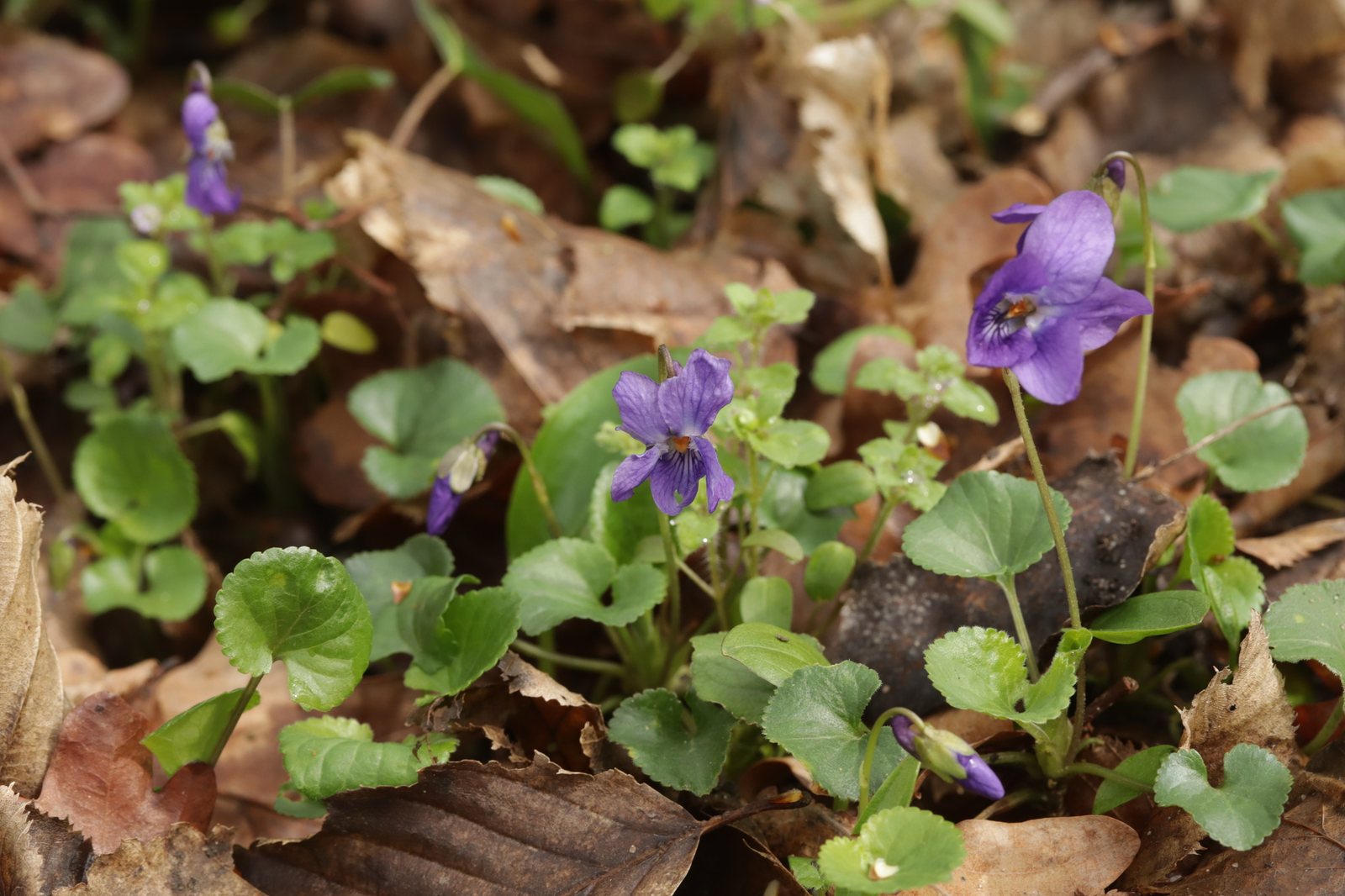
Sweet violet is a low, spreading perennial grown for its fragrant flowers in late winter and spring. It makes a leafy carpet beneath deciduous shrubs and along shaded paths, but its runners and seedlings may need controlling.
At a glance
- Sun
- Partial shade is best. Tolerates full sun in cool climates if the soil stays moist, but needs protection from hot afternoon sun.
- Water
- Keep evenly moist while establishing and during flowering. Established plants tolerate brief dry spells, but prolonged summer drought can make the foliage die back.
- Soil
- Humus-rich, moist but well-drained soil; tolerates clay if it does not remain waterlogged. Prefers neutral to alkaline conditions but tolerates slightly acidic soil.
- Height
- 0.25-0.5 ft (0.08-0.15 m)
- Spread
- 0.5-1 ft (0.15-0.3 m) per clump, spreading farther by runners
- Flowers
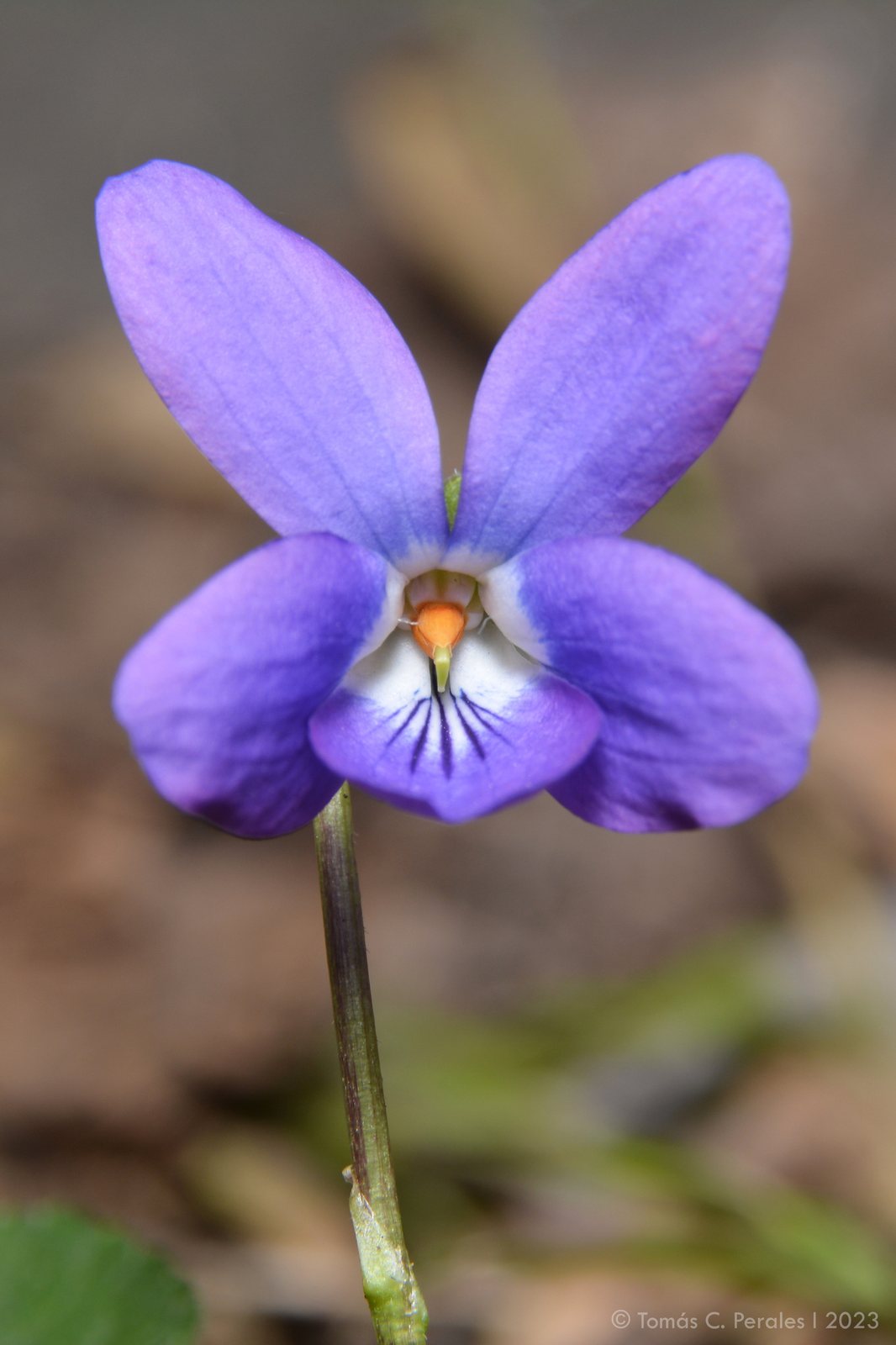
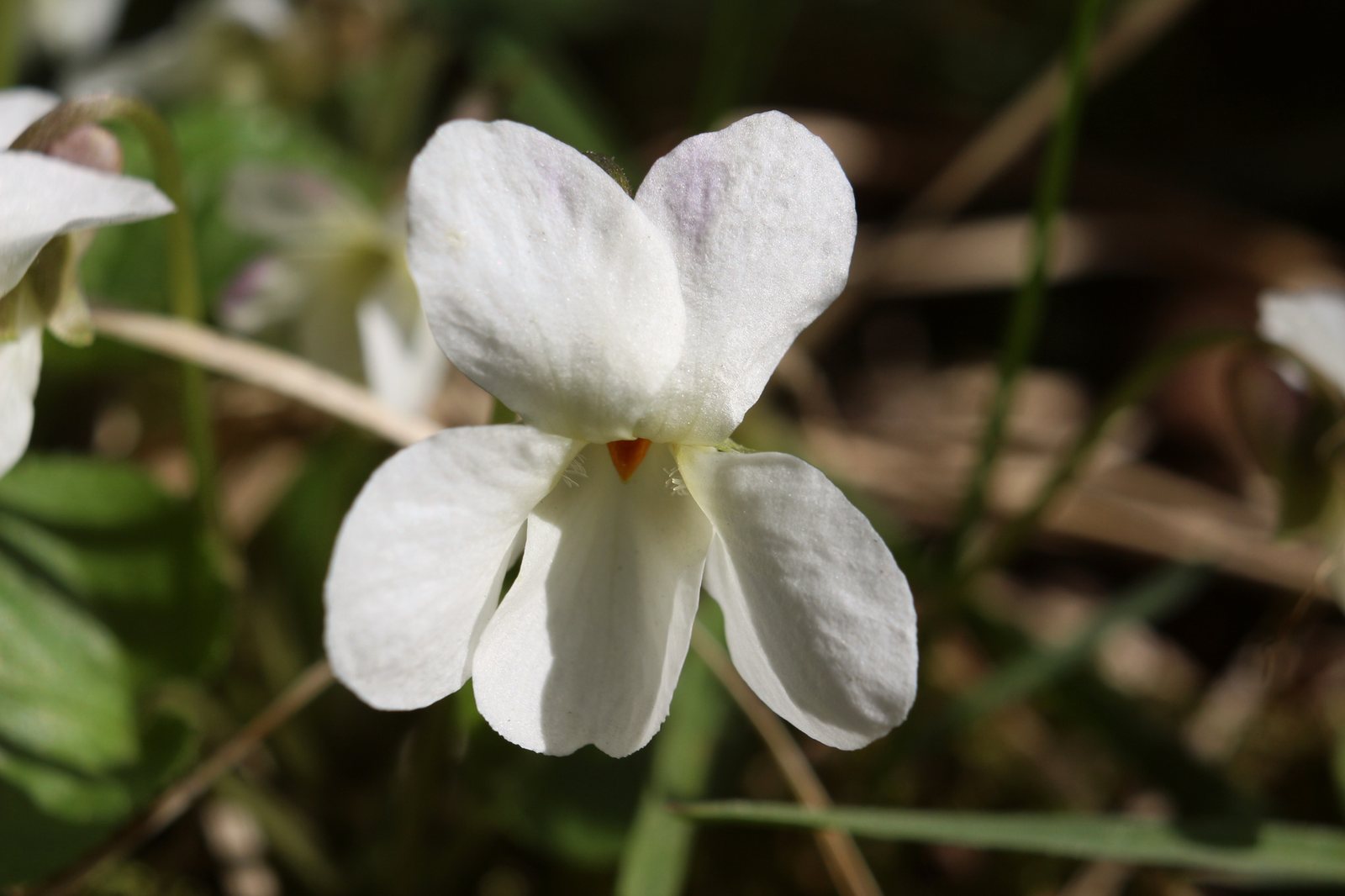
- Late winter to spring; usually violet-purple, with white and pink forms also available. Flowers are strongly scented.
- Foliage
- Heart-shaped green leaves form low rosettes. Usually evergreen or semi-evergreen in mild climates; foliage may die back in severe cold or summer drought.
- Growth
- Moderate; faster in moist, fertile soil.
- Care needed
- Low
The year at a glance
- Pollinators
- Cold hardy
- Wildlife
- Low allergen
- Fragrant
| J | F | M | A | M | J | J | A | S | O | N | D | |
|---|---|---|---|---|---|---|---|---|---|---|---|---|
| Flowers | ||||||||||||
| Plant |
Northern hemisphere months. In Australia, shift them by six.
- Difficulty
- Easy
- Toughness
- Fairly tough
Will it suit your garden?
Pick your zone, country, light and whether you have pets.
Full sun is 6 or more hours of direct sun a day, part shade 3 to 6 hours, shade under 3.
How it grows
Planting day
0.4 ft (0.12 m)
full size
About 2 years to full size.
From a typical nursery size, at an average rate for this kind of plant. A rule of thumb, not a forecast.
Good to know
- Cats and dogs
- Safe
- Native to
- the UK
- Invasive in
- Australia
- In the garden
- Spreads vigorously: plan to contain it.
- Growth rate
- Fast
Care
Jobs through the year
- WaterMar–May, Sep–Oct, every 14 days
- Water established patches when rain is insufficient; keep new plants and flowering patches evenly moist.
- WaterJun–Aug, every 7 days
- Water during dry weather to prevent prolonged drought and foliage dieback.
- MulchMar–Apr
- Add a thin layer of leaf mould or compost, leaving rosette centres uncovered.
- PruneFeb–Mar
- Remove dead leaves by hand to reveal emerging flowers.
- PruneMay–Jun
- Trim damaged leaves and remove runners extending beyond the intended patch.
- DivideMay, Sep
- Divide crowded patches after flowering or in early autumn; water divisions until rooted.
- ProtectOct–Nov
- Remove thick mats of fallen leaves that could smother rosettes.
- Water new plants whenever the surface soil starts to dry; avoid leaving the roots in saturated soil.
- Apply a thin layer of leaf mould or compost in spring, keeping the centres of the rosettes uncovered.
- Skip routine fertiliser in reasonably fertile soil; heavy feeding encourages leaves rather than flowers.
- Lift unwanted runners and seedlings before they establish among neighbouring plants.
- Divide crowded patches after flowering or in early autumn, watering divisions until established.
Pruning. After flowering, trim away damaged leaves and remove runners that extend beyond the intended patch. Do not cut healthy foliage hard during hot, dry weather.
Through the year
- Late winter
- Remove dead leaves by hand so emerging flowers are visible.
- Spring
- Plant in moist soil in partial shade and water thoroughly.
- Late spring
- After flowering, divide crowded patches and remove unwanted runners.
- Summer
- Water during prolonged dry spells and check shaded foliage for slug damage.
- Early autumn
- Plant or move rooted runners while the soil is moist and temperatures are mild.
- Late autumn
- Remove thick mats of fallen leaves that could smother the rosettes.
In the garden
- Plant beneath deciduous shrubs where spring light reaches the flowers before the canopy fills out.
- Edge a lightly shaded path or seating area so the scent can be enjoyed close up.
- Combine with snowdrops, crocuses and primroses for a low spring display.
- Use as groundcover in small woodland beds where its spread can be monitored.
Garden styles it suits: Cottage garden, Woodland, Sensory garden, Romantic rose garden, English country and Wildlife garden.
Plant it with: Snowdrops, Crocuses, Primroses, Hellebores, Ferns and Deciduous azaleas.
Wildlife: Early flowers provide nectar and pollen for bees and other insects when conditions allow them to forage. Violet foliage feeds the caterpillars of some fritillary butterflies, depending on the region.
Problems to watch for
- Slugs and snails chew flowers and young leaves: remove hiding places, collect pests after dark and use iron-phosphate bait according to its label if needed.
- Violet rust causes yellowish spots and orange-brown pustules on leaves: remove affected foliage, clear infected debris and improve airflow.
- Crown or root rot develops in persistently wet soil: improve drainage and replace badly affected plants.
- Sparse flowering often follows deep shade, drought or heavy nitrogen feeding: provide brighter spring light, maintain moisture and avoid high-nitrogen fertiliser.
Safety
Not known to be toxic to people, cats, dogs or horses. Correctly identified flowers and young leaves are edible, though eating large amounts may cause digestive upset. Do not eat plants treated with pesticides not approved for edible crops.
Where it spreads. Runners and self-sown seedlings can spread aggressively through beds and lawns in the UK, temperate North America and southern Australia. It is an environmental weed in parts of southeastern Australia, including Victoria; check local weed guidance before planting near bushland.
Easily confused with
Common blue violet (Viola sororia)
Usually has larger, unscented blue-purple flowers and forms clumps from short, thick rhizomes rather than the long surface runners typical of sweet violet.
Common dog-violet (Viola riviniana)
Flowers are unscented, usually with a pale, notched spur, and appear on leafy stems. Sweet violet flowers arise separately from basal rosettes.
Lesser celandine (Ficaria verna)
Its shiny, rounded to heart-shaped leaves can resemble violet foliage, but its glossy yellow flowers have many narrow petals rather than five violet petals. Fresh lesser celandine is toxic if eaten.
The name
Viola is the Latin name for violet, and odorata means fragrant, referring to the flowers' scent.
Propagation. Separate rooted runners or divide clumps after flowering or in early autumn. Fresh seed can also be sown outdoors; germination may be slow and uneven, and seedlings may differ from named varieties.
Checked against open data
- Accepted botanical name
- Viola odorata
- In the US and Canada
- Introduced in Canada, Hawaii, the lower 48 states and Puerto Rico.
- Native range
- Albania, Algeria, Austria, Azores, Baleares, Baltic States, Belarus, Belgium, Bulgaria, Canary Is., Central European Rus and Corse.
- Measured
- Average height 18 cm.
Sources: GBIF (CC BY 4.0), USDA PLANTS and Trefle (CC BY 4.0). The care and design notes are LandscapeGPT's own.
See it in your own yard.
Upload a photo of your yard and see it redesigned with plants that suit your climate, each checked against your zone.