Sweetgum
Liquidambar styraciflua. Family Altingiaceae. Tree.
Also called American sweetgum, Redgum, Liquidambar.
Sweetgum is a large deciduous tree native to eastern North America, Mexico and Central America, grown for its star-shaped leaves and yellow, orange, red and purple autumn colour. It suits spacious gardens, but its surface roots and hard, spiny seed balls make it a poor choice beside paving, lawns used for barefoot play or small patios.
At a glance
- Sun
- Full sun for the strongest autumn colour; tolerates light partial shade.
- Water
- Keep young trees evenly moist. Established trees tolerate short dry spells, but prolonged drought can cause leaf scorch and early leaf fall.
- Soil
- Deep, moist, acidic to neutral soil, preferably well drained. Tolerates clay and occasional waterlogging; alkaline or chalky soil often causes yellow leaves and poor growth.
- Height
- 60-80 ft (18-24 m)
- Spread
- 40-60 ft (12-18 m)
- Flowers
- Small, inconspicuous greenish flowers in spring; female flowers develop into woody, spiny seed balls.
- Foliage
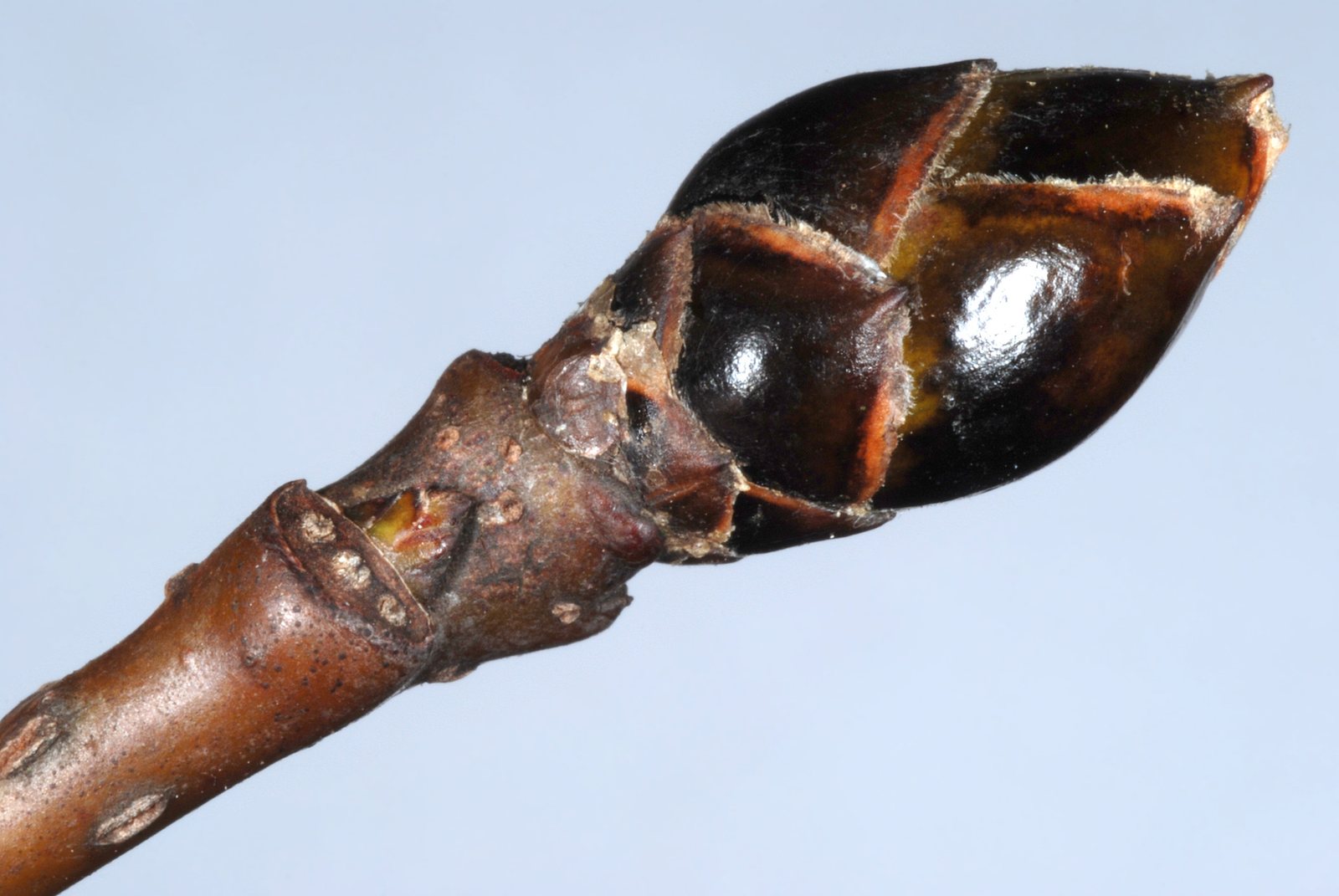
- Glossy green, star-shaped leaves, usually with five to seven pointed lobes; autumn colour varies with the tree, soil and weather. Twigs may develop corky ridges.
- Growth
- Moderate to fast when young, slowing with age.
- Care needed
- Medium
The year at a glance
- Heat tolerant
- Wildlife
| J | F | M | A | M | J | J | A | S | O | N | D | |
|---|---|---|---|---|---|---|---|---|---|---|---|---|
| Fruit | ||||||||||||
| Plant |
Northern hemisphere months. In Australia, shift them by six.
- Difficulty
- Moderate
- Toughness
- Fairly tough
Will it suit your garden?
Pick your zone, country, light and whether you have pets.
Full sun is 6 or more hours of direct sun a day, part shade 3 to 6 hours, shade under 3.
How it grows
Planting day
8 ft (2.5 m)
After 1 year
11 ft (3.4 m)
After 2 years
14 ft (4.4 m)
After 3 years
17 ft (5.3 m)
After 5 years
23 ft (7.1 m)
About 20 years to full size.
From a typical nursery size, at an average rate for this kind of plant. A rule of thumb, not a forecast.
Good to know
- Cats and dogs
- Safe
- Native to
- the US
- Growth rate
- Moderate
Care
Jobs through the year
- WaterApr–May, Sep–Oct, every 14 days
- Water established trees deeply if soil is dry; keep young trees evenly moist for two to three years.
- WaterJun–Aug, every 7 days
- Water deeply during prolonged drought to limit leaf scorch; skip if rainfall is sufficient.
- MulchMar–Apr
- Maintain 5–8 cm of organic mulch over the roots, clear of the trunk.
- FeedMar–Apr
- Feed only if a soil test identifies a deficiency; investigate chlorosis before treating.
- PruneFeb–Mar
- Remove damaged or crossing branches and young competing leaders; never top.
- ProtectMar–Apr
- Check young-tree ties and protect the root zone from digging and compaction.
- ProtectJan–Mar, Sep–Dec, every 14 days
- Collect fallen spiny seed balls from paths and play areas.
- Plant while dormant, choosing a small nursery tree because larger specimens can be difficult to establish.
- Water deeply during dry spells for the first two to three growing seasons.
- Spread a 2-3 in (5-8 cm) layer of organic mulch over the root area, keeping it clear of the trunk.
- Leave room for the mature crown and spreading roots; avoid planting beside paving, drains or small terraces.
- Do not feed routinely; use a soil test to guide treatment if growth is poor or leaves turn yellow.
- Collect fallen seed balls from paths and lawns where people walk or play.
Pruning. Prune in late winter while dormant, removing dead, damaged or crossing branches and correcting competing leaders while the tree is young. Avoid topping or heavy crown reduction; use a qualified arborist for large branches.
Through the year
- Autumn
- Plant after leaf fall while the soil remains workable, or wait until spring in very cold regions.
- Late winter
- Check young trees for competing leaders and prune lightly to develop a sound framework.
- Spring
- Refresh mulch and check that ties are not rubbing or constricting the trunk.
- Late spring
- Check new leaves for yellowing between green veins, especially on alkaline soil.
- Summer
- Water young trees deeply during dry weather and check established trees for drought stress.
- Autumn and winter
- Rake leaves and remove fallen seed balls from walking routes; seed balls may continue dropping for months.
In the garden
- Use as a specimen in a large lawn, leaving ample room for its broad mature crown.
- Plant at a woodland edge with acid-soil shrubs for layered autumn colour.
- Use in spacious parkland or estate avenues where roots and seed litter will not conflict with paving.
- Place beyond a terrace or main window to frame a seasonal view without overhanging the seating area.
Garden styles it suits: Grand estate, Woodland, Traditional, Autumn colour, Southern and English country.
Plant it with: Oakleaf hydrangea, Fothergilla, Virginia sweetspire, Rhododendron, Christmas fern and Pennsylvania sedge.
Wildlife: Seeds feed finches and other small birds, and the mature crown provides shelter and nesting sites. The leaves support caterpillars within its native range.
Problems to watch for
- Yellow leaves with green veins usually indicate iron chlorosis on alkaline soil: test soil pH, avoid planting on chalk, and seek advice on suitable chelated iron treatment; repeated treatment may not overcome an unsuitable site.
- Leaf scorch and premature leaf drop can follow drought or root disturbance: water deeply, mulch and avoid digging or compacting soil beneath the crown.
- Surface roots can lift paving and root suckers may appear: allow generous planting space, remove suckers at their origin and do not cut major roots to protect paving.
- Spiny seed balls create persistent litter and can be uncomfortable underfoot: collect them regularly and keep the species away from busy paths and play areas.
Safety
Not known to be toxic to people, cats, dogs or horses. The hard, spiny seed balls are a physical hazard rather than a poison: they can hurt paws or bare feet and may cause choking or digestive injury if swallowed.
Easily confused with
Japanese maple (Acer palmatum)
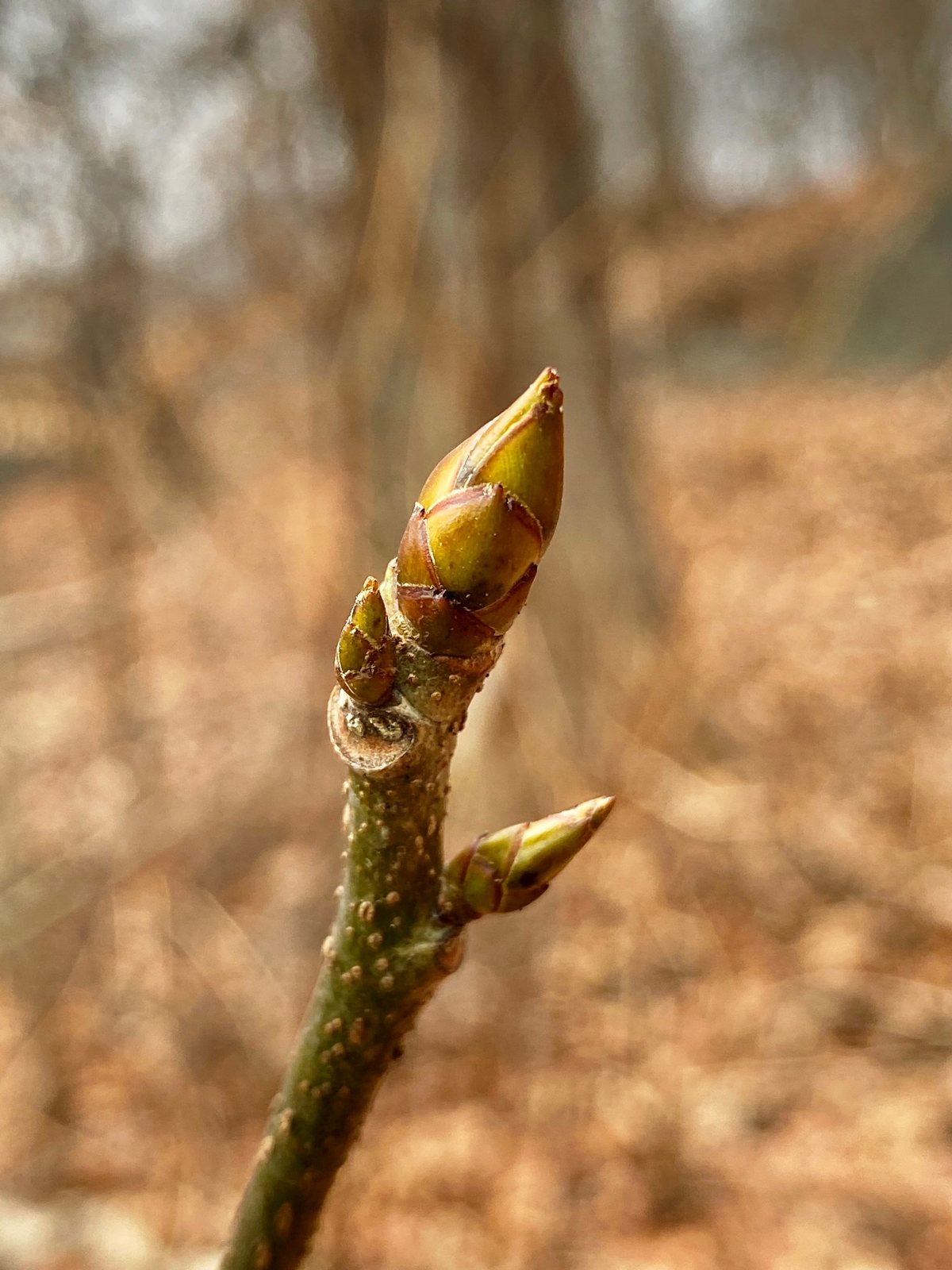
Both can have deeply lobed leaves, but maple leaves and buds occur in opposite pairs. Sweetgum leaves alternate along the twig, and its fruit is a spiny ball rather than paired winged seeds.
London plane (Platanus × hispanica)
London plane has broader, less sharply star-shaped leaves, conspicuously peeling mottled bark and fuzzy-looking seed balls. Sweetgum has sharply pointed leaf lobes and hard, visibly spiny fruit.
Chinese sweetgum (Liquidambar formosana)
Chinese sweetgum usually has three-lobed leaves, often hairy beneath, whereas American sweetgum usually has five to seven lobes and largely hairless mature leaves.
The name
Liquidambar combines Latin liquidus, meaning liquid, with Arabic anbar, referring to amber, while styraciflua means flowing with storax, alluding to the fragrant resin that also gives sweetgum its common name.
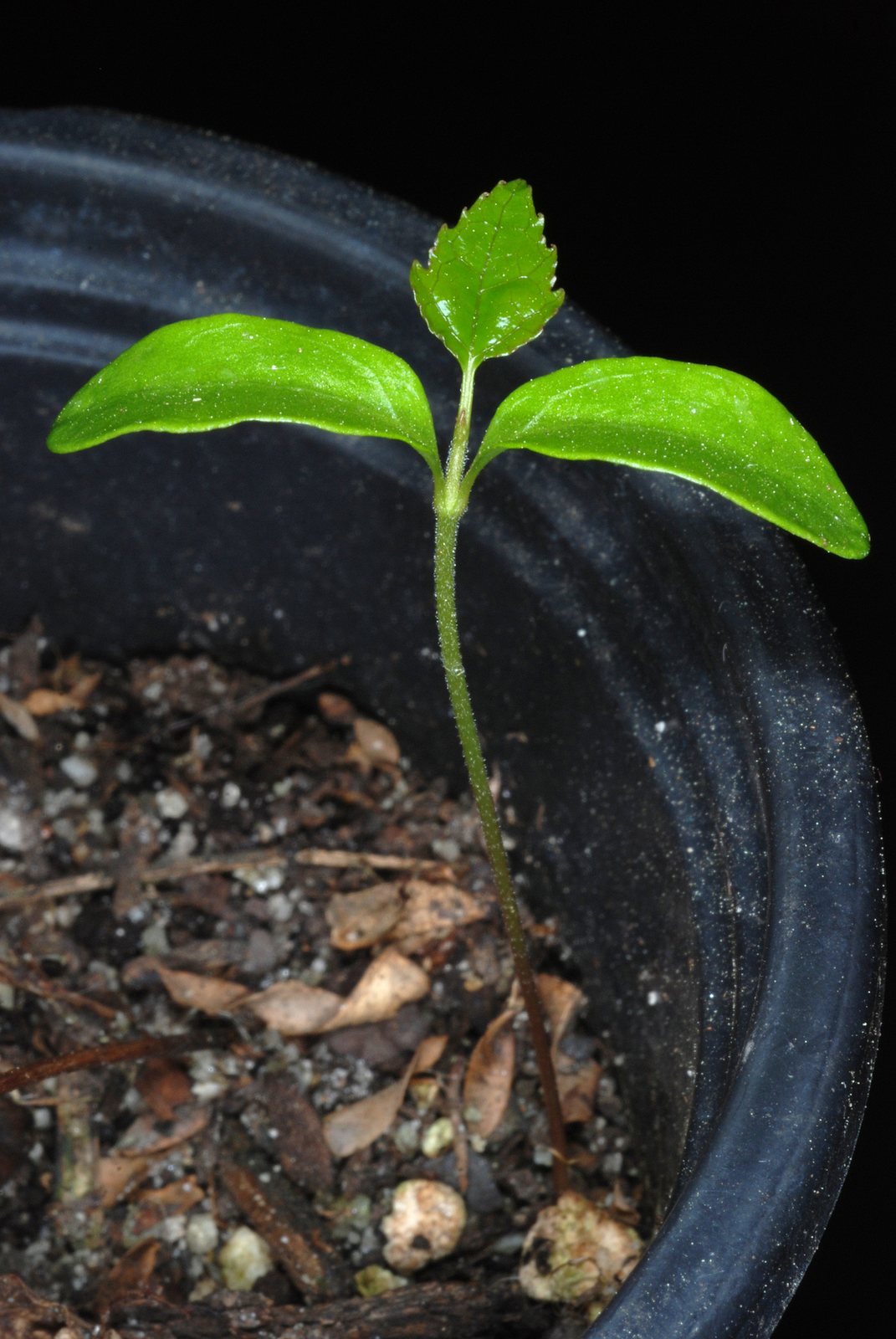
Propagation. Grow from seed collected from ripe seed balls; a period of cold, moist stratification improves germination. Seedlings vary in autumn colour. Named cultivars are usually propagated by grafting to preserve their characteristics.
Checked against open data
- Accepted botanical name
- Liquidambar styraciflua
- In the US and Canada
- Native in the lower 48 states.
- Native range
- Alabama, Arkansas, Belize, Connecticut, El Salvador, Florida, Georgia, Guatemala, Honduras, Illinois, Indiana and Kentucky.
- Measured
- Soil pH 4.5 to 7. Average height 1840 cm.
Sources: GBIF (CC BY 4.0), USDA PLANTS and Trefle (CC BY 4.0). The care and design notes are LandscapeGPT's own.
See it in your own yard.
Upload a photo of your yard and see it redesigned with plants that suit your climate, each checked against your zone.