Switchgrass 'Heavy Metal'
Panicum virgatum 'Heavy Metal'. Family Poaceae. Ornamental grass.
Also called 'Heavy Metal' switch grass.
'Heavy Metal' is an upright, clump-forming selection of a North American native warm-season grass. Gardeners grow it for its metallic blue foliage, fine late-summer flower clouds and stiff stems that often remain standing through winter. It starts growing relatively late in spring.
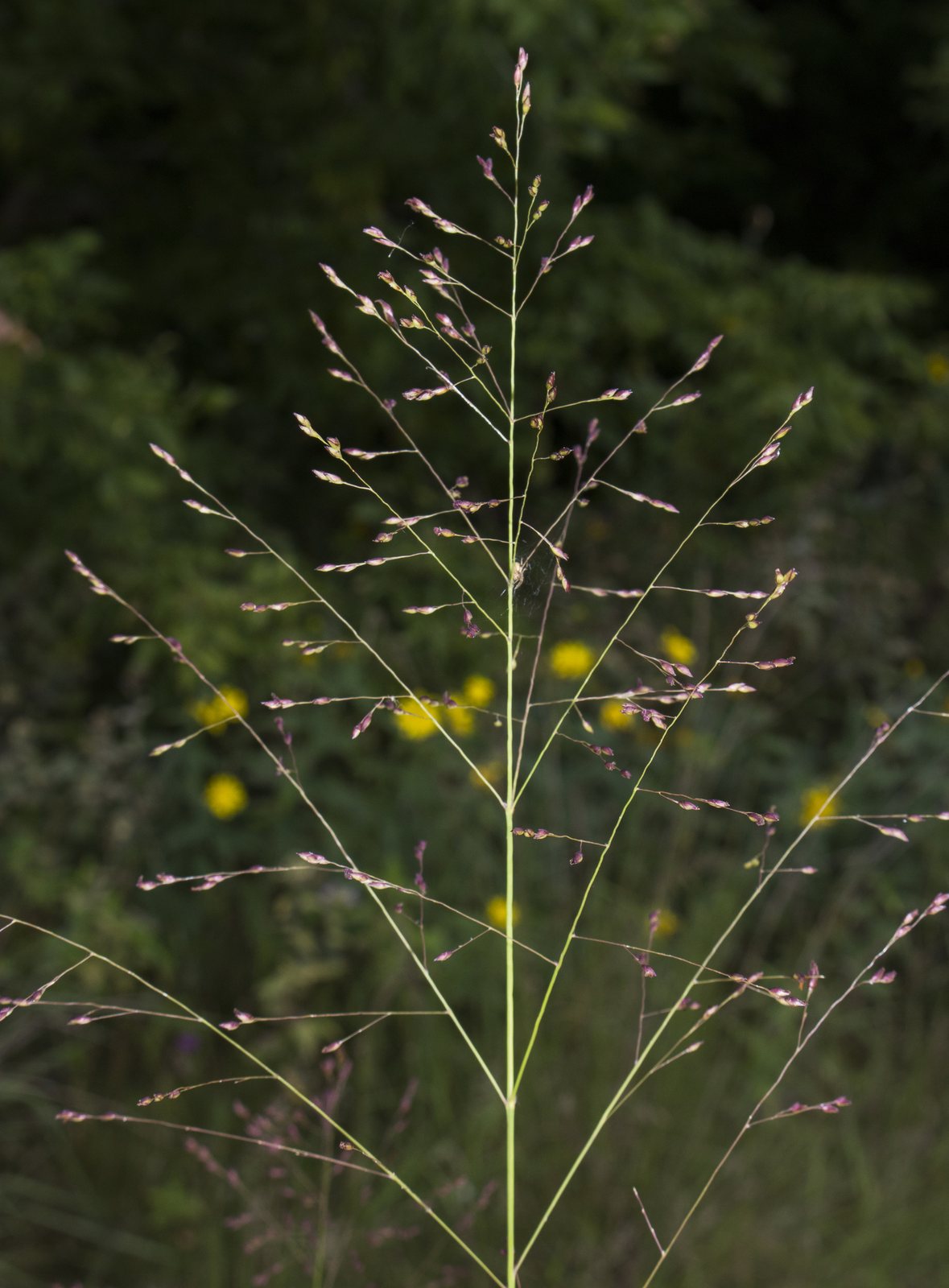
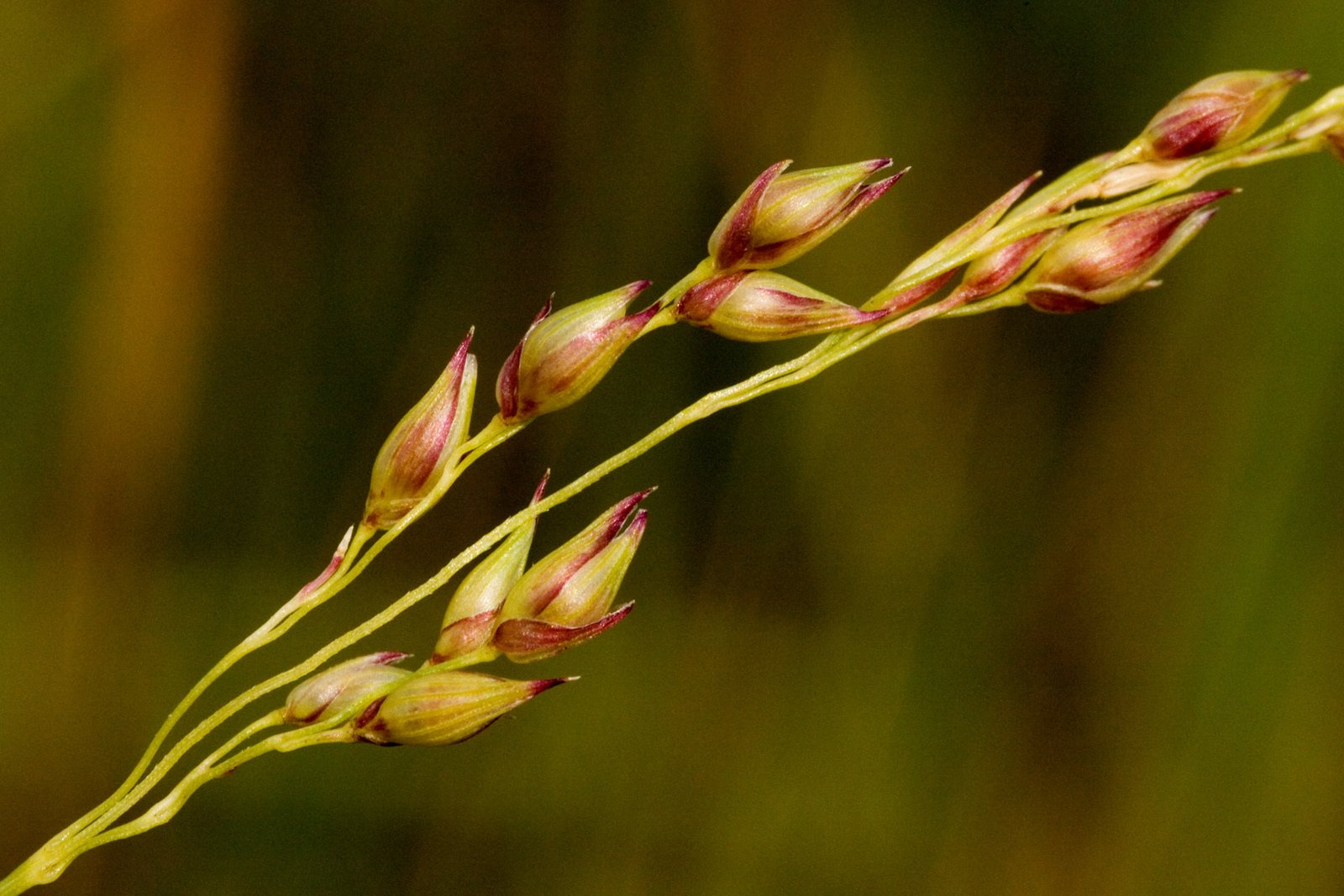
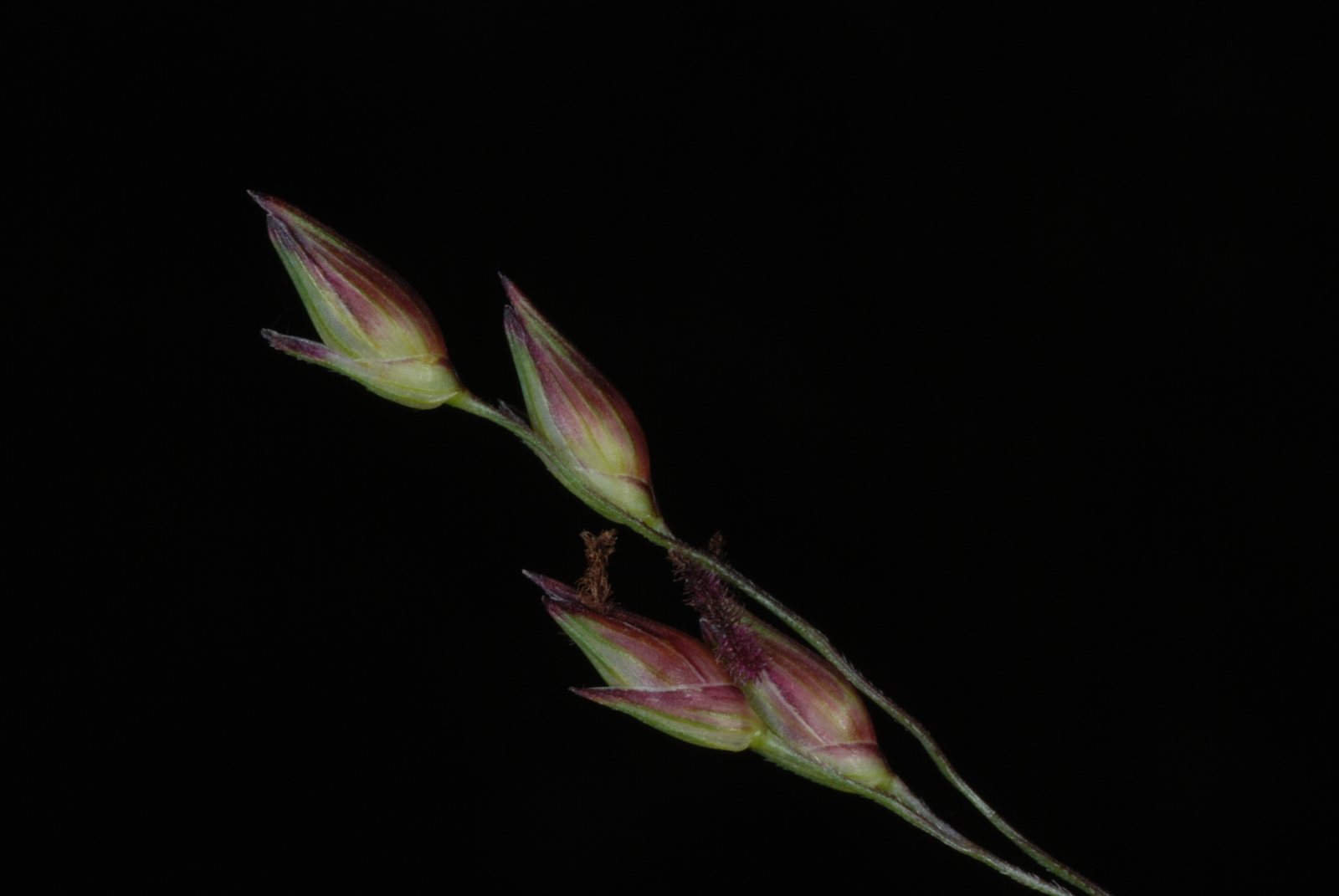
At a glance
- Sun
- Full sun; light shade is tolerated, but plants become looser and may lean.
- Water
- Water regularly during the first growing season. Once established, it tolerates dry spells, though prolonged drought can brown the foliage.
- Soil
- Adaptable to clay, loam and sandy soils, including moderately poor soil. Best in reasonably drained soil; avoid persistently waterlogged winter conditions.
- Height
- 4-5 ft (1.2-1.5 m), including flowers
- Spread
- 2-3 ft (0.6-0.9 m)
- Flowers
- Late summer into early autumn; airy panicles of tiny pink-tinged flowers fade to tan seed heads.
- Foliage
- Narrow, upright, metallic blue to blue-green leaves turn yellow in autumn, then straw-coloured for winter.
- Growth
- Moderate; most growth occurs in warm weather.
- Care needed
- Low
The year at a glance
- Deer resistant
- Drought tolerant
- Cold hardy
- Heat tolerant
- Wildlife
| J | F | M | A | M | J | J | A | S | O | N | D | |
|---|---|---|---|---|---|---|---|---|---|---|---|---|
| Flowers | ||||||||||||
| Fruit | ||||||||||||
| Plant |
Northern hemisphere months. In Australia, shift them by six.
- Difficulty
- Easy
- Toughness
- Very tough
Will it suit your garden?
Pick your zone, country, light and whether you have pets.
Full sun is 6 or more hours of direct sun a day, part shade 3 to 6 hours, shade under 3.
How it grows
Planting day
1.1 ft (0.35 m)
After 1 year
2.5 ft (0.75 m)
After 2 years
4 ft (1.2 m)
After 3 years
4 ft (1.4 m)
full size
About 3 years to full size.
From a typical nursery size, at an average rate for this kind of plant. A rule of thumb, not a forecast.
Good to know
- Cats and dogs
- Safe
- Native to
- the US and Canada
- Growth rate
- Moderate
Care
Jobs through the year
- WaterApr–May, Sep, every 21 days
- Water established clumps only in prolonged dry weather; water young plants more frequently.
- WaterJun–Aug, every 14 days
- Deep-water established clumps during prolonged drought; skip watering when soil is moist.
- PruneFeb–Mar
- Cut standing stems to 10–15 cm above ground before new shoots lengthen.
- DivideApr–May
- Divide congested clumps as growth starts if the centre weakens.
- MulchApr–May
- Lightly mulch young plants, keeping the crown clear; avoid rich feeds.
- Plant in spring in colder regions, allowing room for the mature clump.
- Water deeply during establishment, then during prolonged dry spells.
- Avoid routine feeding; rich soil and excess nitrogen encourage floppy growth.
- Apply a light organic mulch around young plants, keeping it clear of the crown.
- Divide congested clumps in spring if growth weakens in the centre.
- Staking is rarely needed in full sun; move persistently leaning plants out of shade.
Pruning. Leave the dry stems standing for winter structure. In late winter or early spring, before new shoots lengthen, cut the clump back to 4-6 in (10-15 cm) above ground.
Through the year
- Late winter
- Enjoy the standing stems, then cut them back before fresh growth starts.
- Spring
- Plant or divide clumps as the soil warms; do not mistake its late emergence for winter death.
- Late spring
- Weed around new shoots and apply a light mulch without covering the crown.
- Summer
- Water newly planted clumps during dry weather; avoid high-nitrogen feeds.
- Late summer
- Leave the airy flower heads to develop; check for rust if conditions are humid.
- Autumn
- Retain the yellowing foliage and seed heads for winter interest; remove unwanted seedlings.
In the garden
- Repeat clumps through a sunny perennial border to provide upright blue foliage among rounded flowers.
- Plant in drifts with coneflowers and black-eyed Susans for a prairie-style planting.
- Use in rows beside paths or terraces as a seasonal, loosely transparent divider.
- Set against a dark hedge or wall to show off its pale flower panicles and winter stems.
Garden styles it suits: Modern, Architectural minimal, New perennial (prairie), Midwest prairie, Low-maintenance and Winter interest.
Plant it with: Purple coneflower, Black-eyed Susan, Blazing star, Russian sage, Butterfly weed and Showy stonecrop.
Wildlife: Seed heads can feed small birds, and standing clumps provide winter shelter for insects. In its native North American range, switchgrass also supports several butterfly and moth larvae. The flowers are wind-pollinated rather than a nectar source for bees.
Problems to watch for
- Flopping: usually caused by shade, rich soil or excess feeding; provide full sun and stop nitrogen feeding.
- Rust: orange-brown pustules may develop on leaves in humid weather; improve air circulation and remove affected debris at the seasonal cutback.
- Crown rot: persistent winter wet can kill clumps; improve drainage or move the plant to a better-drained position.
- Unwanted seedlings: occasional seedlings may appear and will not reliably resemble 'Heavy Metal'; pull them young or remove flower heads before seed ripens.
Safety
Switchgrass can poison horses and other grazing livestock: saponins in the foliage can cause liver damage and severe sensitivity to sunlight. Keep it out of paddocks and do not feed the cuttings. It is not known to be toxic to people, cats or dogs through ordinary garden contact, but ingestion safety is not well established and it should not be treated as an edible grass.
Easily confused with
'Northwind' switchgrass (Panicum virgatum 'Northwind')
Usually has broader, more olive-green to blue-green leaves and a particularly tight, columnar habit; 'Heavy Metal' has a more distinctly metallic blue appearance.
Little bluestem (Schizachyrium scoparium)
Usually shorter, with rusty orange autumn colour and small, fluffy seed clusters along the stems rather than switchgrass's broad, airy panicles.
Feather reed grass (Calamagrostis × acutiflora)
Starts growing and flowers earlier, with narrow, dense flower plumes rather than the open, mist-like flower heads of switchgrass.
The name
The Latin epithet virgatum means twiggy or wand-like, referring to the slender stems, while 'Heavy Metal' describes this cultivar's metallic blue foliage.
Propagation. Divide established clumps in spring as growth begins, using a sharp spade or saw if necessary. Division preserves the cultivar; seed-grown plants will not reliably retain its blue colour and upright habit.
Checked against open data
- Accepted botanical name
- Panicum virgatum
- In the US and Canada
- Native in Canada and the lower 48 states. Introduced in Hawaii.
- Native range
- Alabama, Arizona, Arkansas, Belize, Bermuda, Colorado, Connecticut, Cuba, Delaware, District of Columbia, Florida and Georgia.
- Measured
- Average height 100 cm.
Sources: GBIF (CC BY 4.0), USDA PLANTS and Trefle (CC BY 4.0). The care and design notes are LandscapeGPT's own.
See it in your own yard.
Upload a photo of your yard and see it redesigned with plants that suit your climate, each checked against your zone.