Techny arborvitae
Thuja occidentalis 'Techny'. Family Cupressaceae. Shrub.
Also called Techny white cedar, Mission arborvitae.
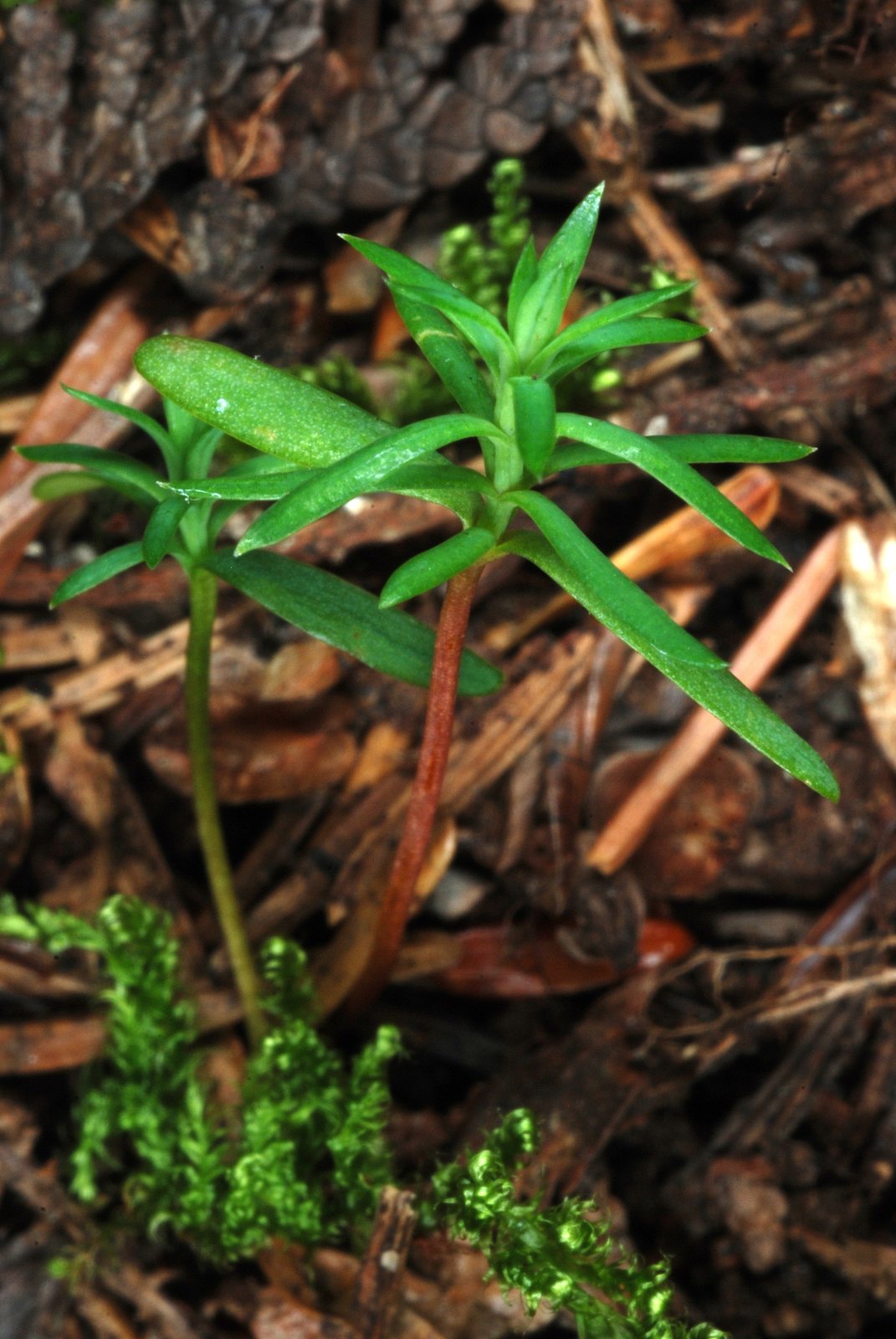
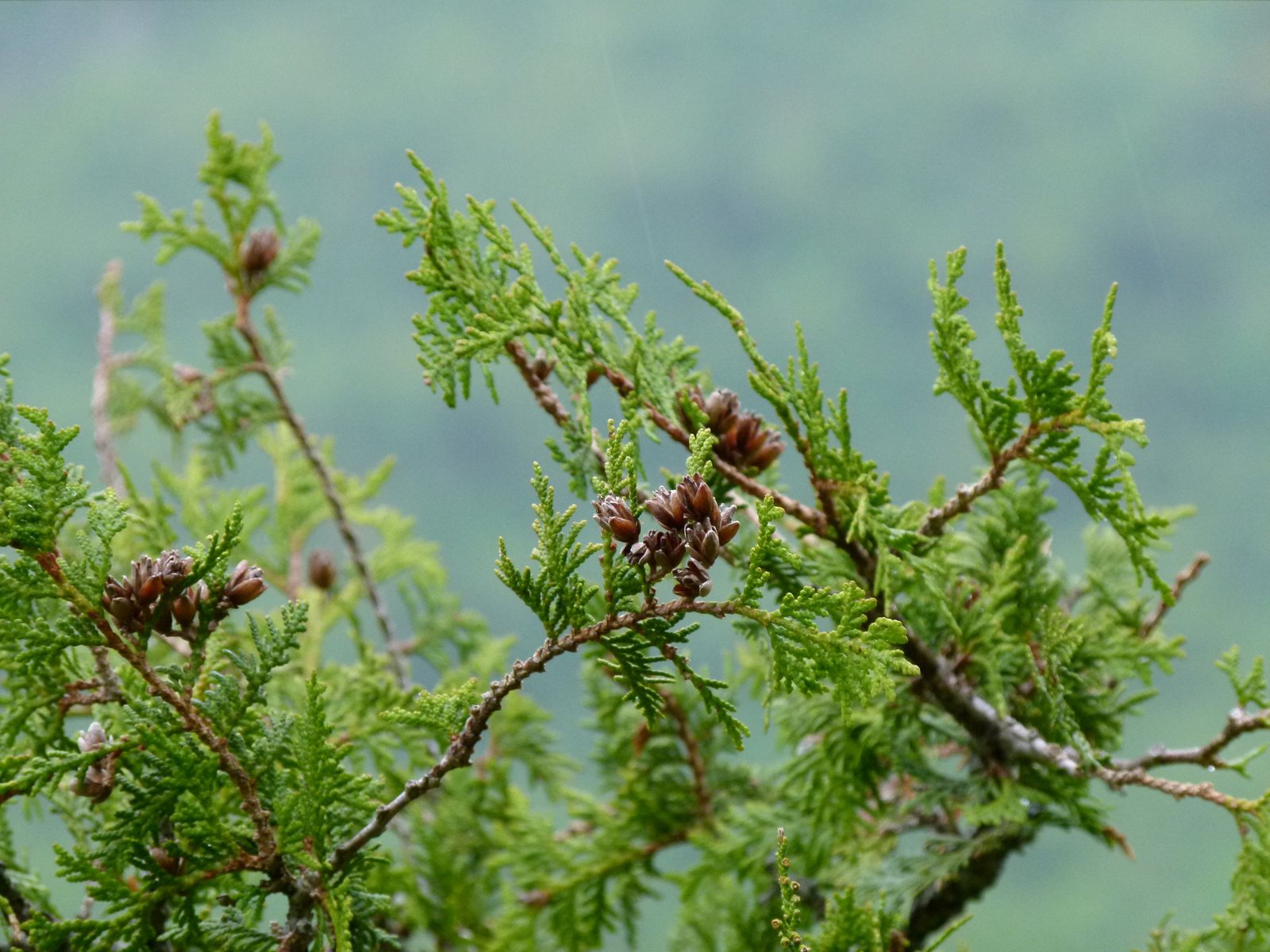
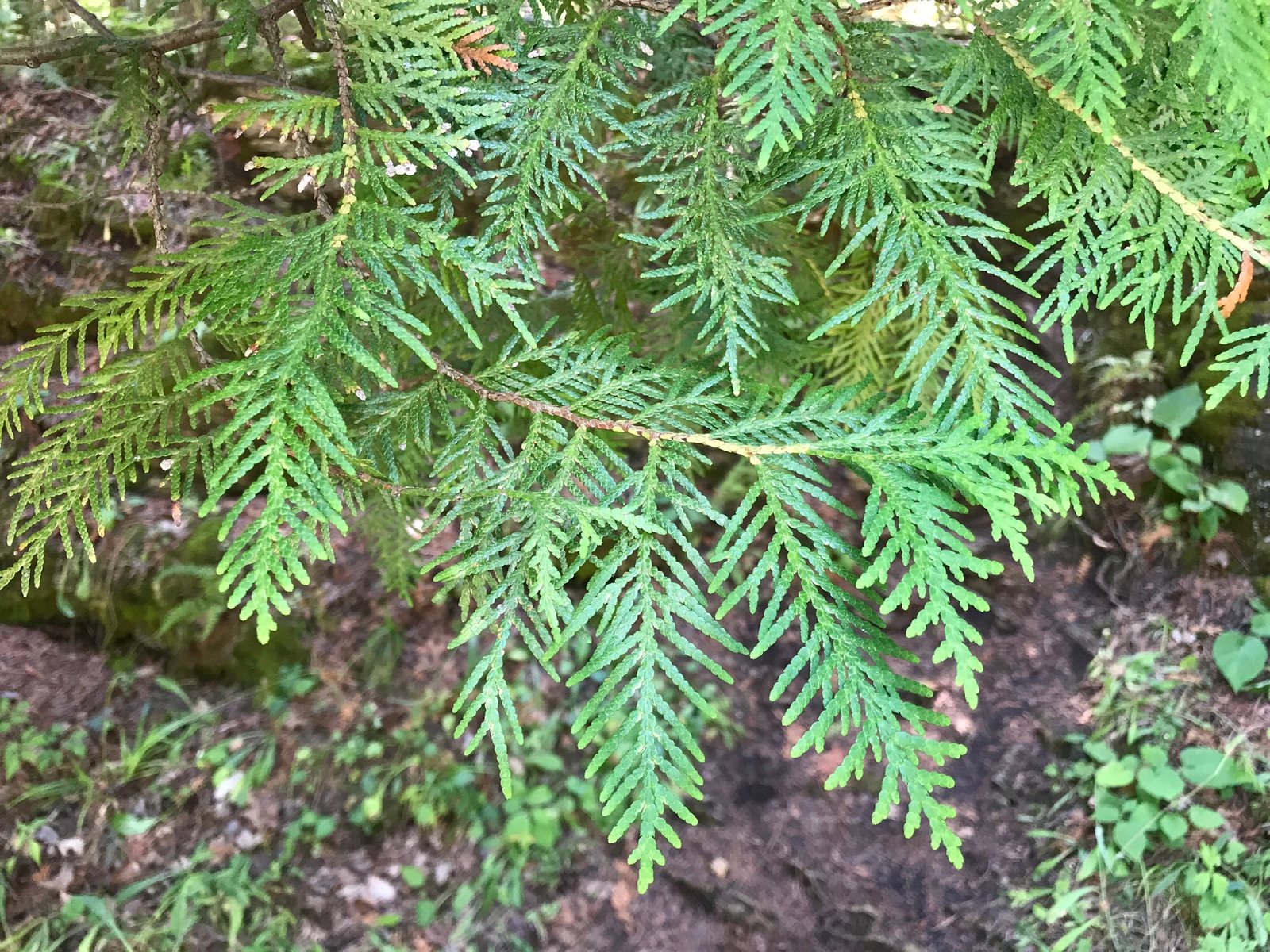
Techny arborvitae is a dense, broadly pyramidal evergreen selection of northern white cedar, grown for privacy screens, hedges and year-round structure. Its dark green foliage holds its colour well through cold winters, but it needs adequate moisture and protection from browsing deer.
At a glance
- Sun
- Full sun to partial shade; growth is densest with at least 6 hours of direct sun.
- Water
- Moderate; keep the root zone evenly moist, especially during establishment and dry weather. Avoid prolonged waterlogging.
- Soil
- Moist, well-drained loam is ideal; tolerates clay and alkaline soil if drainage is adequate. Poorly suited to hot, dry, sandy sites.
- Height
- 10-15 ft (3-4.6 m), eventually reaching 20 ft (6 m) in favourable conditions
- Spread
- 6-10 ft (1.8-3 m)
- Foliage
- Evergreen. Dense, flattened sprays of dark green, scale-like leaves; aromatic when crushed, with relatively little winter bronzing.
- Growth
- Slow to moderate, commonly 6-12 in (15-30 cm) per year once established.
- Care needed
- Low
The year at a glance
- Cold hardy
- Wildlife
| J | F | M | A | M | J | J | A | S | O | N | D | |
|---|---|---|---|---|---|---|---|---|---|---|---|---|
| Fruit | ||||||||||||
| Plant |
Northern hemisphere months. In Australia, shift them by six.
- Difficulty
- Easy
- Toughness
- Fairly tough
Will it suit your garden?
Pick your zone, country, light and whether you have pets.
Full sun is 6 or more hours of direct sun a day, part shade 3 to 6 hours, shade under 3.
How it grows
Planting day
1.6 ft (0.5 m)
After 1 year
3 ft (1 m)
After 2 years
5 ft (1.5 m)
After 3 years
7 ft (2 m)
After 5 years
10 ft (3 m)
About 7 years to full size.
From a typical nursery size, at an average rate for this kind of plant. A rule of thumb, not a forecast.
Good to know
- Cats and dogs
- Toxic
- Native to
- the US and Canada
- Growth rate
- Slow
Care
Jobs through the year
- WaterApr–May, Sep–Oct, every 14 days
- Water deeply if the root zone is drying; young plants need closer checks for two growing seasons.
- WaterJun–Aug, every 7 days
- Water deeply during dry spells; skip when rainfall keeps the root zone moist.
- WaterNov
- Water thoroughly before the ground freezes if autumn has been dry.
- MulchMar
- Maintain 5–8 cm of organic mulch, keeping it clear of the trunk.
- FeedMar–Apr
- Feed lightly only for weak growth or a confirmed deficiency; avoid late-season nitrogen.
- PruneMar
- Remove dead or broken branches before new growth starts.
- PruneMay–Jun
- Trim only if shaping is needed; stay within green growth and keep hedge bases wider.
- ProtectMar–Apr
- Pick off and destroy overwintered bagworm bags where this pest occurs.
- ProtectJun–Aug, every 14 days
- Inspect for young bagworms and mite damage; use locally approved controls only when needed.
- ProtectJan–Mar, Nov–Dec
- Fence against deer where browsing occurs and keep de-icing salt away from roots and foliage.
- Water deeply during dry spells for the first two growing seasons; established plants also need water during prolonged drought.
- Spread 2-3 in (5-8 cm) of organic mulch over the root zone, keeping it clear of the trunk.
- Feed lightly in spring only if growth is weak or a soil test indicates a deficiency; avoid late-season nitrogen.
- Protect young plants from deer with fencing where browsing is common.
- In cold climates, water thoroughly before the ground freezes if autumn has been dry.
Pruning. Lightly trim in late spring or early summer to maintain a hedge, keeping its base wider than its top. Cut only within green growth: bare old wood usually does not produce new shoots.
Through the year
- Early spring
- Remove dead or broken branches and check for winter damage before new growth begins.
- Spring
- Plant while conditions are cool and moist; renew mulch and water new plants deeply.
- Late spring
- Lightly trim hedges without cutting back into bare wood.
- Summer
- Check soil moisture during dry spells and inspect foliage for bagworms or mite damage.
- Late autumn
- Water before freezing weather if soil is dry, and install deer protection where needed.
- Winter
- Keep de-icing salt away from roots and foliage; do not strike or bend frozen branches to remove ice.
In the garden
- Plant as a broad evergreen privacy screen, allowing room for its mature width rather than crowding it against a fence.
- Use as a clipped boundary hedge with a wide base for year-round enclosure.
- Place individual plants at the back of mixed borders to give flowering shrubs and perennials a dark green backdrop.
- Repeat along a large garden boundary for winter structure and visual rhythm.
Garden styles it suits: Formal, Traditional, Grand estate, Green on green, Winter interest and Low-maintenance.
Plant it with: Panicle hydrangea, Siberian iris, Hosta, Astilbe, Red-twig dogwood and Purple coneflower.
Wildlife: Dense foliage provides shelter and nesting cover for birds. Deer browse the foliage, and birds and small mammals may eat the seeds.
Problems to watch for
- Deer browsing: foliage can be stripped severely in winter; use a properly maintained deer fence rather than relying solely on repellents.
- Bagworms: pick off and destroy bags before eggs hatch; where locally appropriate, treat small, actively feeding larvae with a labelled Bacillus thuringiensis product.
- Spider mites: fine stippling and dull foliage can develop in hot, dry weather; check for mites, rinse foliage with water and use a labelled treatment if damage continues.
- Browning and dieback: drought, winter drying, salt exposure or waterlogged roots can cause similar symptoms; check soil moisture and drainage before changing watering, and keep road salt away.
Safety
Foliage and especially concentrated essential oil contain thujone and can be harmful if swallowed by people or animals, including cats, dogs and horses. Eating foliage may cause digestive upset; substantial ingestion or ingestion of the oil can cause serious poisoning. Do not use it for homemade teas or remedies.
Easily confused with
Emerald Green arborvitae (Thuja occidentalis 'Smaragd')
Usually much narrower and more columnar, with brighter emerald-green foliage; 'Techny' develops a broader, darker green pyramid.
Green Giant arborvitae (Thuja standishii × Thuja plicata 'Green Giant')
Grows much faster and becomes a substantially taller tree, with a looser outline and larger foliage sprays.
Oriental arborvitae (Platycladus orientalis)
Its foliage sprays tend to stand in vertical planes, and its young cones are fleshy and bluish with prominent hooked scales; 'Techny' has small, slender brown cones.
The name
'Techny' is named for Techny, Illinois, where this selection originated.
Propagation. Root semi-ripe cuttings in late summer under humid conditions with a free-draining rooting medium. Seedlings will not reliably retain the characteristics of 'Techny'.
Checked against open data
- Accepted botanical name
- Thuja occidentalis
- In the US and Canada
- Native in Canada and the lower 48 states.
- Native range
- Connecticut, Illinois, Indiana, Kentucky, Maine, Manitoba, Maryland, Masachusettes, Michigan, Minnesota, New Brunswick and New Hampshire.
- Measured
- Soil pH 5.2 to 7. Average height 1460 cm.
Sources: GBIF (CC BY 4.0), USDA PLANTS and Trefle (CC BY 4.0). The care and design notes are LandscapeGPT's own.
See it in your own yard.
Upload a photo of your yard and see it redesigned with plants that suit your climate, each checked against your zone.