The Rising Sun redbud
Cercis canadensis 'JN2'. Family Fabaceae. Tree.
Also called Cercis canadensis 'JN2', Rising Sun eastern redbud.
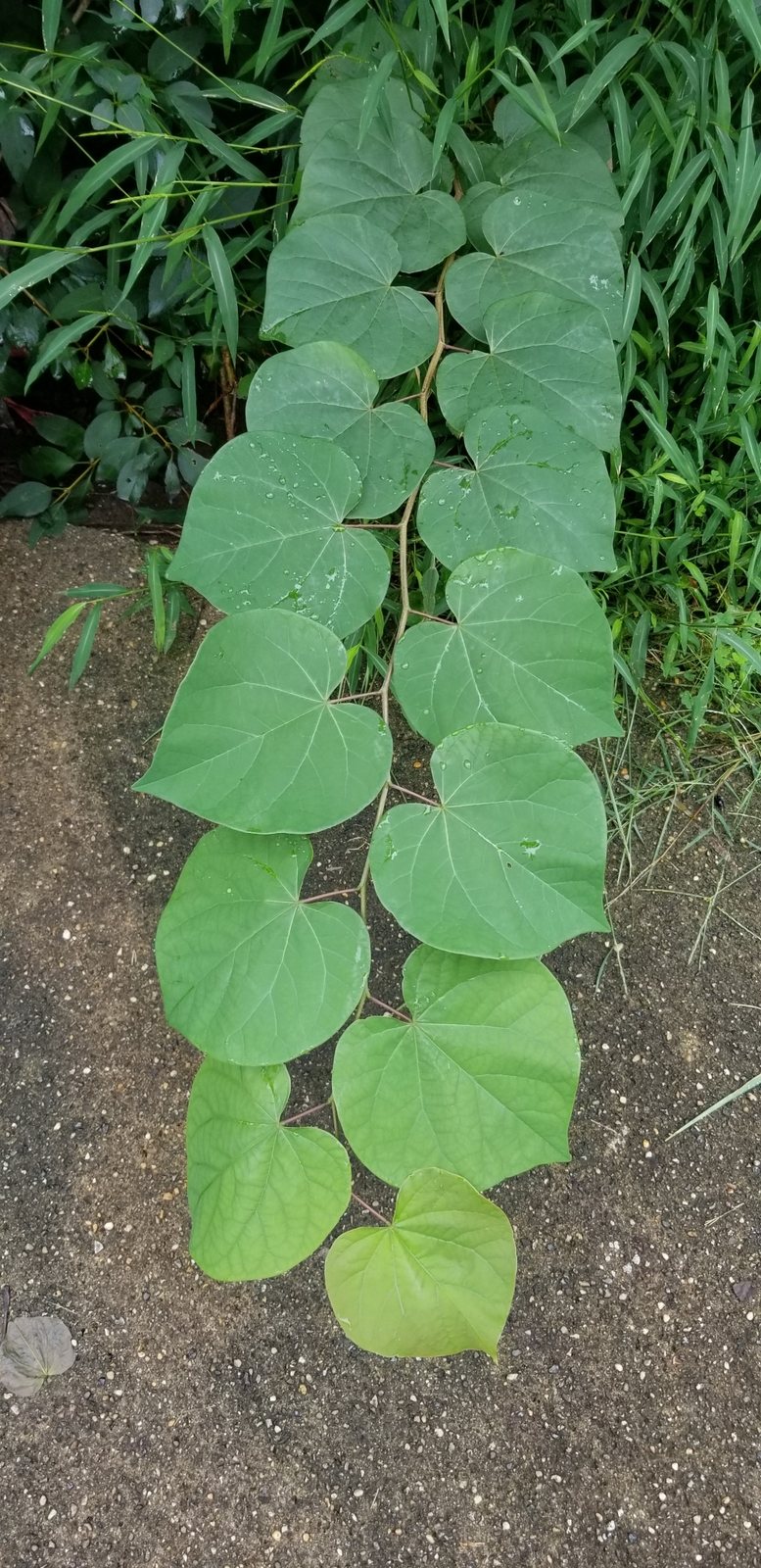
The Rising Sun is a compact, deciduous eastern redbud grown for heart-shaped leaves that open apricot-orange, turn yellow and eventually mature green. Successive flushes create a mix of colours through the growing season, while pink flowers cover the bare branches in spring.
At a glance
- Sun
- Full sun to partial shade; morning sun with afternoon shade is useful in hot, dry climates.
- Water
- Moderate; keep newly planted trees evenly moist, then water established trees deeply during prolonged dry spells.
- Soil
- Well-drained soil with moderate fertility; tolerates clay if drainage is good and a range from mildly acidic to alkaline conditions.
- Height
- 10-15 ft (3-4.6 m)
- Spread
- 8-12 ft (2.4-3.7 m)
- Flowers
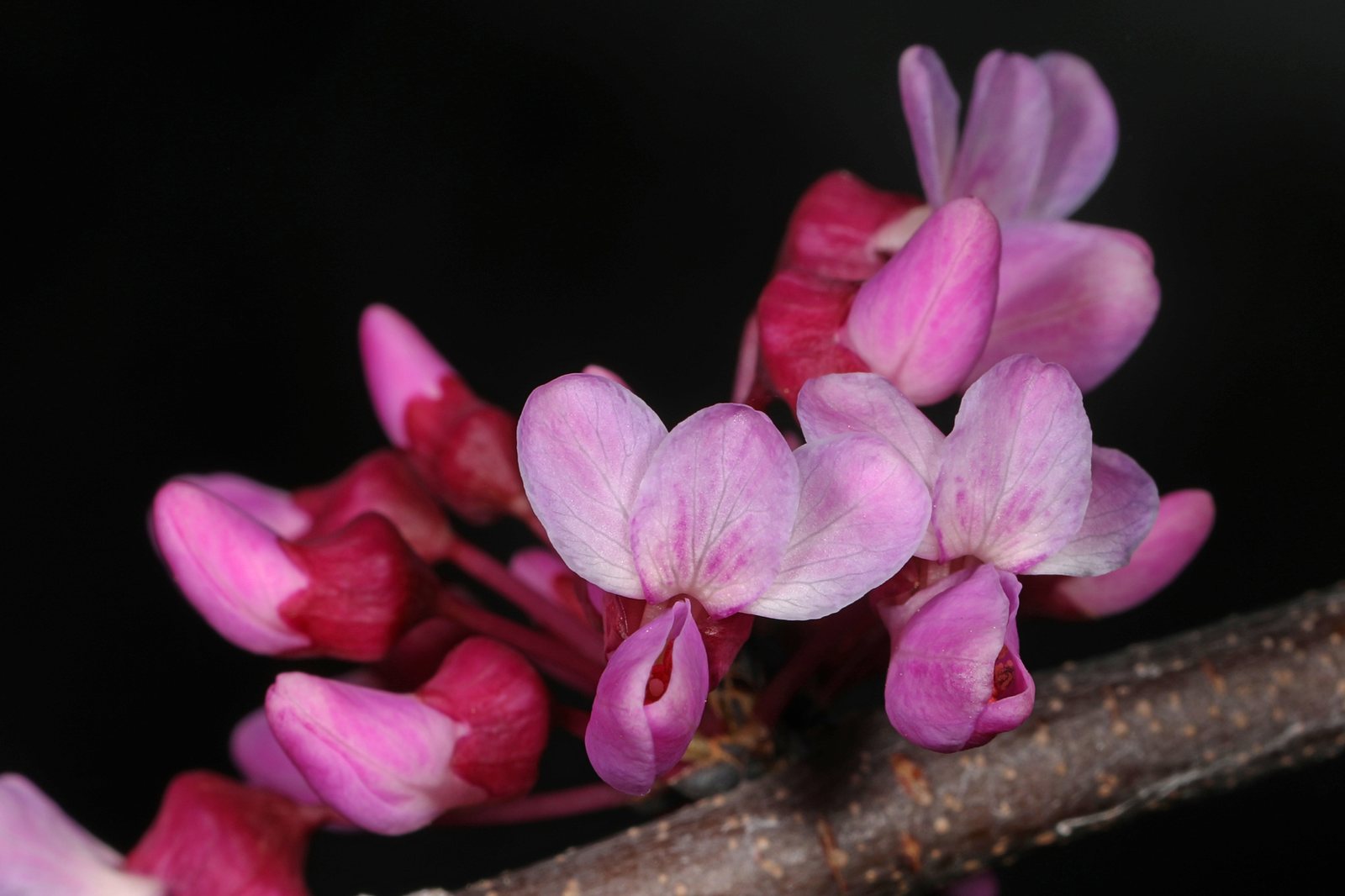
- Early to mid-spring, before the leaves emerge; small rosy-pink to lavender-pink flowers cluster along bare branches.
- Foliage
- Broad, heart-shaped leaves emerge apricot-orange, pass through golden yellow and mature lime-green to green; autumn colour is usually yellow.
- Growth
- Moderate
- Care needed
- Low
The year at a glance
- Pollinators
- Cold hardy
- Wildlife
- Low allergen
| J | F | M | A | M | J | J | A | S | O | N | D | |
|---|---|---|---|---|---|---|---|---|---|---|---|---|
| Flowers | ||||||||||||
| Fruit | ||||||||||||
| Plant |
Northern hemisphere months. In Australia, shift them by six.
- Difficulty
- Easy
- Toughness
- Fairly tough
Will it suit your garden?
Pick your zone, country, light and whether you have pets.
Full sun is 6 or more hours of direct sun a day, part shade 3 to 6 hours, shade under 3.
How it grows
Planting day
7 ft (2 m)
After 1 year
7 ft (2.1 m)
After 2 years
7 ft (2.2 m)
After 3 years
7 ft (2.3 m)
After 5 years
8 ft (2.4 m)
About 20 years to full size.
From a typical nursery size, at an average rate for this kind of plant. A rule of thumb, not a forecast.
Good to know
- Cats and dogs
- Safe
- Native to
- the US and Canada
- Growth rate
- Moderate
Care
Jobs through the year
- WaterApr–May, Sep–Oct, every 14 days
- Deep-water established trees only if the root zone is drying; keep young trees evenly moist for two years.
- WaterJun–Aug, every 10 days
- During prolonged dry spells, soak the established root zone thoroughly; skip if rain keeps soil moist.
- MulchMar
- Maintain 5–8 cm of organic mulch over roots, keeping the trunk and root flare clear.
- FeedApr
- Feed modestly only if a soil test or weak growth indicates a need.
- PruneApr–May
- After flowering, remove damaged or crossing branches and shoots below the graft; avoid large cuts.
- ProtectNov
- Guard young trunks against browsing animals and water before freezing if autumn has been dry.
- Plant with the root flare at soil level and any graft union above the soil; choose the site carefully because established redbuds dislike transplanting.
- Water deeply through the first two growing seasons whenever the root zone begins to dry.
- Apply 2-3 in (5-8 cm) of organic mulch over the root area, keeping it clear of the trunk.
- Avoid routine heavy feeding; use a modest spring feed only if soil testing or weak growth indicates a need.
- Stake only if the root ball moves in wind, and remove supports after the first growing season.
- At the cold end of the species' zone range, choose a sheltered site; 'JN2' is more commonly recommended from zone 5, and late frost can damage flowers and new leaves.
Pruning. Prune lightly just after flowering, removing dead, damaged or crossing branches and correcting weak branch structure while the tree is young. Avoid large cuts, and remove shoots arising below the graft whenever they appear.
Through the year
- Early spring
- Check mulch depth, keep the trunk clear and inspect branches for winter damage.
- Spring
- Plant container-grown trees once the soil is workable, then water thoroughly.
- Late spring
- After flowering, make any light shaping cuts and remove dead or crossing branches.
- Summer
- Check soil moisture during hot weather and water deeply if the root zone is dry.
- Early autumn
- Plant in mild climates while the soil is warm; allow time for roots to establish before hard frost.
- Late autumn
- Water before the ground freezes if autumn has been dry, and protect young trunks from browsing animals where necessary.
In the garden
- Use as a small specimen tree beside a patio, leaving enough room for its spreading crown.
- Set against dark evergreen shrubs to make the yellow and apricot new leaves stand out.
- Plant at a woodland edge with shade-tolerant perennials beneath the outer canopy.
- Use as a focal point in a mixed border with purple-leaved shrubs and blue or violet flowers.
Garden styles it suits: Woodland, Cottage garden, Modern courtyard, Small-space, Pollinator garden and Traditional.
Plant it with: Coral bells, Siberian bugloss, Hellebores, Epimedium, Woodland phlox and Japanese forest grass.
Wildlife: Spring flowers provide pollen and nectar for bees. Leaves support some native moth and butterfly larvae within the species' North American range; leafcutter bees may remove neat circles without seriously harming the tree.
Problems to watch for
- Leaf scorch: pale leaves can develop brown edges in intense heat or drought; water deeply, mulch and provide afternoon shade in hot locations.
- Canker and branch dieback: prune affected branches back to healthy wood during dry weather, disinfect tools between cuts and reduce drought stress.
- Verticillium wilt: sudden wilting and branch death may require professional diagnosis; there is no reliable cure, and badly affected trees should be removed.
- Root rot in wet soil: avoid low, waterlogged sites and excessive irrigation; correct drainage before planting.
Safety
Not known to be toxic to cats, dogs, horses or people. No part is recognised as a significant poisoning hazard, although eating substantial amounts of foliage or seeds may cause digestive upset.
Easily confused with
Hearts of Gold redbud (Cercis canadensis 'Hearts of Gold')
Also has yellow foliage, but generally lacks the sustained, conspicuous mixture of apricot-orange, yellow and green leaves produced by The Rising Sun.
Flame Thrower redbud (Cercis canadensis 'NC2016-2')
New growth includes stronger burgundy-red and copper tones before turning yellow and green; The Rising Sun is predominantly apricot-orange and gold.
Eastern redbud (Cercis canadensis)
Ordinary green-leaved trees lack the persistent golden and apricot flushes and usually grow substantially larger.
The name
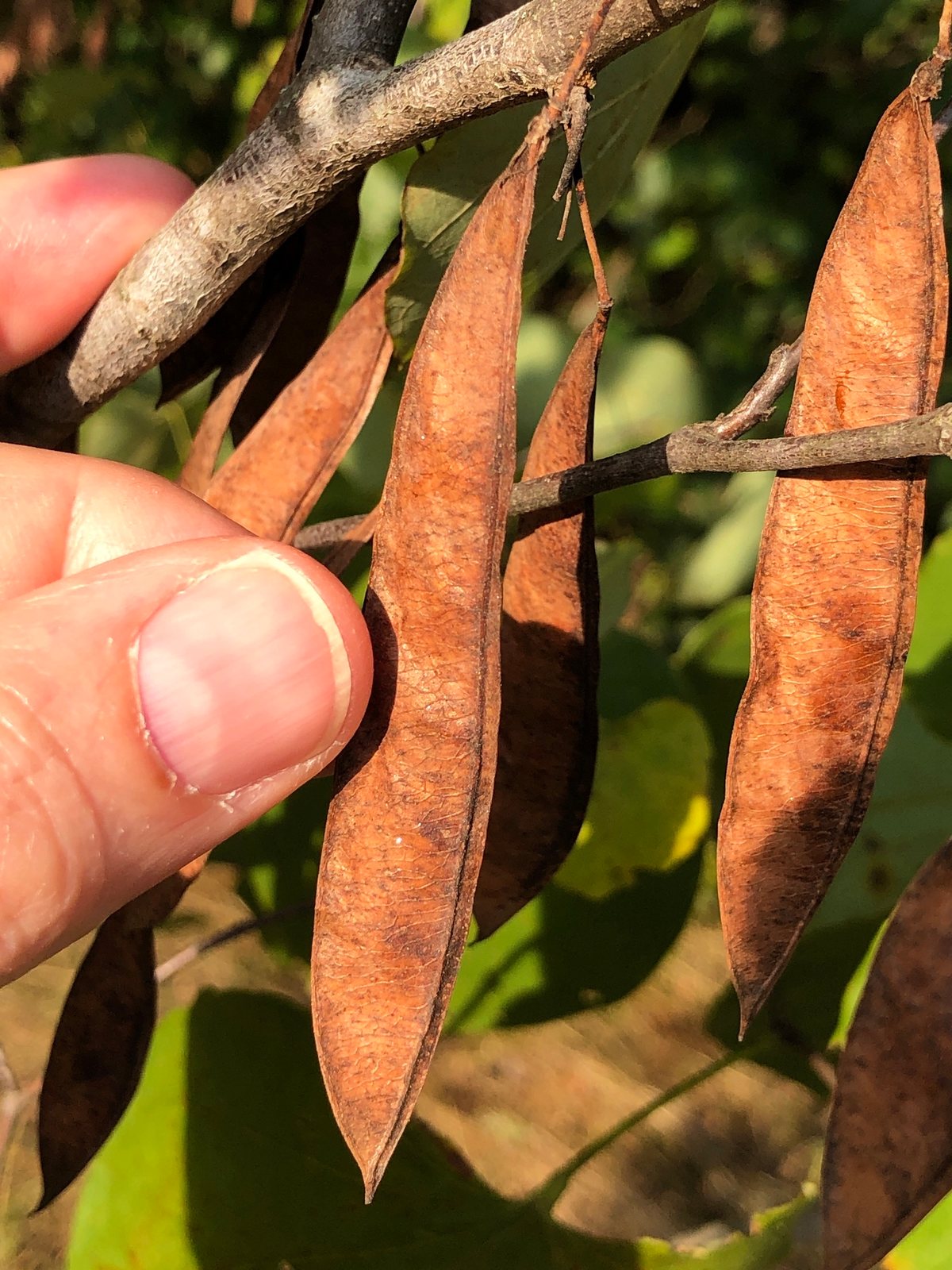
Cercis comes from the Greek word for a weaver's shuttle, referring to the seed pods, while The Rising Sun describes the warm colours of the emerging leaves.
Propagation. Usually propagated commercially by budding or grafting onto redbud rootstock. Seedlings will not reliably retain the foliage colours or compact habit; check local plant breeders' rights before propagating this named cultivar.
Checked against open data
- Accepted botanical name
- Cercis canadensis
- In the US and Canada
- Native in Canada and the lower 48 states.
- Native range
- Alabama, Arkansas, Connecticut, Delaware, District of Columbia, Florida, Georgia, Illinois, Indiana, Iowa, Kansas and Kentucky.
- Measured
- Soil pH 5 to 7.9. Average height 535 cm.
Sources: GBIF (CC BY 4.0), USDA PLANTS and Trefle (CC BY 4.0). The care and design notes are LandscapeGPT's own.
See it in your own yard.
Upload a photo of your yard and see it redesigned with plants that suit your climate, each checked against your zone.