Tibetan cherry
Prunus serrula. Family Rosaceae. Tree.
Also called Birch-bark cherry, Paperbark cherry.
Tibetan cherry is a deciduous ornamental tree grown chiefly for its glossy, copper-red bark, which peels in thin horizontal strips. Small white spring flowers and yellow autumn leaves add seasonal interest, but the exposed trunk and branches are its main attraction.
At a glance
- Sun
- Full sun gives the best growth and bark display; tolerates light partial shade.
- Water
- Moderate; keep the root zone evenly moist while establishing. Water established trees during prolonged dry spells.
- Soil
- Fertile, moist but well-drained soil; tolerates clay, loam and sandy soil if drainage is good, and acidic to alkaline conditions.
- Height
- 20-30 ft (6-9 m)
- Spread
- 20-30 ft (6-9 m)
- Flowers
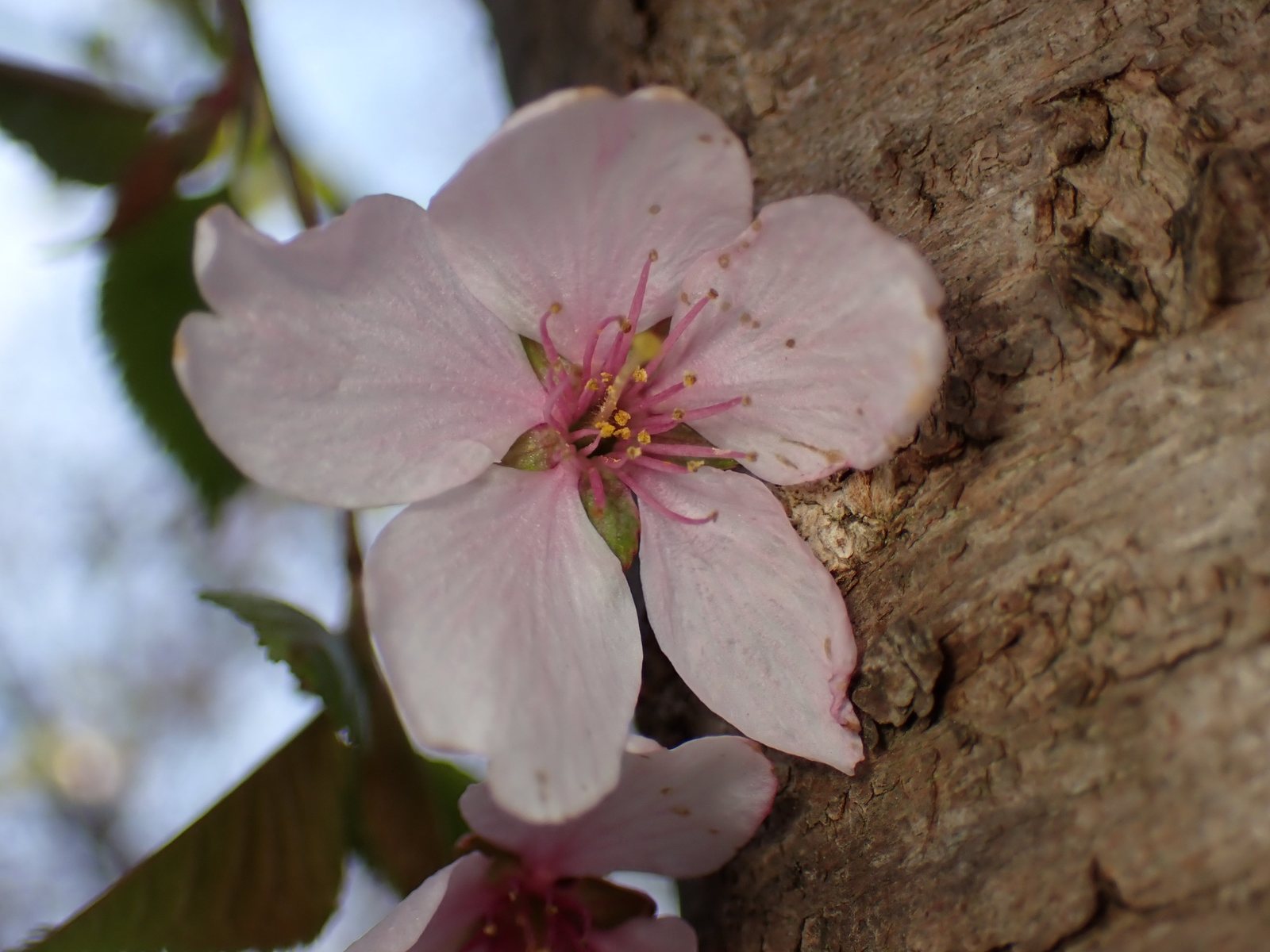
- Small white flowers in mid- to late spring, appearing with the new leaves; less showy than those of many flowering cherries.
- Foliage
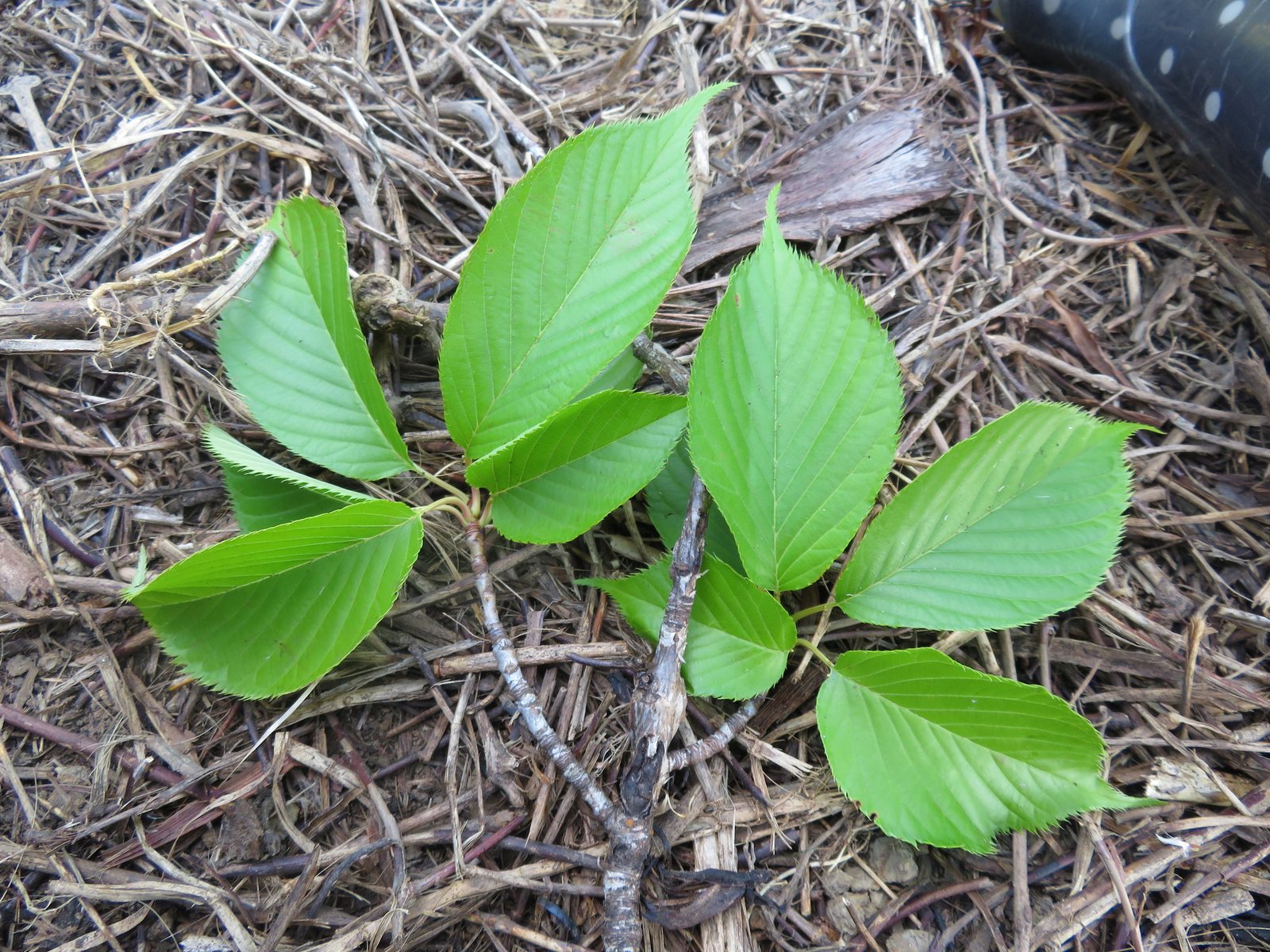
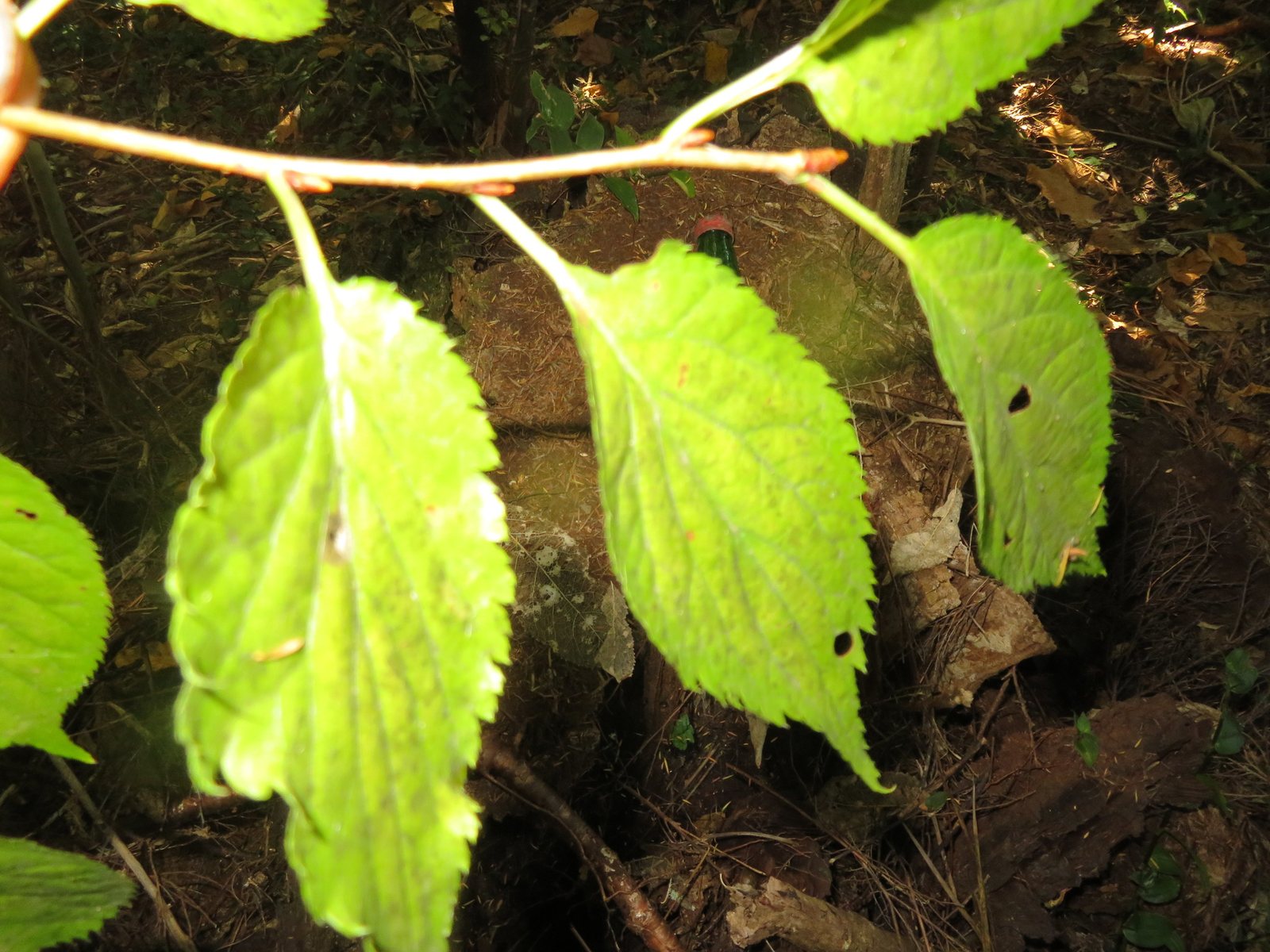
- Narrow, pointed green leaves with finely toothed edges; usually turn yellow in autumn.
- Growth
- Moderate
- Care needed
- Medium
The year at a glance
- Pollinators
- Wildlife
- Low allergen
| J | F | M | A | M | J | J | A | S | O | N | D | |
|---|---|---|---|---|---|---|---|---|---|---|---|---|
| Flowers | ||||||||||||
| Fruit | ||||||||||||
| Plant |
Northern hemisphere months. In Australia, shift them by six.
- Difficulty
- Moderate
- Toughness
- Fairly tough
Will it suit your garden?
Pick your zone, country, light and whether you have pets.
Full sun is 6 or more hours of direct sun a day, part shade 3 to 6 hours, shade under 3.
How it grows
Planting day
7 ft (2 m)
After 1 year
7 ft (2.3 m)
After 2 years
8 ft (2.6 m)
After 3 years
9 ft (2.8 m)
After 5 years
11 ft (3.4 m)
About 20 years to full size.
From a typical nursery size, at an average rate for this kind of plant. A rule of thumb, not a forecast.
Good to know
- Cats and dogs
- Toxic
- Growth rate
- Moderate
Care
Jobs through the year
- WaterApr–May, Sep–Oct, every 14 days
- Check established trees and water deeply only if soil is dry; young trees need more frequent watering.
- WaterJun–Aug, every 14 days
- Water established trees deeply during prolonged dry spells; keep young root balls evenly moist.
- MulchMar–Apr
- Refresh organic mulch to 5–8 cm deep, keeping the trunk and root flare clear.
- FeedApr
- Feed lightly only if poor growth or a soil test indicates a deficiency.
- PruneJun–Aug
- In dry weather, remove dead, diseased or crossing branches with small cuts; avoid stripping bark.
- ProtectJan–Feb, Nov–Dec
- Check young-tree guards and ties; prevent animal damage without trapping moisture against bark.
- Plant with the root flare at soil level, in a position with room for the mature crown.
- Water deeply during dry weather for the first two growing seasons; avoid keeping the soil saturated.
- Apply 2-3 in (5-8 cm) of organic mulch over the root zone, leaving a clear gap around the trunk.
- Feed only if growth is poor or a soil test indicates a deficiency; avoid heavy nitrogen feeding.
- Stake only if the root ball moves in the wind, and remove supports once the tree is firmly rooted.
- Do not pull off peeling bark or damage the trunk with mowers and string trimmers.
Pruning. Prune sparingly in dry weather in summer, removing dead, damaged or crossing branches while keeping cuts small. Avoid routine winter pruning and heavy crown reduction, which increase the risk of disease and spoil the shape.
Through the year
- Autumn
- Plant while the soil is workable in mild climates; choose spring planting where winters are severe.
- Winter
- Check stakes and ties, and protect young trunks from rabbits or deer without trapping moisture against the bark.
- Early spring
- Refresh mulch, keeping it away from the trunk, and check soil moisture as growth resumes.
- Late spring
- Inspect new shoots for aphids and watch for wilted shoots, cankers or leaf spotting.
- Summer
- Make any necessary small pruning cuts during dry weather.
- Summer
- Water deeply during extended dry periods, especially while the tree is establishing.
In the garden
- Use as a specimen beside a path or terrace where the polished bark can be seen closely, allowing space for the mature crown.
- Plant against a dark evergreen background to make the copper-red trunk stand out in winter.
- Underplant with snowdrops, hellebores and low sedges for a layered winter and early-spring display.
- Use a multi-stemmed specimen as a sculptural focal point in a spacious courtyard or woodland-edge garden.
Garden styles it suits: Winter interest, Woodland, Japanese, Modern, Sensory garden and English country.
Plant it with: Snowdrops, Hellebores, Japanese forest grass, Epimediums, Cyclamen and Japanese sedges.
Wildlife: Flowers provide pollen and nectar for visiting insects. Birds may eat the small dark fruits, and the crown offers shelter and nesting sites.
Problems to watch for
- Bacterial canker: sunken bark, gum and dying shoots may appear. Prune affected branches back to healthy wood in dry summer weather, disinfect tools between cuts and avoid unnecessary wounds.
- Silver leaf disease: persistent silvery leaves and branch dieback need investigation. Remove affected wood in dry summer weather; extensive trunk infection may require removal of the tree.
- Aphids: colonies can curl young leaves and leave sticky honeydew. Encourage predators and wash off accessible colonies with water; avoid routine broad-spectrum spraying.
- Poor drainage: waterlogged soil can cause root decline and dieback. Choose a freely draining site and do not try to compensate for saturated soil with extra feeding.
Safety
Leaves, stems and seeds contain cyanogenic compounds and can poison people, cats, dogs and horses if eaten in sufficient quantities. Chewed seeds and wilted leaves are particular concerns; poisoning can be severe or fatal. Keep pruning debris out of livestock areas and do not treat this ornamental cherry as an edible crop.
Easily confused with
Amur chokecherry (Prunus maackii)
Also has shiny, peeling bark, but it is usually more golden or amber-brown. Its white flowers form elongated clusters rather than the small groups typical of Tibetan cherry.
Japanese flowering cherry (Prunus serrulata)
Usually has broader leaves and a much showier display of white or pink flowers. Its bark has horizontal markings but generally lacks Tibetan cherry's strongly polished, copper-red peeling surface.
The name
The epithet serrula refers to the finely saw-toothed leaf margins, while Tibetan cherry refers to the tree's association with Tibet and nearby parts of western China.
Propagation. Seed requires cold stratification and can germinate irregularly; seedlings vary. Named forms are usually grafted or budded onto a suitable cherry rootstock; semi-ripe cuttings may root but can be difficult.
Checked against open data
- Accepted botanical name
- Prunus serrula
- Native range
- China South-Central, Qinghai and Tibet.
Sources: GBIF (CC BY 4.0) and Trefle (CC BY 4.0). The care and design notes are LandscapeGPT's own.
See it in your own yard.
Upload a photo of your yard and see it redesigned with plants that suit your climate, each checked against your zone.