Tor birchleaf spirea
Spiraea betulifolia 'Tor'. Family Rosaceae. Shrub.
Also called Tor birchleaf spiraea, Birch-leaved spiraea 'Tor'.
Tor is a compact, rounded deciduous shrub grown for its white flower clusters and orange, red and purple autumn foliage. It fits small borders and low informal hedges, flowering best in sun with reasonably moist soil.
At a glance
- Sun
- Full sun to partial shade; sun gives the most flowers and strongest autumn colour.
- Water
- Water regularly during the first growing season. Once established, water deeply during prolonged dry spells; avoid constantly wet soil.
- Soil
- Average, well-drained soil that retains some moisture; tolerates clay if drainage is adequate and a range of soil pH.
- Height
- 2-3 ft (0.6-0.9 m)
- Spread
- 2-3 ft (0.6-0.9 m)
- Flowers
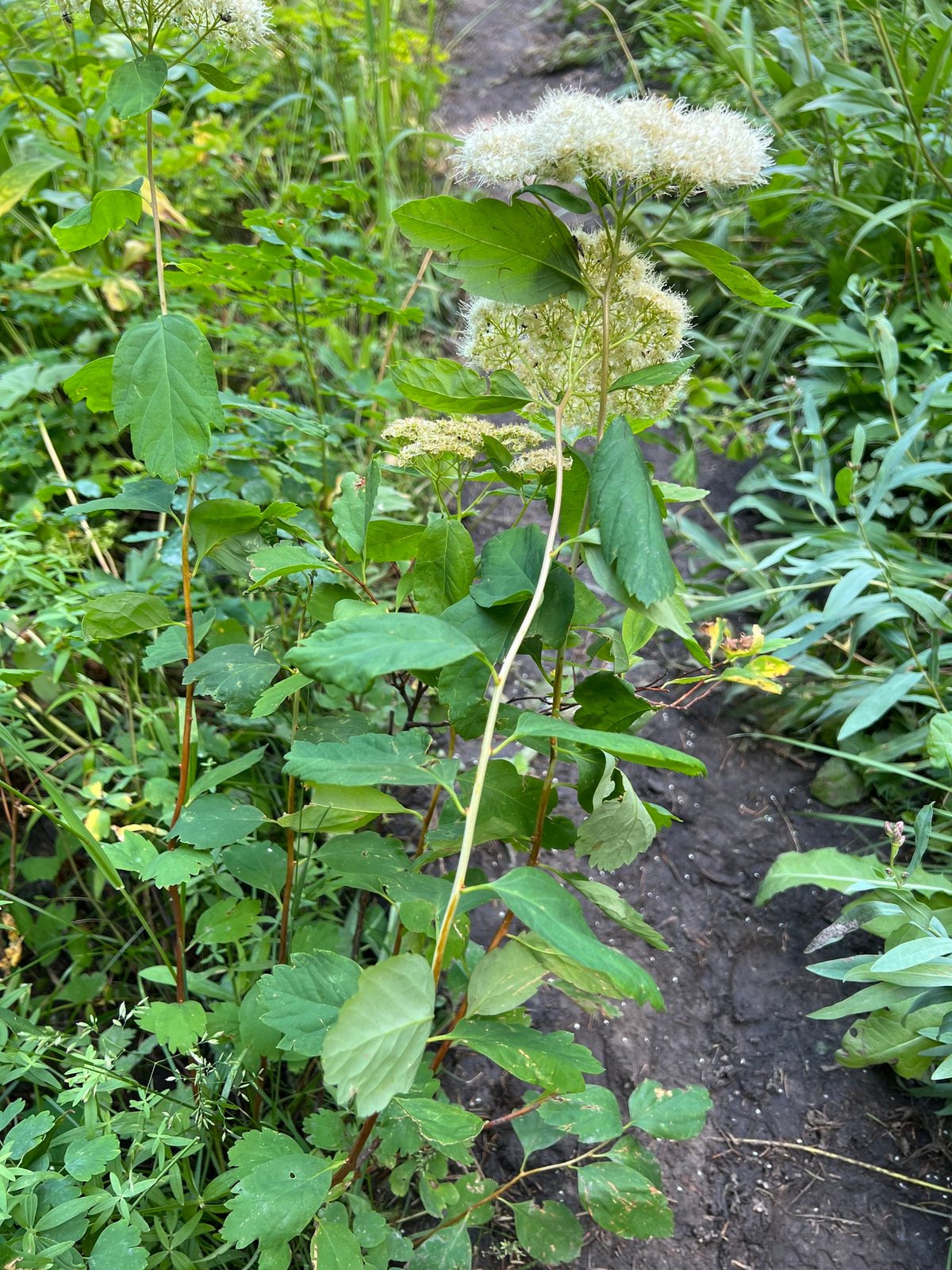
- Late spring to early summer; small white flowers in broad, flat-topped clusters.
- Foliage
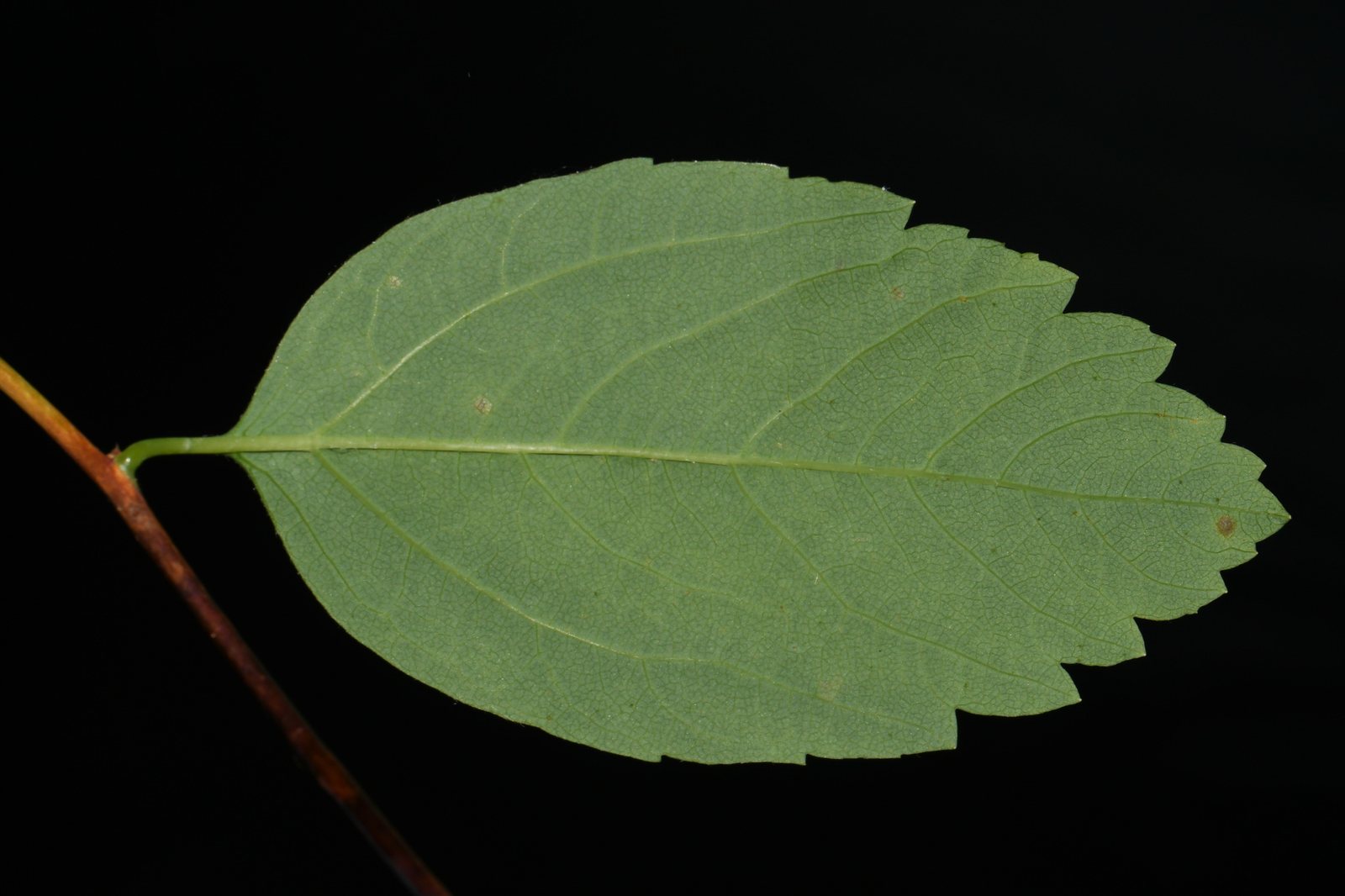
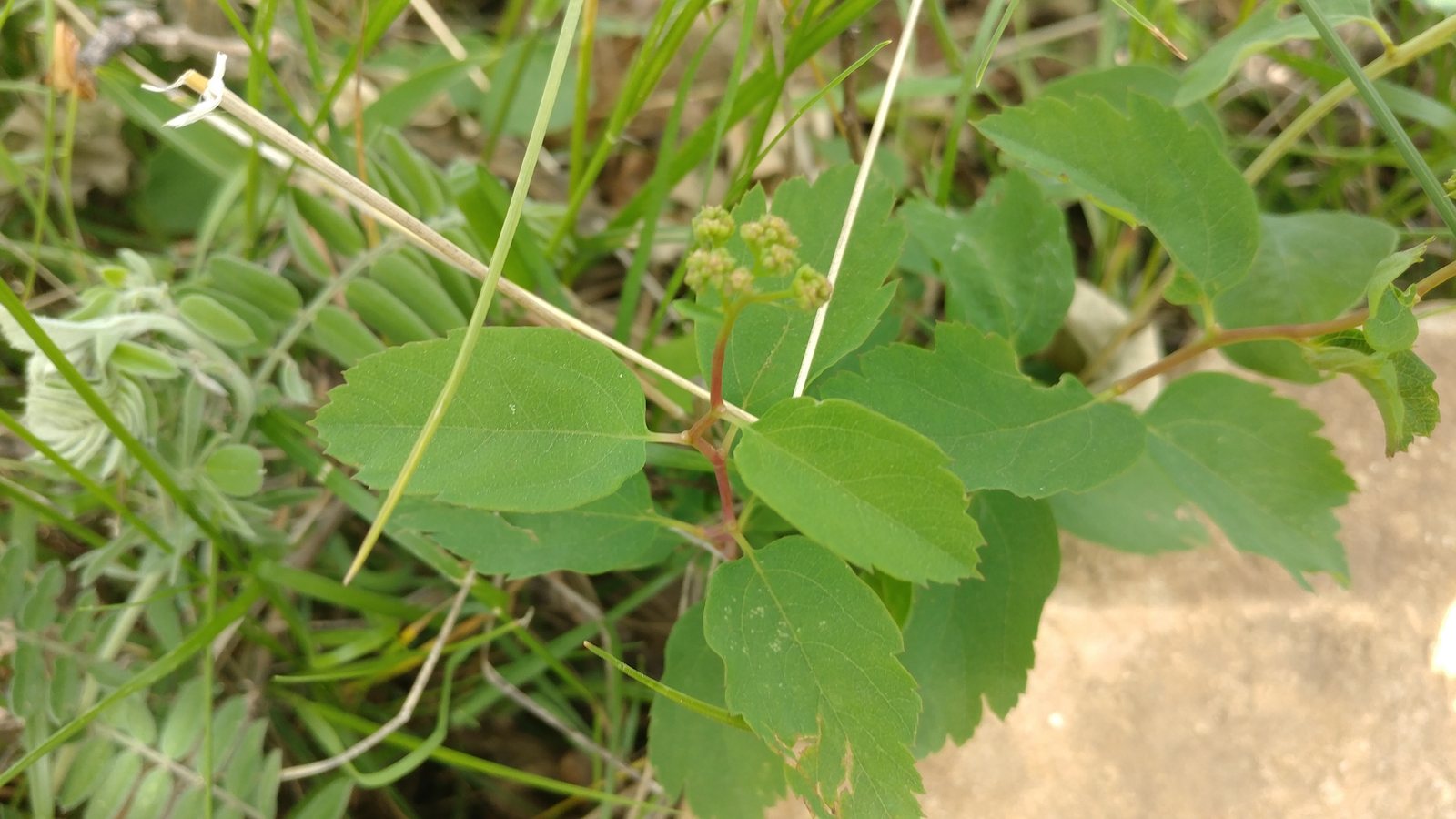
- Small, rounded to oval, toothed, dark green leaves resembling birch leaves; autumn colour ranges from yellow and orange to red and purple.
- Growth
- Moderate
- Care needed
- Low
The year at a glance
- Pollinators
- Deer resistant
- Cold hardy
- Wildlife
- Low allergen
| J | F | M | A | M | J | J | A | S | O | N | D | |
|---|---|---|---|---|---|---|---|---|---|---|---|---|
| Flowers | ||||||||||||
| Plant |
Northern hemisphere months. In Australia, shift them by six.
- Difficulty
- Easy
- Toughness
- Very tough
Will it suit your garden?
Pick your zone, country, light and whether you have pets.
Full sun is 6 or more hours of direct sun a day, part shade 3 to 6 hours, shade under 3.
How it grows
Planting day
1.6 ft (0.5 m)
After 1 year
1.8 ft (0.55 m)
After 2 years
2 ft (0.6 m)
After 3 years
2.1 ft (0.65 m)
After 5 years
2.5 ft (0.75 m)
full size
About 5 years to full size.
From a typical nursery size, at an average rate for this kind of plant. A rule of thumb, not a forecast.
Good to know
- Cats and dogs
- Safe
- Native to
- the US
- Growth rate
- Moderate
Care
Jobs through the year
- WaterApr–May, Sep–Oct, every 14 days
- Water established shrubs if the root zone is dry; check first-year plants more frequently.
- WaterJun–Aug, every 7 days
- Water established shrubs deeply during prolonged drought, especially in hot, exposed sites.
- FeedMar–Apr
- Top-dress with compost; use fertilizer only if growth is weak or soil is poor.
- MulchMar–Apr
- Maintain 5–8 cm of organic mulch, keeping the stem bases clear.
- PruneFeb–Mar
- Remove dead stems and selectively thin crowded old growth before leaves open; avoid routine hard shearing.
- PruneSep–Oct
- Remove unwanted rooted shoots spreading beyond the shrub's allotted space.
- DeadheadJun–Jul
- Optionally trim spent flower clusters for a tidier appearance.
- Water deeply when the root zone starts to dry during the first growing season.
- Apply 2-3 in (5-8 cm) of organic mulch, keeping it clear of the stems.
- Top-dress with compost in spring; use fertiliser only if growth is weak or the soil is poor.
- Water established shrubs during prolonged drought, especially in hot, exposed sites.
- Remove unwanted rooted shoots at the edge of the clump if they extend beyond its allotted space.
Pruning. In late winter or early spring, remove dead or damaged stems and thin out a few of the oldest stems at ground level if the shrub is crowded. Shorten remaining shoots lightly if needed; routine hard shearing is unnecessary.
Through the year
- Autumn
- Plant while the soil is workable, water thoroughly and mulch the root zone.
- Late winter
- Remove dead stems and thin crowded older growth before new leaves open.
- Spring
- Top-dress with compost and refresh mulch without covering the stem bases.
- Early summer
- Enjoy flowering; trim off spent clusters if a tidier appearance is wanted.
- Summer
- Check soil moisture during dry weather and water deeply when needed.
In the garden
- Plant in a low, informal hedge along a path, allowing room for its rounded outline.
- Repeat in small groups near the front of a mixed shrub border for white early-summer flowers.
- Combine with ornamental grasses and late-flowering perennials for contrasting texture and autumn colour.
- Use beside entrances or below windows where a compact deciduous shrub will not obstruct views.
Garden styles it suits: Cottage garden, Traditional, Low-maintenance, Pollinator garden, Small-space and Autumn colour.
Plant it with: Hardy geranium, Catmint, Purple coneflower, Autumn stonecrop, Feather reed grass and Lady's mantle.
Wildlife: Flowers provide pollen and nectar for bees and other small insects. The branching growth offers some shelter, though it is not a major food plant for birds.
Problems to watch for
- Aphids may cluster on soft new shoots; dislodge them with water and encourage ladybirds and other predators.
- Powdery mildew can affect crowded plants; improve airflow, water the soil rather than the leaves, and avoid excessive nitrogen feeding.
- Root rot can develop in waterlogged soil; improve drainage or move the shrub to a better-drained position.
- Sparse flowering often results from deep shade or pruning after spring growth has developed; provide more sun and prune before growth starts.
Safety
Not known to be toxic to cats, dogs, horses or people. No part is recognised as a significant poisoning hazard, but it is an ornamental plant rather than a food plant.
Easily confused with
Tor Gold birchleaf spirea (Spiraea betulifolia 'Tor Gold')
Similar compact habit and white flowers, but its foliage is yellow to yellow-green rather than the dark green of 'Tor'.
Japanese spirea (Spiraea japonica)
Usually has narrower, more pointed leaves and pink flowers, although white-flowered cultivars exist; 'Tor' has broader, birch-like leaves.
Bridal wreath spirea (Spiraea prunifolia)
Forms a much larger shrub with long, arching branches and flowers along the stems, rather than the compact mound and terminal flower clusters of 'Tor'.
The name
The species name betulifolia means birch-leaved, referring to the resemblance of its foliage to birch leaves.
Propagation. Take softwood cuttings in late spring or early summer, or layer a low-growing shoot. Seedlings will not reliably retain the characteristics of 'Tor'.
Checked against open data
- Accepted botanical name
- Spiraea betulifolia
- In the US and Canada
- Native in the lower 48 states.
- Native range
- Amur, Japan, Kamchatka, Khabarovsk, Korea, Kuril Is., Magadan, Primorye, Sakhalin and Yakutskiya.
- Measured
- Soil pH 6 to 7.5. Average height 91 cm.
Sources: GBIF (CC BY 4.0), USDA PLANTS and Trefle (CC BY 4.0). The care and design notes are LandscapeGPT's own.
See it in your own yard.
Upload a photo of your yard and see it redesigned with plants that suit your climate, each checked against your zone.