Tree peony
Paeonia × suffruticosa. Family Paeoniaceae. Shrub.
Also called Moutan peony, Chinese tree peony.
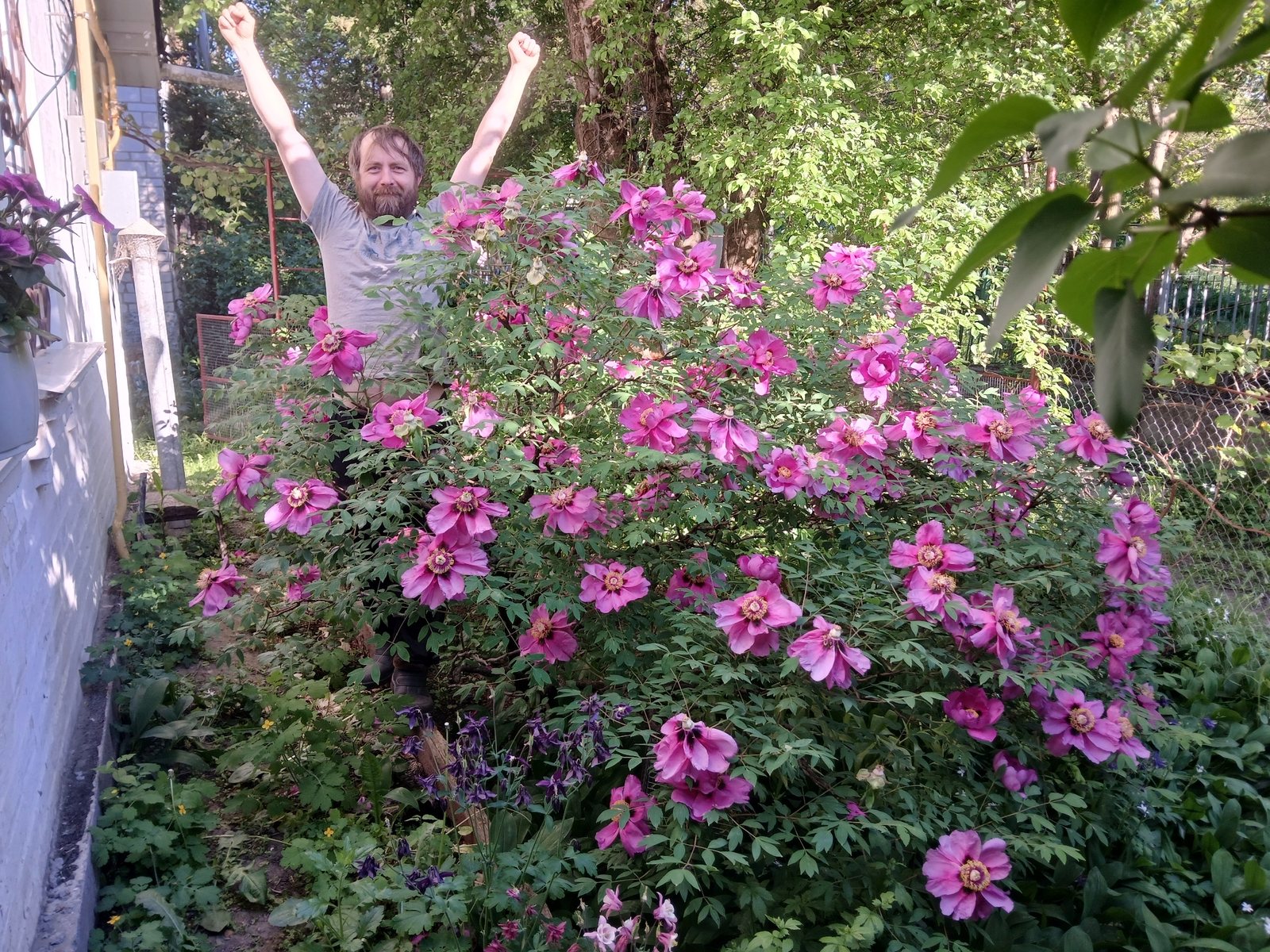
Tree peony is a slow-growing, deciduous shrub with permanent woody stems and very large spring flowers. Gardeners grow it as a long-lived specimen for its single, semi-double or double blooms; despite its name, it stays shrub-sized and needs winter cold to flower reliably.
At a glance
- Sun
- Full sun to partial shade; afternoon shade helps flowers last longer in warm districts. Shelter from strong winds and frost pockets.
- Water
- Water deeply during dry spells while establishing. Established plants tolerate brief dry periods, but need moisture during spring growth and must not sit in waterlogged soil.
- Soil
- Fertile, humus-rich, well-drained soil, preferably neutral to slightly alkaline; avoid compacted ground and winter wet.
- Height
- 3-6 ft (0.9-1.8 m)
- Spread
- 3-5 ft (0.9-1.5 m)
- Flowers
- Mid- to late spring, usually before herbaceous peonies; white, pink, red, purple or yellow, depending on the cultivar. Some are fragrant.
- Foliage
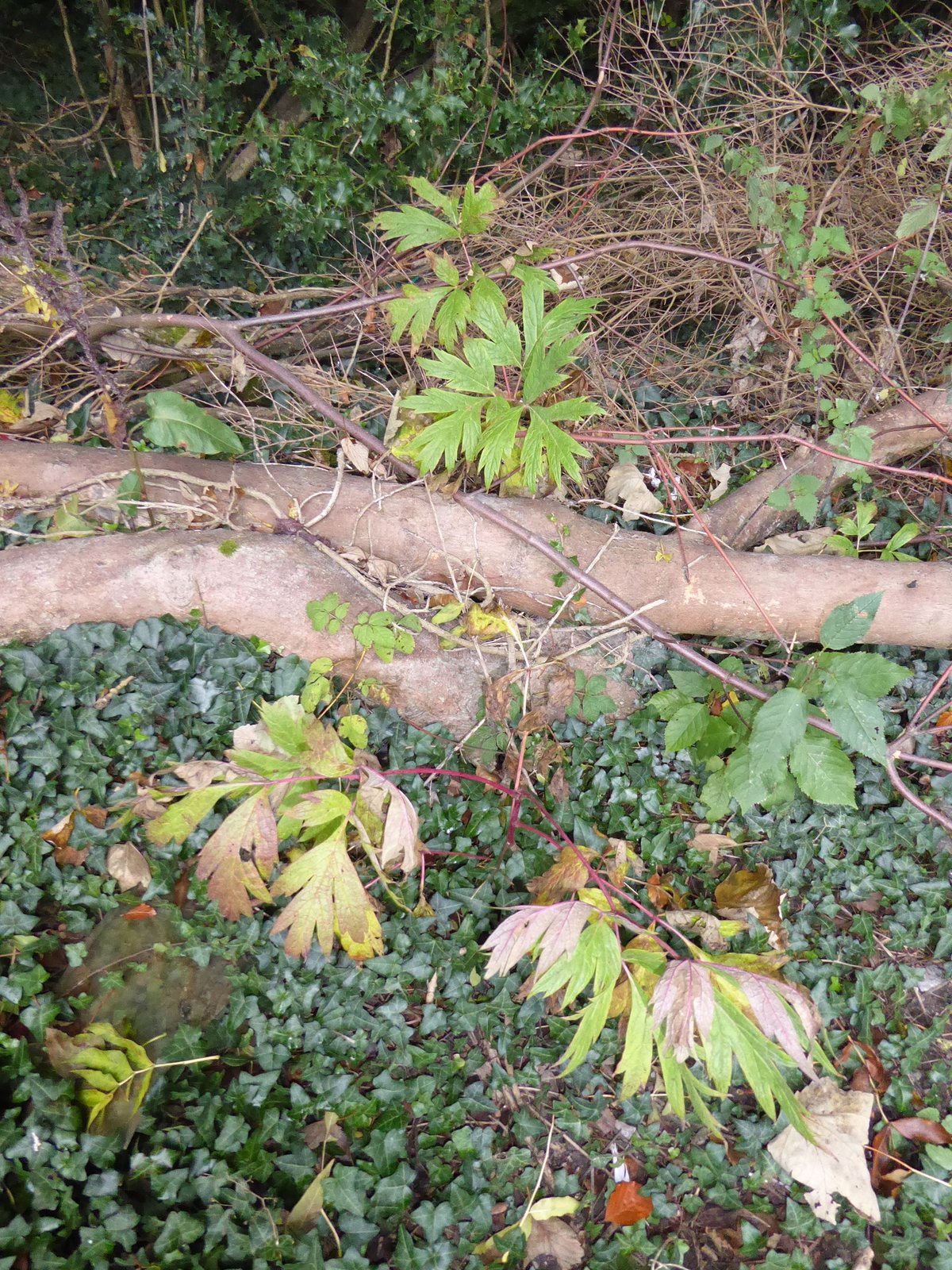
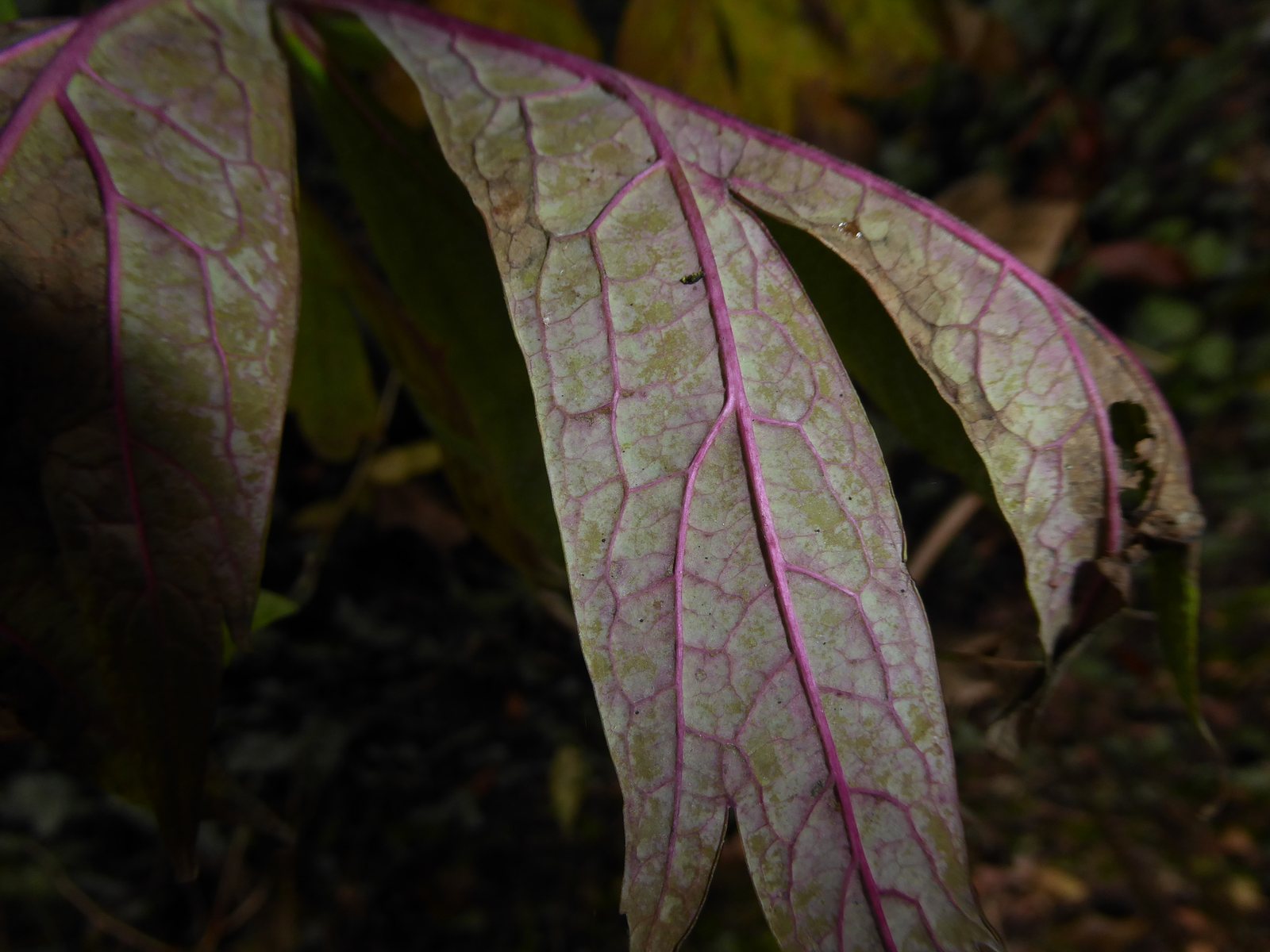
- Large, divided green to blue-green leaves on woody stems; new growth is often bronze or reddish.
- Growth
- Slow; allow several years to establish and reach regular flowering.
- Care needed
- Medium
The year at a glance
- Pollinators
- Deer resistant
- Cold hardy
- Low allergen
| J | F | M | A | M | J | J | A | S | O | N | D | |
|---|---|---|---|---|---|---|---|---|---|---|---|---|
| Flowers | ||||||||||||
| Plant |
Northern hemisphere months. In Australia, shift them by six.
- Difficulty
- Moderate
- Toughness
- Fairly tough
Will it suit your garden?
Pick your zone, country, light and whether you have pets.
Full sun is 6 or more hours of direct sun a day, part shade 3 to 6 hours, shade under 3.
How it grows
Planting day
1.6 ft (0.5 m)
After 1 year
2 ft (0.61 m)
After 2 years
2.3 ft (0.71 m)
After 3 years
2.7 ft (0.82 m)
After 5 years
3 ft (1 m)
About 8 years to full size.
From a typical nursery size, at an average rate for this kind of plant. A rule of thumb, not a forecast.
Good to know
- Cats and dogs
- Toxic
- Growth rate
- Slow
Care
Jobs through the year
- WaterMar–May, every 7 days
- Water established plants deeply during dry spring weather; monitor more closely for the first two years.
- WaterJun–Sep, every 14 days
- Water established plants during prolonged dry spells only; allow drainage between soakings.
- FeedMar
- Apply balanced fertiliser at the label rate; avoid high-nitrogen feeding.
- MulchNov
- Spread compost or well-rotted organic matter, keeping it clear of woody stems.
- PruneMar–Apr
- Once buds reveal living wood, remove dead stems and tips; never cut the shrub to ground level.
- PruneMay–Aug
- Remove any herbaceous rootstock shoots at their point of origin.
- DeadheadMay–Jun
- Remove faded flower heads while retaining leafy stems.
- ProtectMar–May
- Support heavy flowers and cover developing buds temporarily if a hard late frost is forecast.
- ProtectOct–Nov
- Collect fallen leaves and diseased debris to reduce fungal carryover.
- Plant in autumn where possible, choosing a permanent position away from competing tree roots.
- On grafted plants, set the graft union about 4-6 in (10-15 cm) below the soil surface to encourage roots from the tree-peony stem.
- Water deeply through the first two growing seasons, especially during dry spring weather.
- Apply a balanced fertilizer in early spring at the label rate; avoid heavy nitrogen feeding.
- Mulch annually with compost or well-rotted organic matter, keeping it clear of the stems.
- Support heavy double flowers with discreet hoops or stakes before buds open.
Pruning. In early spring, once buds reveal which wood is alive, remove dead or damaged stems and cut dead tips back to healthy buds. Do not cut the shrub to ground level like a herbaceous peony; remove any herbaceous rootstock shoots at their point of origin.
Through the year
- Early spring
- Check swelling buds, prune out dead wood and apply a balanced fertilizer.
- Spring
- Install supports before flowers open and protect developing buds with fleece if a hard late frost is forecast.
- Late spring
- Remove faded flower heads without cutting away leafy stems, unless you want seed.
- Summer
- Water during prolonged dry spells and check for shoots arising from herbaceous rootstock.
- Autumn
- Plant dormant specimens and collect fallen leaves to reduce disease carryover.
- Late autumn
- Apply an organic mulch without piling it against the woody stems.
In the garden
- Use as a specimen beside a path or terrace where the flowers can be viewed closely.
- Place in a mixed border with later-flowering perennials to carry interest beyond its short flowering season.
- Plant at a bright woodland edge with hellebores and ferns, avoiding dense shade and strong root competition.
- Use as a focal shrub in a Chinese- or Japanese-inspired courtyard, with space around its branching outline.
Garden styles it suits: Chinese scholar garden, Japanese, English country, Romantic rose garden, Woodland and Traditional.
Plant it with: Hellebores, Epimediums, Hardy geraniums, Lady's mantle, Japanese anemones and Ferns.
Wildlife: Single and some semi-double flowers provide pollen for bees; densely double flowers offer much less accessible pollen. Deer and rabbits usually leave established plants alone, though browsing is still possible.
Problems to watch for
- Peony wilt or Botrytis blight causes blackened buds and collapsing shoots: remove affected growth promptly, clear fallen debris and improve airflow.
- Late frost can damage emerging shoots and flower buds: avoid frost pockets and cover temporarily with horticultural fleece when frost is forecast.
- Poor flowering can follow deep shade, excess nitrogen, recent planting or insufficient winter cold: improve light, avoid rich nitrogen feeds and allow young plants time to establish.
- Root rot in wet soil causes decline or death: improve drainage before planting and avoid frequent watering of already moist ground.
Safety
Toxic if eaten by cats, dogs and horses; ingestion usually causes vomiting, diarrhoea or other digestive upset. All parts should be kept out of reach, especially roots and bark, which contain paeonol. Human ingestion can also cause digestive upset; do not use it as an edible plant, and seek medical or veterinary advice after significant ingestion.
Easily confused with
Herbaceous peony (Paeonia lactiflora)
Its stems die completely to ground level in autumn; tree peony retains woody stems and buds above ground.
Itoh peony (Paeonia intersectional hybrids)
Flowers and leaves can resemble tree peony, but most top growth dies back in winter rather than forming a persistent woody shrub.
Yellow tree peony (Paeonia delavayi)
Typically has smaller, nodding yellow or dark red flowers and more finely divided foliage than the large-flowered tree peony hybrids.
The name
Paeonia refers to Paeon, the healer of Greek mythology, while suffruticosa means somewhat shrubby, referring to its woody growth.
Propagation. Named cultivars are usually propagated by grafting onto herbaceous peony roots, a specialist late-summer task. Seed can produce new plants but does not come true to cultivar, may take two years to germinate and usually takes several more years to flower.
Checked against open data
- Accepted botanical name
- Paeonia suffruticosa
Sources: GBIF (CC BY 4.0). The care and design notes are LandscapeGPT's own.
See it in your own yard.
Upload a photo of your yard and see it redesigned with plants that suit your climate, each checked against your zone.