Trident maple
Acer buergerianum. Family Sapindaceae. Tree.
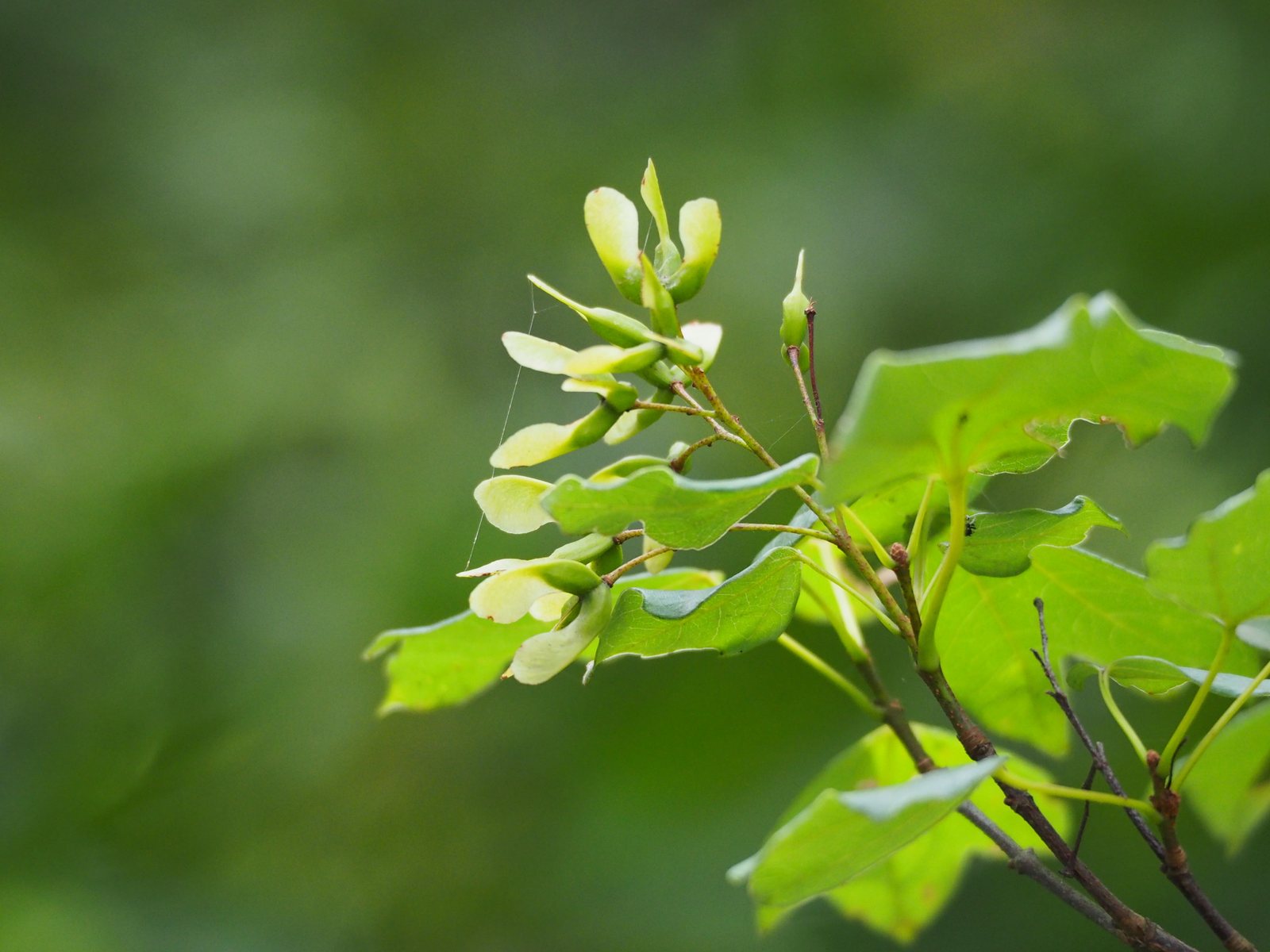
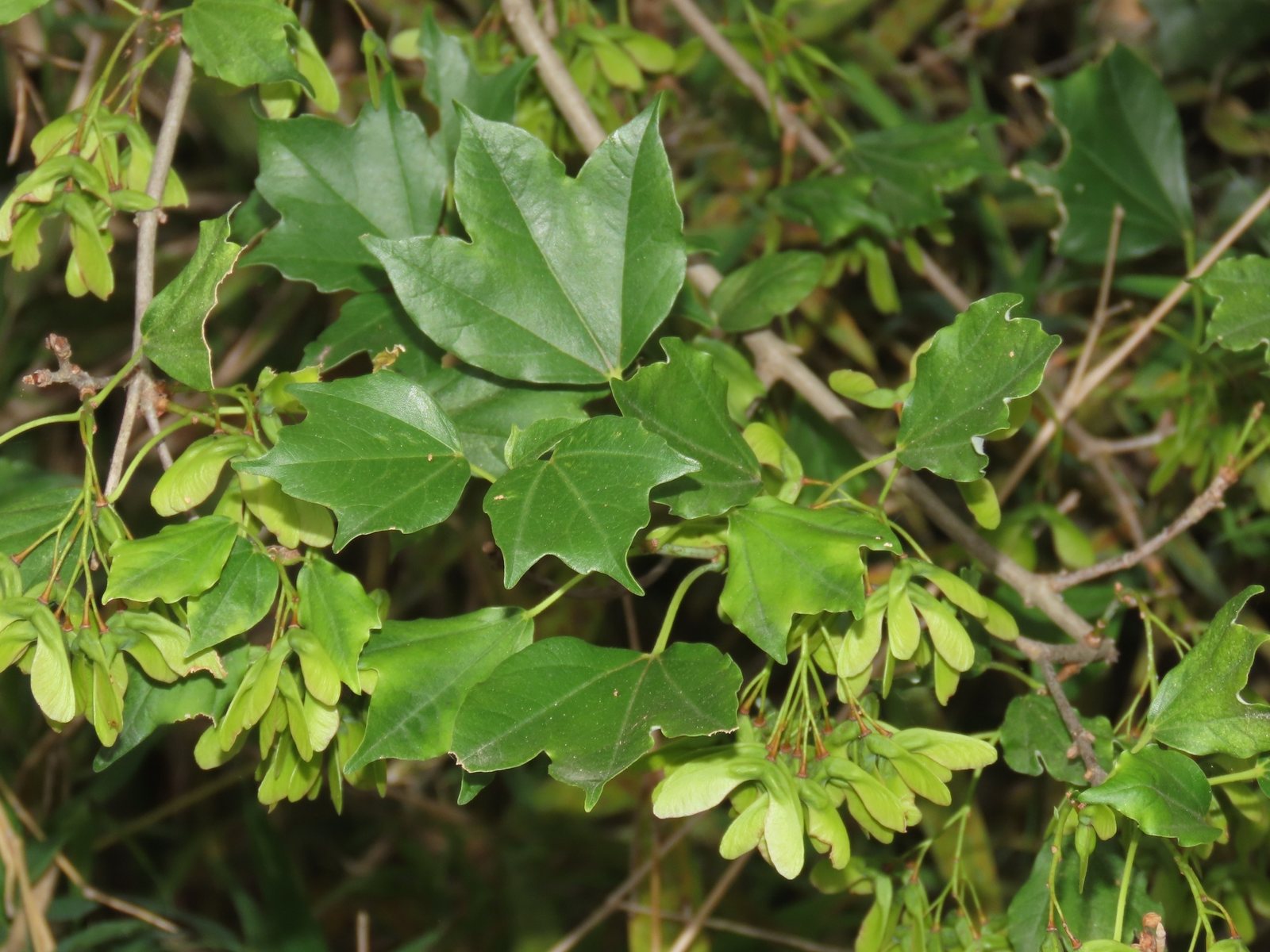
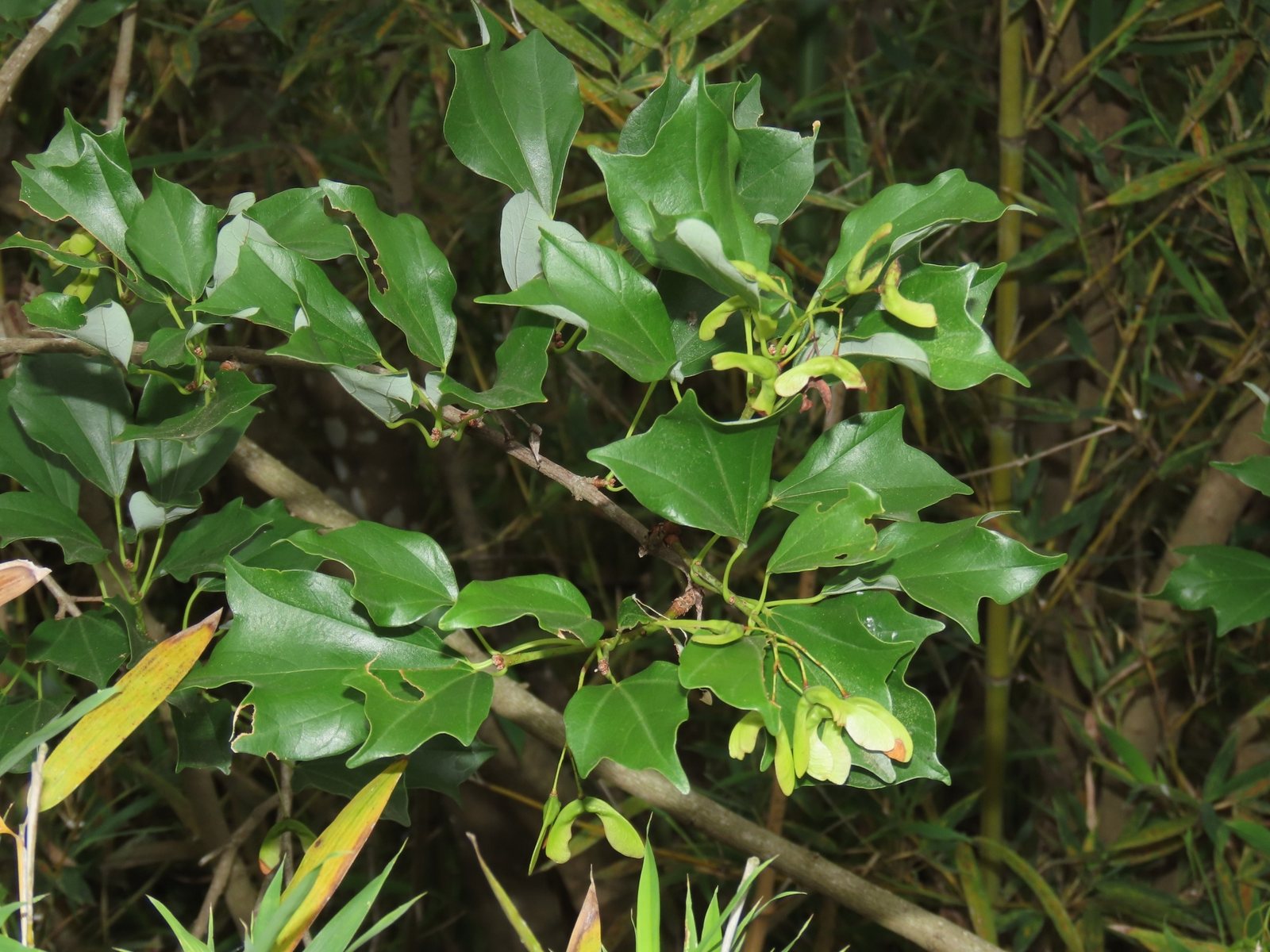
Trident maple is a small to medium-sized deciduous tree from East Asia, grown for its neat, three-lobed leaves, rounded crown and yellow, orange or red autumn colour. Older trunks develop attractive peeling bark, and established trees tolerate heat and occasional dry spells better than many ornamental maples.
At a glance
- Sun
- Full sun to partial shade; autumn colour is usually strongest in sun.
- Water
- Water regularly while establishing. Once established, water during prolonged drought, especially in hot, exposed sites.
- Soil
- Well-drained soil, preferably moderately fertile and moisture-retentive. Tolerates clay, loam and sandy soils, and mildly acidic to mildly alkaline conditions; avoid waterlogged ground.
- Height
- 20-35 ft (6-10.7 m)
- Spread
- 20-30 ft (6-9 m)
- Flowers
- Small, yellow-green flowers in spring; not especially showy.
- Foliage
- Small, glossy green leaves, usually with three pointed lobes, turning yellow, orange or red in autumn. Colour varies with the individual tree and growing conditions.
- Growth
- Moderate; slower in dry or restricted soil.
- Care needed
- Low
The year at a glance
- Pollinators
- Drought tolerant
- Heat tolerant
- Wildlife
| J | F | M | A | M | J | J | A | S | O | N | D | |
|---|---|---|---|---|---|---|---|---|---|---|---|---|
| Flowers | ||||||||||||
| Fruit | ||||||||||||
| Plant |
Northern hemisphere months. In Australia, shift them by six.
- Difficulty
- Easy
- Toughness
- Very tough
Will it suit your garden?
Pick your zone, country, light and whether you have pets.
Full sun is 6 or more hours of direct sun a day, part shade 3 to 6 hours, shade under 3.
How it grows
Planting day
7 ft (2 m)
After 1 year
7 ft (2.2 m)
After 2 years
8 ft (2.5 m)
After 3 years
9 ft (2.7 m)
After 5 years
11 ft (3.2 m)
About 26 years to full size.
From a typical nursery size, at an average rate for this kind of plant. A rule of thumb, not a forecast.
Good to know
- Cats and dogs
- Safe
- Growth rate
- Slow
Care
Jobs through the year
- WaterApr–May, Sep–Oct, every 21 days
- Water established trees only during prolonged drought; young trees need regular deep watering as soil dries.
- WaterJun–Aug, every 14 days
- Water established trees deeply during prolonged drought; check young trees more frequently.
- MulchMar–Apr
- Maintain 5–8 cm of organic mulch, keeping grass away and the trunk base clear.
- PruneAug
- Make small formative cuts and remove damaged or crossing branches; avoid topping.
- Water deeply through the first two growing seasons whenever the root zone begins to dry.
- Spread mulch 2-3 in (5-8 cm) deep over the root area, keeping it clear of the trunk.
- Keep grass and weeds away from the base to reduce competition and mower damage.
- Feed only if growth is poor and a soil test indicates a nutrient shortage; avoid heavy nitrogen feeding.
- Stake only if the root ball moves in wind, and remove supports once the tree is firmly rooted.
Pruning. Prune lightly in late summer, removing dead, damaged or crossing branches and gradually establishing a sound framework while the tree is young. Avoid topping and heavy late-winter or spring pruning, when maples can bleed sap.
Through the year
- Autumn
- Plant while the soil is workable, except in very cold regions where spring planting is safer.
- Late winter
- Check young trees for rubbing ties, loose stakes and damaged branches.
- Spring
- Plant in colder regions and renew mulch without burying the root flare.
- Summer
- Check soil moisture during dry weather and water young trees deeply.
- Late summer
- Carry out light formative pruning if needed.
- Late autumn
- Collect fallen leaves for leaf mould; remove unwanted seedlings when you find them.
In the garden
- Use as a specimen in a lawn or broad planting bed where its rounded crown and autumn colour have room to develop.
- Place beside a patio or courtyard to provide seasonal shade, allowing for its mature spread.
- Combine with ferns, sedges and shade-tolerant perennials beneath the outer canopy.
- Use in Japanese-inspired gardens with rocks, evergreen shrubs and restrained groundcover planting.
- Train as bonsai where regular root pruning, watering and specialist care are practical.
Garden styles it suits: Japanese, Chinese scholar garden, Modern courtyard, Woodland, Autumn colour and Traditional.
Plant it with: Hakone grass, Lilyturf, Epimedium, Christmas fern, Hellebores and Japanese camellia.
Wildlife: Flowers provide some food for visiting insects, and the canopy offers shelter and nesting sites for birds. Winged seeds may be eaten by birds and small mammals.
Problems to watch for
- Leaf scorch: brown edges can follow drought, drying winds or root damage; water deeply, mulch and protect young trees from severe exposure.
- Verticillium wilt: sudden branch wilt or dieback needs professional diagnosis; remove affected wood, avoid stressing the roots and do not replace a confirmed infected tree with another susceptible maple.
- Scale insects: inspect twigs for persistent bumps, sticky honeydew or sooty mould; conserve natural predators and use a labelled horticultural oil when appropriate.
- Poor establishment in wet soil: yellowing leaves and dieback can indicate oxygen-starved roots; improve the planting location rather than repeatedly watering or feeding.
Safety
Not known to be toxic to people, cats or dogs. Horse-safety information for this species is limited; keep its seeds and fallen leaves out of pasture rather than assuming it is safe.
Easily confused with
Amur maple (Acer ginnala)
Its three-lobed leaves usually have a much longer central lobe and conspicuously toothed edges; trident maple leaves have smoother edges with fewer, coarser teeth.
Field maple (Acer campestre)
Leaves usually have five blunt, rounded lobes rather than three pointed ones, and young branches may develop corky ridges.
Japanese maple (Acer palmatum)
Leaves usually have five to seven deeply divided, finely toothed lobes, giving a much more delicate outline.
The name
The common name refers to the leaf's three main lobes, while buergerianum honours the German naturalist Heinrich Bürger.
Propagation. Grow from seed given a period of cold, moist stratification; germination can be variable. Named selections are usually grafted to preserve their characteristics.
Checked against open data
- Accepted botanical name
- Acer buergerianum
- Native range
- China North-Central, China South-Central, China Southeast and Taiwan.
- Measured
- Average height 945 cm.
Sources: GBIF (CC BY 4.0) and Trefle (CC BY 4.0). The care and design notes are LandscapeGPT's own.
See it in your own yard.
Upload a photo of your yard and see it redesigned with plants that suit your climate, each checked against your zone.