Trumpet lily 'African Queen'
Lilium 'African Queen'. Family Liliaceae. Bulb.
Also called African Queen lily, Lilium African Queen Group.
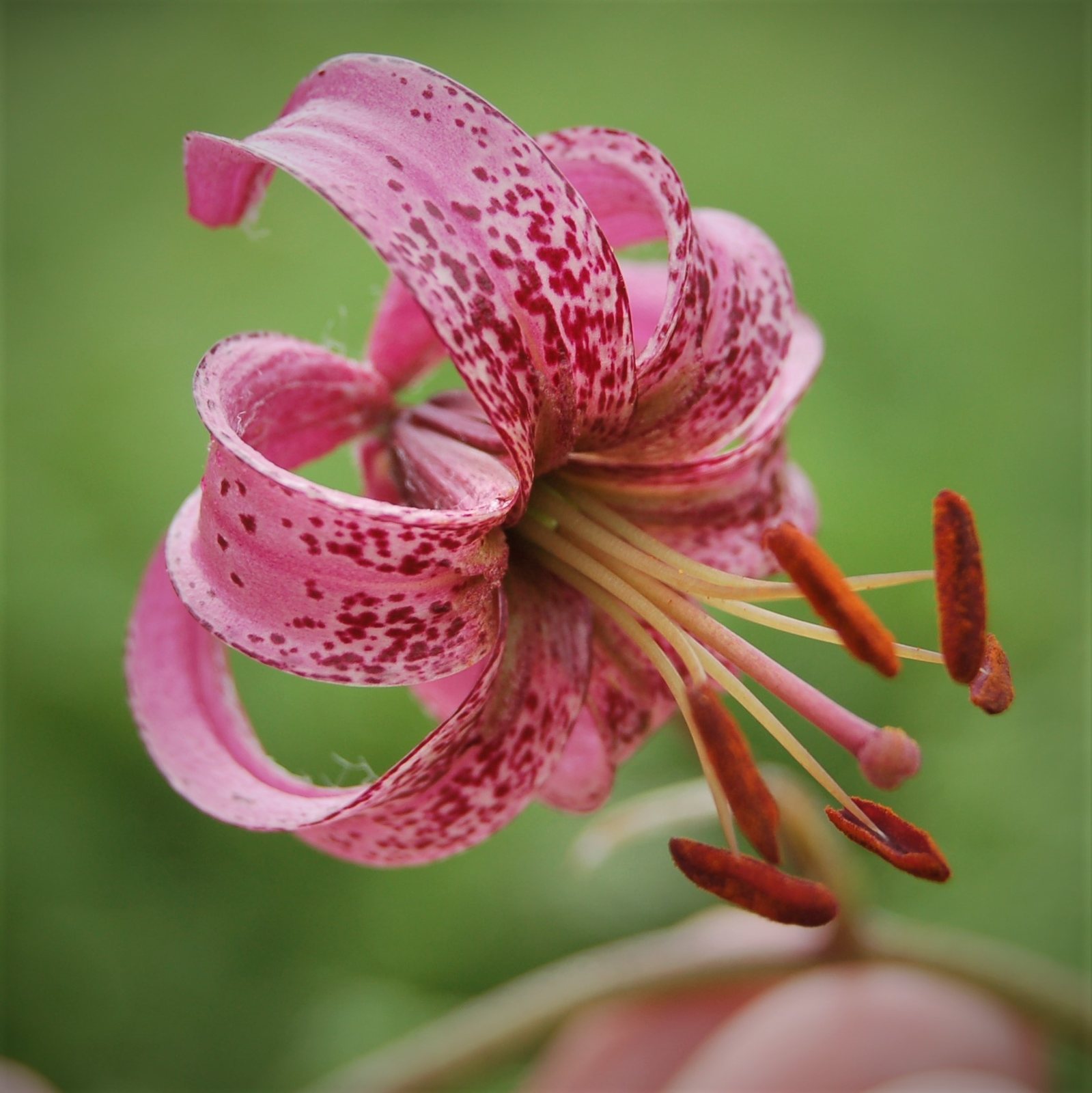
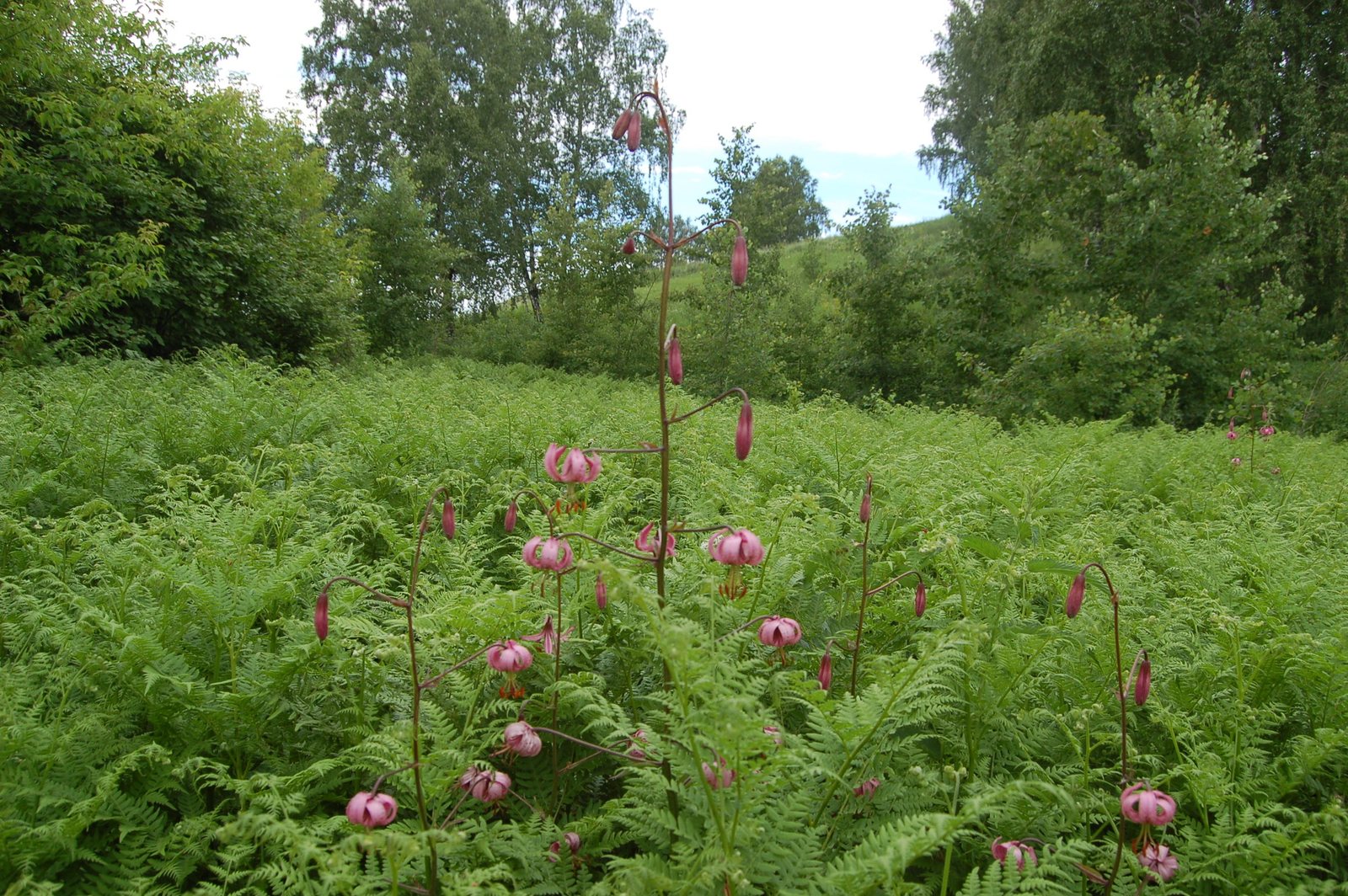
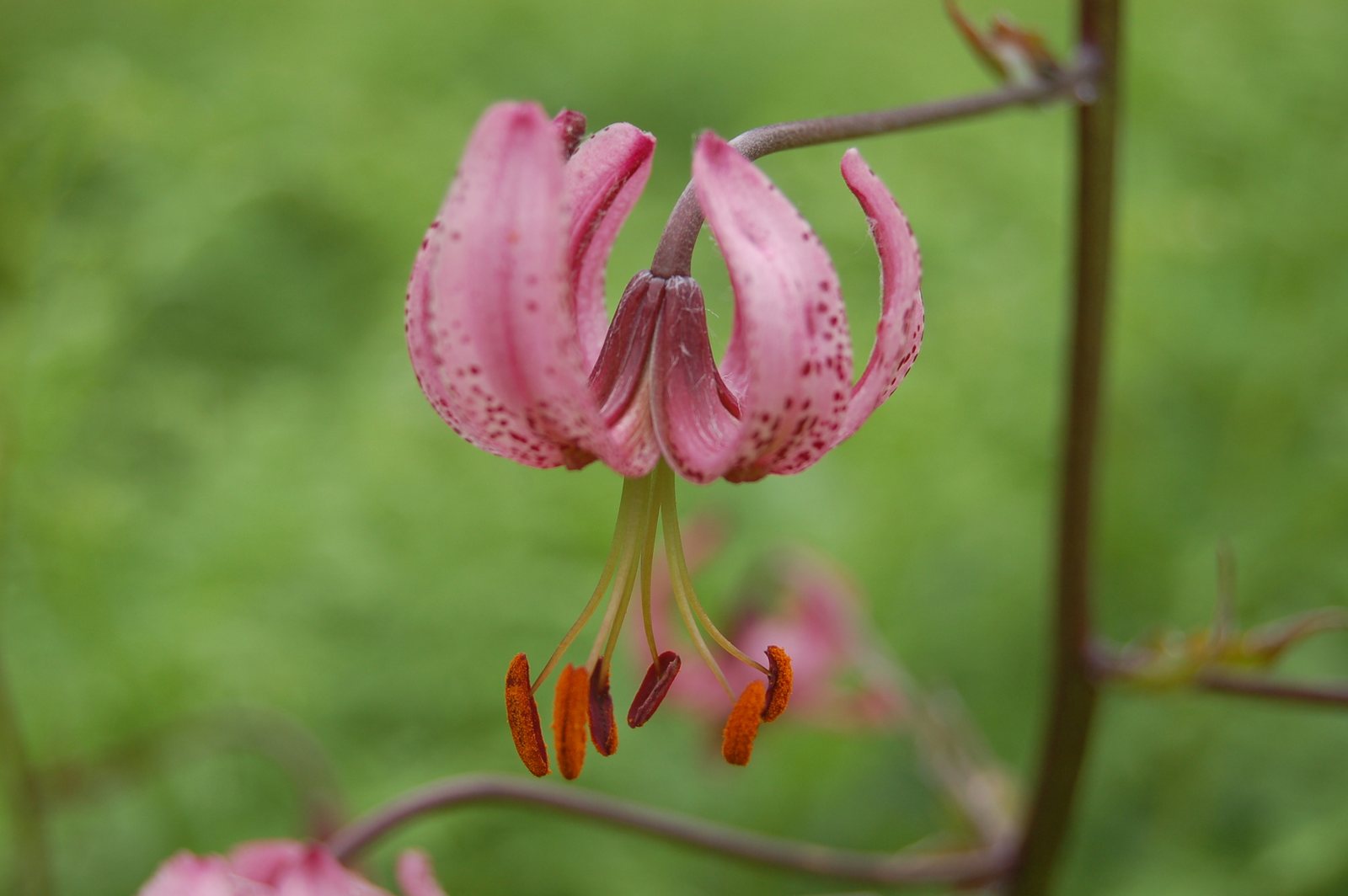
'African Queen' is a tall, summer-flowering lily grown for its large, fragrant, apricot-orange trumpets, often flushed brownish purple outside. It brings height and warm colour to borders, but needs well-drained soil and often some support. It is commonly sold as a strain, so flower colour and height can vary slightly.
At a glance
- Sun
- Full sun or light partial shade; flowers best with at least 6 hours of sun and shelter from strong winds.
- Water
- Keep evenly moist during active growth, watering deeply in dry spells. Avoid waterlogged soil, especially during winter dormancy.
- Soil
- Fertile, humus-rich, well-drained soil; slightly acidic to slightly alkaline. Improve heavy ground or grow in a raised bed.
- Height
- 4-6 ft (1.2-1.8 m)
- Spread
- 1-2 ft (0.3-0.6 m)
- Flowers
- Mid- to late summer; fragrant apricot-orange to copper-orange trumpet flowers, with darker bronze-purple colouring outside.
- Foliage
- Narrow, glossy green leaves arranged along upright stems; foliage dies back in autumn.
- Growth
- Fast seasonal growth; bulbs usually build into fuller clumps over several years.
- Care needed
- Medium
The year at a glance
- Pollinators
- Low allergen
- Fragrant
| J | F | M | A | M | J | J | A | S | O | N | D | |
|---|---|---|---|---|---|---|---|---|---|---|---|---|
| Flowers | ||||||||||||
| Plant |
Northern hemisphere months. In Australia, shift them by six.
- Difficulty
- Moderate
- Toughness
- Fairly tough
Will it suit your garden?
Pick your zone, country, light and whether you have pets.
Full sun is 6 or more hours of direct sun a day, part shade 3 to 6 hours, shade under 3.
How it grows
Planting day
0.6 ft (0.18 m)
After 1 year
5 ft (1.5 m)
full size
Full size in one season.
From a typical nursery size, at an average rate for this kind of plant. A rule of thumb, not a forecast.
Good to know
- Cats and dogs
- Toxic
- Growth rate
- Fast
Care
Jobs through the year
- WaterApr–May, Sep, every 14 days
- Water established ground plants if dry while foliage is green; keep roots moist, not waterlogged.
- WaterJun–Aug, every 7 days
- Water deeply in dry weather during active growth; newly planted bulbs may need more frequent watering.
- FeedMar–Apr
- Apply a balanced bulb fertiliser as shoots emerge, following the label.
- MulchApr, Nov
- Apply compost to conserve moisture, keeping emerging shoots and stem bases clear.
- ProtectMar–May
- Protect emerging shoots from slugs and install stakes before stems become tall.
- ProtectMay–Aug, every 7 days
- Inspect for lily beetles and larvae, remove them by hand and tie tall stems loosely to stakes.
- DeadheadJul–Aug
- Remove faded flowers before seed pods form, retaining leafy stems.
- PruneOct–Nov
- Cut stems to ground level only after they turn fully yellow or brown.
- DivideOct–Nov
- Divide only crowded clumps after foliage dies, replanting bulbs immediately.
- ProtectJan–Feb, Nov–Dec
- Prevent prolonged winter saturation, especially in outdoor pots.
- Plant bulbs promptly in autumn or early spring, about 6-8 in (15-20 cm) deep and 12-18 in (30-45 cm) apart.
- Water at soil level during dry weather while stems and leaves are growing.
- Apply a balanced bulb fertiliser as shoots emerge, following the label rate.
- Mulch with compost to conserve moisture, keeping it clear of emerging shoots.
- Put stakes in early and tie tall stems loosely before flower buds become heavy.
- Divide crowded clumps after the foliage dies back, replanting bulbs immediately.
Pruning. Remove faded flowers before seed pods develop, leaving the leafy stems intact to replenish the bulbs. Cut stems down to ground level only after they have turned yellow or brown in autumn.
Through the year
- Autumn
- Plant fresh bulbs in well-drained ground; divide established clumps only if crowded.
- Winter
- Check that planting sites drain freely and protect outdoor pots from prolonged saturation.
- Early spring
- Plant any remaining bulbs, feed emerging shoots and protect young growth from slugs.
- Late spring
- Install supports and check leaves regularly for lily beetles where present.
- Summer
- Water deeply during dry spells and tie stems loosely to supports.
- Late summer
- Remove spent flowers but retain all healthy foliage.
- Late autumn
- Cut down fully dead stems and replenish the mulch.
In the garden
- Plant in groups through the middle or back of a sunny border for upright summer flowers.
- Combine with blue catmint or purple salvias to contrast with the warm orange flowers.
- Grow among lower perennials that shade the soil while leaving lily stems in sunlight.
- Use in large, deep containers with good drainage and discreet supports.
- Place near a seating area for fragrance, but avoid it entirely where cats may encounter it.
Garden styles it suits: English country, Cottage garden, Traditional, Hot border, Sensory garden and Romantic rose garden.
Plant it with: Catmint, Hardy geraniums, Perennial salvias, Lady's mantle, Garden phlox and Purple coneflower.
Wildlife: Flowers may attract bees and other insects, although the long trumpets limit access for some visitors. This cultivated hybrid is not a substitute for locally native habitat plants.
Problems to watch for
- Lily beetles, especially in the UK and parts of North America: inspect leaf undersides and remove red adults, eggs and larvae by hand.
- Slugs and snails eating emerging shoots: check at dusk, remove pests and use labelled iron-phosphate bait if needed.
- Botrytis causing brown leaf spots in damp weather: space plants for airflow, avoid wetting foliage and remove infected debris.
- Bulb rot or failure to emerge in wet soil: improve drainage, discard soft bulbs and move planting to a raised bed or freely draining container.
Safety
Extremely toxic to cats: all parts, including pollen, and water from a vase containing lilies can cause fatal kidney failure. Any suspected exposure needs immediate veterinary attention. True lilies are not known to cause the same poisoning in dogs or horses, but eating them may cause digestive upset. They are not generally regarded as poisonous to people, but do not eat ornamental bulbs or other parts.
Easily confused with
Regal lily (Lilium regale)
Has white trumpets with yellow throats and pink-purple colouring outside, rather than apricot-orange flowers.
Golden Splendour trumpet lily (Lilium Golden Splendour Group)
Has predominantly golden-yellow trumpets rather than the coppery orange tones of 'African Queen'; both may have darker colouring outside.
Henry's lily (Lilium henryi)
Has orange flowers with strongly backward-curled petals, conspicuous spots and raised papillae, rather than long, open trumpets.
The name
Lilium is the Latin word for lily, and the common name trumpet lily describes the long, flared shape of the flowers.
Propagation. Separate offsets from established bulbs after the foliage dies back, or propagate by bulb scales. Seed-grown plants take several years to flower and may vary; offsets and scales preserve the parent plant's characteristics.
Checked against open data
- Accepted botanical name
- Lilium
Sources: GBIF (CC BY 4.0). The care and design notes are LandscapeGPT's own.
See it in your own yard.
Upload a photo of your yard and see it redesigned with plants that suit your climate, each checked against your zone.