Tuff Stuff mountain hydrangea
Hydrangea serrata 'MAKD'. Family Hydrangeaceae. Shrub.
Also called Hydrangea serrata 'MAKD', Tuff Stuff hydrangea.
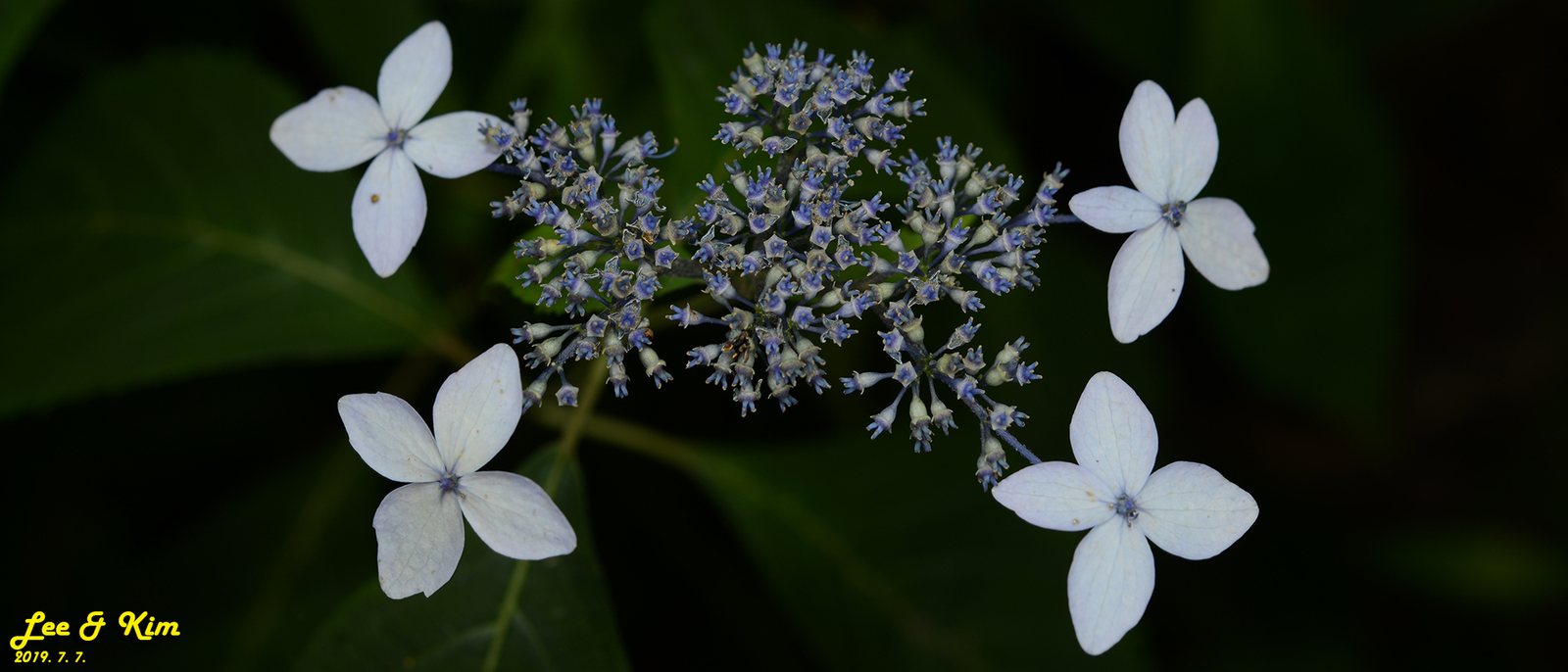
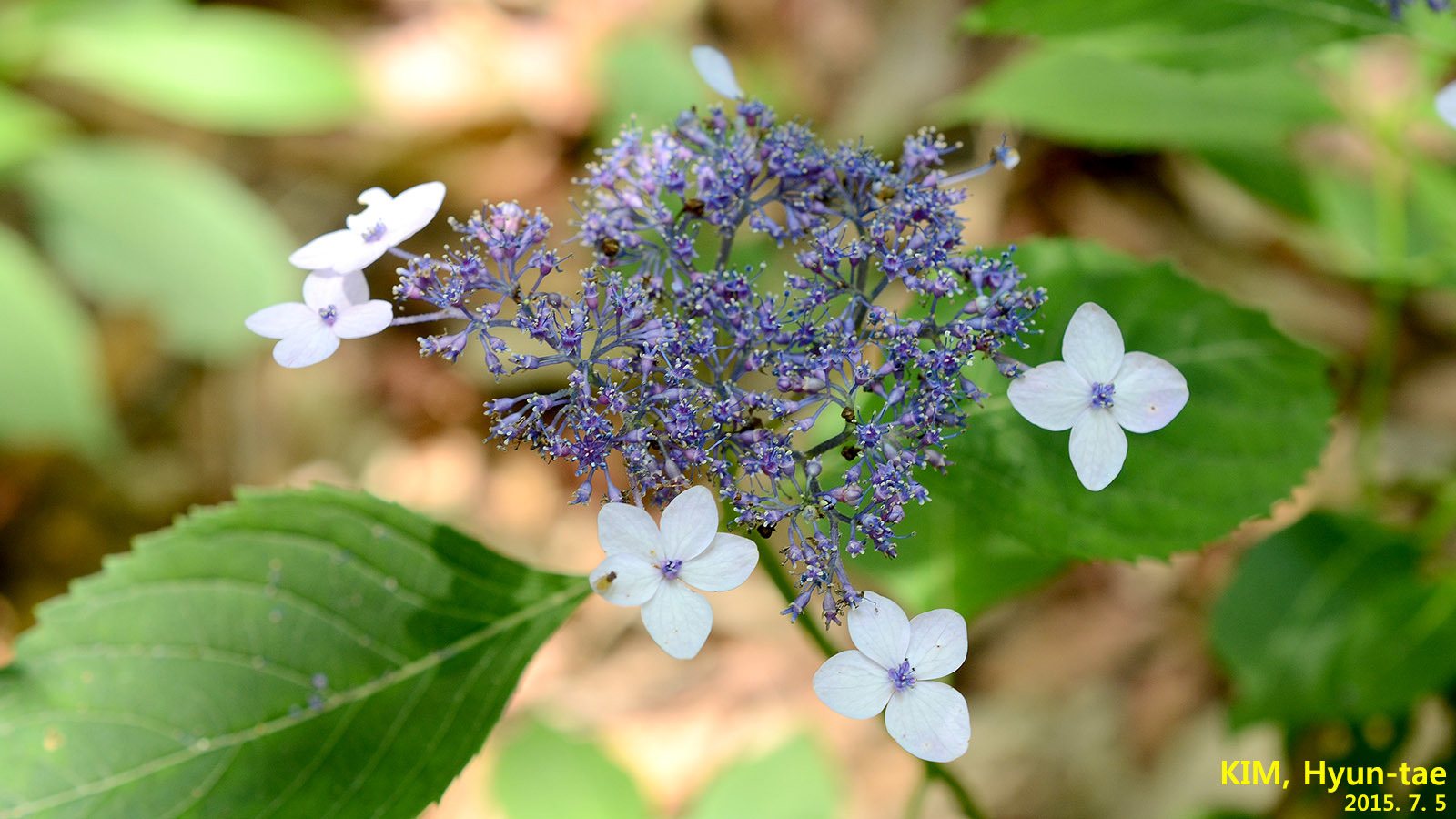
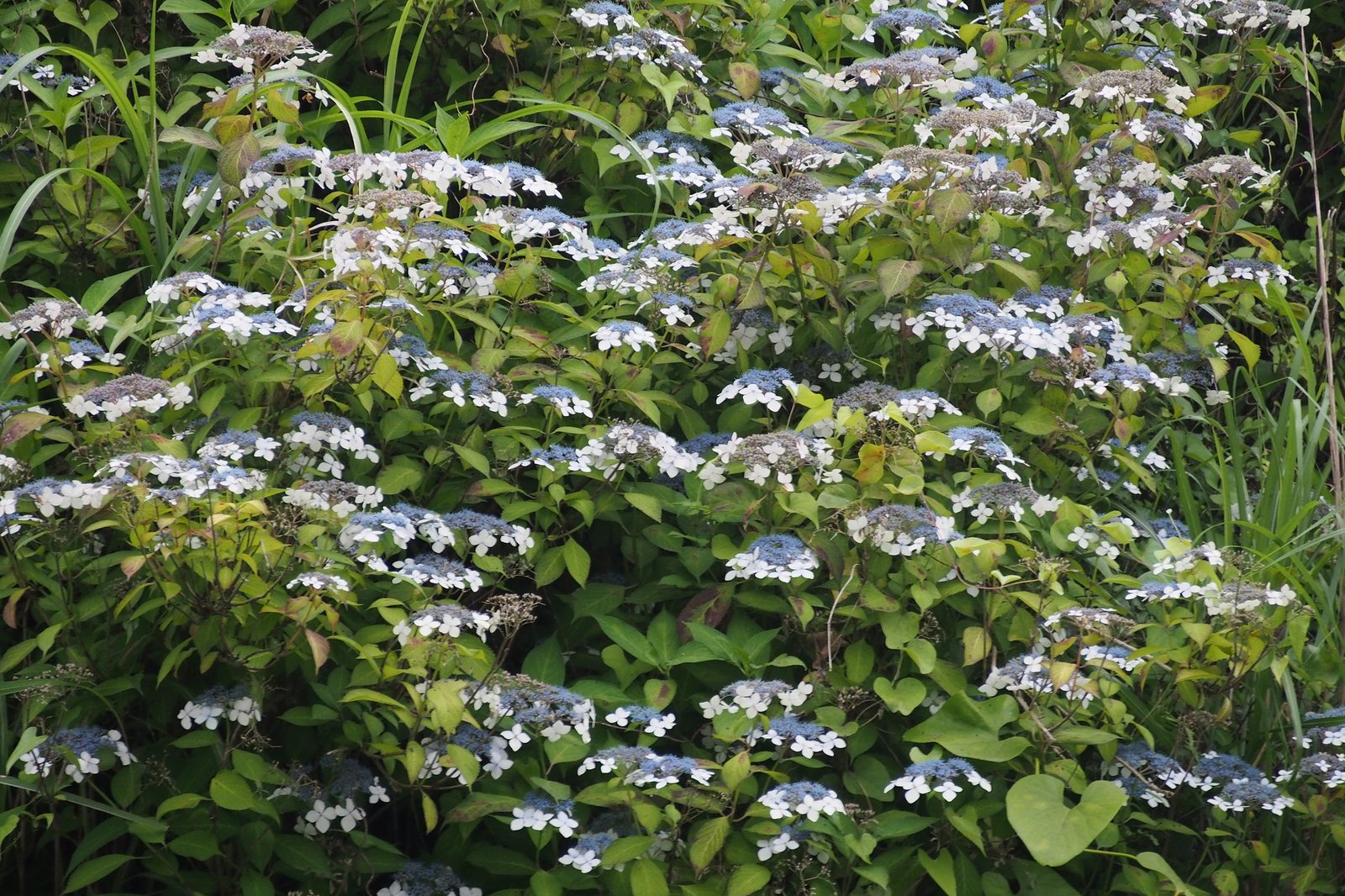
A compact, deciduous mountain hydrangea grown for its lacecap flower heads with double outer florets and its ability to flower on both old and new growth. It suits small borders and containers, with pink, purple or blue flowers depending on soil chemistry. Generally reliable in USDA zones 6–9, it is also sold for zone 5, where winter survival and flowering are less dependable.
At a glance
- Sun
- Partial shade, ideally morning sun and afternoon shade; tolerates more sun in cool climates if the soil stays moist.
- Water
- Keep evenly moist but not waterlogged; water deeply during dry spells and check containers frequently in warm weather.
- Soil
- Humus-rich, moist, well-drained soil. Acidic soil with available aluminium encourages blue or purple flowers; less acidic soil generally produces pink flowers. Strongly alkaline soil can cause yellow leaves.
- Height
- 2-3 ft (0.6-0.9 m)
- Spread
- 2-3 ft (0.6-0.9 m)
- Flowers
- Early summer into autumn, often in repeat flushes; lacecap heads with double pink, purple or blue outer florets surrounding small fertile flowers.
- Foliage
- Deciduous, dark green, pointed leaves with toothed edges; autumn colour may include red or burgundy tones.
- Growth
- Moderate
- Care needed
- Medium
The year at a glance
- Pollinators
- Low allergen
| J | F | M | A | M | J | J | A | S | O | N | D | |
|---|---|---|---|---|---|---|---|---|---|---|---|---|
| Flowers | ||||||||||||
| Plant |
Northern hemisphere months. In Australia, shift them by six.
- Difficulty
- Moderate
- Toughness
- Fairly tough
Will it suit your garden?
Pick your zone, country, light and whether you have pets.
Full sun is 6 or more hours of direct sun a day, part shade 3 to 6 hours, shade under 3.
How it grows
Planting day
1.6 ft (0.5 m)
After 1 year
1.8 ft (0.55 m)
After 2 years
2 ft (0.6 m)
After 3 years
2.1 ft (0.65 m)
After 5 years
2.5 ft (0.75 m)
full size
About 5 years to full size.
From a typical nursery size, at an average rate for this kind of plant. A rule of thumb, not a forecast.
Good to know
- Cats and dogs
- Toxic
- Growth rate
- Moderate
Care
Jobs through the year
- WaterApr–May, Sep–Oct, every 7 days
- Water established shrubs when the root zone starts drying; new plants need more frequent checks.
- WaterJun–Aug, every 3 days
- Check moisture and water deeply if drying; keep evenly moist but never waterlogged.
- FeedMar–Apr
- Apply a light balanced shrub feed according to the label.
- MulchMar–Apr
- Apply 5–8 cm of leaf mould or composted bark, keeping stems clear.
- PruneMar–Apr
- As buds swell, remove dead wood and trim old heads above healthy buds; retain healthy older stems.
- ProtectApr–May
- Cover emerging shoots with fleece when late frost is forecast.
- Water at soil level whenever the root zone begins to dry; do not let newly planted shrubs dry out.
- Apply 2-3 in (5-8 cm) of leaf mould or composted bark each spring, keeping it clear of the stems.
- Feed lightly in spring with a balanced shrub fertiliser; avoid heavy nitrogen feeding.
- Provide afternoon shade in hot regions and shelter from drying winds.
- Use a large pot with drainage holes for container growing, and protect the root ball from severe winter freezing.
Pruning. In spring, once buds begin to swell, remove dead wood and cut old flower heads back to the first healthy pair of buds. Avoid routine hard pruning: although it flowers on new growth, retaining healthy older stems preserves the earlier display.
Through the year
- Spring
- As buds swell, remove winter-killed stems and trim old flower heads above healthy buds.
- Spring
- Apply mulch and a light feed; plant when the soil is workable and not waterlogged.
- Late spring
- Protect emerging shoots with horticultural fleece if frost is forecast.
- Summer
- Water deeply during dry weather and check pots frequently; remove spent flowers if desired without cutting far down the stems.
- Autumn
- Keep watering during dry spells until leaf fall; leave healthy stems intact.
- Winter
- Insulate exposed containers and keep their drainage holes clear.
In the garden
- Plant at the front of a lightly shaded shrub border for summer colour without hiding plants behind it.
- Group several beneath high-canopied trees where there is adequate moisture and little root competition.
- Grow in a large patio container beside ferns or shade-tolerant perennials.
- Combine with hostas, astilbes and Japanese forest grass for contrasting leaf shapes and soft flower colour.
Garden styles it suits: Woodland, Cottage garden, Japanese, Modern courtyard, Small-space and Pastel border.
Plant it with: Hostas, Astilbes, Japanese forest grass, Japanese painted fern, Coral bells and Foamflower.
Wildlife: The small fertile flowers can provide food for visiting insects, though the large decorative florets are sterile. It is not a native wildlife shrub in the United States, the United Kingdom, Canada or Australia.
Problems to watch for
- Wilting and scorched leaf edges: check soil moisture, water deeply when needed and provide afternoon shade; do not assume wilt in wet soil needs more water.
- Few flowers after winter: frost may have killed old flower buds, or pruning removed them; retain healthy stems and protect young growth from late frost.
- Yellow leaves with green veins: alkaline soil can restrict iron uptake; test the soil and use an appropriate chelated iron treatment or grow in suitable container compost.
- Leaf spots or powdery mildew: improve air circulation, water at soil level and remove fallen infected leaves.
Safety
Toxic if eaten by cats, dogs, horses or people. All parts contain cyanogenic glycosides, especially the leaves and flower buds; ingestion usually causes digestive upset, but substantial amounts can cause serious poisoning. Seek veterinary or medical advice after ingestion.
Easily confused with
Bigleaf hydrangea (Hydrangea macrophylla)
Usually has larger, broader, thicker leaves and often a larger habit. Lacecap forms can be very similar, so a cultivar label is more reliable than flower shape alone.
Tiny Tuff Stuff mountain hydrangea (Hydrangea serrata 'MAKD02')
A separate, smaller cultivar, usually about 1.5-2 ft (0.45-0.6 m) tall and wide; check the cultivar name on the label.
The name
Hydrangea comes from Greek words meaning water vessel, referring to the seed capsules, while serrata describes the saw-toothed leaf margins.
Propagation. Softwood cuttings taken in late spring or early summer preserve the cultivar; seedlings will not come true. Check applicable plant breeders' rights or patent restrictions before propagating.
Checked against open data
- Accepted botanical name
- Hydrangea serrata
- Native range
- Japan and Korea.
Sources: GBIF (CC BY 4.0) and Trefle (CC BY 4.0). The care and design notes are LandscapeGPT's own.
See it in your own yard.
Upload a photo of your yard and see it redesigned with plants that suit your climate, each checked against your zone.