Tulip 'Ballerina'
Tulipa 'Ballerina'. Family Liliaceae. Bulb.
Also called Lily-flowered tulip 'Ballerina'.
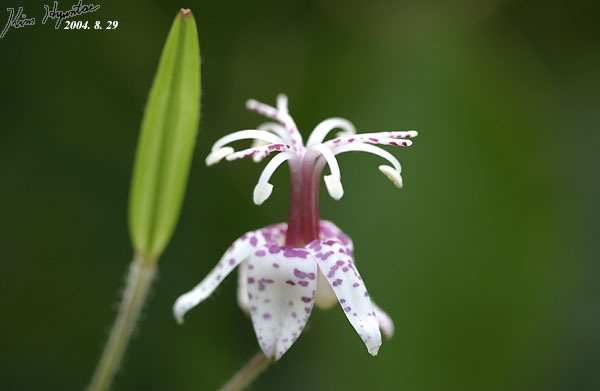
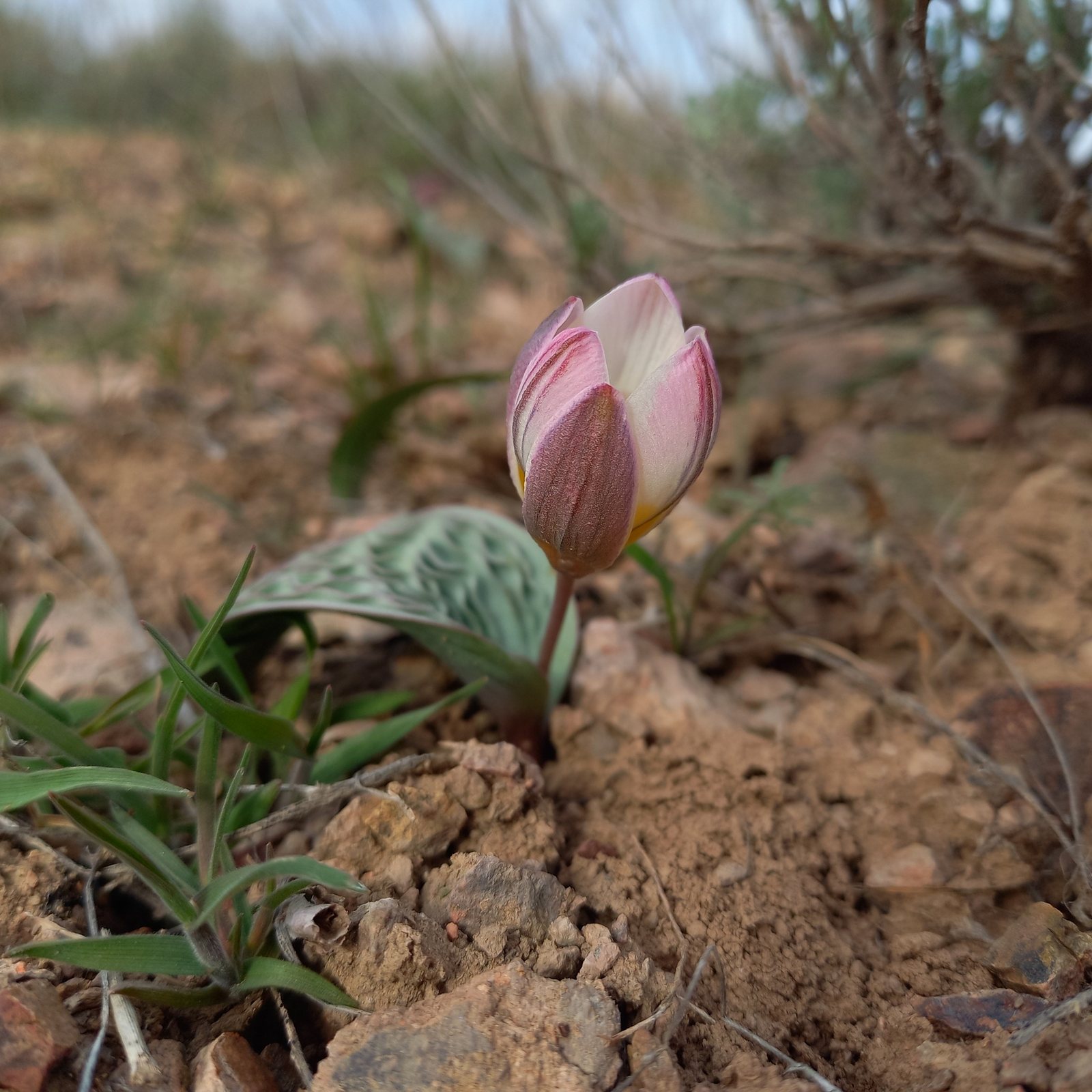
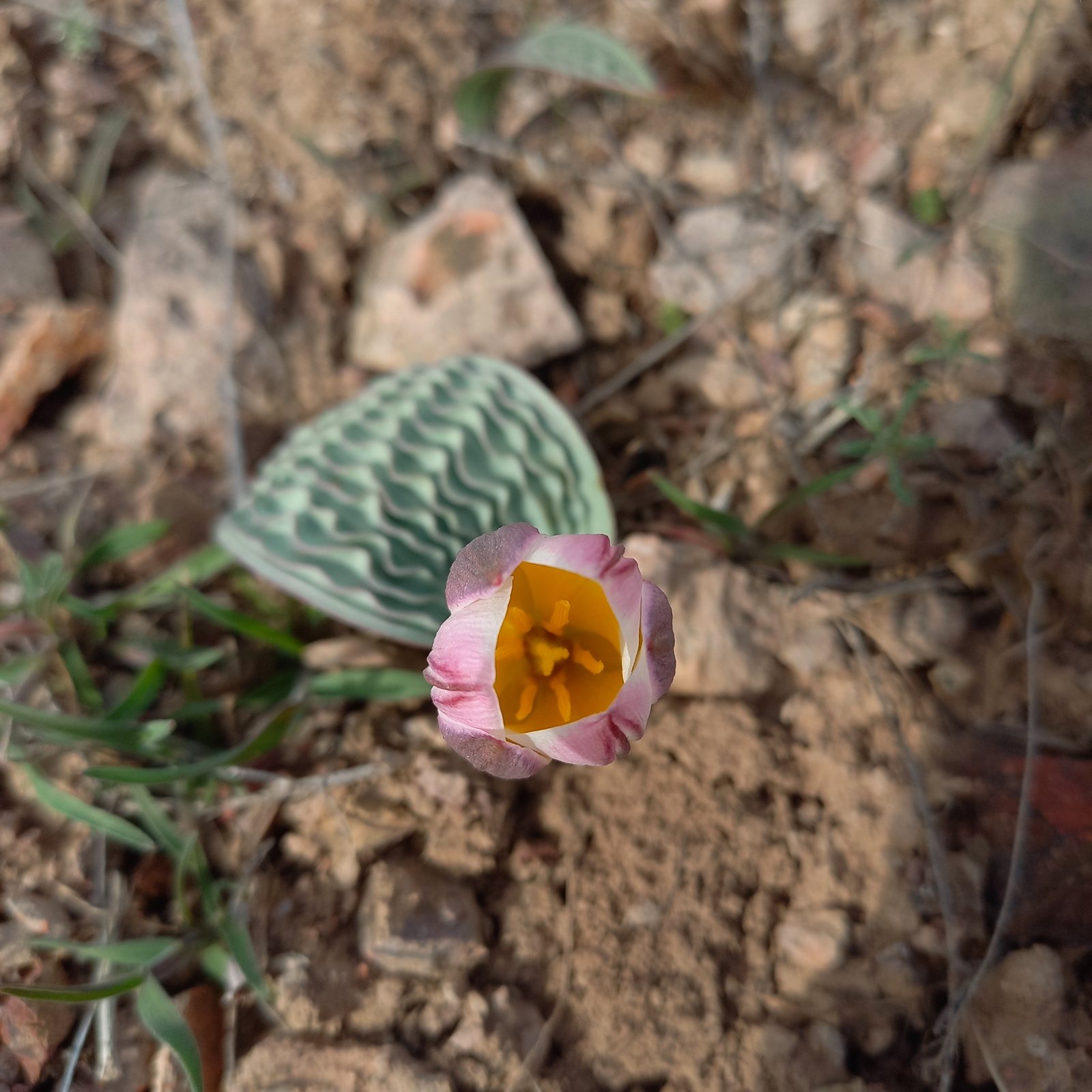
'Ballerina' is a fragrant, lily-flowered tulip with pointed, outward-curving orange petals edged in yellow. It flowers late in the tulip season, bringing warm colour to borders and containers, and makes a good cut flower. It can return in well-drained ground, but repeat flowering is less dependable in wet soils or warm-winter climates.
At a glance
- Sun
- Full sun; light afternoon shade is useful in warmer areas.
- Water
- Keep soil moderately moist while roots, leaves and flowers are growing; avoid waterlogged ground and keep dormant bulbs relatively dry in summer.
- Soil
- Fertile, well-drained sandy or loamy soil; neutral to slightly alkaline soil is ideal. Improve drainage before planting in heavy clay.
- Height
- 16-24 ft is not applicable; 1.3-2 ft (0.4-0.6 m)
- Spread
- 0.3-0.5 ft (0.1-0.15 m) per bulb
- Flowers
- Mid- to late spring; fragrant orange flowers with narrow yellow edges and pointed, reflexed petals.
- Foliage
- Broad, upright, grey-green leaves emerge in spring and yellow after flowering; dormant in summer.
- Growth
- Moderate; reaches flowering height in one spring, then dies back for summer.
- Care needed
- Medium
The year at a glance
- Cold hardy
- Low allergen
- Fragrant
| J | F | M | A | M | J | J | A | S | O | N | D | |
|---|---|---|---|---|---|---|---|---|---|---|---|---|
| Flowers | ||||||||||||
| Plant |
Northern hemisphere months. In Australia, shift them by six.
- Difficulty
- Moderate
- Toughness
- Fairly tough
Will it suit your garden?
Pick your zone, country, light and whether you have pets.
Full sun is 6 or more hours of direct sun a day, part shade 3 to 6 hours, shade under 3.
How it grows
Planting day
0.5 ft (0.15 m)
After 1 year
1.6 ft (0.5 m)
full size
About 1 years to full size.
From a typical nursery size, at an average rate for this kind of plant. A rule of thumb, not a forecast.
Good to know
- Cats and dogs
- Toxic
- Growth rate
- Moderate
Care
Jobs through the year
- WaterFeb–Mar, every 14 days
- Water established bulbs only if soil is dry during emerging growth; avoid waterlogging.
- WaterApr–May, every 7 days
- Water during dry spells while leaves are green; stop as foliage yellows.
- WaterOct–Nov, every 14 days
- Water newly planted bulbs in, then water only if autumn rooting soil becomes dry.
- FeedFeb–Mar
- Apply balanced bulb fertilizer once as shoots emerge, following the label.
- DeadheadApr–May, every 7 days
- Remove faded flower heads before pods form, leaving stems and leaves.
- PruneJun
- Remove foliage only when completely yellow and withered.
- ProtectJun–Aug
- If summers are wet, lift dormant bulbs and store dry and ventilated until autumn.
- ProtectOct–Dec
- Where rodents dig, secure mesh over new plantings without obstructing emerging shoots.
- Plant in autumn with the bulb base about 6-8 inches (15-20 cm) deep, spacing bulbs 4-6 inches (10-15 cm) apart.
- Water after planting if the soil is dry, then water during spring growth only when rainfall is insufficient.
- Apply a balanced bulb fertiliser as shoots emerge, following the label rate; keep fertiliser away from direct contact with bulbs.
- Let foliage yellow naturally so it can replenish the bulb; do not tie or braid the leaves.
- Where summers are wet, lift bulbs after the leaves die back and store them dry and ventilated until autumn.
- In warm-winter parts of Australia and the southern United States, use pre-chilled bulbs where local winters provide insufficient cold; repeat flowering may be poor.
Pruning. Remove spent flower heads before seed pods develop, leaving the stems and leaves intact. Cut foliage off at ground level only once it has yellowed and withered.
Through the year
- Autumn
- Plant bulbs in a sunny, freely draining position or in containers with drainage holes.
- Winter
- Check that beds and containers are draining freely; protect containers from prolonged saturation.
- Early spring
- Feed as shoots emerge and check young growth for slugs and snails.
- Mid- to late spring
- Water during dry spells while plants are growing and flowering; remove faded flower heads.
- Early summer
- Allow leaves to yellow completely before removing them; lift bulbs if their summer resting place will be wet.
- Late summer
- Check stored bulbs and discard any that are soft, mouldy or badly damaged.
In the garden
- Plant in repeated groups through a sunny border for clear patches of orange above emerging perennials.
- Combine with purple wallflowers or purple-flowered alliums for a strong colour contrast.
- Use in deep containers near a doorway or seating area where the fragrance can be noticed.
- Plant among later-growing hardy geraniums to help conceal fading tulip foliage.
Garden styles it suits: Cottage garden, English country, Formal, Hot border, Sensory garden and Modern courtyard.
Plant it with: Wallflowers, Forget-me-nots, Ornamental alliums, Hardy geraniums, Catmint and Lady's mantle.
Wildlife: Open flowers may provide some pollen for visiting insects, but this is not a major wildlife plant. Deer and rabbits may eat shoots and flowers, and squirrels may dig up bulbs.
Problems to watch for
- Tulip fire: grey mould and distorted, spotted leaves or flowers indicate infection. Remove affected plants and fallen debris, discard infected bulbs, and avoid replanting tulips in that ground for at least three years.
- Bulb rot: soft or decaying bulbs usually follow poor drainage. Discard affected bulbs and use a better-drained bed or container.
- Slugs and snails: young shoots and flowers may be chewed. Inspect at dusk, remove pests by hand, or use a locally approved iron-phosphate bait as directed.
- Poor flowering in later years: shade, early leaf removal, wet summers or insufficient winter cold can weaken performance. Improve conditions, leave foliage intact and replace bulbs when needed.
Safety
Toxic to cats, dogs and horses, and harmful to people if eaten. All parts contain irritant compounds, with the highest concentration in the bulbs; ingestion can cause drooling, vomiting, diarrhoea and more serious illness after large amounts. Bulb handling can cause skin irritation, so wear gloves if sensitive.
Easily confused with
Tulip 'Orange Emperor' (Tulipa 'Orange Emperor')
Flowers earlier, with broad, bowl-shaped orange blooms rather than the narrow, pointed, outward-curving petals of 'Ballerina'.
Tulip 'West Point' (Tulipa 'West Point')
Has a similar lily-flowered shape but clear yellow flowers rather than orange flowers edged in yellow.
The name
Tulipa derives from a word for turban, referring to the flower's shape.
Propagation. Separate healthy offsets after the foliage has died back and replant them in autumn. Small offsets may take several years to flower; seed will not reliably produce plants identical to 'Ballerina'.
Checked against open data
- Accepted botanical name
- Tulipa
Sources: GBIF (CC BY 4.0). The care and design notes are LandscapeGPT's own.
See it in your own yard.
Upload a photo of your yard and see it redesigned with plants that suit your climate, each checked against your zone.