Tuscarora crape myrtle
Lagerstroemia 'Tuscarora'. Family Lythraceae. Tree.
Also called Tuscarora crepe myrtle, Lagerstroemia 'Tuscarora'.
A deciduous small tree or large, multistemmed shrub with coral-pink summer flowers, mottled bark and orange-red autumn foliage. This hybrid of Lagerstroemia indica and L. fauriei needs hot summers to flower well; it can survive in cooler gardens without producing a strong display.
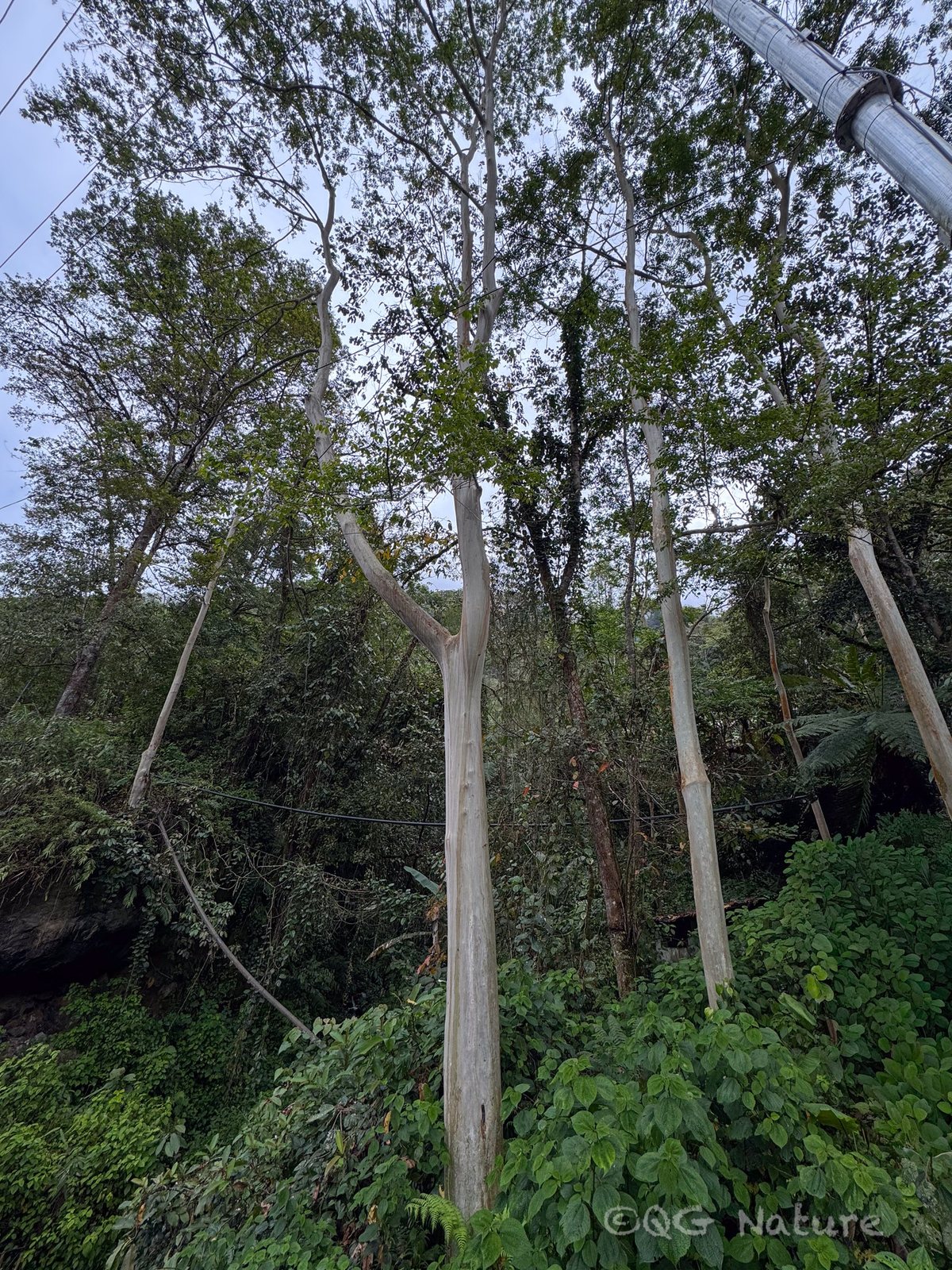
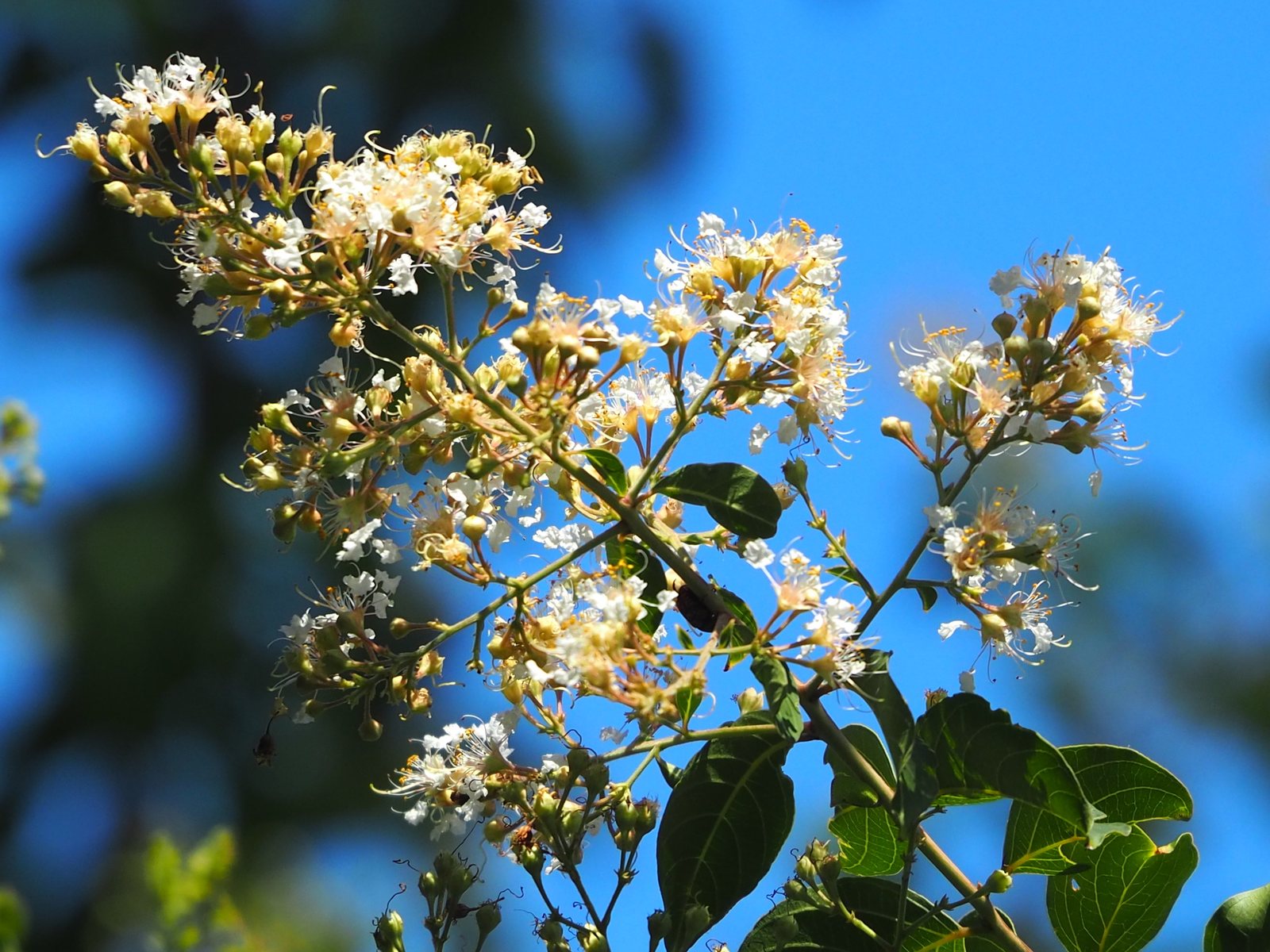
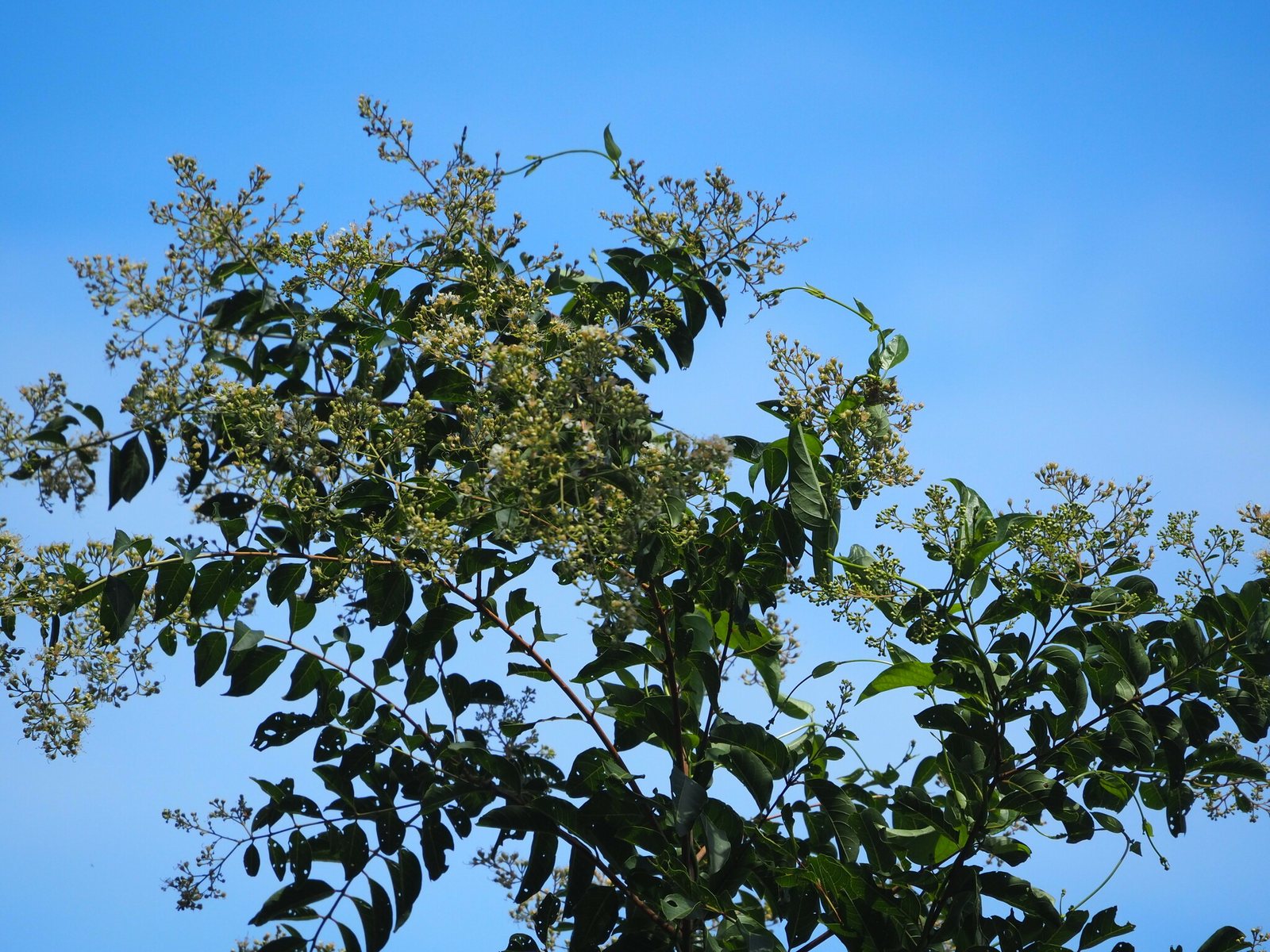
At a glance
- Sun
- Full sun, with at least 6 hours of direct sunlight daily; choose a warm, sheltered position in cooler climates.
- Water
- Water regularly while establishing. Once established, it tolerates dry spells, but deep watering during prolonged drought supports flowering.
- Soil
- Well-drained soil, including clay that does not remain waterlogged; slightly acidic to neutral soil is ideal.
- Height
- 15-25 ft (4.6-7.6 m)
- Spread
- 15-20 ft (4.6-6.1 m)
- Flowers
- Large clusters of coral-pink, crinkled flowers from midsummer into early autumn; flowering is reduced in cool summers.
- Foliage
- Oval green leaves emerge with a bronze tint and turn orange to red in autumn. Older trunks develop smooth, peeling bark with tan and cinnamon-brown patches.
- Growth
- Moderate to fast in warm climates.
- Care needed
- Low
The year at a glance
- Pollinators
- Deer resistant
- Drought tolerant
- Heat tolerant
- Disease resistant
- Wildlife
- Low allergen
| J | F | M | A | M | J | J | A | S | O | N | D | |
|---|---|---|---|---|---|---|---|---|---|---|---|---|
| Flowers | ||||||||||||
| Plant |
Northern hemisphere months. In Australia, shift them by six.
- Difficulty
- Moderate
- Toughness
- Fairly tough
Will it suit your garden?
Pick your zone, country, light and whether you have pets.
Full sun is 6 or more hours of direct sun a day, part shade 3 to 6 hours, shade under 3.
How it grows
Planting day
7 ft (2 m)
After 1 year
7 ft (2.3 m)
After 2 years
8 ft (2.5 m)
After 3 years
9 ft (2.8 m)
After 5 years
11 ft (3.3 m)
About 16 years to full size.
From a typical nursery size, at an average rate for this kind of plant. A rule of thumb, not a forecast.
Good to know
- Cats and dogs
- Safe
- Growth rate
- Fast
Care
Jobs through the year
- WaterApr–May, Sep–Oct, every 14 days
- Water established trees deeply only if soil is dry; young trees need more frequent watering.
- WaterJun–Aug, every 10 days
- Water established trees deeply during prolonged drought; water more often during the first two years.
- FeedApr
- Feed lightly only if growth is weak; excess nitrogen reduces flowering.
- PruneMar
- Remove dead, damaged, crossing branches and basal shoots; never top the main trunks.
- MulchApr
- Spread 5–8 cm of organic mulch over the roots, keeping the trunk clear.
- ProtectNov
- Insulate roots with mulch in colder gardens; zone 6 sites risk winter dieback.
- Water deeply through the first two growing seasons whenever the root area begins to dry.
- Spread 2-3 in (5-8 cm) of organic mulch over the root area, keeping it clear of the trunk.
- Feed lightly in spring only if growth is weak; excess nitrogen encourages leaves at the expense of flowers.
- Leave enough room for the mature crown rather than relying on repeated size reduction.
- Remove shoots arising from the base if you want a clear-trunked tree.
Pruning. In late winter or early spring, remove dead, damaged and crossing branches and any unwanted basal shoots. Preserve the natural framework; do not cut the main trunks back to stubs, as flowers form on new growth without this treatment.
Through the year
- Spring
- Plant after severe frost has passed in colder regions, water thoroughly and mulch.
- Spring
- Check new growth before removing suspected winter damage; buds can open late.
- Early summer
- Inspect young shoots and leaf undersides for aphids, and check trunks for scale insects.
- Summer
- Water deeply during prolonged dry weather, especially while the tree is establishing.
- Autumn
- Avoid nitrogen feeding and heavy pruning so new growth has time to mature before winter.
- Late winter
- Thin out damaged or crossing branches and remove unwanted basal shoots.
In the garden
- Use as a lawn specimen where the spreading crown and patterned trunks can be seen.
- Place beside a sunny patio for summer flowers, allowing space for the mature canopy and some fallen petals.
- Plant in a mixed border with ornamental grasses and late-flowering perennials.
- Train as a multistemmed tree against a plain wall or evergreen backdrop to show off the bark.
Garden styles it suits: Southern, Traditional, Modern courtyard, Mediterranean, Autumn colour and Winter interest.
Plant it with: Switchgrass, Catmint, Purple coneflower, Black-eyed Susan, Autumn sage and Lilyturf.
Wildlife: Flowers supply pollen to bees and other insects, though they offer little or no nectar. The crown provides perching and some shelter for small birds.
Problems to watch for
- Poor flowering: shade, cool summers, excess nitrogen or pruning after growth begins can reduce bloom. Give it the sunniest, warmest available site and avoid heavy feeding.
- Aphids and sooty mould: wash aphids from reachable shoots with water; use insecticidal soap if needed, following the label and avoiding flowers visited by insects.
- Crape myrtle bark scale, particularly in parts of the United States: white, felted patches on bark may be accompanied by black sooty mould. Confirm the pest with a local extension service and use locally recommended, correctly timed controls.
- Leaf disease: Tuscarora has good powdery mildew resistance, but mildew and Cercospora leaf spot can still occur. Improve airflow, avoid wetting foliage and remove fallen diseased leaves.
Safety
Not known to be toxic to people, cats, dogs or horses. No part is generally recognised as poisonous, but it is an ornamental plant rather than a food plant.
Easily confused with
Muskogee crape myrtle (Lagerstroemia 'Muskogee')
Has pale lavender flowers rather than coral-pink flowers; bark and overall habit are similar.
Natchez crape myrtle (Lagerstroemia 'Natchez')
Has white flowers and conspicuous cinnamon-brown exfoliating bark rather than coral-pink flowers.
Tuskegee crape myrtle (Lagerstroemia 'Tuskegee')
Has darker pink flowers and a more arching, spreading habit; flower colour can overlap, so a reliable nursery label is the best confirmation.
The name
Lagerstroemia honours Swedish merchant Magnus von Lagerström, while the cultivar name 'Tuscarora' refers to the Tuscarora people.
Propagation. Take softwood cuttings in late spring or early summer, or semi-ripe cuttings later in summer. Seedlings will not reliably retain the characteristics of 'Tuscarora'.
Checked against open data
- Accepted botanical name
- Lagerstroemia
Sources: GBIF (CC BY 4.0). The care and design notes are LandscapeGPT's own.
See it in your own yard.
Upload a photo of your yard and see it redesigned with plants that suit your climate, each checked against your zone.