Twist-n-Shout hydrangea
Hydrangea macrophylla 'PIIHM-I'. Family Hydrangeaceae. Shrub.
Also called Hydrangea macrophylla 'PIIHM-I', Endless Summer Twist-n-Shout hydrangea.
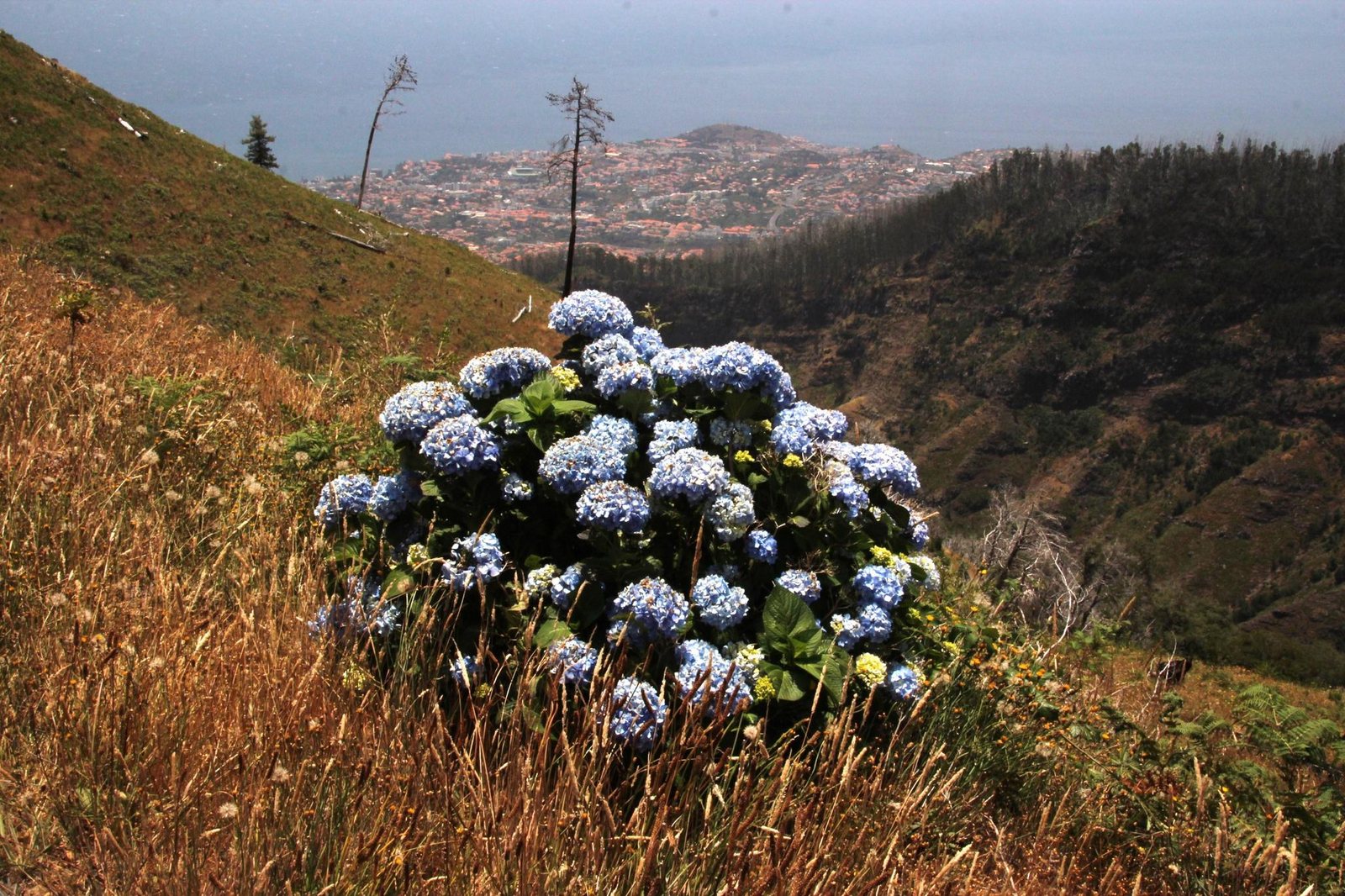
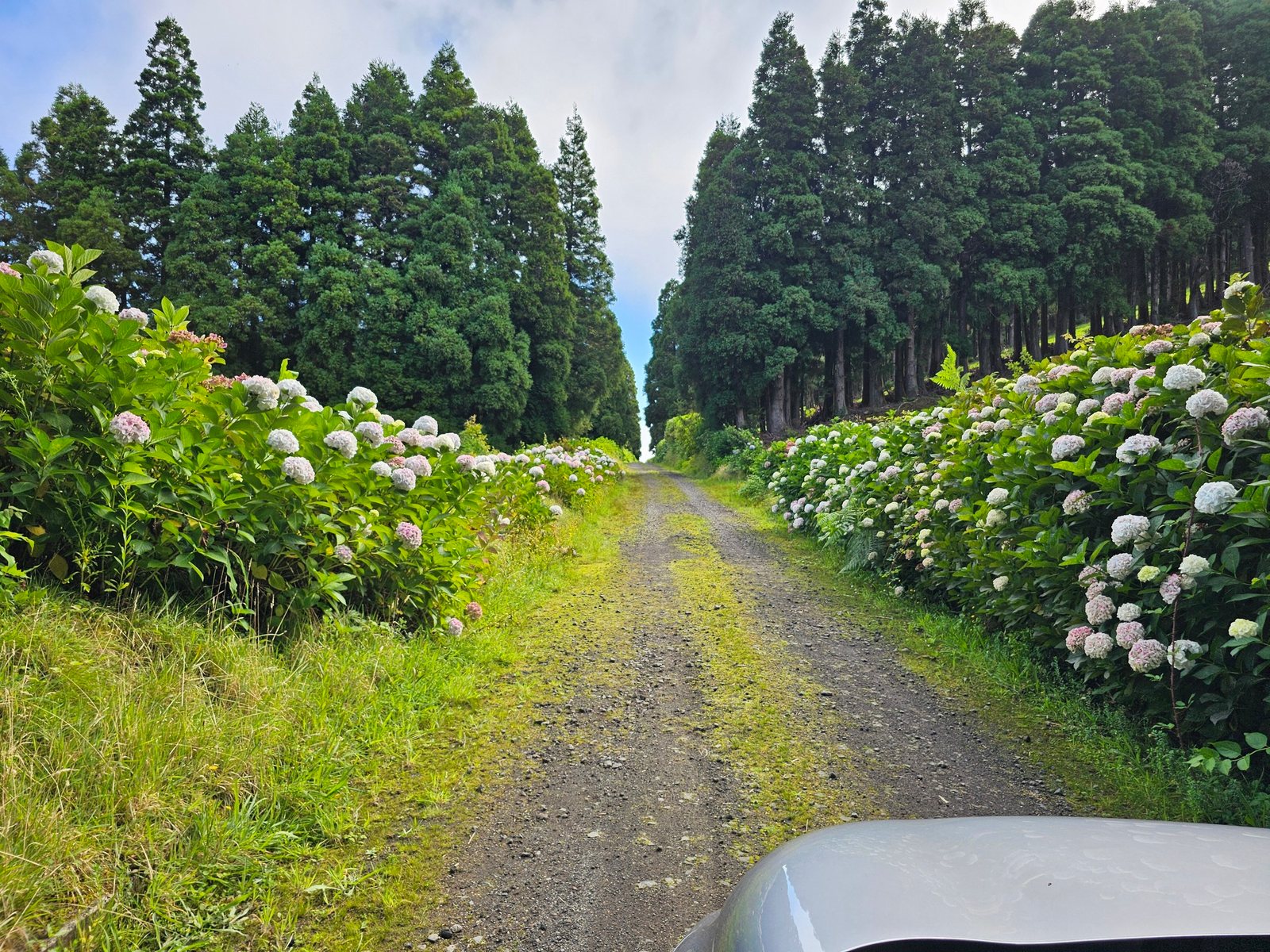
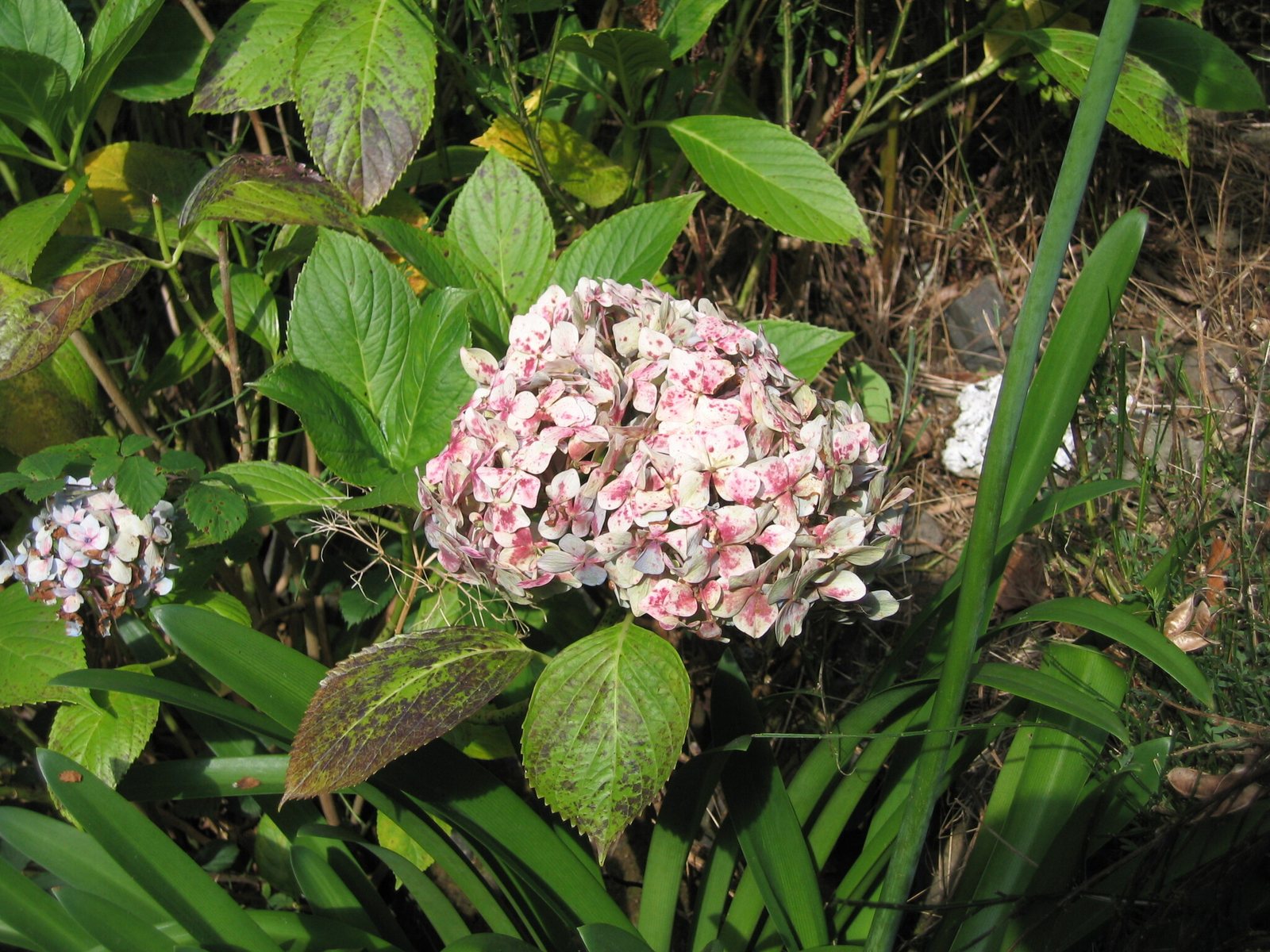
This deciduous lacecap hydrangea has flattened flower heads with small fertile flowers surrounded by larger, showier florets. It flowers on both old and new stems, giving it a longer flowering season than many traditional bigleaf hydrangeas, although cold winters and late frosts can still reduce the display.
At a glance
- Sun
- Morning sun and afternoon shade; tolerates more sun in cool climates if the soil stays moist. Avoid hot afternoon sun in warmer regions.
- Water
- Keep the root zone evenly moist but not waterlogged. Water deeply during dry spells; containers need more frequent checks.
- Soil
- Humus-rich, moisture-retentive, well-drained soil. Acidic soil with available aluminium encourages blue flowers; less acidic soil usually produces pink flowers. Avoid strongly alkaline soil.
- Height
- 3-5 ft (0.9-1.5 m)
- Spread
- 3-5 ft (0.9-1.5 m)
- Flowers
- Early summer into autumn, depending on climate; pink, purple or blue lacecap flower heads, influenced by soil chemistry.
- Foliage
- Broad, toothed, dark green leaves, sometimes developing burgundy tones in autumn; young stems are reddish.
- Growth
- Moderate
- Care needed
- Medium
The year at a glance
- Pollinators
- Heat tolerant
- Low allergen
| J | F | M | A | M | J | J | A | S | O | N | D | |
|---|---|---|---|---|---|---|---|---|---|---|---|---|
| Flowers | ||||||||||||
| Plant |
Northern hemisphere months. In Australia, shift them by six.
- Difficulty
- Moderate
- Toughness
- Fairly tough
Will it suit your garden?
Pick your zone, country, light and whether you have pets.
Full sun is 6 or more hours of direct sun a day, part shade 3 to 6 hours, shade under 3.
How it grows
Planting day
1.6 ft (0.5 m)
After 1 year
2.1 ft (0.64 m)
After 2 years
2.6 ft (0.78 m)
After 3 years
3 ft (0.92 m)
After 5 years
4 ft (1.2 m)
full size
About 5 years to full size.
From a typical nursery size, at an average rate for this kind of plant. A rule of thumb, not a forecast.
Good to know
- Cats and dogs
- Toxic
- Growth rate
- Moderate
Care
Jobs through the year
- WaterApr–May, Sep–Oct, every 7 days
- Water established shrubs deeply if the upper soil is drying; young plants need closer checks.
- WaterJun–Aug, every 3 days
- In dry weather, soak established roots when the surface dries; skip if still moist.
- FeedApr
- Apply a light dose of balanced slow-release shrub fertiliser.
- MulchMar–Apr
- Spread 5–8 cm of leaf mould or composted bark, clear of stems.
- PruneMar–Apr
- As buds swell, remove dead wood and old flowerheads above strong paired buds.
- ProtectMar–May
- Cover emerging shoots with fleece when late frost is forecast.
- ProtectJan–Feb, Nov–Dec
- Retain old flowerheads and maintain root-zone mulch in cold weather.
- Water at soil level when the upper soil starts to dry; do not rely on brief showers to soak the root zone.
- Apply 2-3 in (5-8 cm) of composted bark or leaf mould in spring, keeping it clear of the stems.
- Feed lightly in spring with a balanced slow-release fertiliser; avoid heavy nitrogen feeding, which favours leaves over flowers.
- Protect emerging shoots from late frost with horticultural fleece when practical.
- Use a generous container with drainage holes if growing in a pot, and check its moisture frequently in summer.
Pruning. In spring, once buds begin to swell, remove dead wood and cut old flower heads back to the first strong pair of buds. Avoid cutting the whole shrub down in autumn or early spring, as this removes the old stems that carry the earliest flowers.
Through the year
- Late winter
- Leave old flower heads in place in cold districts and check that mulch still covers the root zone without touching the stems.
- Spring
- As buds swell, remove dead wood and trim off old flower heads above strong buds.
- Spring
- Apply mulch and a light feed; plant new shrubs once the soil is workable.
- Late spring
- Protect tender shoots if frost is forecast.
- Summer
- Water deeply during dry weather and check containers frequently.
- Autumn
- Avoid hard pruning and stop feeding; water during prolonged dry spells before winter.
In the garden
- Plant along an east-facing wall or foundation for summer flowers without intense afternoon heat.
- Group beneath open-canopied trees with ferns and hostas, allowing enough space to limit root competition.
- Use in a mixed shrub border with camellias and azaleas where soil conditions suit all three.
- Grow in a large patio container where its lacecap flowers can be seen at close range.
Garden styles it suits: Cottage garden, Woodland, Traditional, Romantic rose garden, Blues and silvers and Small-space.
Plant it with: Hostas, Japanese painted ferns, Astilbes, Camellias, Azaleas and Japanese forest grass.
Wildlife: The small fertile flowers provide pollen and nectar for visiting insects. It is not a native food plant in the United States, Canada, the United Kingdom or Australia.
Problems to watch for
- Few flowers: winter damage, late frost, hard pruning or excess nitrogen may be responsible. Preserve live old stems, protect emerging buds and feed lightly.
- Wilting or scorched leaf edges: check soil moisture and water deeply if dry; provide afternoon shade in hot sites. Do not add water to already saturated soil.
- Leaf spots or powdery mildew: improve airflow, water at soil level and clear fallen diseased leaves.
- Yellow leaves with green veins: alkaline soil can restrict iron uptake. Test the soil and use an appropriate chelated iron treatment; grow in a container if the garden soil is strongly alkaline.
Safety
Toxic if eaten by cats, dogs, horses or people. All parts contain cyanogenic compounds, with leaves and flower buds a particular concern. Ingestion usually causes digestive upset, but larger amounts can cause more serious poisoning; seek medical or veterinary advice after significant ingestion.
Easily confused with
Mophead hydrangea (Hydrangea macrophylla, mophead cultivars)
Mopheads have rounded heads dominated by large showy florets; Twist-n-Shout has flatter heads with a visible centre of small fertile flowers.
Mountain hydrangea (Hydrangea serrata)
Usually has smaller, narrower leaves and a finer-textured habit. Lacecap forms can look very similar, so a reliable label is needed for confident cultivar identification.
Climbing hydrangea (Hydrangea anomala subsp. petiolaris)
Has white lacecap flowers but grows as a woody climber with clinging aerial roots, rather than a rounded, self-supporting shrub.
The name
Hydrangea comes from Greek words meaning water vessel, referring to the seed capsules, while macrophylla means large-leaved.
Propagation. Softwood cuttings in late spring or early summer, or layering a low stem, preserve the cultivar's characteristics. Seedlings will not come true; check local plant breeders' rights and propagation restrictions before taking cuttings.
Checked against open data
- Accepted botanical name
- Hydrangea macrophylla
- Native range
- Japan and Kazan-retto.
- Measured
- Soil pH 4.5 to 8. Average height 150 cm.
Sources: GBIF (CC BY 4.0) and Trefle (CC BY 4.0). The care and design notes are LandscapeGPT's own.
See it in your own yard.
Upload a photo of your yard and see it redesigned with plants that suit your climate, each checked against your zone.