Variegated red-barked dogwood
Cornus alba 'Elegantissima'. Family Cornaceae. Shrub.
Also called Variegated Tatarian dogwood, Silverleaf dogwood, Cornus alba 'Argenteomarginata'.
A deciduous shrub grown for grey-green leaves edged in creamy white and red stems that stand out after leaf fall. It brightens mixed borders and damp garden edges, but needs regular pruning for the strongest winter stem colour and enough room for its broad, sometimes suckering growth.
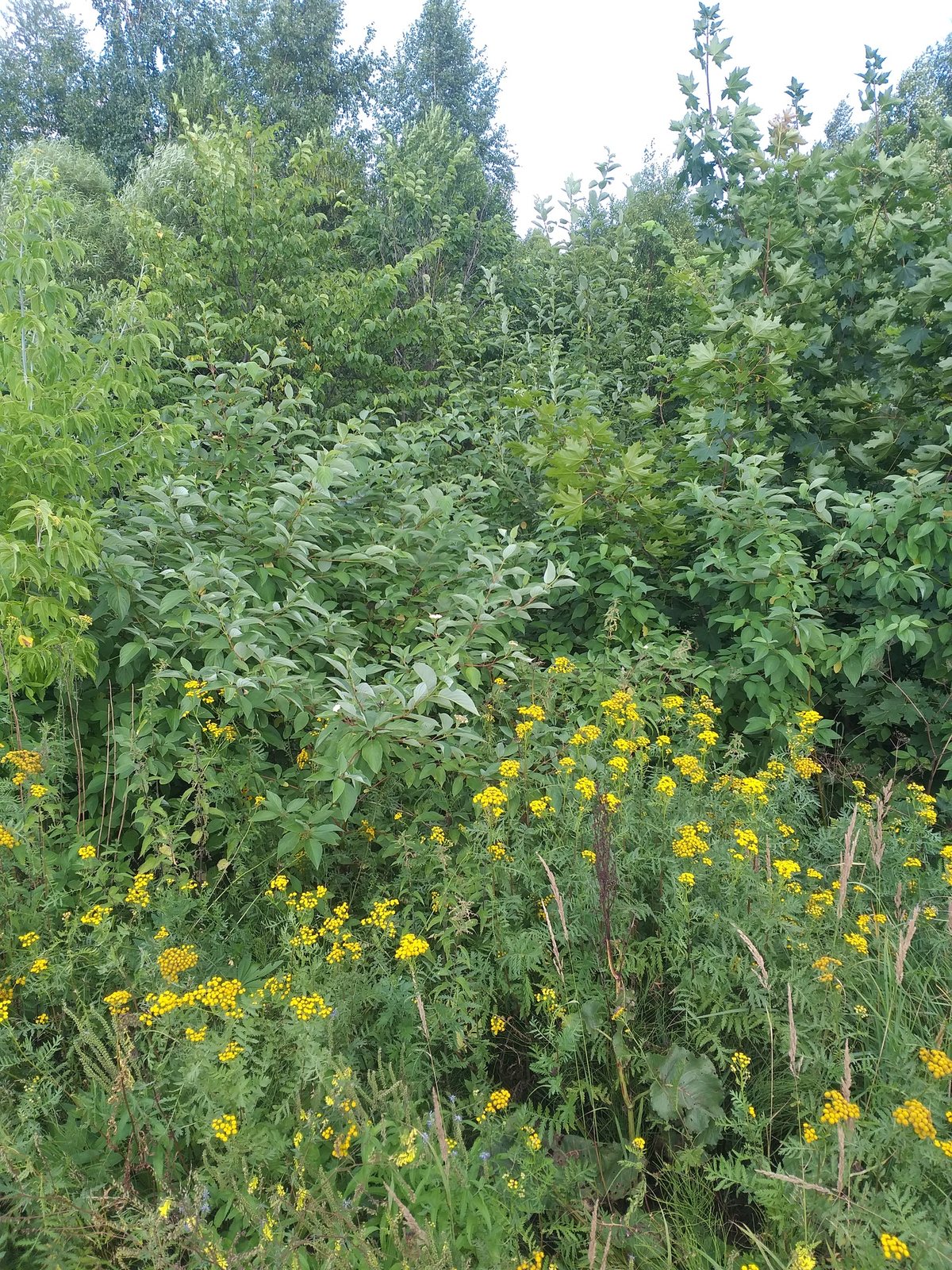
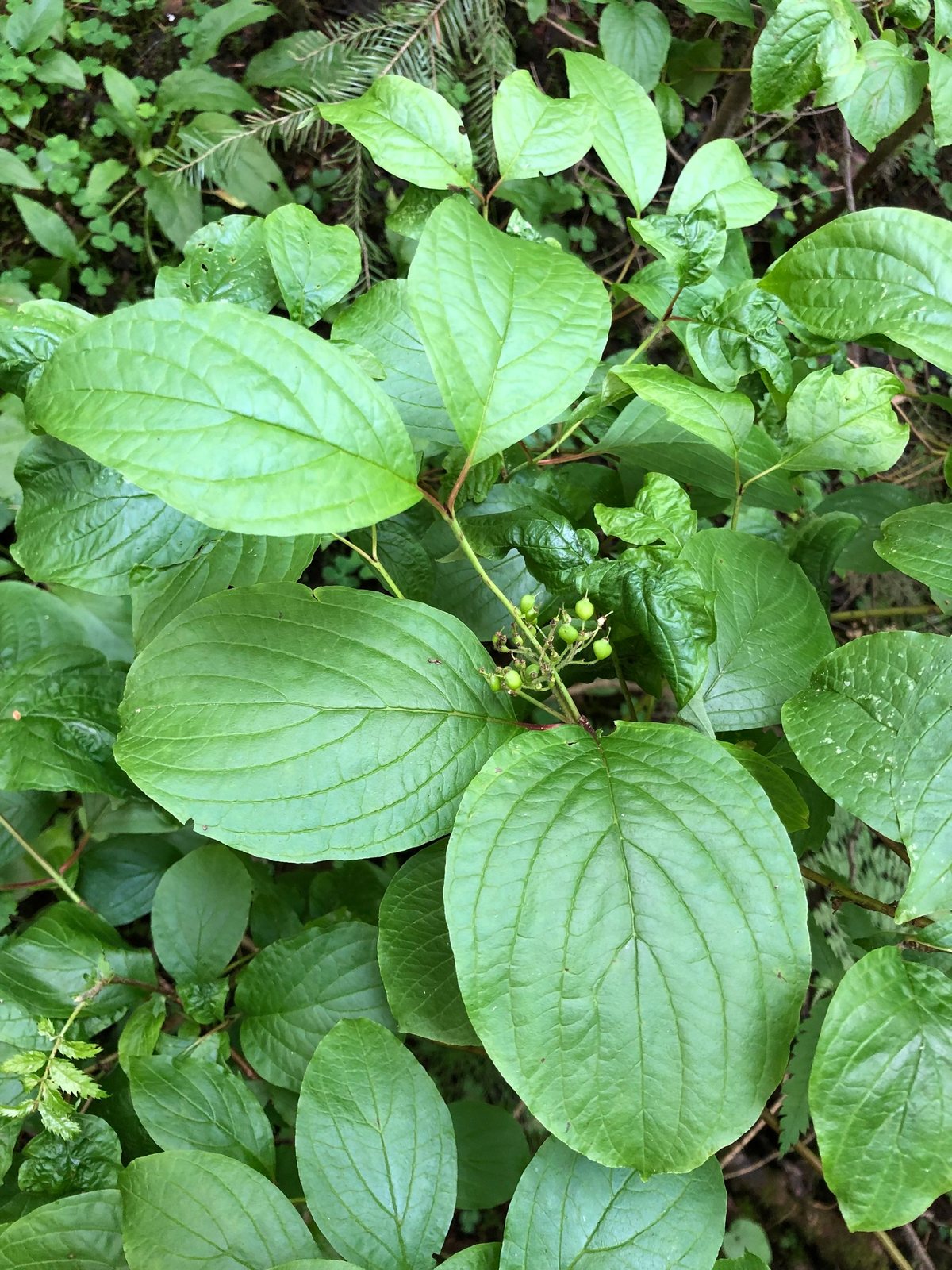
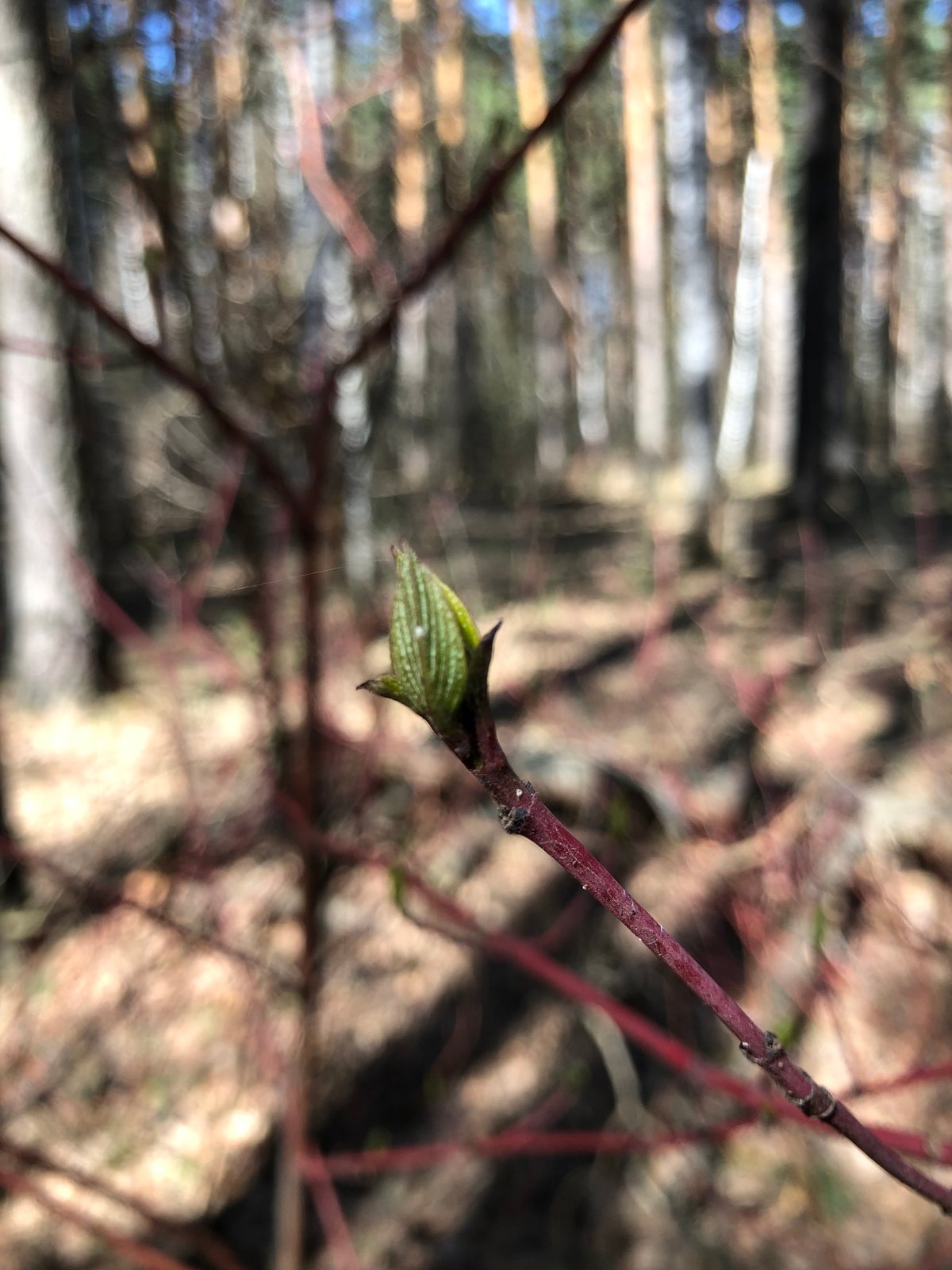
At a glance
- Sun
- Full sun to partial shade; light afternoon shade helps prevent leaf scorch in hotter locations.
- Water
- Keep the soil consistently moist, especially during establishment and dry summers. Established plants tolerate brief dry spells but are not drought-tolerant.
- Soil
- Moist, reasonably fertile soil; tolerates clay, a wide range of pH and occasional waterlogging.
- Height
- 6-10 ft (1.8-3 m)
- Spread
- 6-10 ft (1.8-3 m)
- Flowers
- Small, flat clusters of creamy-white flowers in late spring to early summer, sometimes followed by white berries.
- Foliage
- Grey-green leaves with irregular creamy-white margins; autumn colour is variable, sometimes pink or reddish purple.
- Growth
- Fast
- Care needed
- Medium
The year at a glance
- Pollinators
- Cold hardy
- Wildlife
- Low allergen
| J | F | M | A | M | J | J | A | S | O | N | D | |
|---|---|---|---|---|---|---|---|---|---|---|---|---|
| Flowers | ||||||||||||
| Fruit | ||||||||||||
| Plant |
Northern hemisphere months. In Australia, shift them by six.
- Difficulty
- Easy
- Toughness
- Fairly tough
Will it suit your garden?
Pick your zone, country, light and whether you have pets.
Full sun is 6 or more hours of direct sun a day, part shade 3 to 6 hours, shade under 3.
How it grows
Planting day
1.6 ft (0.5 m)
After 1 year
4 ft (1.1 m)
After 2 years
5 ft (1.7 m)
After 3 years
7 ft (2.3 m)
After 5 years
8 ft (2.4 m)
full size
About 3 years to full size.
From a typical nursery size, at an average rate for this kind of plant. A rule of thumb, not a forecast.
Good to know
- Cats and dogs
- Safe
- Native to
- the US and Canada
- Growth rate
- Fast
Care
Jobs through the year
- WaterApr–May, Sep–Oct, every 14 days
- Water established ground plants if rain is insufficient; water young shrubs more often.
- WaterJun–Aug, every 7 days
- Water deeply during dry weather to keep the root zone consistently moist.
- FeedMar–Apr
- Top-dress with compost; use balanced fertilizer only for weak growth on poor soil.
- MulchMar–Apr
- Apply 5–8 cm of organic mulch, keeping stem bases clear.
- PruneFeb–Mar
- Remove one-third of the oldest stems at ground level for fresh red growth and some flowers.
- PruneMay–Sep
- Remove all-green shoots at their origin and cut out unwanted rooted suckers.
- Water deeply during the first two growing seasons and whenever the root zone dries during summer.
- Apply 2-3 in (5-8 cm) of organic mulch in spring, keeping it clear of the stem bases.
- Top-dress with compost in spring; use a balanced fertiliser only if growth is weak on poor soil.
- Remove unwanted rooted suckers where the shrub is spreading beyond its allotted space.
- Cut out any shoots with entirely green leaves at their point of origin.
Pruning. In late winter or early spring, remove about one-third of the oldest stems at ground level to encourage colourful young growth while retaining some flowers. For a stronger winter-stem display, cut all stems to 6-12 in (15-30 cm) every one or two years once established; this sacrifices most flowers and berries.
Through the year
- Autumn
- Plant while the soil is workable and moist; water well and mulch.
- Winter
- Check ties on any newly planted stock and remove broken or diseased stems.
- Late winter to early spring
- Thin out old stems or cut back established plants for fresh red growth.
- Spring
- Refresh mulch and top-dress with compost without burying the stem bases.
- Summer
- Water during dry spells and remove any all-green shoots.
- Late autumn
- Take hardwood cuttings from healthy young stems after leaf fall.
In the garden
- Plant in groups against dark evergreen shrubs so the red winter stems remain clearly visible.
- Use at a pond margin or in a damp border, with the root crown above standing water.
- Place behind ferns and hostas to give a shaded border a pale, leafy backdrop.
- Grow as an informal boundary shrub where its broad habit and suckers have room to develop.
Garden styles it suits: Woodland, Winter interest, English country, Wildlife garden, White garden and Bog garden.
Plant it with: Hellebores, Snowdrops, Siberian iris, Hostas, Astilbes and Lady fern.
Wildlife: Flowers provide food for visiting insects, and birds may eat the berries. Dense growth offers shelter, although frequent hard pruning greatly reduces flowering and fruiting.
Problems to watch for
- Leaf scorch: brown leaf edges usually follow heat or dry soil; water deeply, mulch and provide afternoon shade in hot locations.
- Leaf spots: remove fallen affected leaves, avoid overhead watering and thin congested growth to improve airflow.
- Powdery mildew: improve airflow and prevent drought stress; light infections usually need no treatment.
- Stem canker or dieback: cut affected stems back to healthy wood during dry weather and clean pruning tools between cuts.
Safety
Not known to be toxic to people, cats, dogs or horses. The berries are not intended as human food; discourage children and pets from eating them.
Easily confused with
Siberian dogwood (Cornus alba 'Sibirica')
Also has bright red winter stems, but its leaves are green without the creamy-white margins.
Midwinter Fire dogwood (Cornus sanguinea 'Midwinter Fire')
Has plain green leaves and winter stems that grade from yellow and orange to red, rather than predominantly red stems.
Variegated wedding cake tree (Cornus controversa 'Variegata')
Develops into a much larger tree with distinct horizontal tiers of branches, rather than a thicket of upright red stems.
The name
The species name alba means white, referring to the berries, while 'Elegantissima' means most elegant and the common name describes the variegated leaves and red bark.
Propagation. Take hardwood cuttings after leaf fall, or root softwood cuttings in early summer. Rooted suckers can also be lifted during dormancy. Seedlings will not reliably retain the cultivar's variegation.
Checked against open data
- Accepted botanical name
- Cornus alba
- In the US and Canada
- Native in Alaska, Canada, the lower 48 states and St. Pierre and Miquelon.
- Native range
- Altay, Amur, Buryatiya, Central European Rus, China North-Central, China Southeast, Chita, East European Russia, Hainan, Inner Mongolia, Irkutsk and Khabarovsk.
- Measured
- Average height 300 cm.
Sources: GBIF (CC BY 4.0), USDA PLANTS and Trefle (CC BY 4.0). The care and design notes are LandscapeGPT's own.
See it in your own yard.
Upload a photo of your yard and see it redesigned with plants that suit your climate, each checked against your zone.