Venus dogwood
Cornus 'KN30-8'. Family Cornaceae. Tree.
Also called Cornus 'KN30-8', Cornus Venus.
Venus dogwood is a deciduous hybrid of Pacific and Japanese dogwoods, grown for exceptionally large, creamy-white flower bracts in late spring. It forms a broad small tree with red to purple autumn foliage and has good resistance to dogwood anthracnose and powdery mildew, though it still needs suitable soil and reliable moisture.
At a glance
- Sun
- Full sun to partial shade; afternoon shade is helpful in hot climates. Avoid exposed, drying sites.
- Water
- Keep the root zone evenly moist but not waterlogged. Water deeply during dry spells, especially during the first two to three growing seasons.
- Soil
- Moist, well-drained, humus-rich soil, preferably acidic to neutral. Poor drainage and strongly alkaline soil cause problems.
- Height
- 15-25 ft (4.6-7.6 m)
- Spread
- 15-20 ft (4.6-6.1 m)
- Flowers
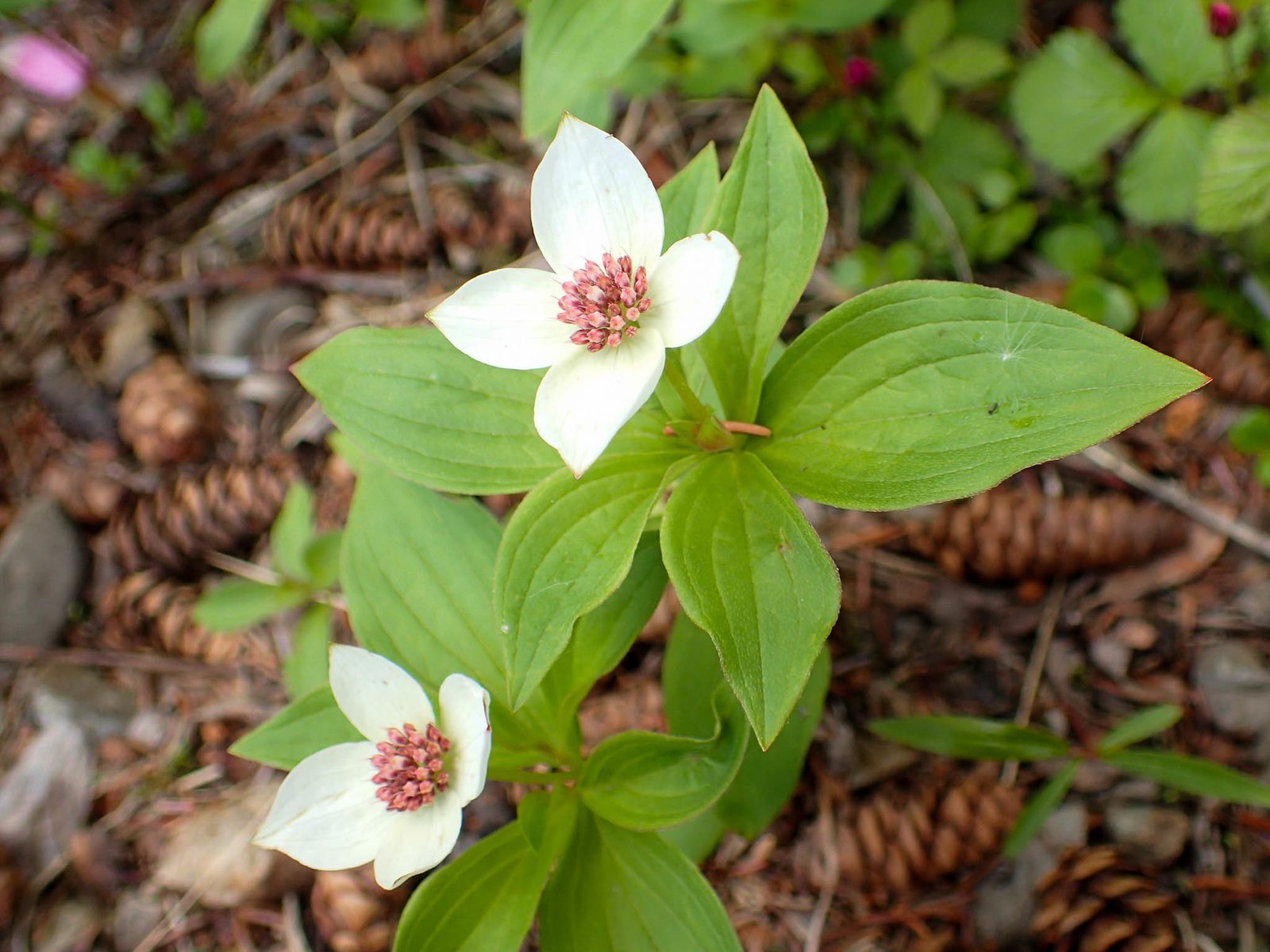
- Late spring to early summer; tiny greenish flowers surrounded by four creamy-white bracts, together sometimes reaching 6 in (15 cm) across.
- Foliage
- Broad, oval green leaves with prominent curved veins; red, burgundy and purple autumn colour.
- Growth
- Moderate; relatively vigorous for a flowering dogwood when moisture and soil conditions suit it.
- Care needed
- Medium
The year at a glance
- Pollinators
- Heat tolerant
- Disease resistant
- Wildlife
- Low allergen
| J | F | M | A | M | J | J | A | S | O | N | D | |
|---|---|---|---|---|---|---|---|---|---|---|---|---|
| Flowers | ||||||||||||
| Plant |
Northern hemisphere months. In Australia, shift them by six.
- Difficulty
- Moderate
- Toughness
- Fairly tough
Will it suit your garden?
Pick your zone, country, light and whether you have pets.
Full sun is 6 or more hours of direct sun a day, part shade 3 to 6 hours, shade under 3.
How it grows
Planting day
7 ft (2 m)
After 1 year
7 ft (2.3 m)
After 2 years
8 ft (2.5 m)
After 3 years
9 ft (2.8 m)
After 5 years
11 ft (3.3 m)
About 16 years to full size.
From a typical nursery size, at an average rate for this kind of plant. A rule of thumb, not a forecast.
Good to know
- Cats and dogs
- Safe
- Growth rate
- Fast
Care
Jobs through the year
- WaterApr–May, Sep–Oct, every 14 days
- Water established trees deeply when soil begins to dry and rain is insufficient; young trees need closer attention.
- WaterJun–Aug, every 7 days
- Water established trees deeply during dry spells; keep young trees evenly moist for their first three summers.
- MulchMar–Apr
- Maintain 5–8 cm of organic mulch over the roots, clear of the trunk.
- FeedMar–Apr
- Apply a light feed only if weak growth or a soil test shows a need.
- PruneJun–Jul
- After flowering, remove crossing branches or unwanted shoots with minimal cuts.
- Plant with the root flare at soil level; choose a position sheltered from strong, drying winds.
- Water deeply when the soil begins to dry, rather than giving frequent light sprinklings.
- Apply 2-3 in (5-8 cm) of organic mulch over the root zone, keeping it clear of the trunk.
- Keep grass and digging away from the shallow roots.
- Feed lightly in spring only if growth is weak; avoid heavy applications of nitrogen fertiliser.
Pruning. Prune lightly after flowering to remove crossing branches and maintain a balanced framework; remove dead or damaged wood when noticed. Avoid routine hard pruning or topping.
Through the year
- Autumn
- Plant while the soil is workable and moist, unless severe winter conditions make spring planting safer.
- Early spring
- Plant in cold-winter areas and check that the root flare remains exposed.
- Spring
- Renew mulch and apply a light feed only if needed.
- Late spring
- Check soil moisture during flowering, particularly around recently planted trees.
- Early summer
- After flowering, remove crossing branches or unwanted shoots with minimal pruning.
- Summer
- Water deeply during drought and inspect leaves for scorch or mildew.
In the garden
- Use as a specimen in a lawn with a wide, mulched root zone rather than grass against the trunk.
- Place at a woodland edge with ferns and shade-tolerant perennials beneath its canopy.
- Set against dark evergreen planting to make the large white bracts stand out.
- Include in a mixed border for spring flowers and red-purple autumn colour, allowing room for its spreading crown.
Garden styles it suits: Woodland, Japanese, English country, White garden, Autumn colour and Traditional.
Plant it with: Japanese maple, Rhododendron, Pieris, Hosta, Japanese painted fern and Hellebore.
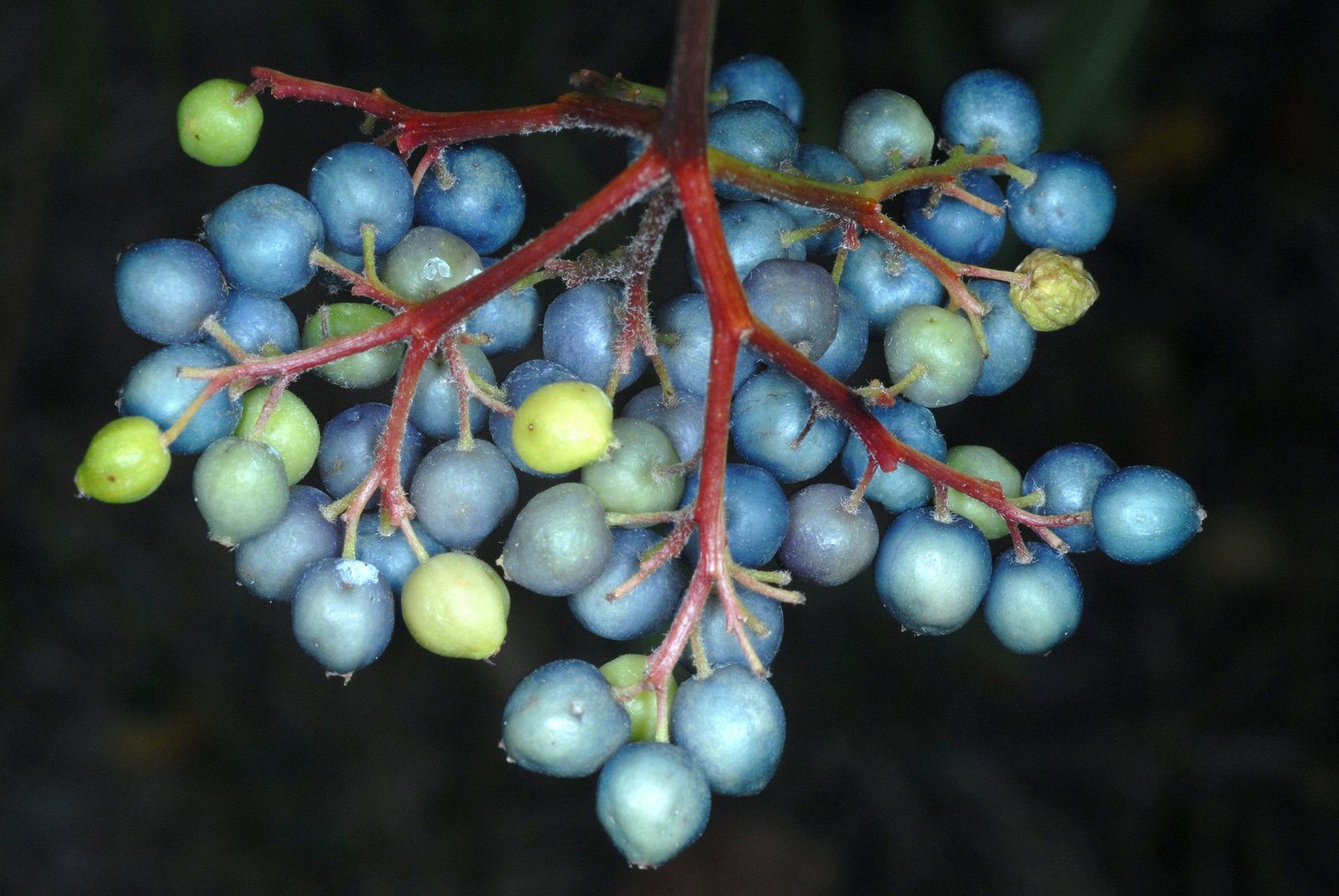
Wildlife: The small true flowers may attract visiting insects, and the branching canopy provides shelter for birds. Fruit production is usually sparse, so it is less useful as a bird-food tree than heavily fruiting dogwoods.
Problems to watch for
- Leaf scorch: brown leaf margins usually follow drought, heat or drying wind; water deeply, mulch and provide afternoon shade in hot locations.
- Root rot: declining growth and dieback can follow waterlogging; improve drainage before planting and avoid persistently wet sites.
- Iron chlorosis: yellow leaves with greener veins can develop in alkaline soil; test the soil and address unsuitable pH rather than repeatedly adding general fertiliser.
- Powdery mildew or anthracnose: resistance is good, not absolute; provide airflow, avoid drought stress and remove fallen diseased leaves.
Safety
Not known to be toxic to people, cats, dogs or horses, although safety information specific to this hybrid is limited. It is an ornamental, not a food plant; eating plant material may cause digestive upset.
Easily confused with
Japanese dogwood (Cornus kousa)
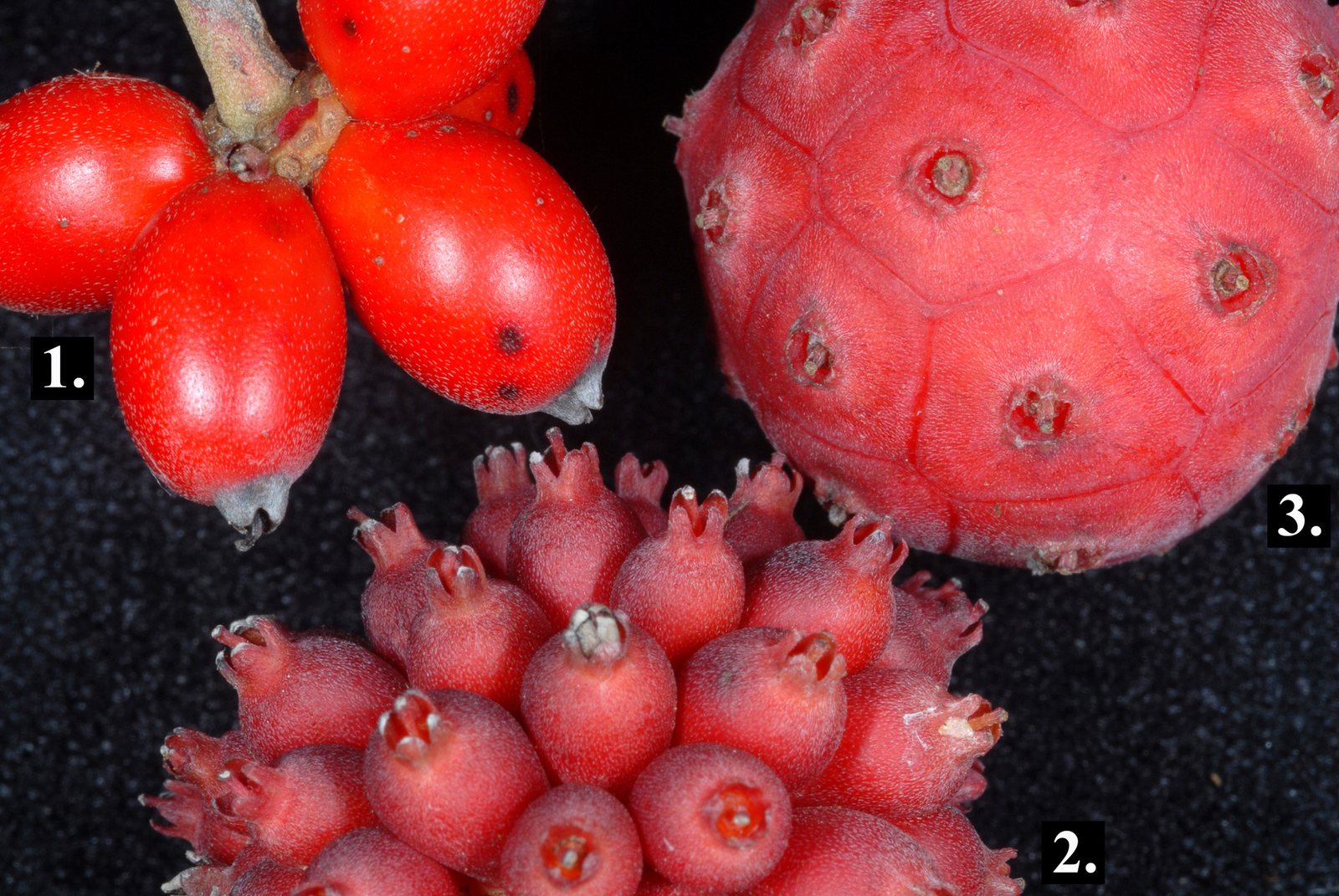
Usually has smaller, more pointed white bracts and often produces conspicuous red, strawberry-like fruits; Venus has exceptionally large bracts and generally little fruit.
Flowering dogwood (Cornus florida)
Usually flowers before or as its leaves emerge, with smaller bracts that have a distinct notch at the tip; Venus flowers later, with foliage already present.
Pacific dogwood (Cornus nuttallii)
Typically has six white bracts, though the number varies, and can become a much larger tree; Venus normally has four very large bracts.
The name
Cornus comes from the Latin for horn, referring to the hard wood of dogwoods; 'KN30-8' is the cultivar denomination sold under the name Venus.
Propagation. Usually propagated commercially by budding or grafting onto compatible dogwood rootstocks. Seed is scarce and will not reliably reproduce the cultivar; check any applicable propagation rights before multiplying named plants.
Checked against open data
- Accepted botanical name
- Cornus
Sources: GBIF (CC BY 4.0). The care and design notes are LandscapeGPT's own.
See it in your own yard.
Upload a photo of your yard and see it redesigned with plants that suit your climate, each checked against your zone.