Victoria plum
Prunus domestica 'Victoria'. Family Rosaceae. Tree.
Also called Victoria European plum.
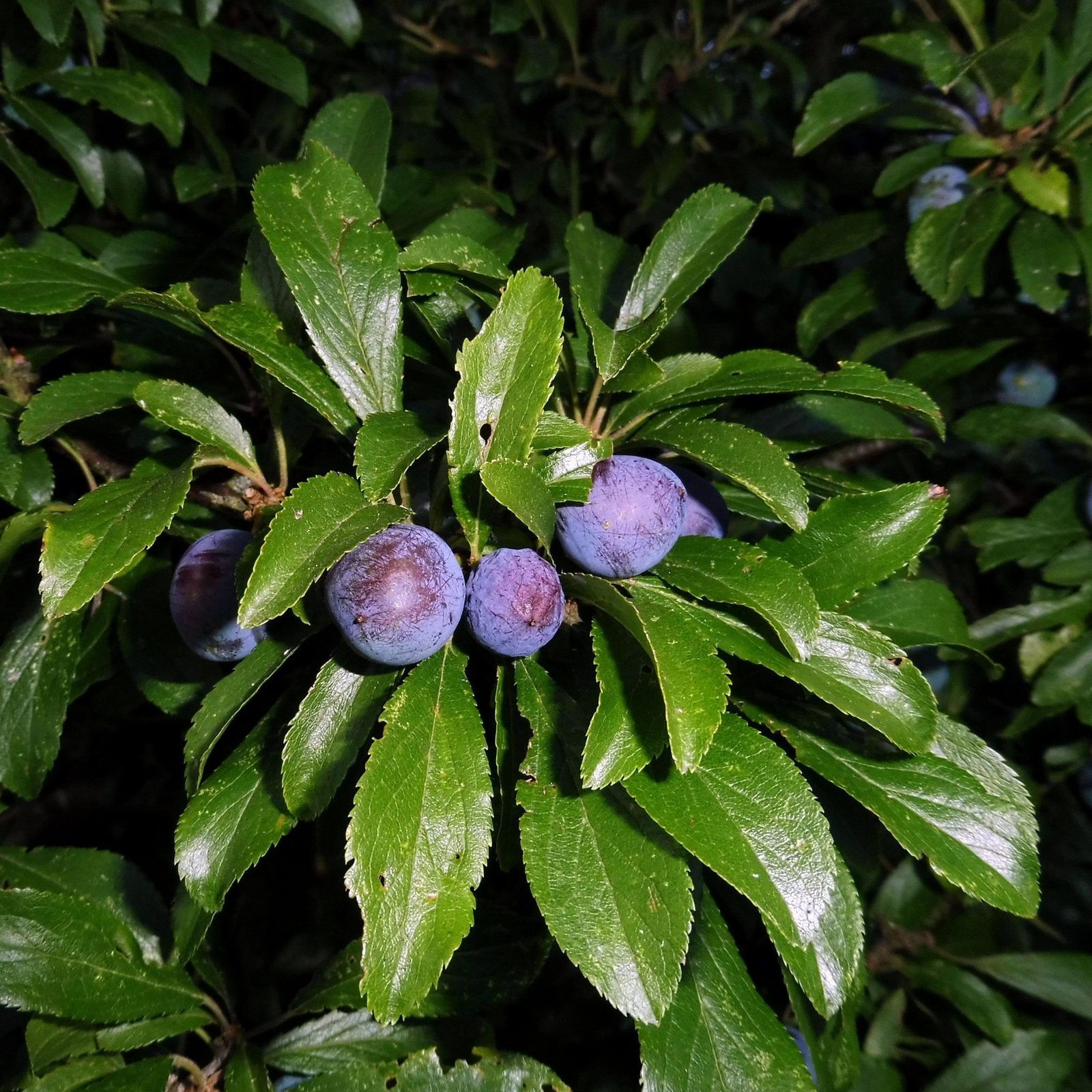
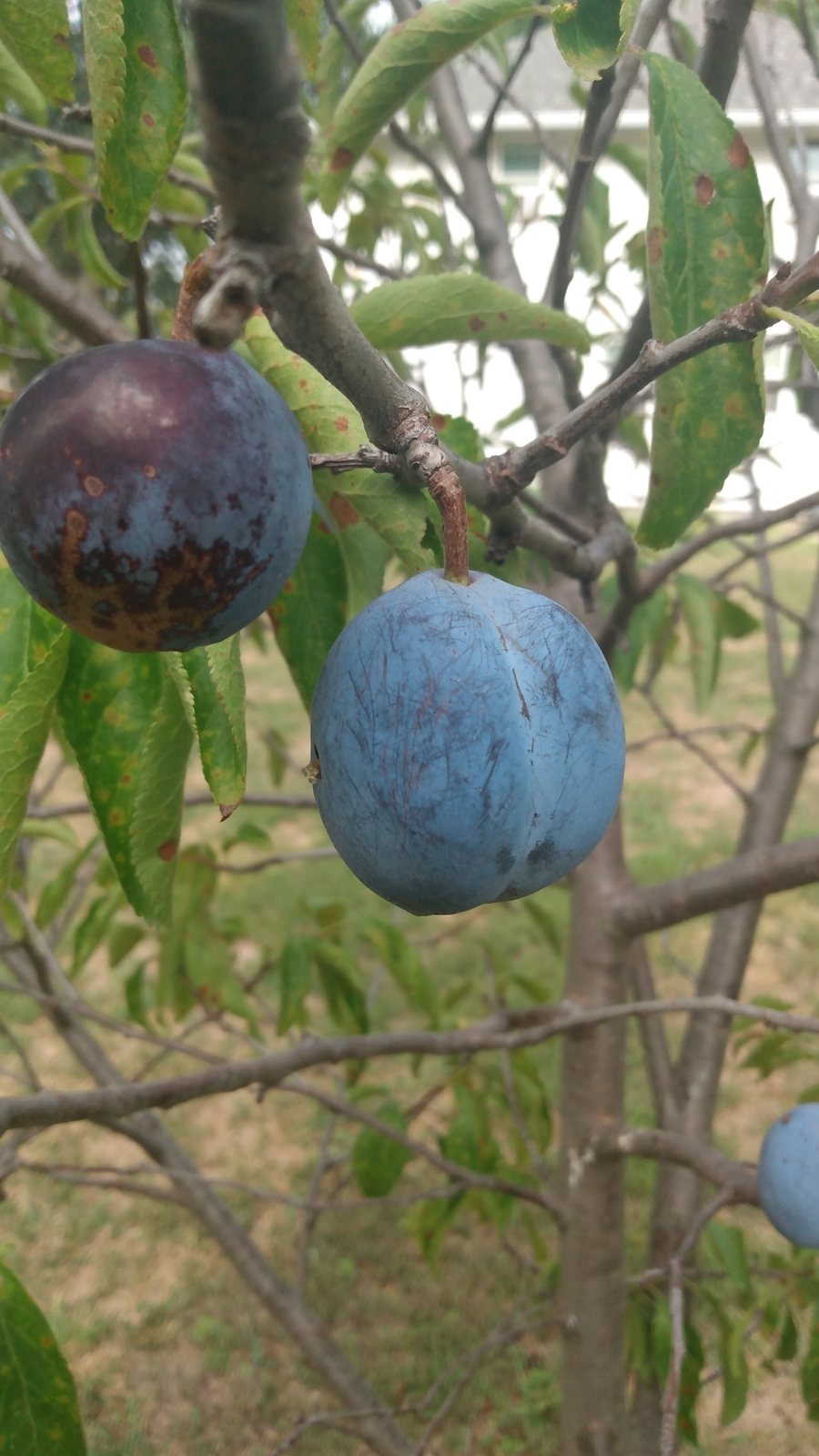
Victoria is a deciduous, self-fertile European plum grown for its oval, red-flushed yellow fruit, suitable for eating fresh, cooking and preserving. It crops heavily and needs fruit thinning to protect its branches and improve fruit size. Rootstock determines its eventual size; it performs best where winters provide sufficient chilling and spring blossom escapes severe frost.
At a glance
- Sun
- Full sun, preferably in a sheltered position away from frost pockets.
- Water
- Keep the root zone evenly moist during establishment and fruit development; avoid waterlogged soil.
- Soil
- Deep, fertile, well-drained loam is ideal; tolerates heavier soil if drainage is good. Slightly acidic to neutral soil suits it best.
- Height
- 10-20 ft (3-6 m) on common garden rootstocks; vigorous rootstocks can produce larger trees.
- Spread
- 10-20 ft (3-6 m), depending on rootstock and training.
- Flowers
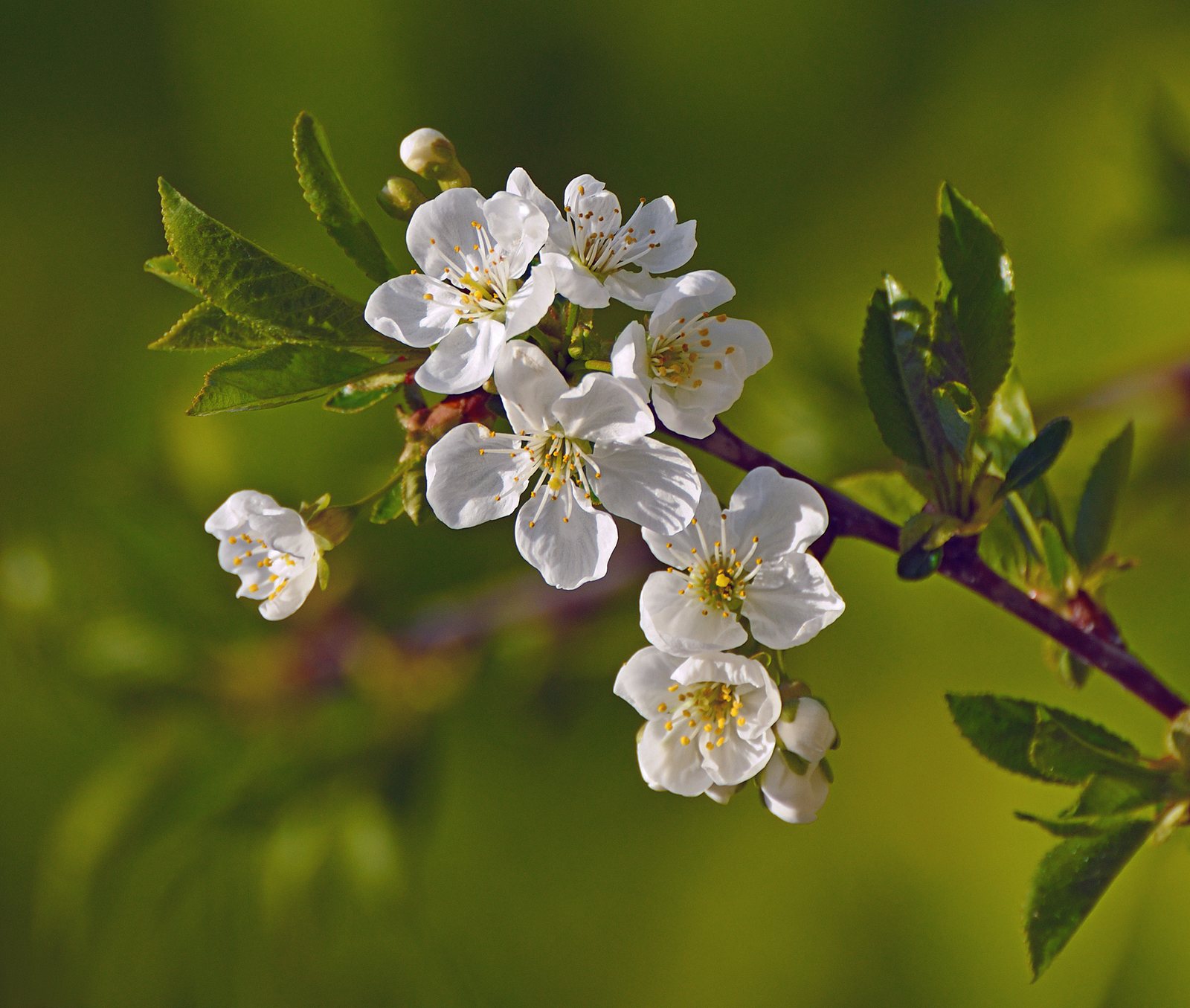
- White flowers in early to mid-spring, usually before or as the leaves open.
- Foliage
- Oval, toothed, mid-green leaves, turning yellow in autumn before falling.
- Growth
- Moderate.
- Care needed
- Medium
The year at a glance
- Pollinators
- Wildlife
- Low allergen
- Edible
| J | F | M | A | M | J | J | A | S | O | N | D | |
|---|---|---|---|---|---|---|---|---|---|---|---|---|
| Flowers | ||||||||||||
| Fruit | ||||||||||||
| Plant |
Northern hemisphere months. In Australia, shift them by six.
- Difficulty
- Moderate
- Toughness
- Fairly tough
Will it suit your garden?
Pick your zone, country, light and whether you have pets.
Full sun is 6 or more hours of direct sun a day, part shade 3 to 6 hours, shade under 3.
How it grows
Planting day
7 ft (2 m)
After 1 year
7 ft (2.1 m)
After 2 years
7 ft (2.3 m)
After 3 years
8 ft (2.4 m)
After 5 years
9 ft (2.6 m)
About 20 years to full size.
From a typical nursery size, at an average rate for this kind of plant. A rule of thumb, not a forecast.
Good to know
- Cats and dogs
- Toxic
- Growth rate
- Moderate
Care
Jobs through the year
- WaterApr–May, Sep–Oct, every 14 days
- Water established trees deeply when soil dries; young trees need more frequent watering.
- WaterJun–Aug, every 7 days
- In dry weather, water deeply to keep the root zone moist while fruit develops.
- FeedMar
- Apply compost and balanced fruit-tree fertiliser at label rates; avoid excess nitrogen.
- MulchMar–Apr
- Renew organic mulch around the root zone, leaving a gap around the trunk.
- ProtectMar–Apr
- Protect blossom from forecast frost with fleece, removing it during the day.
- PruneApr–May
- Train young trees after growth starts; remove shoots arising below the graft.
- PruneJun
- Thin crowded fruit to 5–8 cm apart after the natural drop.
- ProtectJun–Aug
- Support heavily laden branches and remove damaged or rotting fruit promptly.
- PruneJul–Aug
- Prune established trees lightly in dry weather; avoid autumn and winter pruning.
- HarvestAug–Sep
- Pick slightly soft, fully coloured plums that come away with a light twist.
- ProtectSep–Oct
- Collect fallen fruit and remove shrivelled fruit left on the tree.
- Choose a rootstock suited to your available space, soil and climate; keep the graft union above soil level.
- Water deeply during dry spells, especially for the first two growing seasons and while fruit is swelling.
- Apply compost and a balanced fruit-tree fertiliser in early spring according to label rates; avoid excessive nitrogen.
- Mulch over the root zone, leaving a clear gap around the trunk.
- Thin crowded fruit in early summer to roughly 2-3 in (5-8 cm) apart, and support heavily loaded branches.
- Stake young trees as needed until firmly rooted, and remove shoots arising below the graft.
Pruning. Train young trees in spring after growth begins, then prune established trees lightly in summer, preferably in dry weather, to remove crossing growth and maintain an open crown. Avoid autumn and winter pruning because wounds are more vulnerable to silver leaf and bacterial canker.
Harvest
Pick in late summer to early autumn, typically August-September in the Northern Hemisphere and February-March in the Southern Hemisphere, allowing for local conditions. Ripe fruit has a red-purple blush over yellow skin, yields slightly to gentle pressure and comes away with a light twist; leave eating fruit to sweeten fully on the tree.
Through the year
- Late autumn to late winter
- Plant bare-root trees while dormant, provided the ground is neither frozen nor waterlogged; install a stake if needed.
- Early spring
- Feed, renew mulch and check ties; protect blossom with horticultural fleece during forecast frosts, removing it by day for pollinators.
- Late spring
- Check developing fruit and leaves for pest damage, and water during dry weather.
- Early summer
- Thin crowded fruit and support branches carrying heavy crops.
- Summer
- Prune in dry weather and remove damaged or rotting fruit promptly.
- Late summer to early autumn
- Harvest in several passes as fruit ripens; collect fallen fruit and remove any shrivelled fruit left on the tree.
In the garden
- Use as a productive focal tree in a sunny lawn, keeping grass clear of the trunk.
- Train as a fan against a sunny wall or fence where space is limited.
- Plant in a mixed orchard with apples, pears and other plums, allowing room for mature crowns.
- Include in an edible border with low herbs and flowering plants outside the mulched root zone.
Garden styles it suits: Backyard orchard, Edible landscape, Cottage garden, Potager (kitchen garden), Homestead and English country.
Plant it with: Chives, Thyme, Marigolds, Nasturtiums, Yarrow and Lavender.
Wildlife: Spring flowers provide pollen and nectar for bees and other insects. Birds and mammals eat ripe fruit; netting, if needed, should be taut, secured and wildlife-safe.
Problems to watch for
- Brown rot: fruit develops soft brown patches and pale fungal cushions. Remove affected and mummified fruit, thin crowded crops and improve airflow.
- Silver leaf: leaves develop a persistent silvery sheen and branches may die back. Prune affected wood back to healthy wood in dry summer weather; remove severely infected trees.
- Bacterial canker: sunken bark, gum and dead shoots develop. Cut affected branches back to healthy wood during dry summer weather and avoid unnecessary wounds.
- Plum moth, particularly in the UK and parts of Europe: caterpillars feed inside fruit, often leaving brown frass near the stone. Remove infested and fallen fruit; use pheromone traps to monitor activity and follow local advice on control timing.
Safety
Ripe fruit flesh is edible. Leaves, stems and especially kernels inside the stones contain cyanogenic compounds and can cause serious poisoning in people, cats, dogs and horses if enough is eaten; wilted leaves are a particular livestock hazard. Stones also pose choking and intestinal-blockage risks, so keep pruning waste and fallen fruit away from animals.
Easily confused with
Opal plum (Prunus domestica 'Opal')
Usually ripens earlier than Victoria and has smaller, rounder red-purple fruit. Fruit appearance overlaps, so a reliable label is the best confirmation.
Greengage (Prunus domestica, Greengage Group)
Typically has rounder fruit that remains green or yellow-green when ripe, rather than Victoria's oval, red-flushed fruit.
Cherry plum (Prunus cerasifera)
Usually has smaller, rounder yellow or red fruit and flowers earlier. Some ornamental forms have purple foliage, unlike Victoria.
The name
The cultivar name honours Queen Victoria, while Prunus is the Latin name for plum and domestica refers to its cultivated status.
Propagation. Propagate by budding or grafting onto a compatible plum rootstock. Seedlings will not come true to Victoria, and root suckers from grafted trees belong to the rootstock rather than the cultivar.
Checked against open data
- Accepted botanical name
- Prunus domestica
- In the US and Canada
- Introduced in Canada and the lower 48 states.
- Measured
- Soil pH 5 to 8.2. Average height 800 cm.
Sources: GBIF (CC BY 4.0), USDA PLANTS and Trefle (CC BY 4.0). The care and design notes are LandscapeGPT's own.
See it in your own yard.
Upload a photo of your yard and see it redesigned with plants that suit your climate, each checked against your zone.