Vintage Jade distylium
Distylium 'PIIDIST-I'. Family Hamamelidaceae. Shrub.
Also called Distylium 'PIIDIST-I', Vintage Jade evergreen witch hazel.
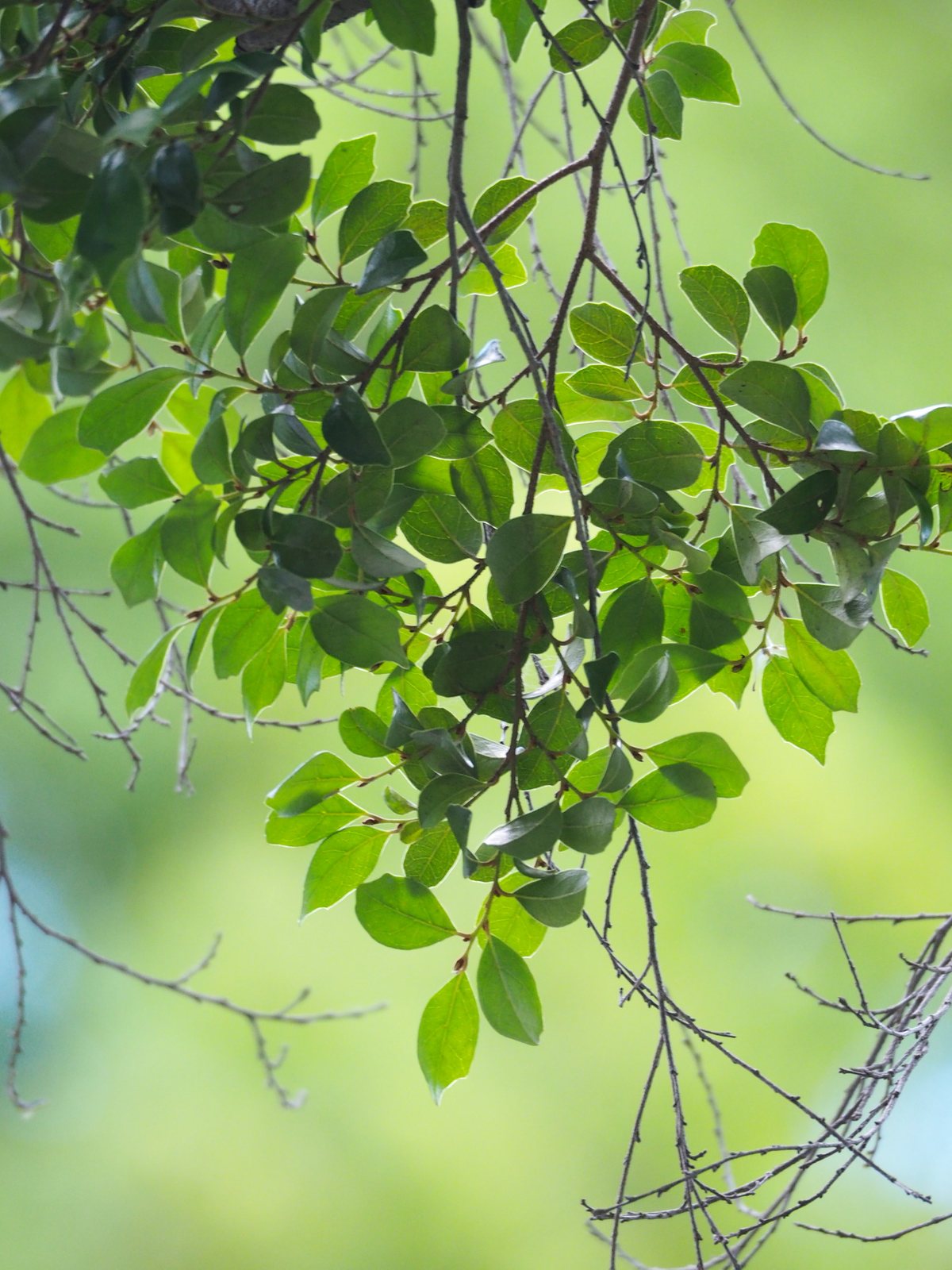
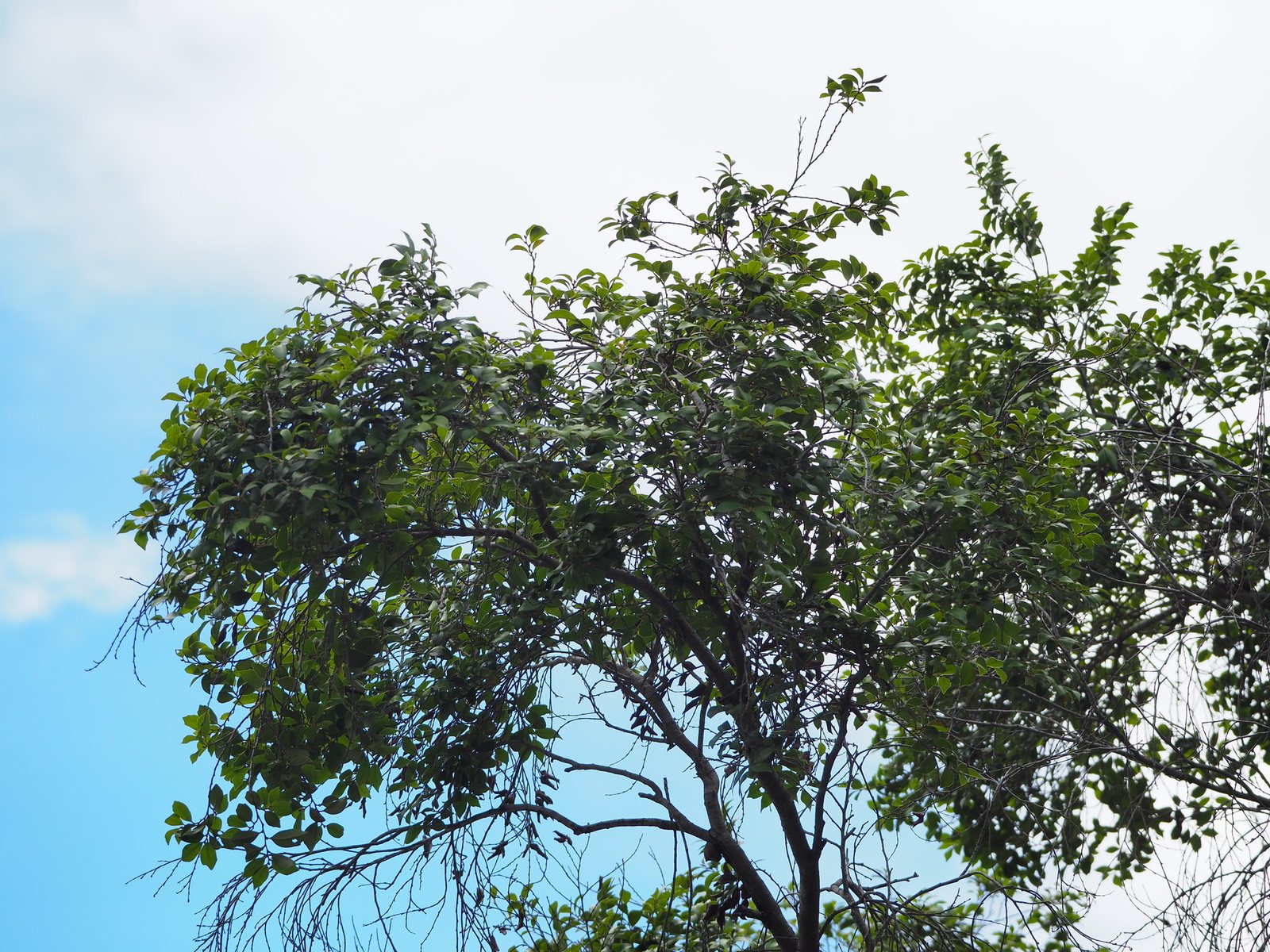
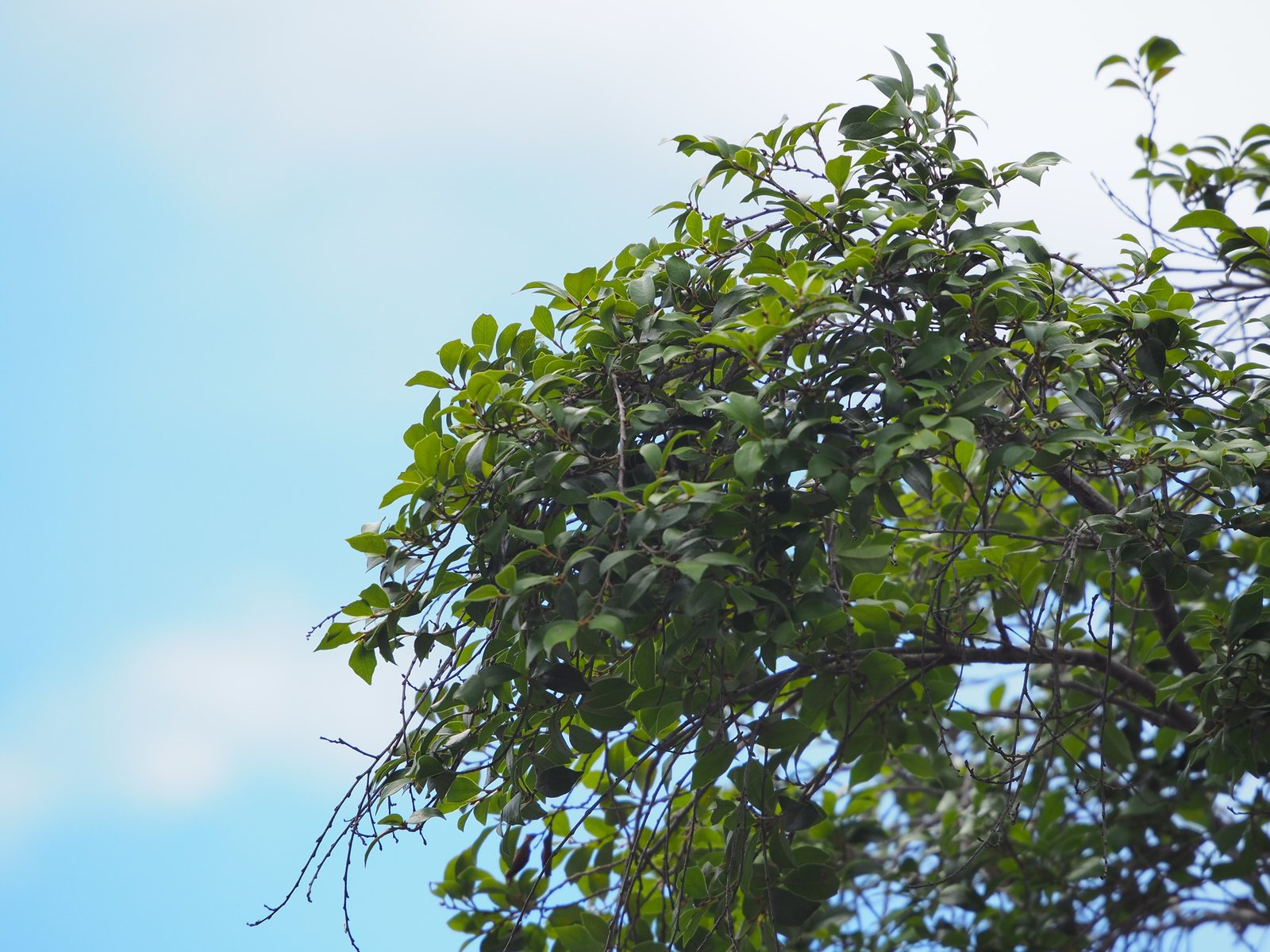
Vintage Jade is a low, spreading evergreen shrub with arching branches and small, dark green leaves. Gardeners grow it for year-round ground-level structure, informal edging and mass planting rather than its inconspicuous flowers. It performs best where summers are warm; in cooler gardens, choose a sunny position sheltered from cold winds.
At a glance
- Sun
- Full sun to partial shade; growth is usually denser in sun.
- Water
- Water regularly during the first growing season. Once established, it tolerates short dry spells, but benefits from deep watering during prolonged drought.
- Soil
- Well-drained soil, preferably mildly acidic to neutral. Tolerates clay if drainage is adequate; avoid persistently waterlogged ground.
- Height
- 2-3 ft (0.6-0.9 m)
- Spread
- 4-5 ft (1.2-1.5 m)
- Flowers
- Small, reddish, petal-less flowers along the stems in late winter to early spring; easily overlooked.
- Foliage
- Evergreen. Small, leathery, oval to narrowly oval leaves with smooth edges; glossy dark green on low, spreading branches.
- Growth
- Moderate.
- Care needed
- Low
The year at a glance
- Drought tolerant
- Heat tolerant
- Disease resistant
- Wildlife
| J | F | M | A | M | J | J | A | S | O | N | D | |
|---|---|---|---|---|---|---|---|---|---|---|---|---|
| Flowers | ||||||||||||
| Plant |
Northern hemisphere months. In Australia, shift them by six.
- Difficulty
- Easy
- Toughness
- Very tough
Will it suit your garden?
Pick your zone, country, light and whether you have pets.
Full sun is 6 or more hours of direct sun a day, part shade 3 to 6 hours, shade under 3.
How it grows
Planting day
1.6 ft (0.5 m)
After 1 year
1.8 ft (0.55 m)
After 2 years
2 ft (0.6 m)
After 3 years
2.1 ft (0.65 m)
After 5 years
2.5 ft (0.75 m)
full size
About 5 years to full size.
From a typical nursery size, at an average rate for this kind of plant. A rule of thumb, not a forecast.
Good to know
- Cats and dogs
- Safe
- Growth rate
- Moderate
Care
Jobs through the year
- WaterApr–May, Sep–Oct, every 14 days
- Water established shrubs only when soil is drying; check new plants more frequently.
- WaterJun–Aug, every 10 days
- Deep-water during prolonged drought, allowing the soil surface to dry between waterings.
- FeedMar–Apr
- Use a light slow-release shrub feed only if growth is weak or soil is poor.
- MulchMar, Oct
- Maintain 5–8 cm of organic mulch, keeping it away from the stems.
- PruneApr
- After flowering, shorten wayward shoots and remove confirmed dead wood; avoid hard shearing.
- ProtectJan–Mar, Nov–Dec
- Shelter from drying winter winds; in zone 6 use a more protected site or a hardier alternative.
- Plant with the top of the root ball level with the surrounding soil, and allow room for its mature spread.
- Water deeply when the root zone begins to dry during the first growing season.
- Apply 2-3 in (5-8 cm) of organic mulch, keeping it clear of the stems.
- Feed lightly in spring with a slow-release shrub fertiliser only if growth is weak or the soil is poor.
- In colder parts of its range, choose shelter from drying winter winds.
Pruning. Prune lightly just after flowering, shortening wayward shoots or removing selected branches to preserve the spreading shape. Remove dead or damaged wood when noticed; avoid routine hard shearing and late-season pruning.
Through the year
- Late winter
- Check for wind scorch or cold damage; wait until new growth starts before deciding which damaged stems need removal.
- Spring
- Plant once the soil is workable, water thoroughly and mulch the root zone.
- Spring
- After flowering, lightly prune any shoots that extend beyond the available space.
- Early summer
- Check newly planted shrubs regularly and water deeply when the root zone begins to dry.
- Late summer
- Water during prolonged drought and avoid pruning that would encourage tender new growth.
- Autumn
- Refresh mulch if needed and water before winter if the soil is dry.
In the garden
- Plant in broad groups beneath windows for a low evergreen foundation layer.
- Use as an informal border beside paths, allowing space for branches to spread without repeated clipping.
- Combine with ornamental grasses and flowering perennials to provide a dark green backdrop throughout the year.
- Mass on gently sloping ground for low cover where drainage is good.
Garden styles it suits: Modern, Southern, Low-maintenance, Green on green, Traditional and Winter interest.
Plant it with: Oakleaf hydrangea, Camellia, Liriope, Autumn fern, Switchgrass and Coneflower.
Wildlife: Dense evergreen branches provide cover for small birds and other garden wildlife. The small flowers may attract visiting insects, but this is not a major nectar or fruiting shrub.
Problems to watch for
- Root rot in persistently wet soil: improve drainage or move the shrub to a raised planting area; do not keep watering saturated ground.
- Winter leaf scorch or stem dieback: provide shelter from cold winds, maintain mulch and remove dead growth after spring growth begins.
- Yellow leaves in alkaline soil: check soil pH and drainage before feeding; move to a more suitable site if lime-induced chlorosis persists.
- Sparse, open growth in deep shade: move to a brighter position rather than repeatedly shearing.
Safety
Not known to be toxic to people, cats, dogs or horses, but reliable toxicity information for this cultivar is limited. No particular part is established as poisonous; it is not an edible plant, and significant ingestion should be discussed with a poison service or veterinarian.
Easily confused with
Boxwood (Buxus sempervirens)
Boxwood has leaves in opposite pairs and generally a more upright, densely twiggy habit. Distylium leaves are alternate, and Vintage Jade has distinctly spreading branches.
Japanese holly (Ilex crenata)
Japanese holly usually has finely scalloped leaf edges and may carry black berries. Vintage Jade has smooth leaf edges and produces small dry capsules rather than berries.
The name
Distylium comes from Greek words meaning 'two styles', referring to the flower's two styles.
Propagation. Usually propagated by semi-ripe stem cuttings in summer under humid conditions. Seed will not reproduce the cultivar faithfully; check applicable plant breeders' rights or patent restrictions before propagating.
Checked against open data
- Accepted botanical name
- Distylium
Sources: GBIF (CC BY 4.0). The care and design notes are LandscapeGPT's own.
See it in your own yard.
Upload a photo of your yard and see it redesigned with plants that suit your climate, each checked against your zone.