Wallangarra white gum
Eucalyptus scoparia. Family Myrtaceae. Tree.
Also called Wallangarra gum.
Wallangarra white gum is a tall, evergreen Australian tree grown for its smooth white trunk, narrow green leaves and light, open crown. It makes a striking specimen in a large garden, but its mature size, spreading roots and shedding bark make it unsuitable beside buildings or in small courtyards.
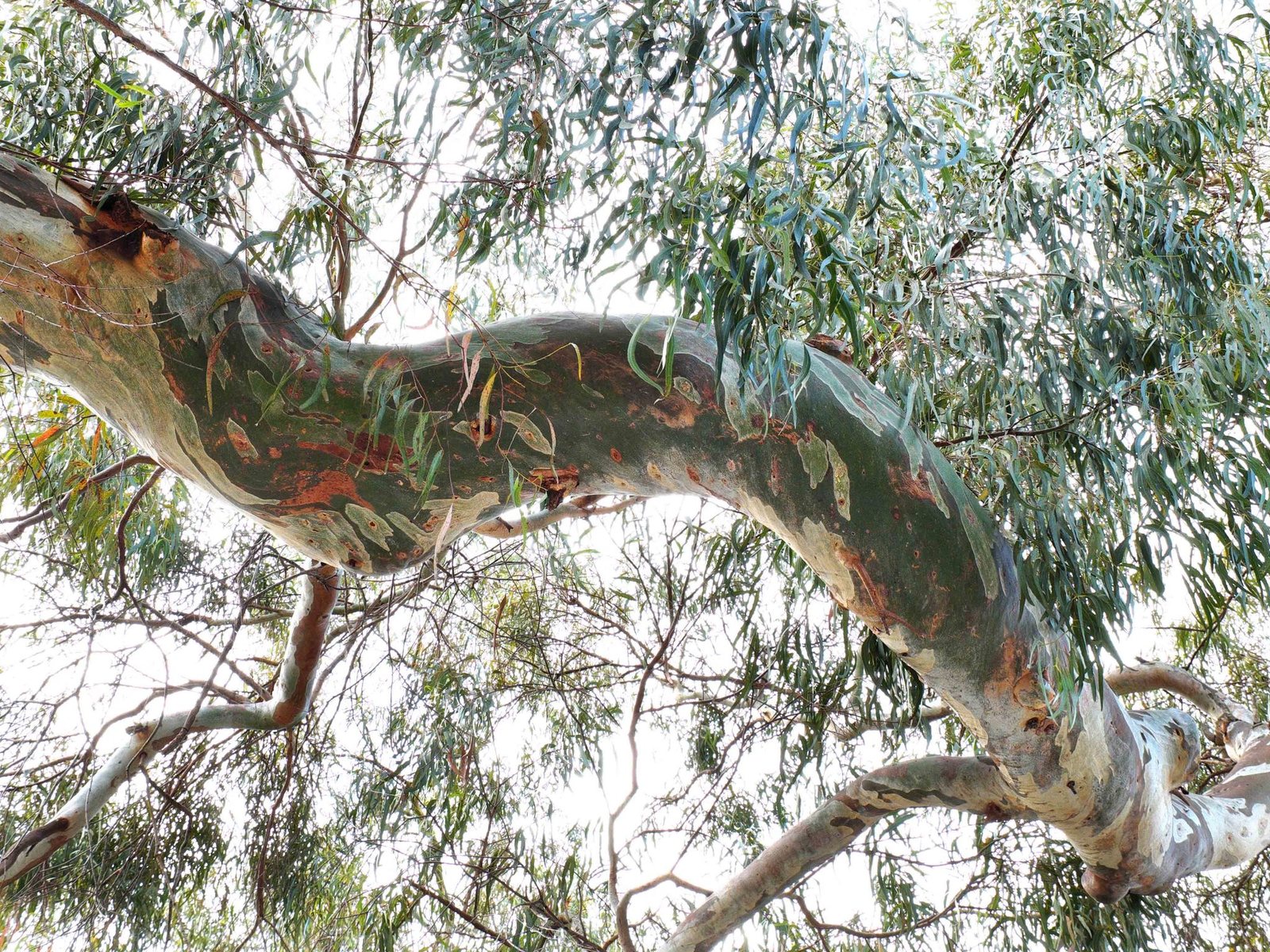
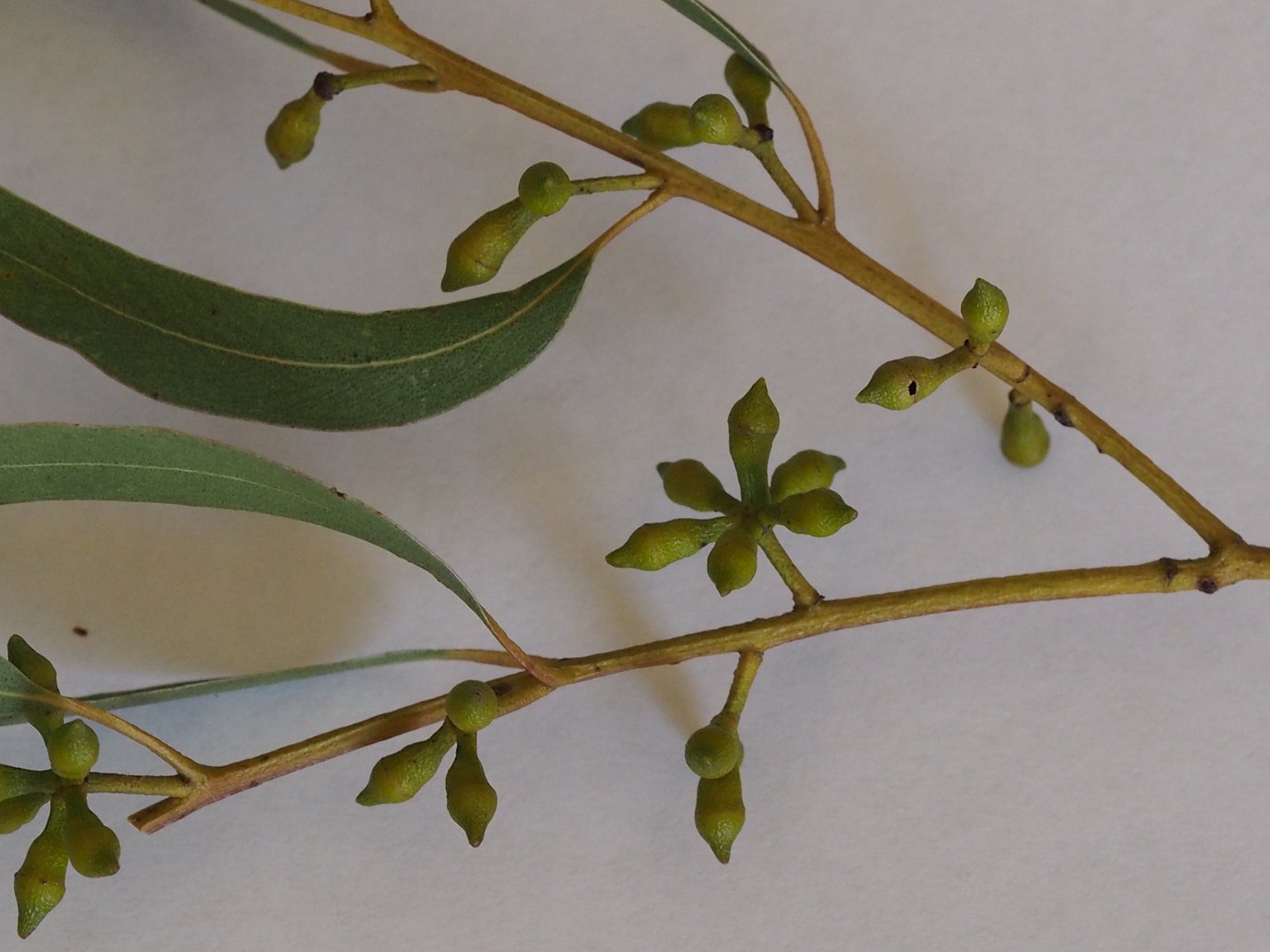
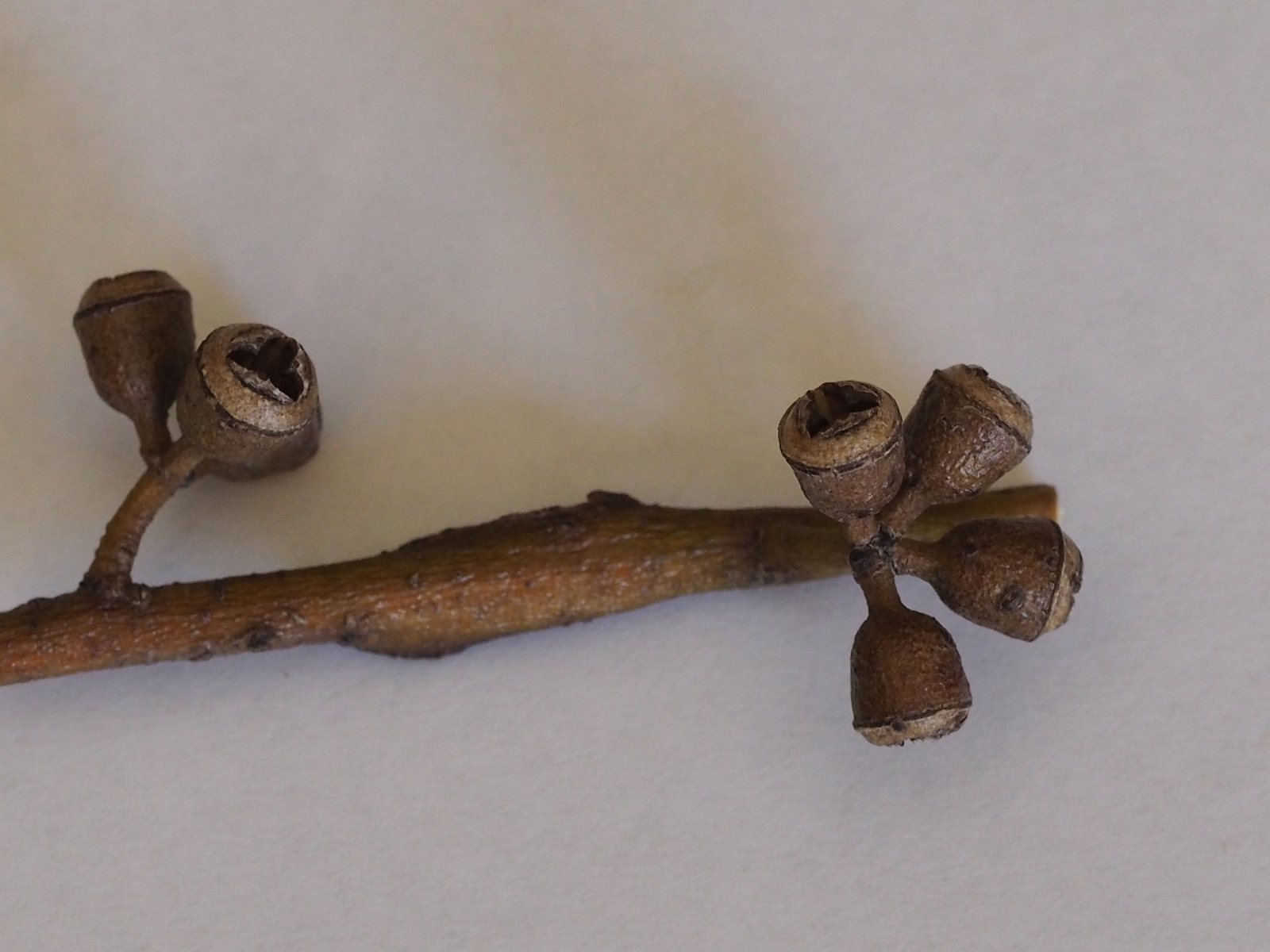
At a glance
- Sun
- Full sun; choose a sheltered position in colder districts.
- Water
- Water regularly while establishing. Once established, it tolerates dry periods, though prolonged drought can cause canopy decline.
- Soil
- Well-drained soil, preferably slightly acidic to neutral; avoid compacted ground and sites that stay wet in winter.
- Height
- 40-70 ft (12-21 m)
- Spread
- 20-35 ft (6-11 m)
- Flowers
- Small white flowers in clusters, usually in summer; timing varies with climate.
- Foliage
- Evergreen. Narrow, pointed, green leaves hang from slender branches and release a eucalyptus scent when crushed.
- Growth
- Fast in suitable conditions.
- Care needed
- Medium
The year at a glance
- Pollinators
- Drought tolerant
- Heat tolerant
- Wildlife
- Low allergen
| J | F | M | A | M | J | J | A | S | O | N | D | |
|---|---|---|---|---|---|---|---|---|---|---|---|---|
| Flowers | ||||||||||||
| Fruit | ||||||||||||
| Plant |
Northern hemisphere months. In Australia, shift them by six.
- Difficulty
- Hard
- Toughness
- Needs looking after
Will it suit your garden?
Pick your zone, country, light and whether you have pets.
Full sun is 6 or more hours of direct sun a day, part shade 3 to 6 hours, shade under 3.
How it grows
Planting day
7 ft (2 m)
After 1 year
10 ft (3.1 m)
After 2 years
14 ft (4.2 m)
After 3 years
18 ft (5.3 m)
After 5 years
25 ft (7.6 m)
About 13 years to full size.
From a typical nursery size, at an average rate for this kind of plant. A rule of thumb, not a forecast.
Good to know
- Cats and dogs
- Toxic
- Native to
- Australia
- Growth rate
- Fast
Care
Jobs through the year
- WaterApr–May, Sep–Oct, every 21 days
- Deep-water established trees only in prolonged dry weather; young trees need more for two years.
- WaterJun–Aug, every 14 days
- Water established trees deeply during extended drought; check young trees and containers more often.
- WaterJan–Mar, Nov–Dec, every 14 days
- Check any frost-free container specimen and water sparingly before its root ball dries out.
- MulchMay
- Mulch the root zone without covering the trunk.
- PruneFeb–Mar
- Lightly shape young trees and remove damaged or crossing branches; never top mature trees.
- ProtectJan–Apr, Oct–Dec
- Unsuitable for permanent outdoor planting in zones 6–7; young container trees need frost-free shelter.
- Plant a young, container-grown tree without disturbing its root ball; avoid specimens with tightly circling roots.
- Water deeply through the first two growing seasons, allowing the soil surface to dry between waterings.
- Spread organic mulch over the root zone, keeping it clear of the trunk.
- Avoid routine heavy feeding; use a modest amount of slow-release fertilizer only if growth is poor and a nutrient shortage is likely.
- Stake only if the root ball moves in wind, use flexible ties, and remove supports once the tree is stable.
- Allow ample clearance from buildings, drains, paving and overhead wires.
Pruning. In late winter or early spring, remove dead, damaged or crossing branches and establish a sound framework while the tree is young. Avoid topping or repeatedly reducing a mature tree; have large limbs assessed and pruned by a qualified arborist.
Through the year
- Spring
- Plant in colder districts once severe frost has passed, and water thoroughly.
- Late spring
- Check young trees for frost damage and prune back dead shoots once new growth reveals what has survived.
- Summer
- Water establishing trees deeply during dry spells and inspect stressed foliage for psyllids.
- Autumn
- Plant in mild-winter districts where soil drains freely; refresh mulch without covering the trunk.
- Winter
- Check stakes and ties after storms, and inspect the crown for damaged branches.
- Late winter
- Carry out light formative pruning on young trees before vigorous spring growth.
In the garden
- Use as a single specimen in a large lawn, where the white trunk can be seen clearly.
- Set against dark evergreen planting to emphasize the pale bark and fine-textured crown.
- Combine with drought-tolerant grasses and shrubs in a spacious Australian-native garden.
- Place toward the rear of a large border to provide height and light, shifting shade.
Garden styles it suits: Australian native, Architectural minimal, Modern, Mediterranean, Wildlife garden and Winter interest.
Plant it with: Mat rush, Flax lily, Kangaroo grass, Westringia and Bottlebrush.
Wildlife: Flowers provide nectar and pollen for insects and, in Australia, nectar-feeding birds. Mature trees offer perches and shelter; suitability as food for native animals varies locally.
Problems to watch for
- Root rot and decline in waterlogged soil: improve drainage before planting; do not try to compensate with fertilizer.
- Eucalyptus psyllids can distort leaves or leave sticky deposits: keep young trees adequately watered, conserve beneficial insects and avoid unnecessary broad-spectrum sprays.
- Eucalyptus longhorned borers can attack stressed trees in regions where these beetles occur: avoid drought stress and trunk injury, and seek local advice if bark loosens or branches die.
- Frost can scorch foliage and kill young shoots: shelter young trees and wait until spring growth starts before removing damaged wood.
Safety
Eucalyptus leaves, bark and especially concentrated eucalyptus oil can poison cats, dogs, horses and people if swallowed. Significant ingestion can cause vomiting, weakness and neurological signs; concentrated oil can cause severe poisoning. Do not use the foliage as food or make home remedies from it.
Easily confused with
Narrow-leaved black peppermint (Eucalyptus nicholii)
It also has narrow leaves, but mature trunks retain rough, fibrous grey-brown bark rather than the smooth white bark of Wallangarra white gum.
Snow gum (Eucalyptus pauciflora)
It generally has broader, thicker adult leaves with prominent veins running roughly lengthwise, and often a more spreading or crooked habit. Wallangarra white gum has narrower leaves and a more upright trunk.
The name
Wallangarra refers to the town near its restricted native range on the Queensland–New South Wales border, while scoparia means broom-like, referring to its foliage.
Propagation. Usually grown from seed, sown thinly on a free-draining seed compost and only lightly covered. Keep moist but not saturated, provide bright light, and move seedlings into individual pots while small to limit root disturbance.
Checked against open data
- Accepted botanical name
- Eucalyptus scoparia
- Native range
- Queensland.
Sources: GBIF (CC BY 4.0) and Trefle (CC BY 4.0). The care and design notes are LandscapeGPT's own.
See it in your own yard.
Upload a photo of your yard and see it redesigned with plants that suit your climate, each checked against your zone.