Weeping brown sedge
Carex flagellifera. Family Cyperaceae. Ornamental grass.
Also called Brown sedge, Weeping sedge.
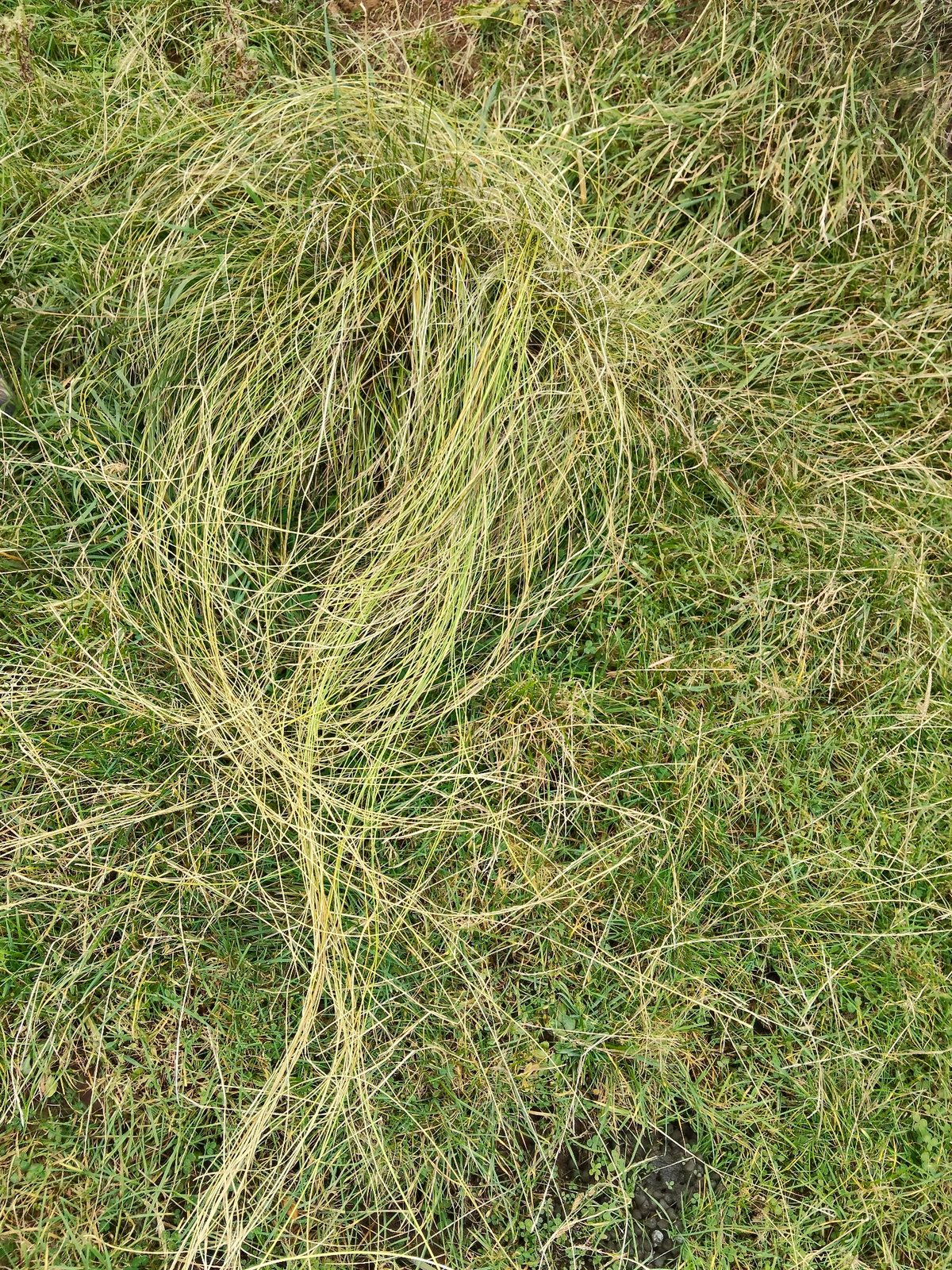
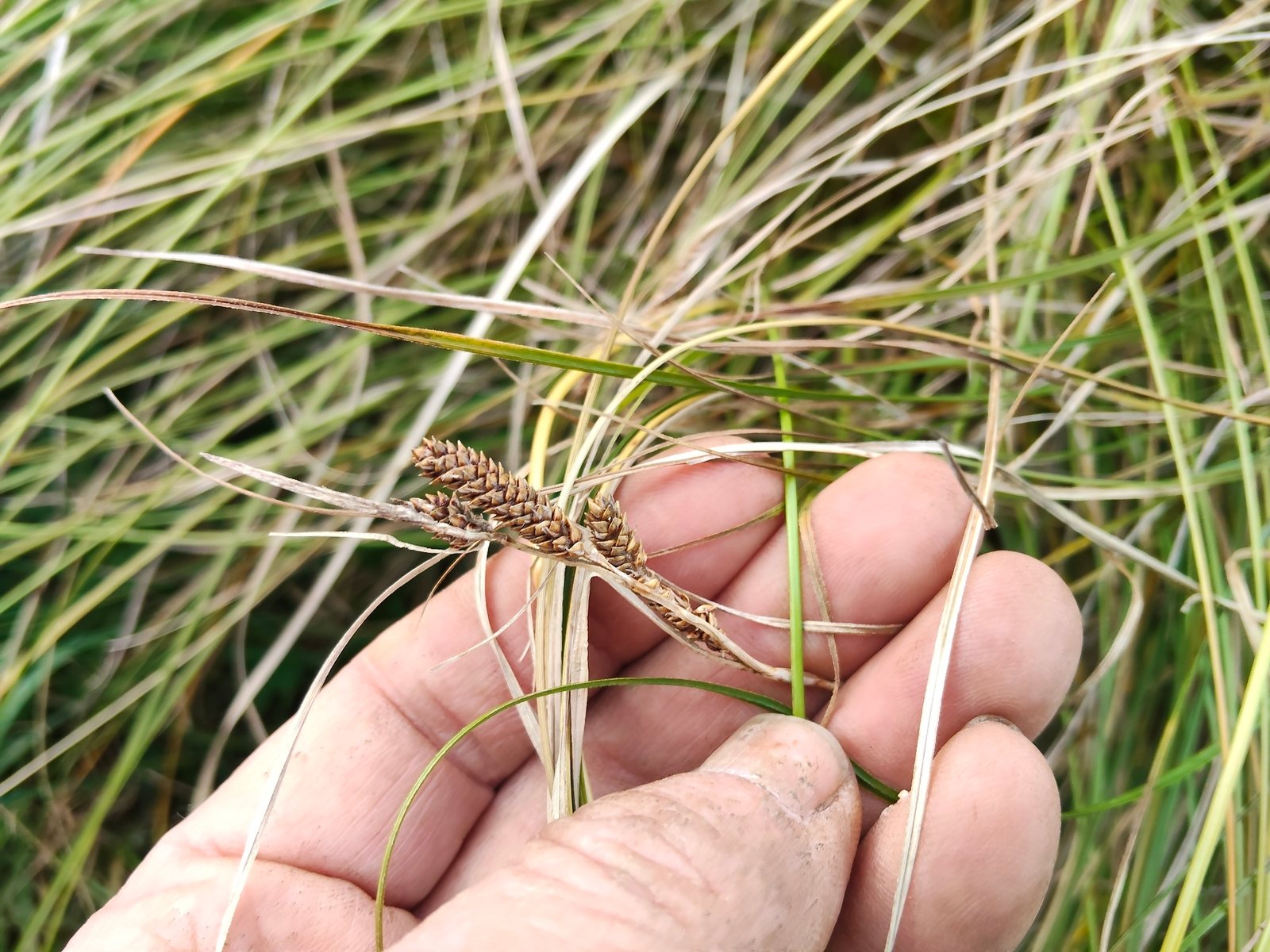
This evergreen sedge from New Zealand forms a loose, arching clump of fine bronze-brown leaves. Gardeners grow it for its cascading texture and warm foliage colour, especially beside green or silver plants and spilling over container edges.
At a glance
- Sun
- Full sun to partial shade; give afternoon shade in hot inland gardens.
- Water
- Moderate; keep evenly moist while establishing. Established plants tolerate brief dry spells, but prolonged drought browns the leaf tips.
- Soil
- Well-drained soil that retains some moisture; avoid waterlogged ground, particularly in winter.
- Height
- 1-2 ft (0.3-0.6 m)
- Spread
- 1-2 ft (0.3-0.6 m)
- Foliage
- Evergreen. Fine, arching bronze to reddish-brown leaves, often with curled tips; colour varies with growing conditions and individual plants.
- Growth
- Moderate
- Care needed
- Low
The year at a glance
- Deer resistant
- Heat tolerant
- Wildlife
| J | F | M | A | M | J | J | A | S | O | N | D | |
|---|---|---|---|---|---|---|---|---|---|---|---|---|
| Plant |
Northern hemisphere months. In Australia, shift them by six.
- Difficulty
- Moderate
- Toughness
- Fairly tough
Will it suit your garden?
Pick your zone, country, light and whether you have pets.
Full sun is 6 or more hours of direct sun a day, part shade 3 to 6 hours, shade under 3.
How it grows
Planting day
1.1 ft (0.35 m)
After 1 year
1.3 ft (0.39 m)
After 2 years
1.4 ft (0.43 m)
After 3 years
1.5 ft (0.45 m)
full size
About 3 years to full size.
From a typical nursery size, at an average rate for this kind of plant. A rule of thumb, not a forecast.
Good to know
- Cats and dogs
- Safe
- Native to
- Australia
- Growth rate
- Moderate
Care
Jobs through the year
- WaterApr–May, Sep–Oct, every 14 days
- Water established clumps when the root zone dries; water new plants more frequently.
- WaterJun–Aug, every 7 days
- Water deeply during dry spells, letting the surface begin to dry between waterings.
- PruneMar–Apr
- Comb out loose dead leaves with gloves and trim damaged tips; retain healthy foliage.
- DivideApr–May
- Divide ageing or congested clumps into healthy rooted sections.
- MulchApr–May
- Apply a thin compost dressing, keeping it clear of the crown.
- ProtectJan–Mar, Nov–Dec
- Shelter from freezing winds and winter wet; in zone 6, overwinter pots under cool frost-free cover.
- Water regularly through the first growing season, letting the soil surface begin to dry between waterings.
- Water established clumps during prolonged dry weather and check containers more frequently.
- Apply a light layer of compost in spring; avoid heavy feeding.
- Keep mulch away from the crown and maintain good winter drainage.
- Divide ageing or congested clumps in spring, retaining healthy rooted sections.
Pruning. In early spring, gently comb out loose dead leaves with gloved hands and trim damaged tips. Avoid routinely shearing the whole clump to ground level, as evergreen sedges can recover slowly.
Through the year
- Early spring
- Remove loose dead foliage and check for healthy new growth at the crown.
- Spring
- Plant new clumps or divide established ones; water thoroughly after planting.
- Late spring
- Apply a light compost dressing without burying the crown.
- Summer
- Water during extended dry spells, especially in containers.
- Autumn
- Remove unwanted seedlings and clear fallen leaves from the crown.
- Winter
- Check that containers drain freely and shelter pots from severe freezes.
In the garden
- Plant at the front of a border so its arching leaves soften the edge.
- Use in containers where the foliage can spill over the rim.
- Repeat small groups among green-leaved perennials for a warm colour contrast.
- Combine with silver foliage and dark stone in a well-drained gravel garden.
- Plant beside paths where low winter sun catches the fine leaves.
Garden styles it suits: New perennial (prairie), Dry gravel garden, Modern, Coastal, Small-space and Winter interest.
Plant it with: Coral bells, Bergenia, Hardy geraniums, Lamb's ears, Dwarf New Zealand flax and Alliums.
Wildlife: Dense clumps provide shelter for small invertebrates. Its wind-pollinated flowers offer little nectar value for bees.
Problems to watch for
- Crown or root rot in wet soil: improve drainage or move the plant to a raised bed; do not leave pots standing in water.
- Crisp leaf tips during drought: water deeply and provide afternoon shade in very hot sites.
- Winter scorch or crown loss: shelter from cold drying winds and protect container-grown plants during severe freezes.
- Unwanted seedlings: remove seedlings while small or cut off seed stems before the seed ripens.
Safety
Not known to be toxic to people, cats, dogs or horses. No part is recognised as poisonous, although species-specific toxicity information is limited and it is not an edible plant.
Easily confused with
Leatherleaf sedge (Carex buchananii)
Usually forms a more upright, narrow clump of copper-brown leaves; weeping brown sedge has a looser, more cascading habit.
New Zealand hair sedge (Carex comans)
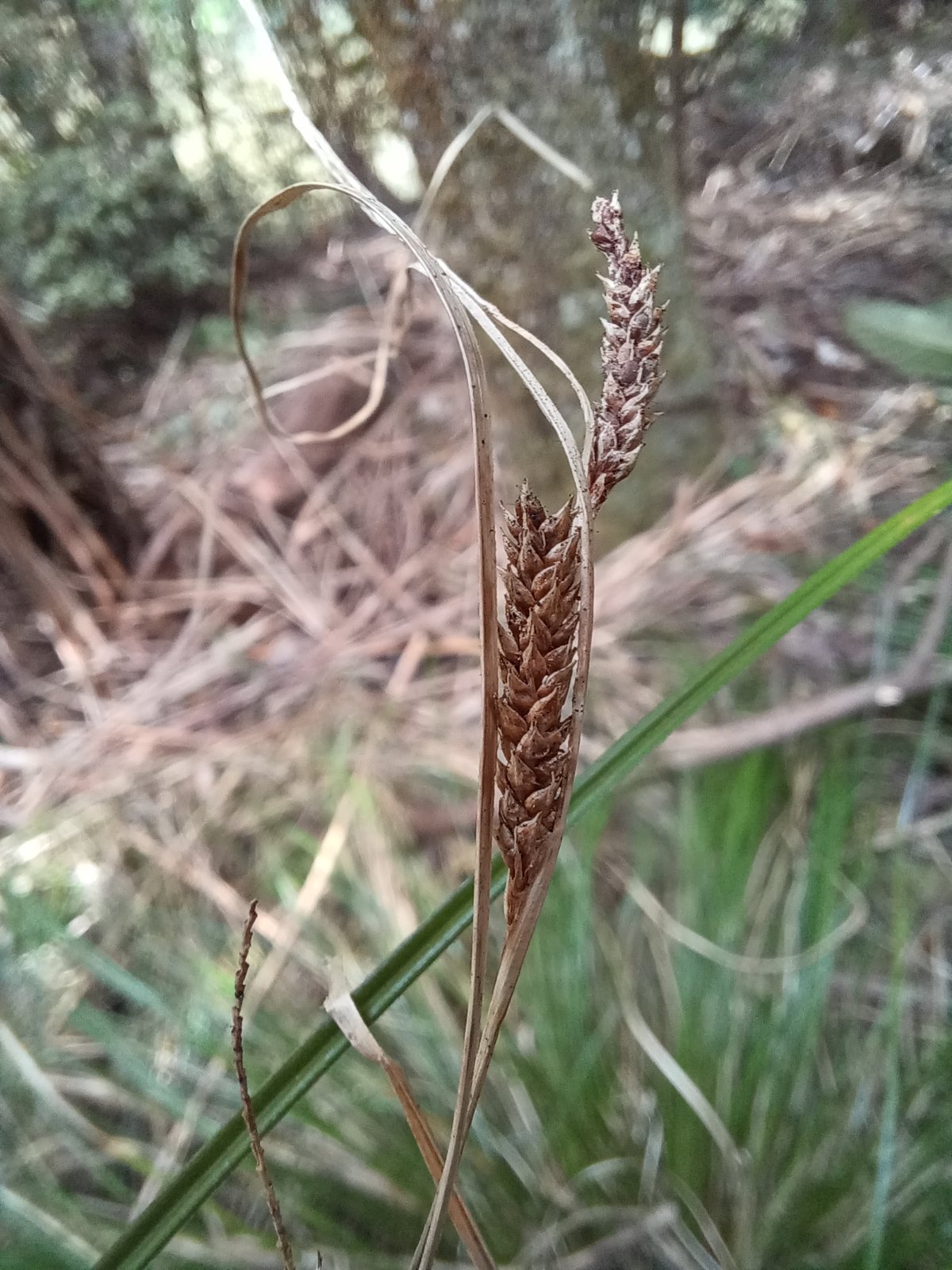
Often makes a lower, softer mound with very fine, conspicuously curled leaf tips. Bronze forms can be difficult to distinguish without mature flowering material.
The name
The species name flagellifera means 'whip-bearing', referring to the long, whip-like flowering stems.
Propagation. Divide healthy clumps in spring and replant promptly. It can also be raised from seed, but seedlings may vary in foliage colour.
Checked against open data
- Accepted botanical name
- Carex flagellifera
- Native range
- Chatham Is., New Zealand North, New Zealand South and Tasmania.
Sources: GBIF (CC BY 4.0) and Trefle (CC BY 4.0). The care and design notes are LandscapeGPT's own.
See it in your own yard.
Upload a photo of your yard and see it redesigned with plants that suit your climate, each checked against your zone.