Wheki tree fern
Dicksonia squarrosa. Family Dicksoniaceae. Fern.
Also called Whekī, Rough tree fern, Slender tree fern.
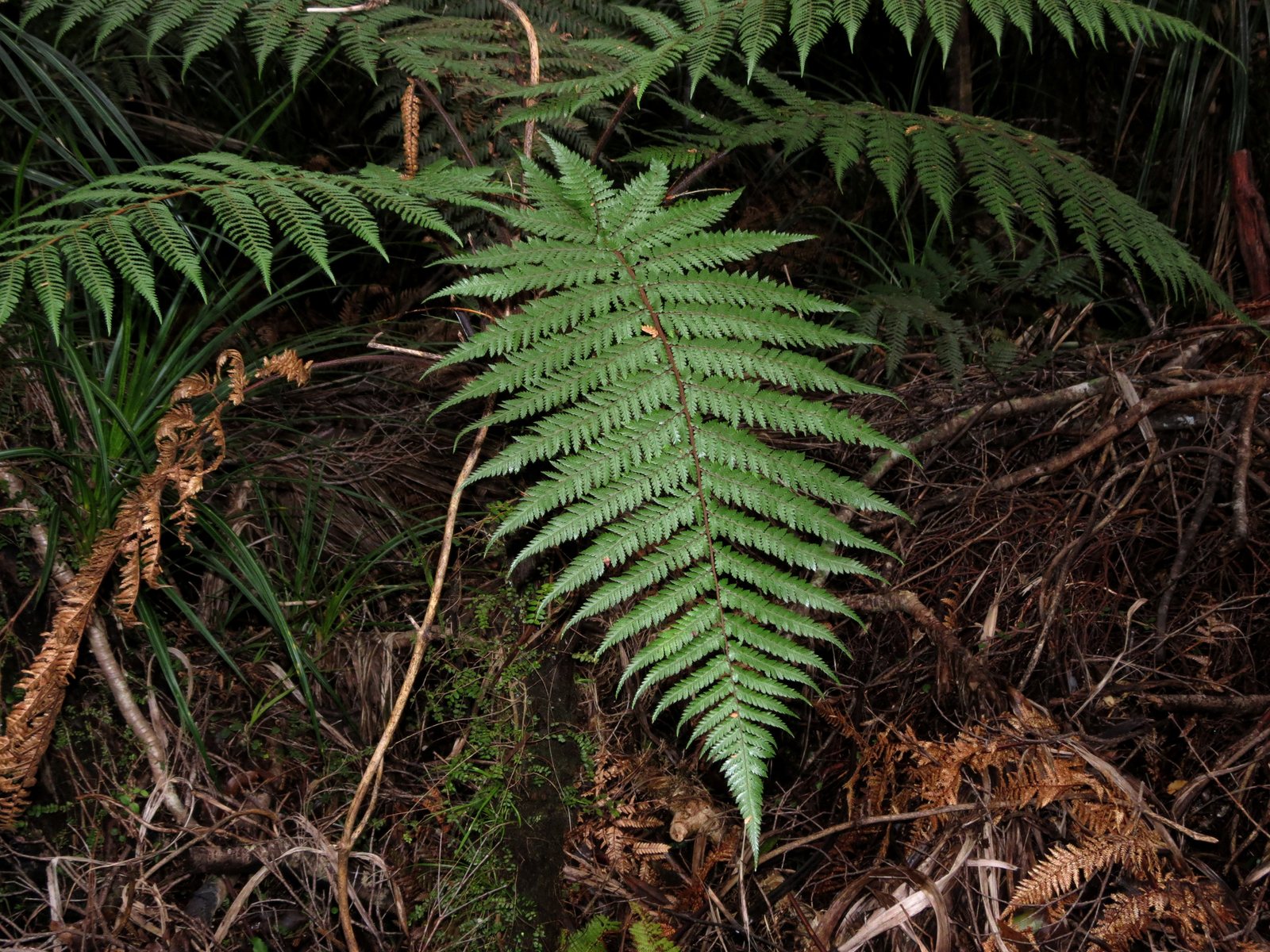
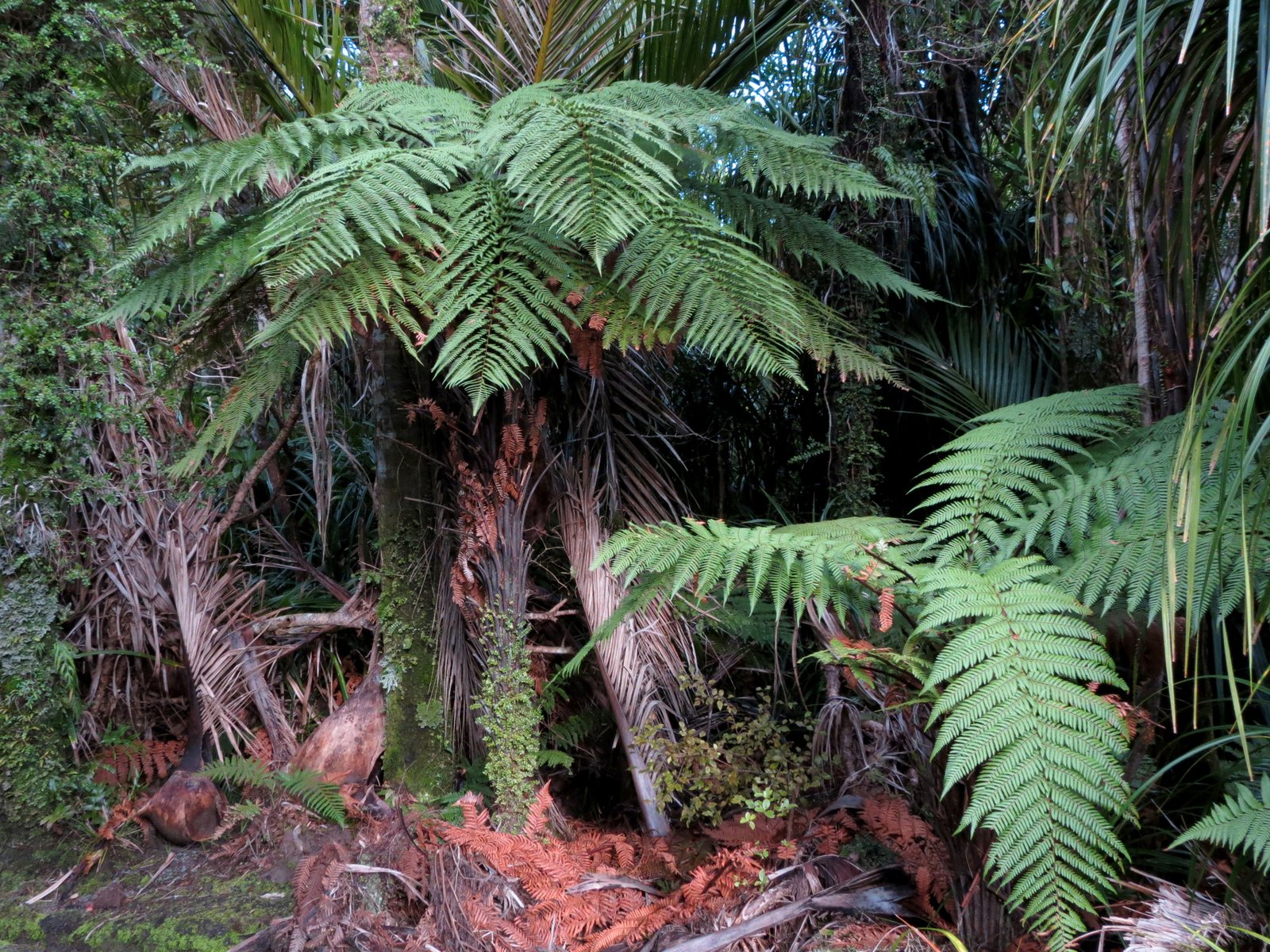
This New Zealand tree fern has a slender, dark trunk topped with an umbrella of rough-textured green fronds. It brings height and overhead shelter to shaded gardens with mild, humid conditions, and can produce several trunks from spreading underground stems. It is less cold-tolerant than the more commonly grown soft tree fern.
At a glance
- Sun
- Partial shade or light woodland shade; shelter from strong sun and drying winds.
- Water
- Keep the root zone consistently moist but not waterlogged. Water frequently during warm, dry weather; plants in containers dry out particularly quickly.
- Soil
- Humus-rich, moisture-retentive soil with good drainage, preferably acidic to neutral.
- Height
- 10-20 ft (3-6 m), occasionally taller in favourable conditions
- Spread
- 6-10 ft (1.8-3 m) across the crown; suckering colonies can become wider
- Foliage
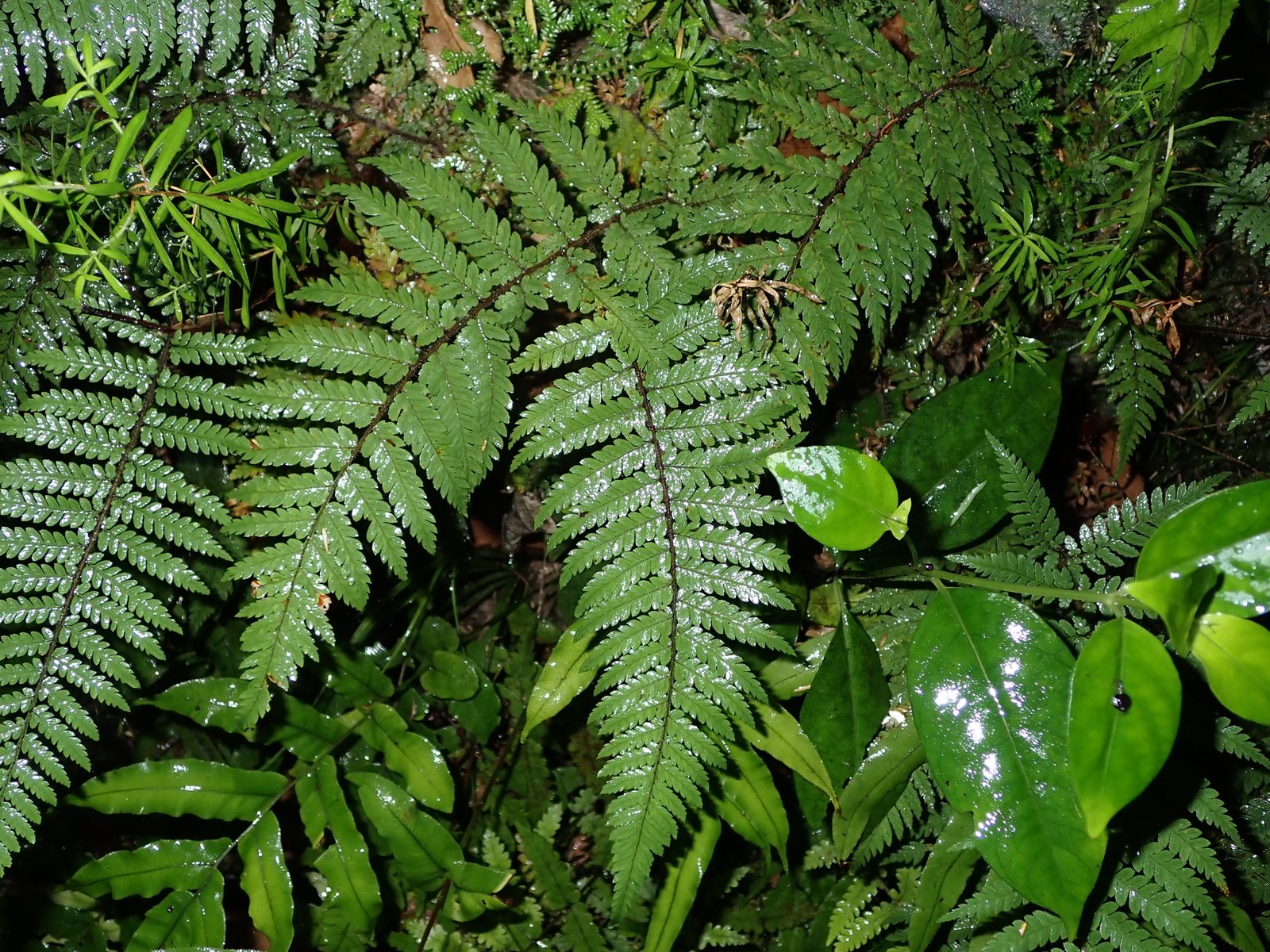
- Evergreen. Arching, finely divided, dark green fronds with a noticeably firm, rough texture; the slender trunk retains dark old frond bases.
- Growth
- Moderate in mild, moist conditions; slow in cool or dry gardens.
- Care needed
- Medium
The year at a glance
- Wildlife
| J | F | M | A | M | J | J | A | S | O | N | D | |
|---|---|---|---|---|---|---|---|---|---|---|---|---|
| Plant |
Northern hemisphere months. In Australia, shift them by six.
- Difficulty
- Hard
- Toughness
- Needs looking after
Will it suit your garden?
Pick your zone, country, light and whether you have pets.
Full sun is 6 or more hours of direct sun a day, part shade 3 to 6 hours, shade under 3.
How it grows
Planting day
1.8 ft (0.54 m)
After 1 year
5 ft (1.6 m)
After 2 years
8 ft (2.6 m)
After 3 years
12 ft (3.6 m)
After 5 years
15 ft (4.5 m)
full size
About 4 years to full size.
From a typical nursery size, at an average rate for this kind of plant. A rule of thumb, not a forecast.
Good to know
- Cats and dogs
- Safe
- Growth rate
- Slow
Care
Jobs through the year
- WaterApr–May, Sep–Oct, every 7 days
- Water established roots as the surface starts drying; young plants and containers need more frequent checks.
- WaterJun–Aug, every 3 days
- Maintain moist, drained soil and dampen the trunk in warm, dry weather; pots may need daily checks.
- WaterJan–Mar, Nov–Dec, every 10 days
- Check plants in frost-free shelter and keep roots moist but not saturated.
- FeedApr–May
- Give established plants a light slow-release feed as new fronds develop.
- MulchApr–May
- Refresh leaf mould or compost around the roots without covering the crown.
- PruneApr–May
- Remove dead fronds without cutting the trunk or growing point; retain healthy green fronds.
- PruneSep–Oct
- Remove small unwanted suckers if a single trunk is desired.
- ProtectJan–Apr, Oct–Dec
- Use a movable container and frost-free winter shelter in zones 6–7; outdoor wrapping alone is unreliable.
- Plant a rooted specimen in a sheltered position; unlike soft tree fern, a severed trunk is not a dependable way to establish this species.
- Water deeply around the roots whenever the soil surface starts to dry; dampen the trunk during warm, dry weather.
- Apply a leaf-mould or compost mulch each spring, keeping it clear of the crown.
- Feed established plants lightly in spring with a slow-release fertiliser, following the label rate.
- Protect the crown and trunk with breathable insulation before frost; move container plants under frost-free cover where winters are colder.
- Remove unwanted suckers while small if you want a single-trunk specimen.
Pruning. In spring, cut off dead or badly damaged fronds close to their bases without cutting into the trunk or central growing point. Leave healthy green fronds in place, and do not shorten the trunk to control height.
Through the year
- Spring
- Remove winter protection once hard frosts have passed, then trim dead fronds.
- Spring
- Refresh the organic mulch and give a light feed as new fronds begin to unfurl.
- Early summer
- Check soil moisture frequently and water thoroughly during dry spells.
- Summer
- Watch for scorched fronds and improve shade or wind shelter if needed.
- Autumn
- Remove unwanted small suckers and prepare winter protection.
- Winter
- Protect against frost and keep sheltered container plants moist, but not saturated.
In the garden
- Use as a small canopy above shade-loving groundcovers in a sheltered courtyard.
- Plant among smaller ferns and hostas to create layers in a woodland border.
- Group several plants in a mild, humid garden for a grove-like effect.
- Grow in a large container as an architectural feature where winter shelter is available.
Garden styles it suits: Woodland, Modern tropical, Architectural minimal, Modern courtyard, Green on green and Pacific Northwest woodland.
Plant it with: Hostas, Japanese painted ferns, Hart's tongue ferns, Epimediums, Astilbes and Japanese forest grass.
Wildlife: The fibrous trunk and shaded, humid space beneath the crown provide shelter for small invertebrates. It has no flowers or nectar.
Problems to watch for
- Brown, crisp fronds usually indicate dry roots, strong sun or drying wind: water thoroughly and improve shade and shelter.
- Frost can kill fronds and damage the growing point: insulate the crown before freezing weather and use frost-free shelter in colder regions.
- Scale insects can infest frond stalks and undersides: wipe off small infestations and use a fern-safe treatment labelled for scale if needed.
- Root decline in stagnant, waterlogged soil causes weak growth: improve drainage while maintaining steady moisture.
Safety
Not known to be toxic to people, cats, dogs or horses, but species-specific safety information is limited. No part should be treated as food; its safety as an edible plant is not established.
Easily confused with
Soft tree fern (Dicksonia antarctica)
Usually has a much thicker, densely fibrous trunk and softer-textured fronds; wheki has a slender trunk and firmer, rougher fronds.
Golden tree fern (Dicksonia fibrosa)
Develops a stout trunk covered in thick, golden-brown fibres and commonly retains a dense skirt of dead fronds; wheki has a narrower, darker trunk.
Black tree fern (Cyathea medullaris)
Has much larger fronds, conspicuously black stalks and a trunk marked with distinct old frond scars; wheki is generally smaller and retains rough, projecting frond bases.
The name
Whekī is its Māori name, and the genus Dicksonia honours the Scottish botanist James Dickson.
Propagation. Propagate from spores in warm, humid conditions, although this is slow. Established plants also produce suckers; separate only those with their own roots, preferably in spring, and keep them shaded and moist while establishing.
Checked against open data
- Accepted botanical name
- Dicksonia squarrosa
- Native range
- Chatham Is., New Zealand North and New Zealand South.
- Measured
- Average height 300 cm.
Sources: GBIF (CC BY 4.0) and Trefle (CC BY 4.0). The care and design notes are LandscapeGPT's own.
See it in your own yard.
Upload a photo of your yard and see it redesigned with plants that suit your climate, each checked against your zone.