White mulberry
Morus alba. Family Moraceae. Tree.
Also called Common mulberry, Silkworm mulberry.
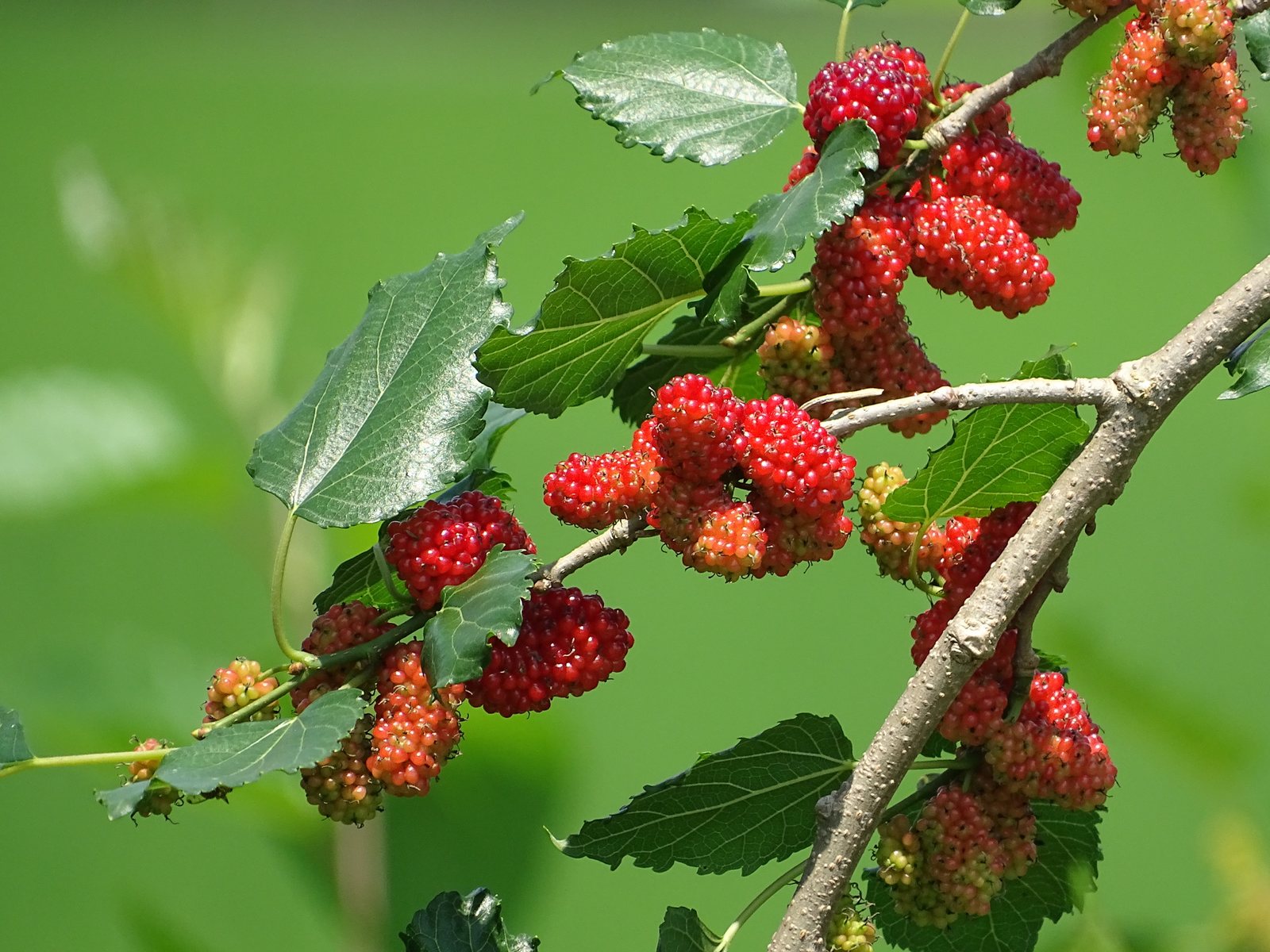
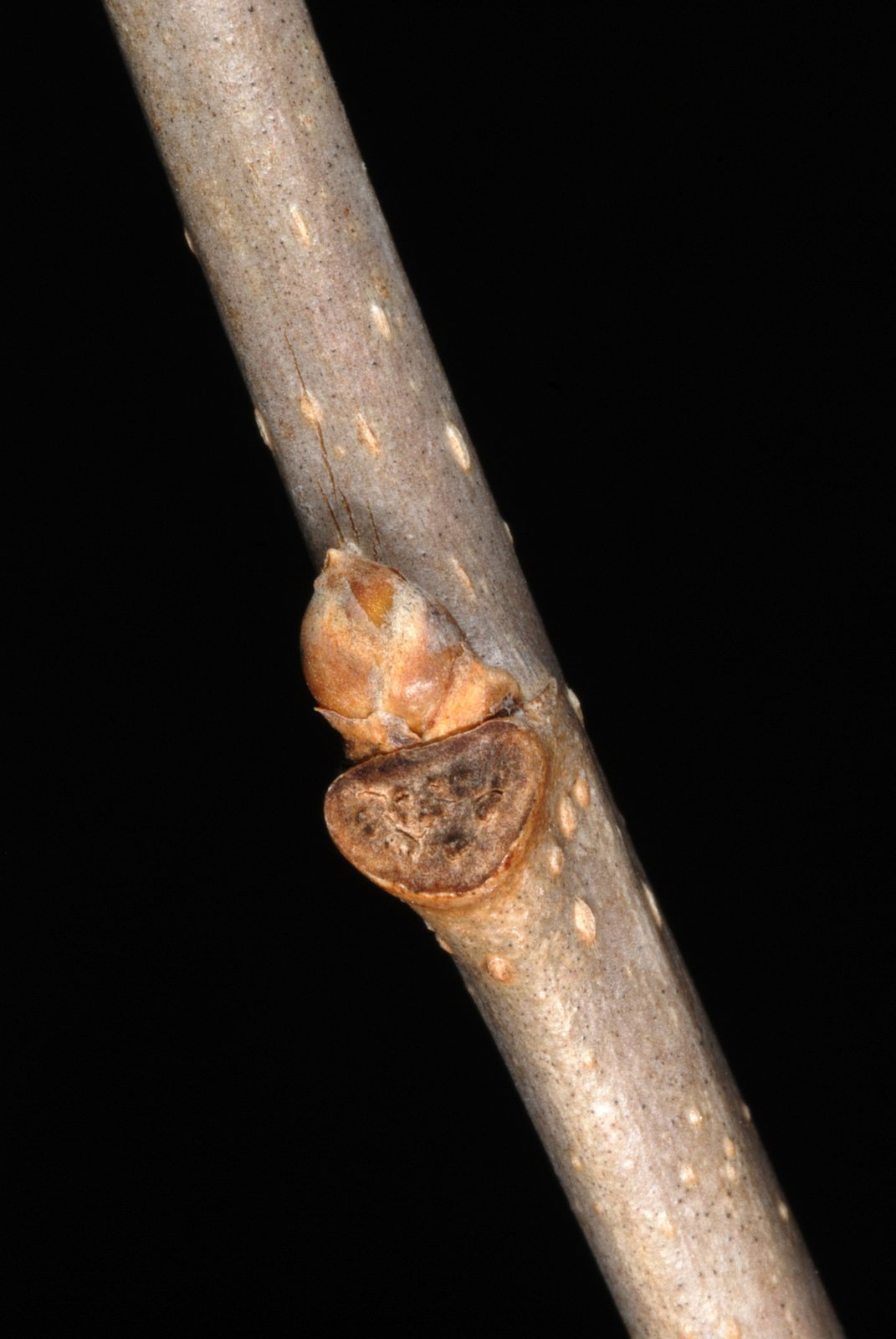
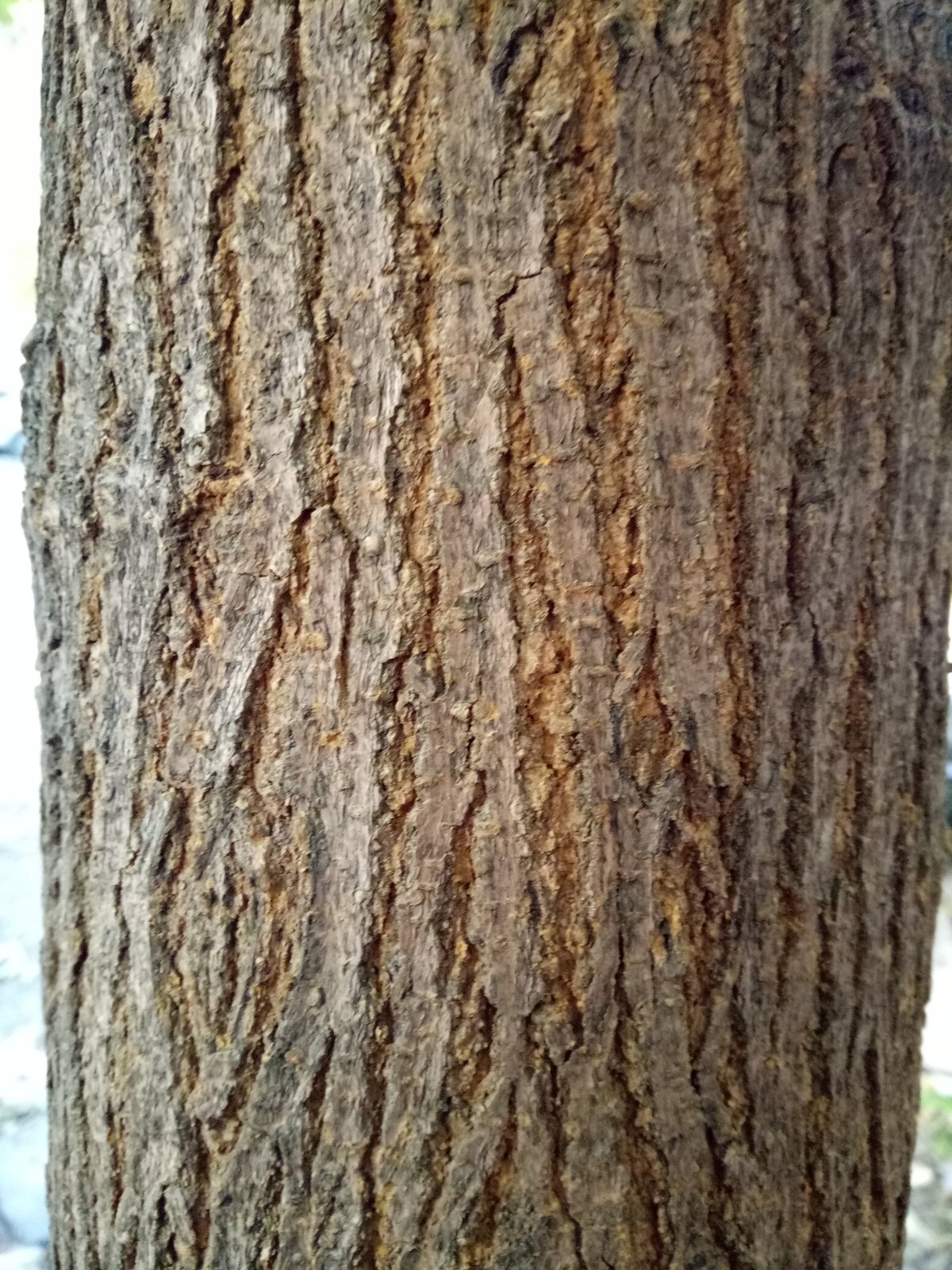
White mulberry is a fast-growing deciduous tree with a broad crown, variable leaves and sweet fruits that may ripen white, pink, purple or nearly black. Gardeners grow it for shade, fruit and leaves used to feed silkworms, but its spreading roots, messy fruit and invasive behaviour make it unsuitable for many gardens.
At a glance
- Sun
- Full sun for good fruiting; tolerates partial shade.
- Water
- Water regularly while establishing; established trees tolerate drought, but fruit better with moisture during dry spells.
- Soil
- Adaptable to clay, loam or sandy soil, including alkaline soil, provided drainage is adequate; avoid persistently waterlogged ground.
- Height
- 30-50 ft (9-15 m)
- Spread
- 30-50 ft (9-15 m)
- Flowers
- Small, inconspicuous greenish catkins in spring.
- Foliage
- Glossy green, toothed leaves, often with both lobed and unlobed leaves on the same tree; usually yellow in autumn.
- Growth
- Fast
- Care needed
- Medium
The year at a glance
- Drought tolerant
- Heat tolerant
- Wildlife
- Edible
| J | F | M | A | M | J | J | A | S | O | N | D | |
|---|---|---|---|---|---|---|---|---|---|---|---|---|
| Flowers | ||||||||||||
| Fruit | ||||||||||||
| Plant |
Northern hemisphere months. In Australia, shift them by six.
- Difficulty
- Moderate
- Toughness
- Very tough
Will it suit your garden?
Pick your zone, country, light and whether you have pets.
Full sun is 6 or more hours of direct sun a day, part shade 3 to 6 hours, shade under 3.
How it grows
Planting day
7 ft (2 m)
After 1 year
9 ft (2.8 m)
After 2 years
12 ft (3.5 m)
After 3 years
14 ft (4.3 m)
After 5 years
19 ft (5.8 m)
About 13 years to full size.
From a typical nursery size, at an average rate for this kind of plant. A rule of thumb, not a forecast.
Good to know
- Cats and dogs
- Mildly toxic: may upset a stomach
- Invasive in
- the US, Canada and Australia
- In the garden
- Spreads vigorously: plan to contain it.
- Growth rate
- Fast
Care
Jobs through the year
- WaterApr, Sep–Oct, every 21 days
- Deep-water established trees only during drought; water young trees more often.
- WaterMay–Aug, every 14 days
- Soak deeply during dry spells, especially while fruit is swelling.
- MulchMar–Apr
- Maintain 5–8 cm of organic mulch, keeping it clear of the trunk.
- PruneNov–Dec
- Prune lightly after leaf fall; avoid late-winter or spring cuts and never top the tree.
- ProtectJun–Aug
- If needed, protect small fruiting trees with tightly secured wildlife-safe netting.
- HarvestJun–Aug
- Pick soft, fully ripe berries and refrigerate promptly; clear fallen fruit.
- Check local invasive-plant advice before planting; use a locally appropriate alternative where white mulberry threatens natural habitats.
- Plant well away from paving, drains and buildings, allowing room for the mature crown and shallow, spreading roots.
- Water deeply during dry spells for the first two growing seasons and while fruit is swelling.
- Apply a 2-3 in (5-8 cm) layer of organic mulch, keeping it clear of the trunk.
- Avoid routine feeding on reasonably fertile soil; excessive nitrogen encourages vigorous shoots rather than fruit.
- For fruit, buy a named fruiting selection rather than a fruitless male tree; check whether it needs a pollination partner.
Pruning. Prune lightly in early winter after leaf fall, removing dead, crossing or poorly attached branches and establishing a sound framework while young. Avoid late-winter and spring pruning, when cuts can bleed heavily, and do not top mature trees.
Harvest
Pick fully coloured, soft fruit in late spring or summer; ripe berries release with a gentle touch, and their final colour depends on the tree. Spread a clean sheet beneath the branches and shake lightly, then refrigerate or process the easily bruised fruit promptly. Grafted fruiting trees often give a worthwhile crop about 3-5 years after planting; seedlings commonly take 5-10 years or longer and may be male.
Through the year
- Autumn
- Check local planting restrictions and invasive status before choosing a tree.
- Late autumn
- Plant while dormant where the soil is workable; in very cold areas, wait until early spring.
- Early winter
- Carry out light structural pruning after leaf fall.
- Spring
- Renew mulch and remove seedlings beneath the tree and nearby bird perches.
- Late spring
- Water during dry weather as fruit develops; arrange bird protection if needed.
- Summer
- Harvest soft fruit frequently and clear fallen berries from paths.
In the garden
- A broad shade tree in a large lawn, away from patios and parking areas where fruit would stain.
- A fruit tree in a spacious orchard or edible landscape where local invasive guidance permits planting.
- A summer canopy over shade-tolerant groundcover, with room for surface roots.
- A traditional specimen in a large country garden, retaining its naturally spreading crown.
Garden styles it suits: Backyard orchard, Edible landscape, Homestead, Traditional, Farmhouse and Chinese scholar garden.
Plant it with: Daffodils, Hardy geraniums, Epimediums, Christmas fern and Chives.
Wildlife: Birds and mammals eat the fruit and spread its seeds. Leaves feed silkworms and some other caterpillars; flowers are wind-pollinated and provide little nectar value. Male trees can produce substantial allergenic pollen.
Problems to watch for
- Birds take ripe fruit: harvest frequently or protect smaller trees with tightly secured wildlife-safe netting; never leave loose netting.
- Leaf spots can cause premature leaf fall: collect fallen leaves, avoid wetting foliage and improve airflow; established trees rarely need treatment.
- Scale insects may weaken shoots: inspect twigs, prune out badly affected small branches and use a labelled horticultural oil when appropriate.
- Weak branch unions can split in storms: develop well-spaced main branches while young and have large structural defects assessed by a qualified arborist.
Safety
Ripe fruit is edible for people and is not known to be toxic to cats, dogs or horses, although large amounts may cause digestive upset. Unripe fruit and milky sap can cause stomach upset, and sap may irritate skin. Leaves are used as livestock fodder and are not generally considered poisonous; animal-specific information on unripe fruit and sap is limited.
Where it spreads. Invasive across much of the eastern and central United States, where birds spread seedlings into woodland edges, fields and disturbed ground; it also hybridizes with and threatens native red mulberry. It is an invasive concern in southern Ontario, Canada, and is recorded as an environmental weed in parts of eastern Australia, including New South Wales and Queensland.
Easily confused with
Red mulberry (Morus rubra)
Usually has larger leaves with a distinctly rough upper surface and softly hairy undersides; white mulberry leaves are generally smoother and glossier. Hybrids can be difficult to identify reliably.
Black mulberry (Morus nigra)
Usually has thick, rough-textured, heart-shaped leaves and richly flavoured dark fruit. Fruit colour alone is not reliable because white mulberry can also bear black fruit.
Paper mulberry (Broussonetia papyrifera)
Has conspicuously hairy, rough leaves with pale, felted undersides and rounded orange-red fruit clusters rather than elongated mulberries.
The name
Morus is the Latin name for mulberry, and alba means white, referring to the pale fruit of some forms.
Propagation. Propagate selected fruiting forms by grafting or suitable cuttings to preserve their characteristics. Seedlings vary in fruit quality and sex, take longer to crop and can spread beyond the garden; do not propagate where the species is invasive.
Checked against open data
- Accepted botanical name
- Morus alba
- In the US and Canada
- Introduced in Canada, Hawaii and the lower 48 states.
- Native range
- China North-Central and China South-Central.
- Measured
- Soil pH 5 to 7. Average height 465 cm.
Sources: GBIF (CC BY 4.0), USDA PLANTS and Trefle (CC BY 4.0). The care and design notes are LandscapeGPT's own.
See it in your own yard.
Upload a photo of your yard and see it redesigned with plants that suit your climate, each checked against your zone.