White rock rose
Cistus × hybridus. Family Cistaceae. Shrub.
Also called White rockrose, Hybrid rock rose, Cistus × corbariensis.
A compact, spreading evergreen shrub with crinkled green leaves and white flowers with yellow centres. Each flower lasts only a day, but fresh flowers open over several weeks. Grow it in a sunny, freely drained spot; it tolerates dry summers once established but dislikes wet winter soil.
At a glance
- Sun
- Full sun; shelter from cold, drying winds.
- Water
- Water regularly during the first growing season, allowing the soil surface to dry between waterings. Once established, water only during prolonged drought.
- Soil
- Well-drained sandy, gravelly or loamy soil, from mildly acidic to alkaline. Avoid waterlogged ground and heavily enriched planting holes.
- Height
- 2-4 ft (0.6-1.2 m)
- Spread
- 4-6 ft (1.2-1.8 m)
- Flowers
- Late spring to early summer; white flowers with yellow centres, opening from pink-tinged buds.
- Foliage
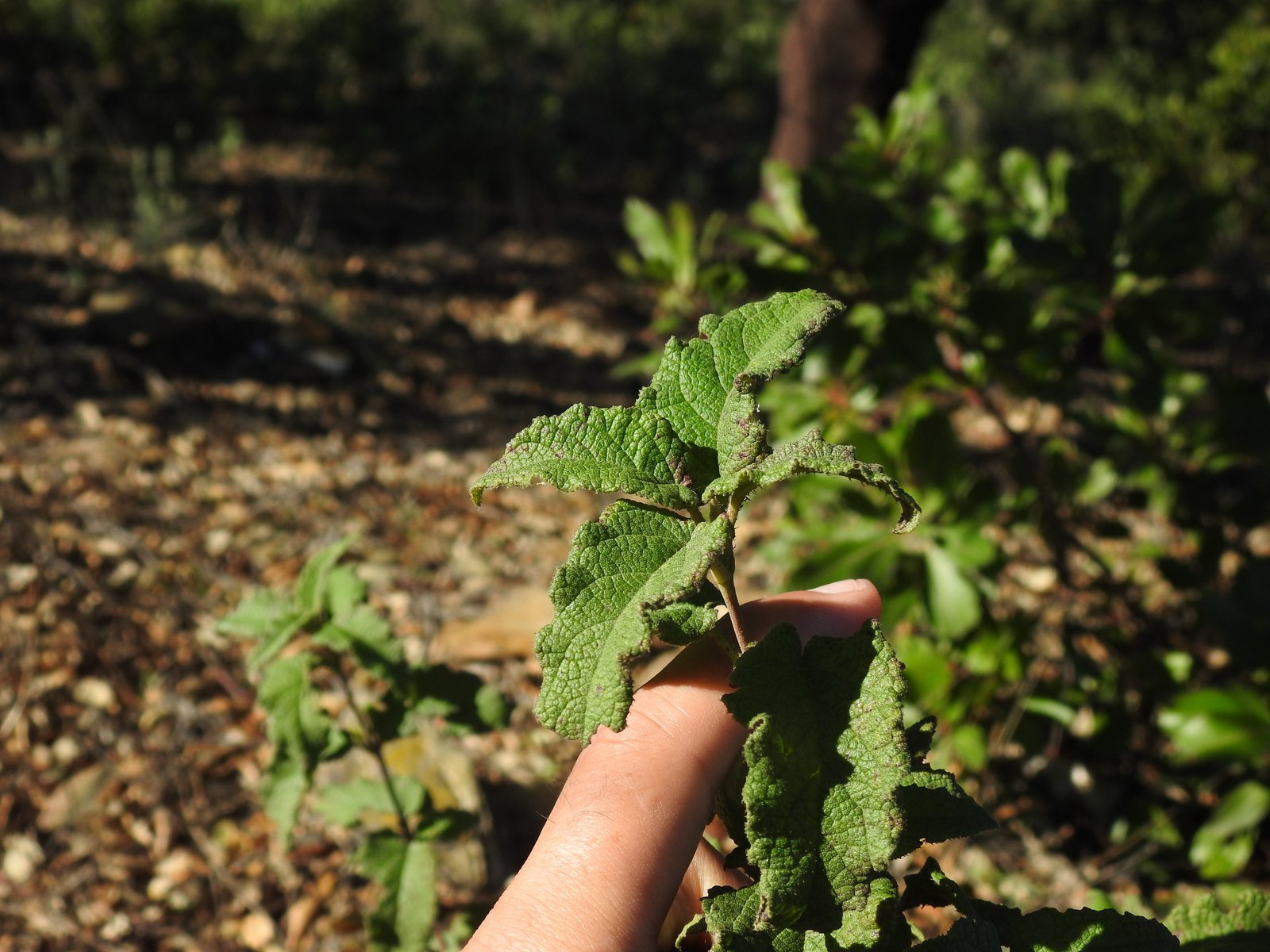
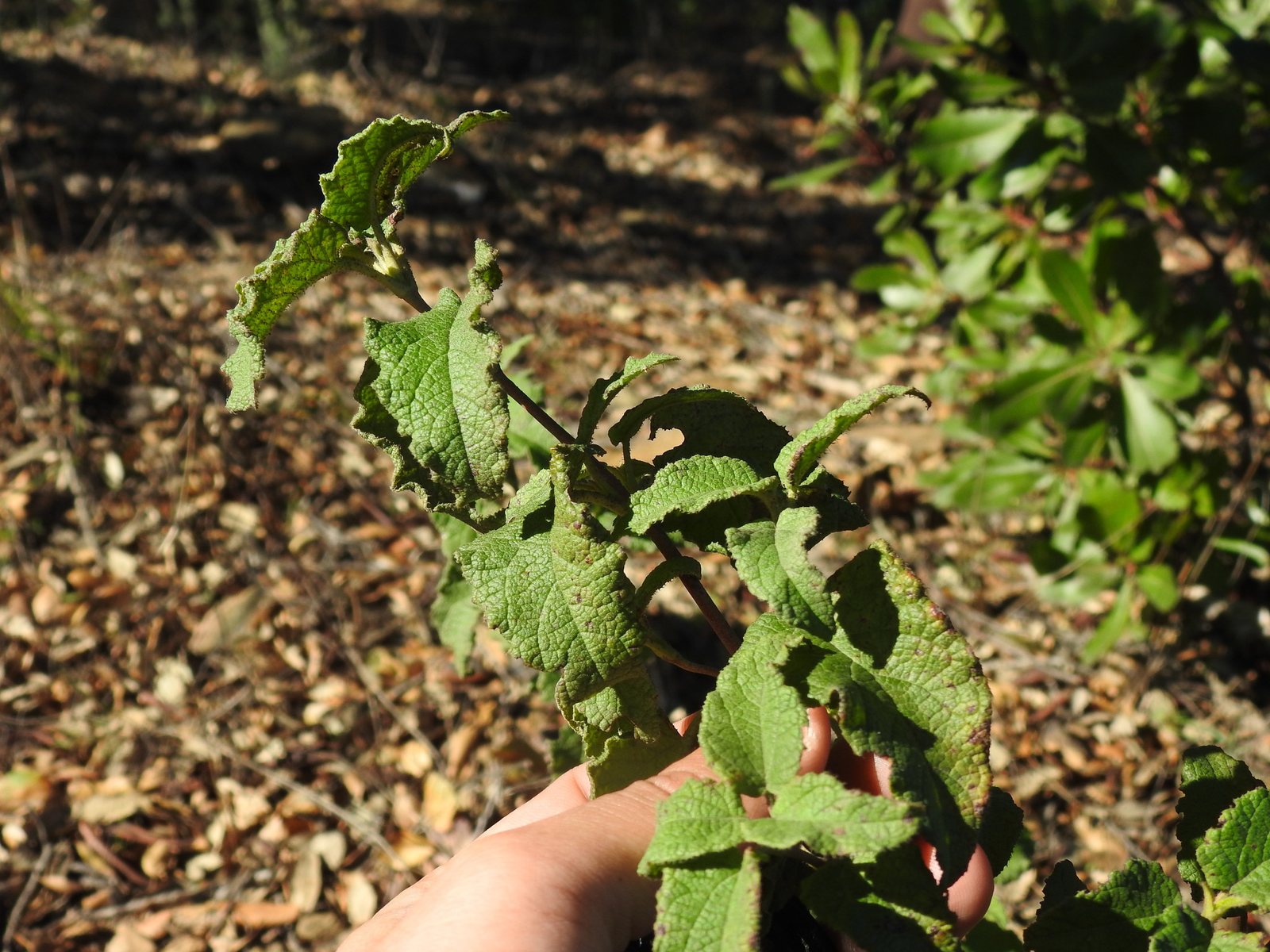
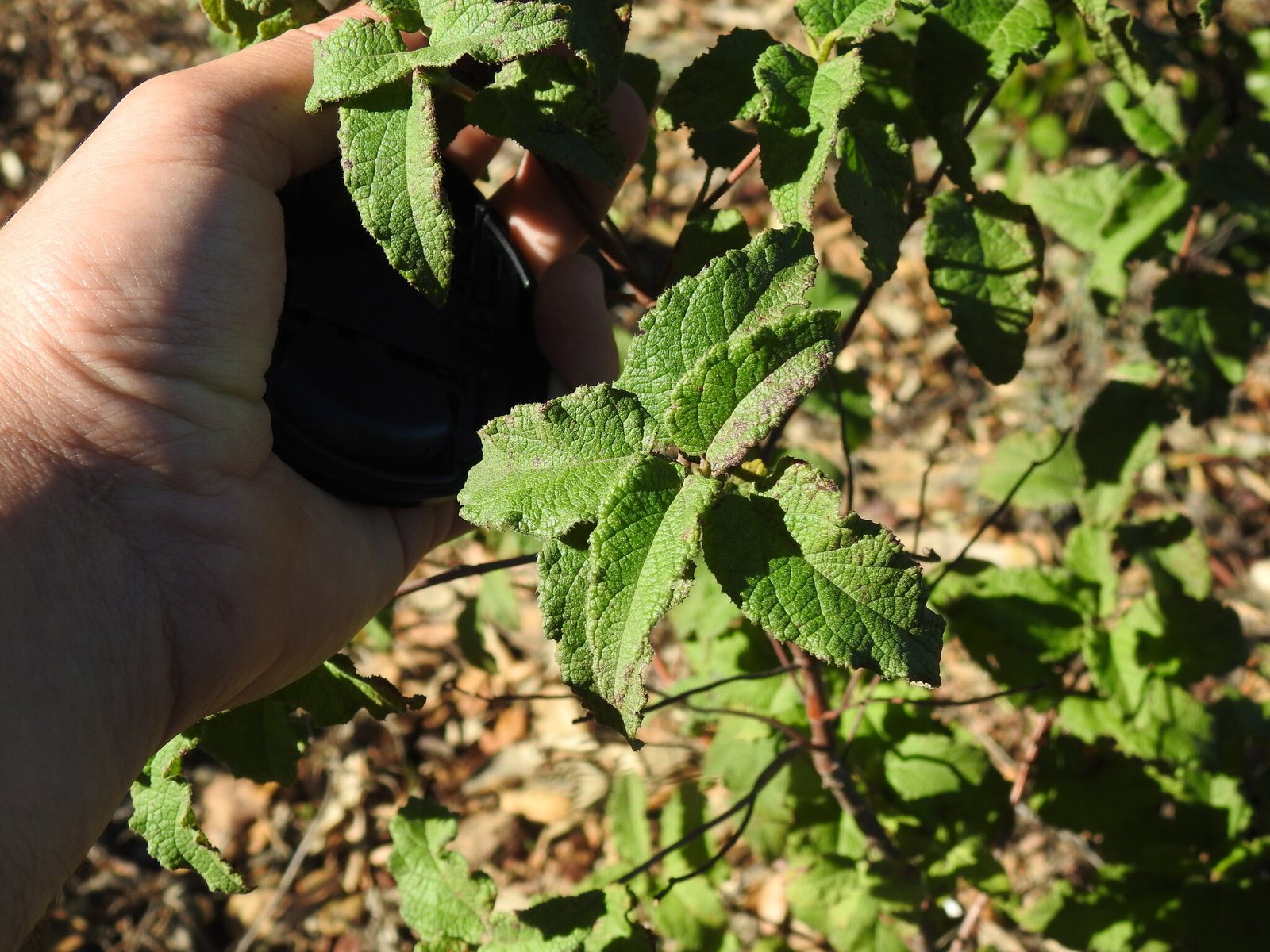
- Evergreen. Small, opposite, oval green leaves with a wrinkled surface and slightly wavy edges; aromatic when handled.
- Growth
- Moderate
- Care needed
- Low
The year at a glance
- Pollinators
- Deer resistant
- Drought tolerant
- Heat tolerant
- Low allergen
| J | F | M | A | M | J | J | A | S | O | N | D | |
|---|---|---|---|---|---|---|---|---|---|---|---|---|
| Flowers | ||||||||||||
| Plant |
Northern hemisphere months. In Australia, shift them by six.
- Difficulty
- Moderate
- Toughness
- Needs looking after
Will it suit your garden?
Pick your zone, country, light and whether you have pets.
Full sun is 6 or more hours of direct sun a day, part shade 3 to 6 hours, shade under 3.
How it grows
Planting day
1.6 ft (0.5 m)
After 1 year
1.9 ft (0.58 m)
After 2 years
2.2 ft (0.66 m)
After 3 years
2.4 ft (0.74 m)
After 5 years
3 ft (0.9 m)
full size
About 5 years to full size.
From a typical nursery size, at an average rate for this kind of plant. A rule of thumb, not a forecast.
Good to know
- Cats and dogs
- Safe
- Growth rate
- Moderate
Care
Jobs through the year
- WaterMay, Sep, every 21 days
- Water established plants only during prolonged drought; water first-year plants more often as soil dries.
- WaterJun–Aug, every 21 days
- Deep-water established plants only in prolonged drought, allowing soil to dry between soakings.
- MulchApr–May
- Apply a thin gravel mulch if needed, keeping stems clear.
- PruneJul
- Lightly trim leafy shoot tips after flowering; never cut into bare old wood.
- ProtectJan–Mar, Oct–Dec
- Not reliably hardy in zones 6–7; overwinter containers in bright frost-free shelter and keep roots well drained.
- PruneApr–May
- Once new growth reveals surviving wood, remove frost-killed tips without cutting back healthy bare stems.
- Plant in spring in cooler climates so roots establish before winter.
- Water deeply during establishment, then reduce watering as the shrub settles in.
- Use a thin gravel mulch and keep it clear of the stems.
- Avoid routine feeding; rich soil and excess fertiliser encourage soft growth.
- Keep lawn irrigation away from established plants, especially in summer.
Pruning. Lightly trim leafy shoots just after flowering to keep the shrub compact. Do not cut back into bare old wood, as it often fails to regrow.
Through the year
- Spring
- Plant in freely drained soil once severe frost has passed; water thoroughly.
- Late spring
- Check newly planted shrubs during dry weather and water deeply when needed.
- Early summer
- After flowering, lightly trim leafy shoot tips without cutting into bare wood.
- Summer
- Take semi-ripe cuttings from healthy, non-flowering shoots.
- Autumn
- Clear fallen leaves from around the crown and check that water drains away freely.
- Winter
- Check for waterlogging and frost damage; leave damaged shoots until spring before assessing what to remove.
In the garden
- Plant in a gravel garden with lavender and rosemary for contrasting foliage and successive flowers.
- Use as a low, informal evergreen mass along a sunny path, allowing room for its spreading branches.
- Plant on a sunny, well-drained bank where its broad shape softens the slope.
- Combine with silver-leaved shrubs in a white garden for a restrained green, silver and white palette.
Garden styles it suits: Mediterranean, Dry gravel garden, Coastal, Low-maintenance, White garden and Desert / xeriscape.
Plant it with: English lavender, Rosemary, Cotton lavender, Creeping thyme and Blue fescue.
Wildlife: The pollen-rich flowers attract bees and other flower-visiting insects.
Problems to watch for
- Root rot in wet soil: improve drainage before planting, avoid frequent irrigation and replace badly affected plants.
- Frost and cold-wind damage: choose a sheltered site and remove dead tips in spring once new growth shows.
- Leggy growth or bare centres: trim lightly after flowering each year; replace old shrubs rather than pruning hard.
- Yellowing and weak growth in poorly drained soil: check drainage before adding fertiliser.
Safety
Not known to be toxic to people, cats, dogs or horses. No part is generally recognised as poisonous, but it is not a food plant and eating plant material may cause stomach upset.
Easily confused with
Sage-leaved rock rose (Cistus salviifolius)
Also has white flowers, but its foliage is generally greyer and more noticeably hairy than the greener leaves of white rock rose.
Gum rock rose (Cistus ladanifer)
Usually taller, with long, narrow, sticky leaves and much larger white flowers, often marked with dark maroon blotches.
Common rock rose (Helianthemum nummularium)
A much lower, mat-forming plant with smaller leaves and flowers; wild forms usually flower yellow.
The name
Cistus comes from the ancient Greek name for rock roses, and hybridus indicates that the plant is a hybrid.
Propagation. Take semi-ripe cuttings in summer and root them in a gritty, freely draining medium. Cuttings preserve the hybrid's characteristics; seedlings may differ from the parent.
Checked against open data
- Accepted botanical name
- Cistus hybridus
Sources: GBIF (CC BY 4.0). The care and design notes are LandscapeGPT's own.
See it in your own yard.
Upload a photo of your yard and see it redesigned with plants that suit your climate, each checked against your zone.