Whitecurrant
Ribes rubrum 'White Versailles'. Family Grossulariaceae. Shrub.
Also called White Versailles currant, Versailles Blanche, White-fruited redcurrant.
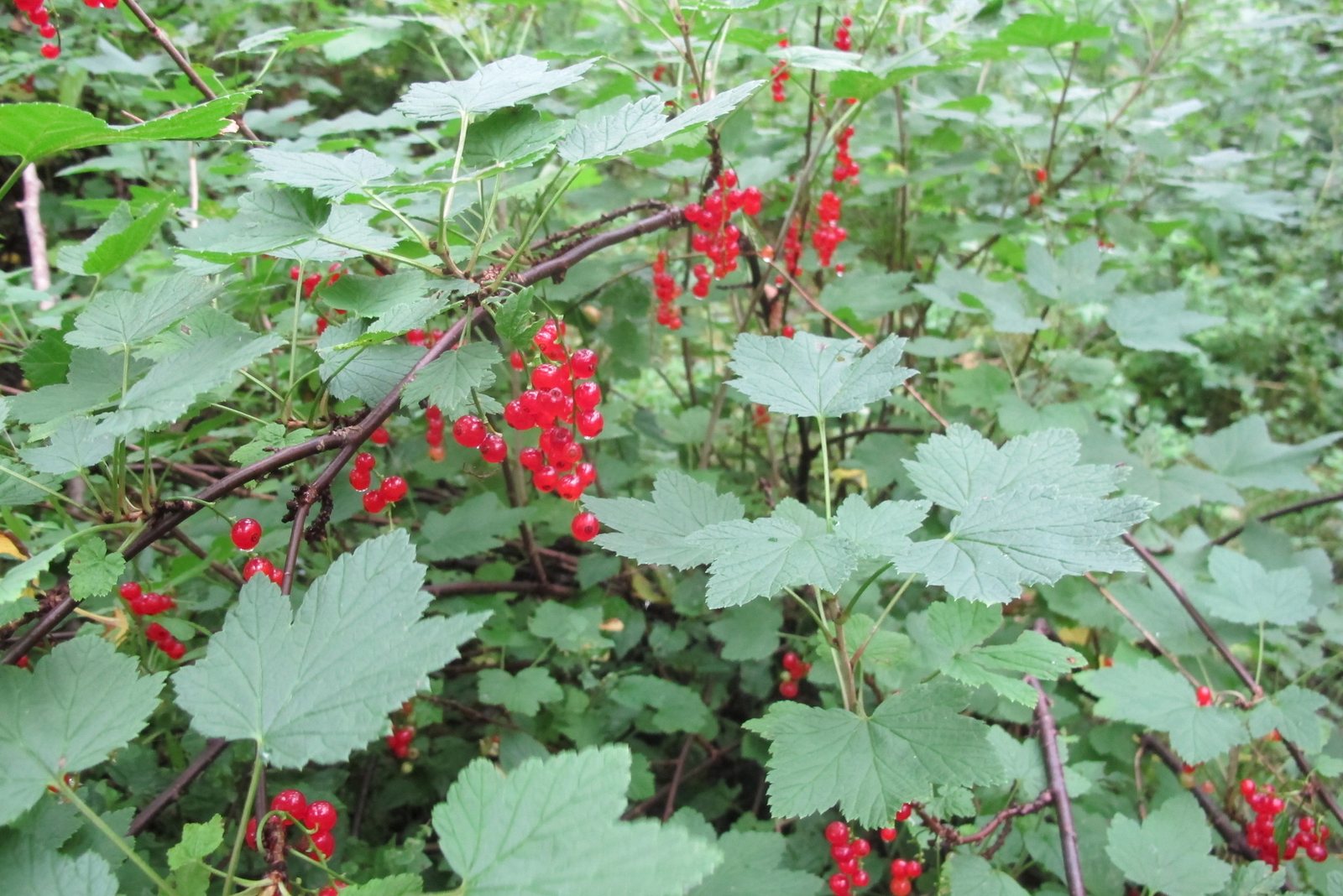
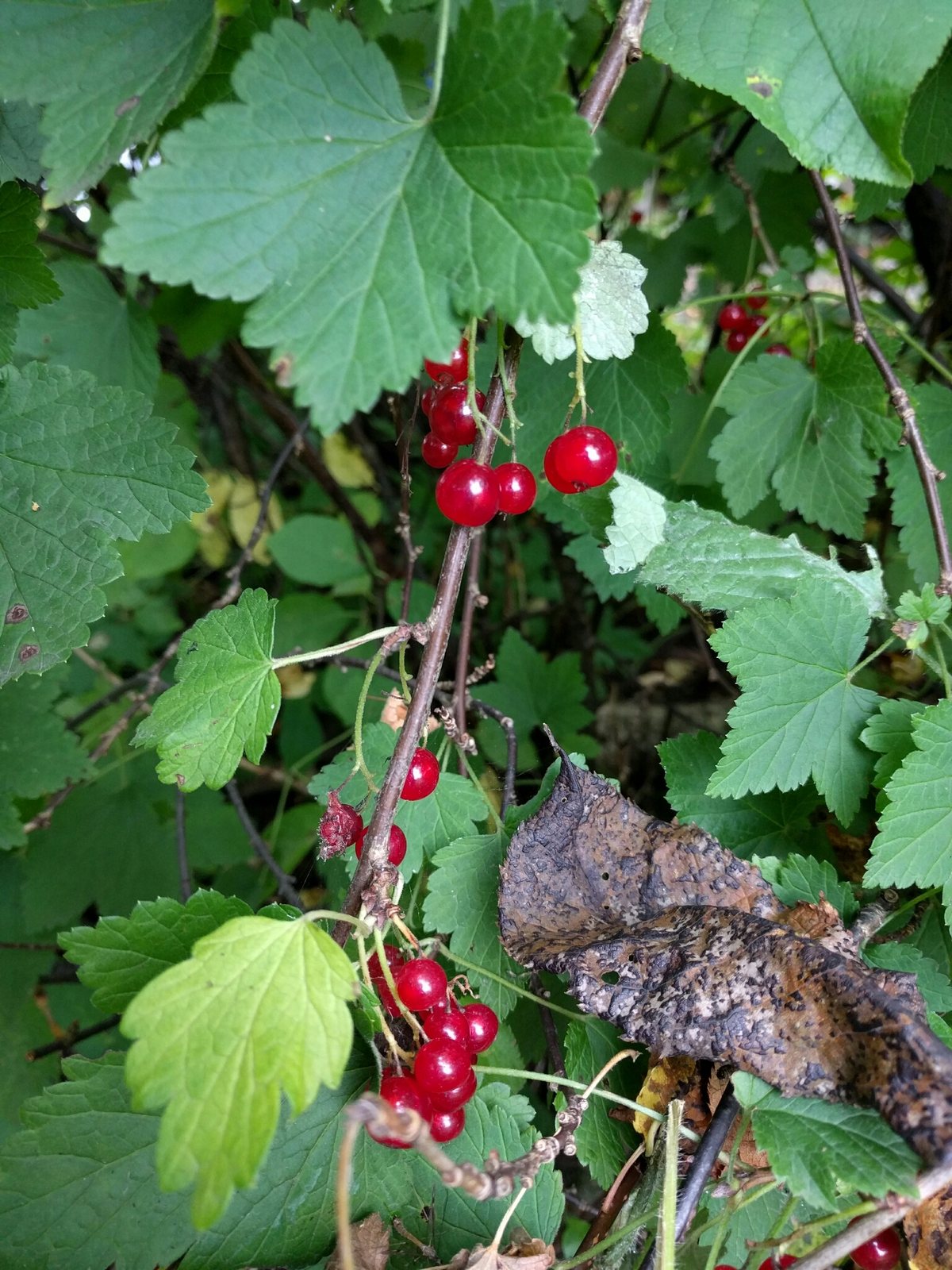
Whitecurrant 'White Versailles' is a deciduous fruit bush grown for hanging clusters of translucent, creamy-white berries, usually milder and sweeter than redcurrants. It suits cool-temperate gardens and can be grown as a free-standing bush or trained against wires; hot summers and insufficient winter chill can reduce cropping.
At a glance
- Sun
- Full sun in cool climates; light afternoon shade where summers are warmer. Deep shade reduces fruit production.
- Water
- Keep the root zone evenly moist, especially during flowering and fruit swelling; avoid waterlogged soil.
- Soil
- Fertile, moisture-retentive but well-drained loam, preferably slightly acidic to neutral. Improve sandy or heavy soils with organic matter.
- Height
- 4-5 ft (1.2-1.5 m)
- Spread
- 4-5 ft (1.2-1.5 m)
- Flowers
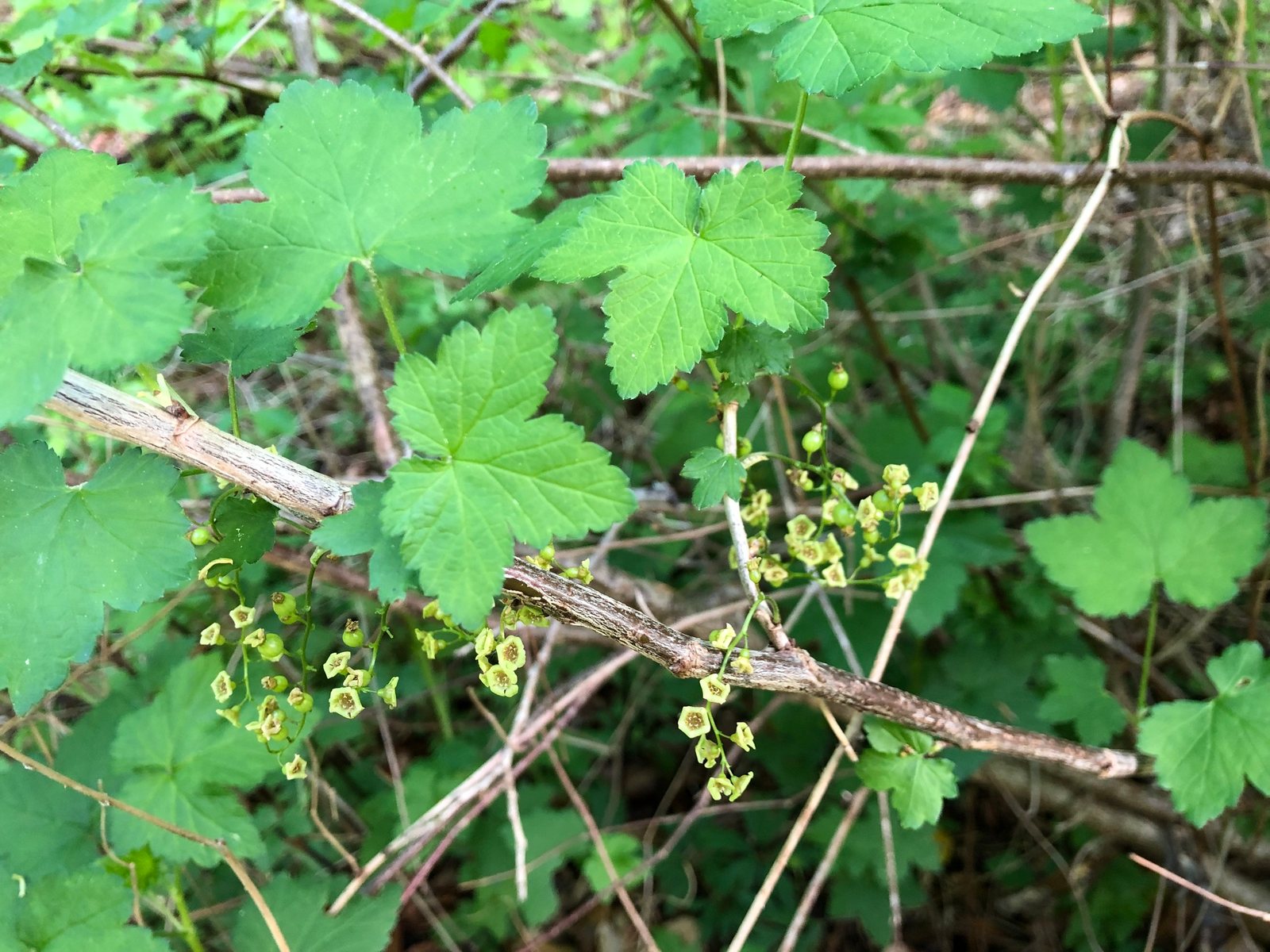
- Small, pale green flowers in hanging clusters in spring.
- Foliage
- Medium-green, lobed leaves with toothed edges; leaves fall in autumn.
- Growth
- Moderate
- Care needed
- Medium
The year at a glance
- Pollinators
- Cold hardy
- Wildlife
- Low allergen
- Edible
| J | F | M | A | M | J | J | A | S | O | N | D | |
|---|---|---|---|---|---|---|---|---|---|---|---|---|
| Flowers | ||||||||||||
| Fruit | ||||||||||||
| Plant |
Northern hemisphere months. In Australia, shift them by six.
- Difficulty
- Easy
- Toughness
- Fairly tough
Will it suit your garden?
Pick your zone, country, light and whether you have pets.
Full sun is 6 or more hours of direct sun a day, part shade 3 to 6 hours, shade under 3.
How it grows
Planting day
1.6 ft (0.5 m)
After 1 year
2.2 ft (0.67 m)
After 2 years
2.8 ft (0.84 m)
After 3 years
3 ft (1 m)
After 5 years
4 ft (1.4 m)
full size
About 5 years to full size.
From a typical nursery size, at an average rate for this kind of plant. A rule of thumb, not a forecast.
Good to know
- Cats and dogs
- Safe
- Native to
- the UK
- Growth rate
- Moderate
Care
Jobs through the year
- WaterApr, Aug–Oct, every 14 days
- Water established bushes deeply during dry spells; young plants need more frequent watering.
- WaterMay–Jul, every 7 days
- Water as needed after rainfall to keep roots evenly moist while fruit swells.
- FeedMar
- Apply a balanced fruit fertiliser at the labelled rate; avoid excess nitrogen.
- MulchMar–Apr
- Apply 5-8 cm of compost or well-rotted organic matter, clear of stems.
- PruneJan–Feb
- Remove crowded and ageing wood, retain fruiting spurs and shorten established side shoots to 2-3 buds.
- ProtectApr–May
- Cover open flowers during sharp frosts and uncover by day.
- ProtectJun–Jul
- If birds take fruit, fit taut wildlife-safe netting and check it daily.
- HarvestJun–Jul
- Pick whole clusters when berries are creamy-white, translucent, slightly soft and sweet.
- Water deeply during dry spells, particularly while berries are swelling.
- Apply a balanced fruit fertiliser in early spring at the labelled rate; avoid excessive nitrogen.
- Mulch annually with 2-3 in (5-8 cm) of compost or well-rotted organic matter, keeping it clear of the stems.
- Weed by hand near the bush to avoid damaging its shallow roots.
- If birds take the crop, use a securely enclosed fruit cage or taut wildlife-safe netting and check it daily.
- Before buying in the United States, check local restrictions on planting Ribes because of white pine blister rust.
Pruning. In winter, remove dead, crossing and crowded stems and gradually replace the oldest branches with strong young shoots, keeping an open framework. Fruit forms mainly on short spurs on older wood, so retain productive branches and shorten established side shoots to two or three buds rather than cutting the whole bush down.
Harvest
Pick whole clusters in early to midsummer when the berries are translucent creamy-white, slightly soft and pleasantly sweet; taste a few rather than relying on colour alone. Snip or gently detach the clusters without crushing the berries. Expect the first worthwhile crop about 2-3 years after planting, with heavier crops as the bush establishes.
Through the year
- Late autumn
- Plant dormant bushes in workable, unfrozen soil; in very cold climates, wait until early spring.
- Winter
- Prune dormant bushes, retaining fruiting spurs and removing crowded or ageing wood.
- Early spring
- Feed, weed and renew the organic mulch.
- Spring
- Check young leaves for aphids and sawfly larvae; protect open flowers with fleece if a sharp frost is forecast.
- Early summer
- Water during dry weather and protect ripening clusters from birds if necessary.
- Midsummer
- Harvest ripe clusters and taste berries regularly to judge sweetness.
- Autumn
- Take hardwood cuttings after leaf fall and remove diseased fallen leaves.
In the garden
- Plant in a kitchen garden with other currants and culinary herbs for an accessible summer harvest.
- Train as a cordon or fan on wires along a sunny boundary to save space and make picking easier.
- Use as a low, informal fruiting row along an allotment or vegetable plot.
- Include in a mixed edible border with strawberries and chives, leaving room around the bush for picking and pruning.
Garden styles it suits: Potager (kitchen garden), Cottage garden, Edible landscape, Homestead, Traditional and Food forest.
Plant it with: Strawberries, Chives, Thyme, Calendula, Gooseberries and Redcurrants.
Wildlife: Spring flowers provide nectar and pollen for insects. Birds eat the berries, although pale fruit may attract less attention than redcurrants; the branching growth also offers small birds cover.
Problems to watch for
- Currant sawfly: larvae can strip leaves quickly; inspect the undersides and centre of the bush from spring onward and remove larvae promptly.
- Currant blister aphid: puckered red or yellow leaf patches are usually cosmetic; tolerate light attacks and encourage ladybirds and other predators.
- Leaf spot: remove infected fallen leaves, thin crowded growth and water the soil rather than wetting the foliage.
- Poor fruit set: late frost, drought or inadequate winter chill can reduce crops; choose a cool site away from frost pockets, protect flowers when practical and maintain even moisture.
Safety
Not known to be toxic to people, cats, dogs or horses. The ripe berries are edible; leaves and stems are not normally eaten and should not be offered as animal forage. Large quantities of fruit may cause digestive upset. These currants are unrelated to dried grape currants, which are toxic to dogs.
Easily confused with
Redcurrant (Ribes rubrum)
The bush and leaves are very similar, but redcurrant cultivars ripen red rather than creamy-white.
Blackcurrant (Ribes nigrum)
Crushed leaves have a strong blackcurrant scent, and ripe berries are black rather than translucent white.
Gooseberry (Ribes uva-crispa)
Usually has spiny stems and larger berries borne singly or in small groups, rather than long hanging clusters.
The name
Whitecurrant refers to the pale berries, while the botanical epithet rubrum means red, reflecting its place among the redcurrants.
Propagation. Take hardwood cuttings from healthy, mature shoots after leaf fall and root them outdoors in well-drained soil. Layering low branches also works. Use vegetative propagation to retain the cultivar; seedlings will not reliably come true.
Checked against open data
- Accepted botanical name
- Ribes rubrum
- In the US and Canada
- Introduced in Canada and the lower 48 states.
- Native range
- Belgium, France, Germany, Great Britain, Netherlands and Spain.
- Measured
- Soil pH 6.5 to 7. Average height 126 cm.
Sources: GBIF (CC BY 4.0), USDA PLANTS and Trefle (CC BY 4.0). The care and design notes are LandscapeGPT's own.
See it in your own yard.
Upload a photo of your yard and see it redesigned with plants that suit your climate, each checked against your zone.