Willow oak
Quercus phellos. Family Fagaceae. Tree.
Willow oak is a large deciduous oak from the eastern and southeastern United States, grown for its narrow, willow-like leaves and broad shade canopy. It suits spacious lawns and parkland, especially where summers are warm and the soil stays reasonably moist. Allow room for its mature crown and roots; it is not a small-garden tree.
At a glance
- Sun
- Full sun; young trees tolerate light shade, but develop a better crown in an open position.
- Water
- Moderate; keep young trees evenly moist. Established trees tolerate some drought and brief flooding, but grow best with reliable moisture.
- Soil
- Deep, acidic, moist but well-drained soil. Tolerates clay and occasional wet conditions; strongly alkaline soil can cause yellow leaves.
- Height
- 40-75 ft (12-23 m)
- Spread
- 30-50 ft (9-15 m)
- Flowers
- Spring: yellow-green male catkins and tiny, inconspicuous female flowers.
- Foliage
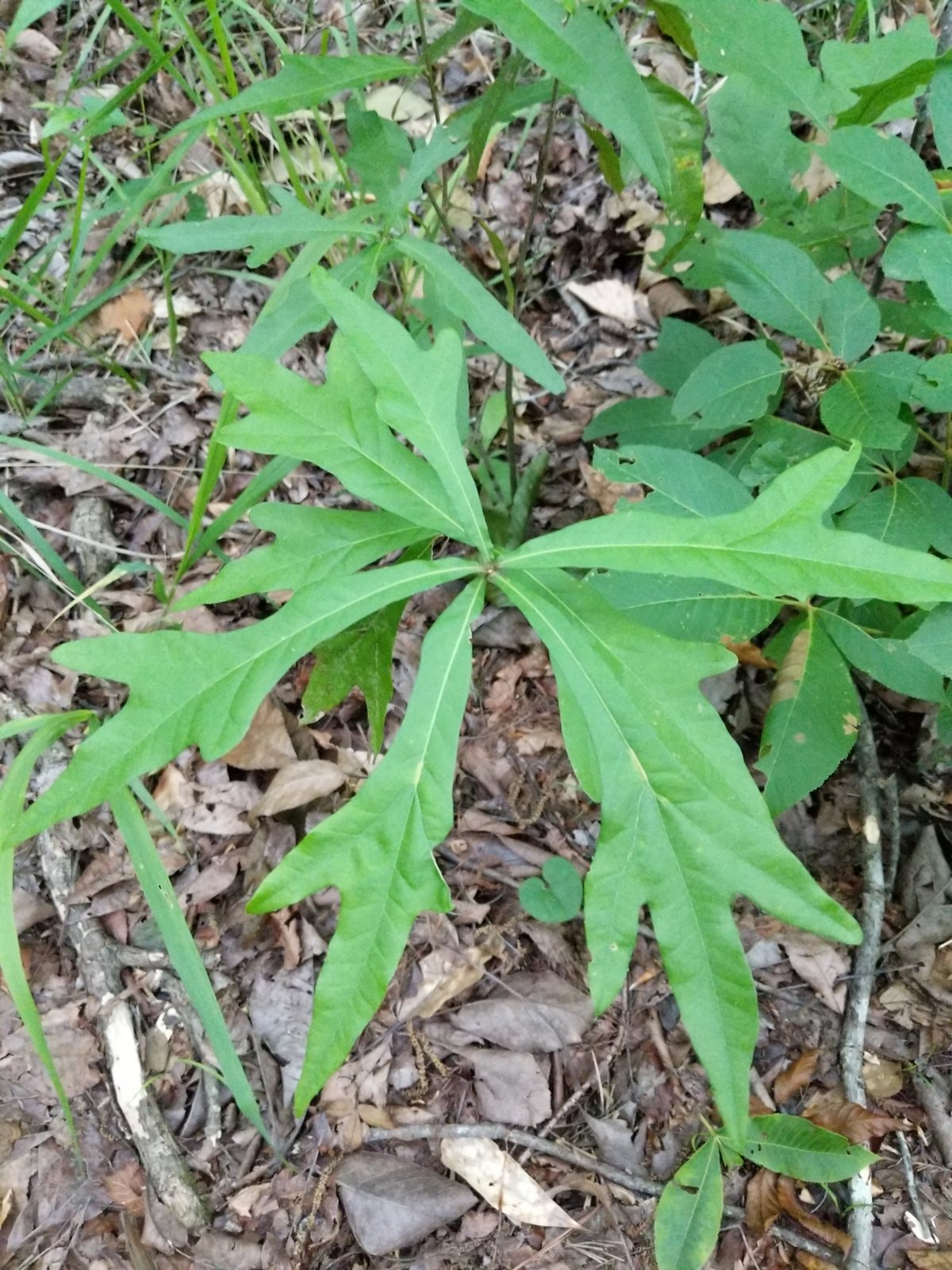
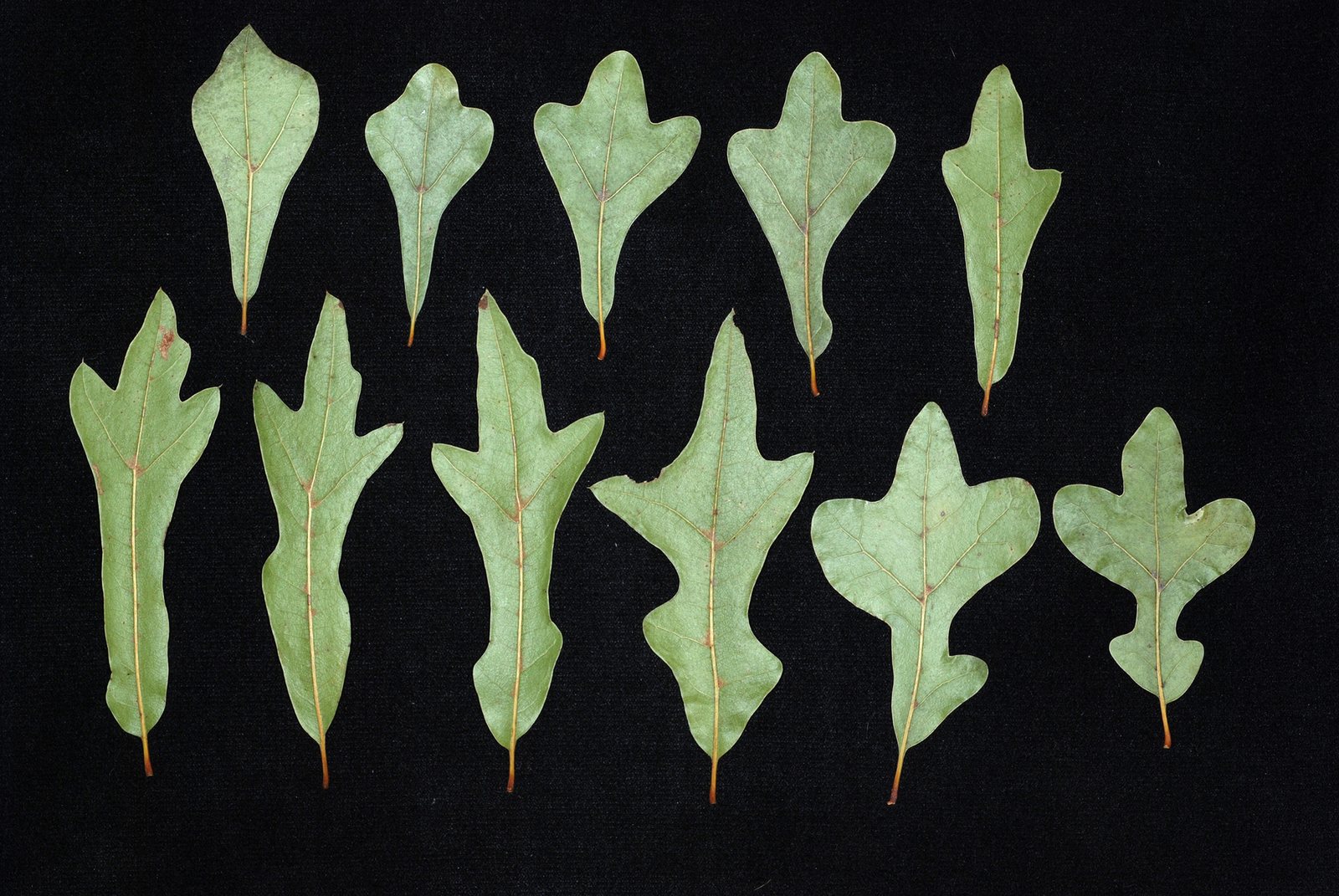
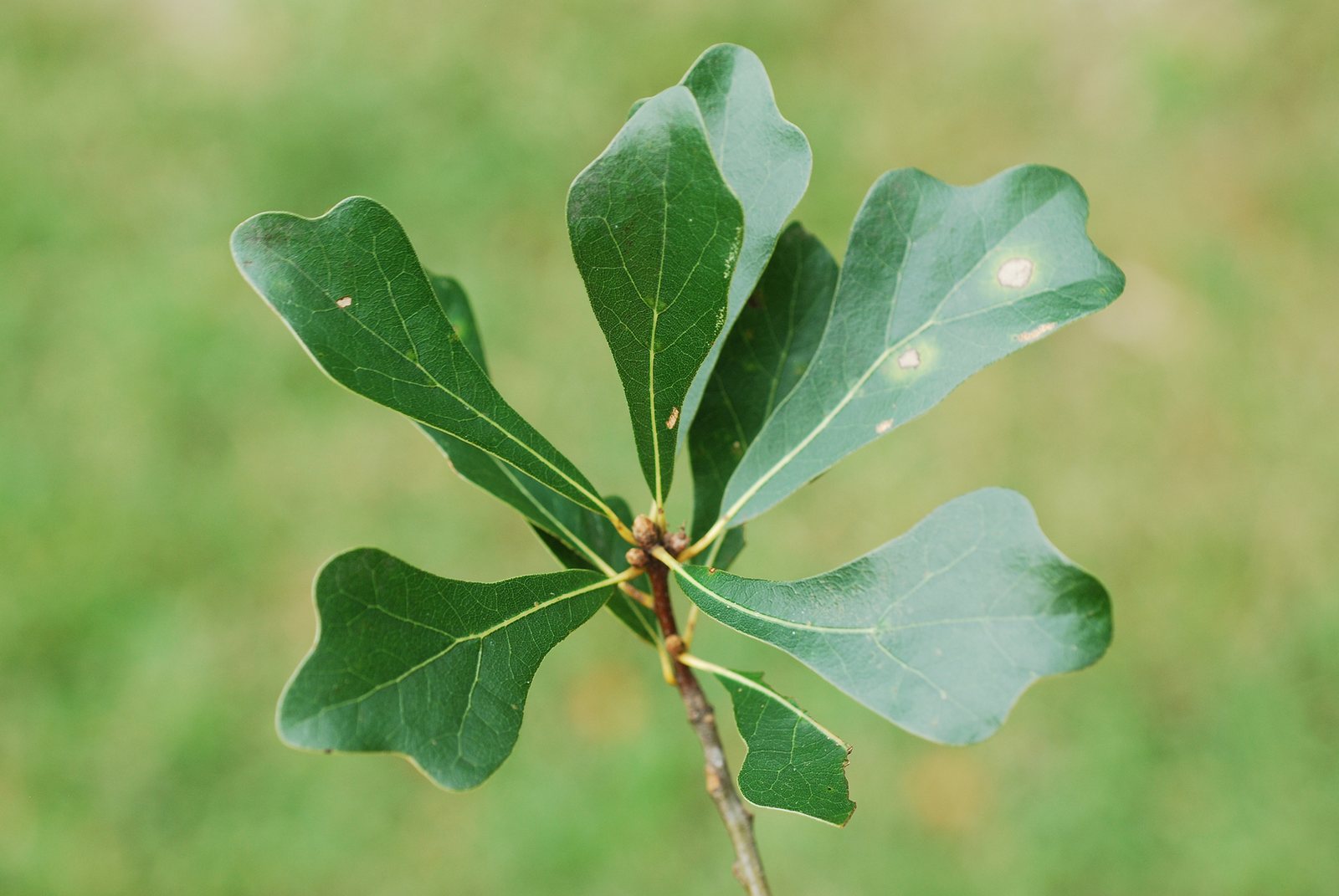
- Slender, alternate leaves with smooth edges and a tiny bristle at the tip. Green in summer, becoming yellow to russet-brown in autumn; colour varies with climate and growing conditions.
- Growth
- Moderate to fast in warm summers with adequate moisture; slower in cool climates.
- Care needed
- Low
The year at a glance
- Drought tolerant
- Heat tolerant
- Wildlife
| J | F | M | A | M | J | J | A | S | O | N | D | |
|---|---|---|---|---|---|---|---|---|---|---|---|---|
| Flowers | ||||||||||||
| Fruit | ||||||||||||
| Plant |
Northern hemisphere months. In Australia, shift them by six.
- Difficulty
- Easy
- Toughness
- Very tough
Will it suit your garden?
Pick your zone, country, light and whether you have pets.
Full sun is 6 or more hours of direct sun a day, part shade 3 to 6 hours, shade under 3.
How it grows
Planting day
7 ft (2.1 m)
After 1 year
9 ft (2.9 m)
After 2 years
12 ft (3.6 m)
After 3 years
14 ft (4.4 m)
After 5 years
20 ft (5.9 m)
About 20 years to full size.
From a typical nursery size, at an average rate for this kind of plant. A rule of thumb, not a forecast.
Good to know
- Cats and dogs
- Toxic
- Native to
- the US
- Growth rate
- Moderate
Care
Jobs through the year
- WaterApr–May, Sep–Oct, every 14 days
- Water established trees deeply when soil is dry; keep young trees evenly moist for the first two to three years.
- WaterJun–Aug, every 10 days
- Soak the root zone during dry spells; omit watering when rainfall maintains moisture.
- MulchMar–Apr
- Maintain 5–8 cm of organic mulch over the root area, keeping the trunk clear.
- PruneJan–Feb, Dec
- Prune young trees only as needed for a sound framework; follow local oak-wilt restrictions.
- Plant with the root flare at soil level, well away from buildings, paving and overhead wires.
- Water deeply during dry spells for the first two or three growing seasons, moistening the root ball and surrounding soil.
- Spread mulch 2-3 in (5-8 cm) deep over the root area, keeping it clear of the trunk.
- Do not feed routinely; use a soil test before treating poor growth or yellow foliage.
- Stake only if the root ball moves in wind, and remove supports after the tree is securely rooted.
Pruning. Prune young trees during winter dormancy to establish one main leader and remove crossing or weakly attached branches; do not top the tree. Where oak wilt occurs, follow local pruning restrictions and avoid unnecessary cuts during the growing season.
Through the year
- Autumn
- Plant while the soil is workable, or wait until spring in colder regions.
- Winter
- Check young trees for competing leaders and arrange any necessary structural pruning.
- Early spring
- Refresh mulch without piling it against the trunk, and check that ties are not rubbing.
- Late spring
- Check new leaves for persistent yellowing; test soil pH before applying treatments.
- Summer
- Water young trees deeply during dry weather and inspect the canopy for unusual wilting or branch dieback.
- Late autumn
- Clear acorns from paths and keep fallen acorns and leaves out of horse paddocks.
In the garden
- Use as a specimen shade tree in a large lawn, leaving enough open ground for its spreading crown.
- Plant in broad avenues or estate landscapes where there is ample rooting space.
- Combine with smaller native flowering trees and woodland groundcovers along a spacious woodland edge.
- Use on the upper margins of rain gardens or seasonally damp ground, rather than in permanently flooded soil.
Garden styles it suits: Southern, Grand estate, Traditional, Woodland, Wildlife garden and Autumn colour.
Plant it with: Eastern redbud, Flowering dogwood, American beautyberry, Christmas fern, Woodland phlox and Pennsylvania sedge.
Wildlife: Acorns feed squirrels, jays, deer and other wildlife, and mature trees provide nesting and shelter. The foliage supports many moth and butterfly caterpillars. Acorns mature in their second autumn.
Problems to watch for
- Yellow leaves with greener veins can indicate iron chlorosis in alkaline soil. Test the soil; avoid planting here if pH is persistently high, and seek advice before using iron treatments.
- Oak wilt can cause rapid wilting and death where the disease occurs. Avoid pruning during locally restricted periods and contact an arborist promptly if symptoms appear.
- Bacterial leaf scorch causes recurring brown leaf margins, often worsening over several years. There is no cure; confirm the diagnosis and reduce drought stress with deep watering and mulch.
- Scale insects can cause sticky honeydew and weakened growth. Encourage natural predators; have a significant infestation identified before using a correctly timed horticultural oil treatment.
Safety
Acorns, young leaves and buds contain tannins and can poison dogs, cats and horses if eaten in sufficient quantities; horses are particularly at risk where oak material is readily available. Poisoning can seriously damage the digestive tract and kidneys. Raw acorns are not suitable for people to eat; keep children from chewing them and seek medical or veterinary advice after significant ingestion.
Easily confused with
Laurel oak (Quercus laurifolia)
Usually has broader, more leathery leaves and may retain foliage through winter in warm climates; willow oak has distinctly slender leaves and is deciduous.
Shingle oak (Quercus imbricaria)
Its unlobed leaves are much broader and have softly hairy undersides; willow oak leaves are narrow and largely hairless when mature.
Water oak (Quercus nigra)
Leaves are usually narrow at the base and noticeably wider near the tip, sometimes with shallow lobes; willow oak leaves remain slender along their length.
The name
The common name refers to the narrow leaves, which resemble those of a willow rather than the lobed leaves of many familiar oaks.
Propagation. Grow from ripe acorns collected in autumn. Keep them moist, give them a cold, moist winter period, and sow in deep pots protected from rodents; do not let the acorns dry out. Plant seedlings out while young because they develop substantial roots early.
Checked against open data
- Accepted botanical name
- Quercus phellos
- In the US and Canada
- Native in the lower 48 states.
- Native range
- Alabama, Arkansas, Delaware, District of Columbia, Florida, Georgia, Illinois, Kentucky, Louisiana, Maryland, Mississippi and Missouri.
- Measured
- Soil pH 4.5 to 6.5. Average height 2160 cm.
Sources: GBIF (CC BY 4.0), USDA PLANTS and Trefle (CC BY 4.0). The care and design notes are LandscapeGPT's own.
See it in your own yard.
Upload a photo of your yard and see it redesigned with plants that suit your climate, each checked against your zone.