Wine & Roses weigela
Weigela florida 'Alexandra'. Family Caprifoliaceae. Shrub.
Also called Weigela florida 'Alexandra', Alexandra weigela.
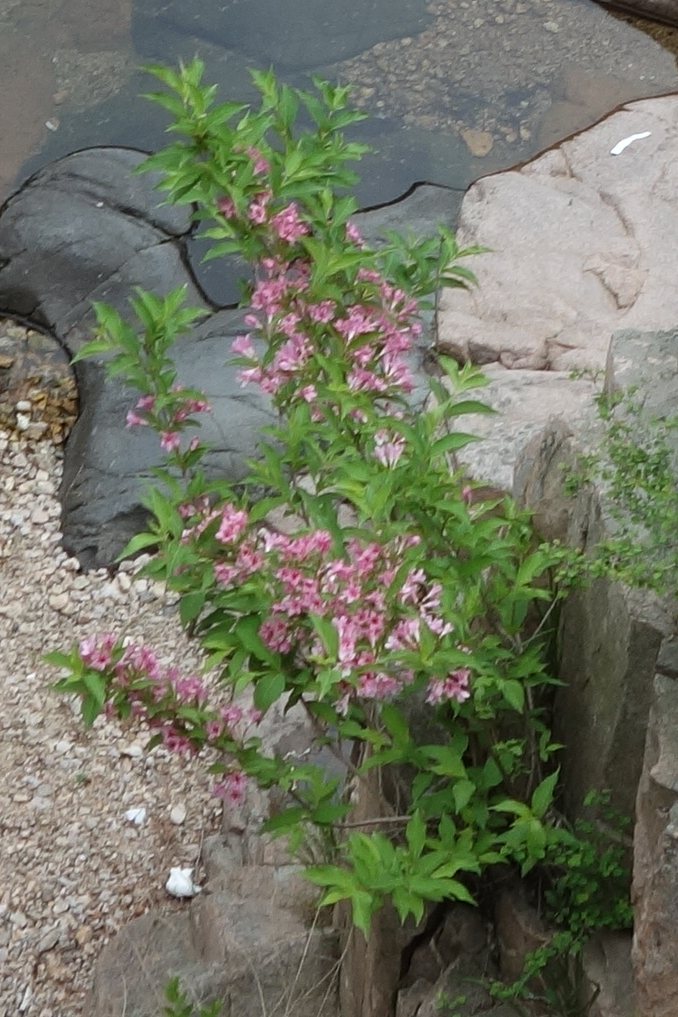
A deciduous shrub grown for dark burgundy-purple leaves and deep pink, trumpet-shaped flowers in late spring. Its rounded, slightly arching habit works well in mixed borders and informal hedges, with foliage providing contrast after flowering ends.
At a glance
- Sun
- Full sun gives the darkest foliage and most flowers; tolerates partial shade, but leaves become greener and flowering decreases.
- Water
- Water regularly during establishment. Once established, water deeply during prolonged dry spells; avoid persistently wet soil.
- Soil
- Average, well-drained soil with moderate fertility; tolerates clay if drainage is adequate and a broad range of soil pH.
- Height
- 4-5 ft (1.2-1.5 m)
- Spread
- 4-5 ft (1.2-1.5 m)
- Flowers
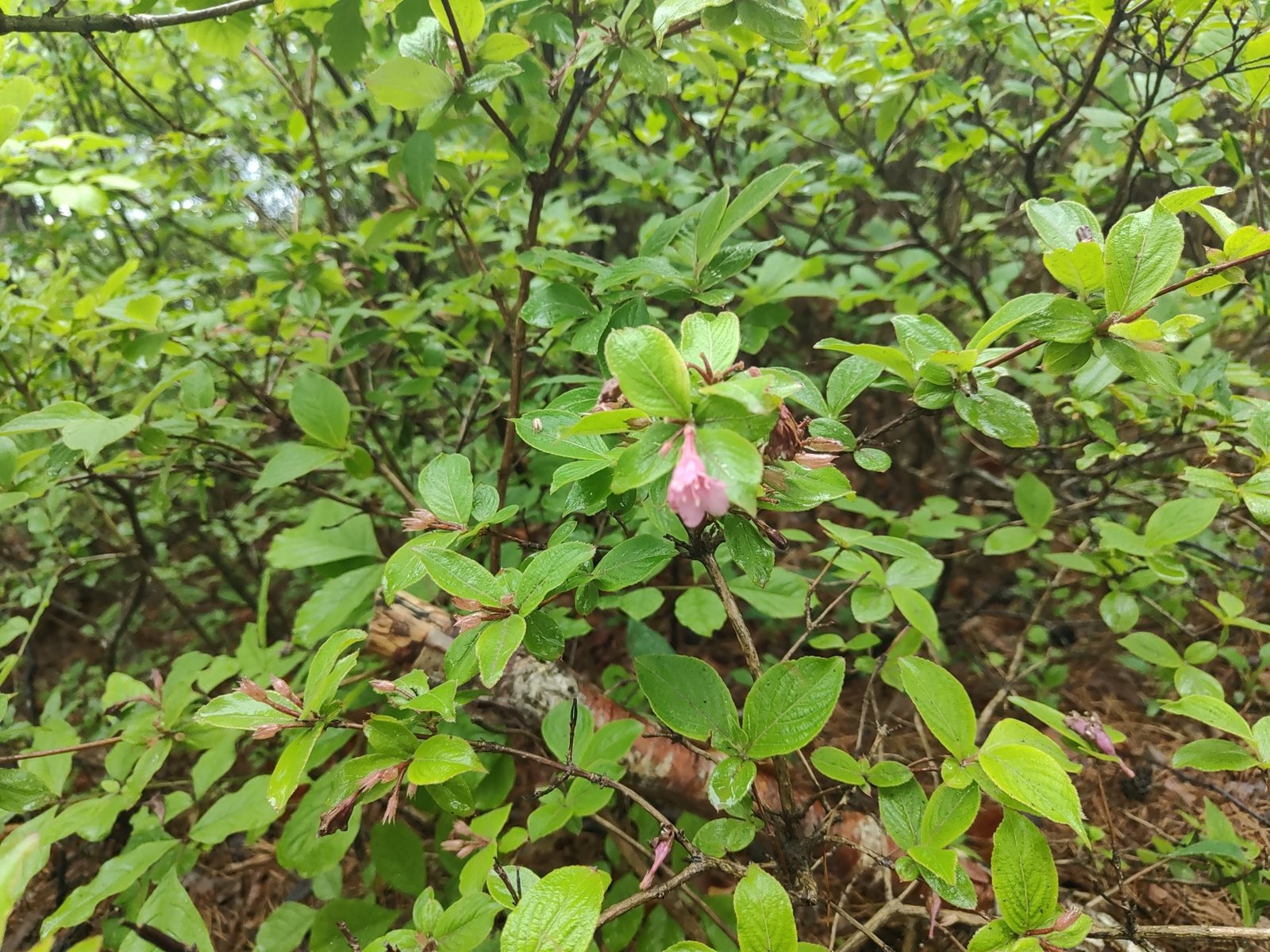
- Deep pink to rosy-red, trumpet-shaped flowers in late spring to early summer; occasional scattered flowers may follow in summer.
- Foliage
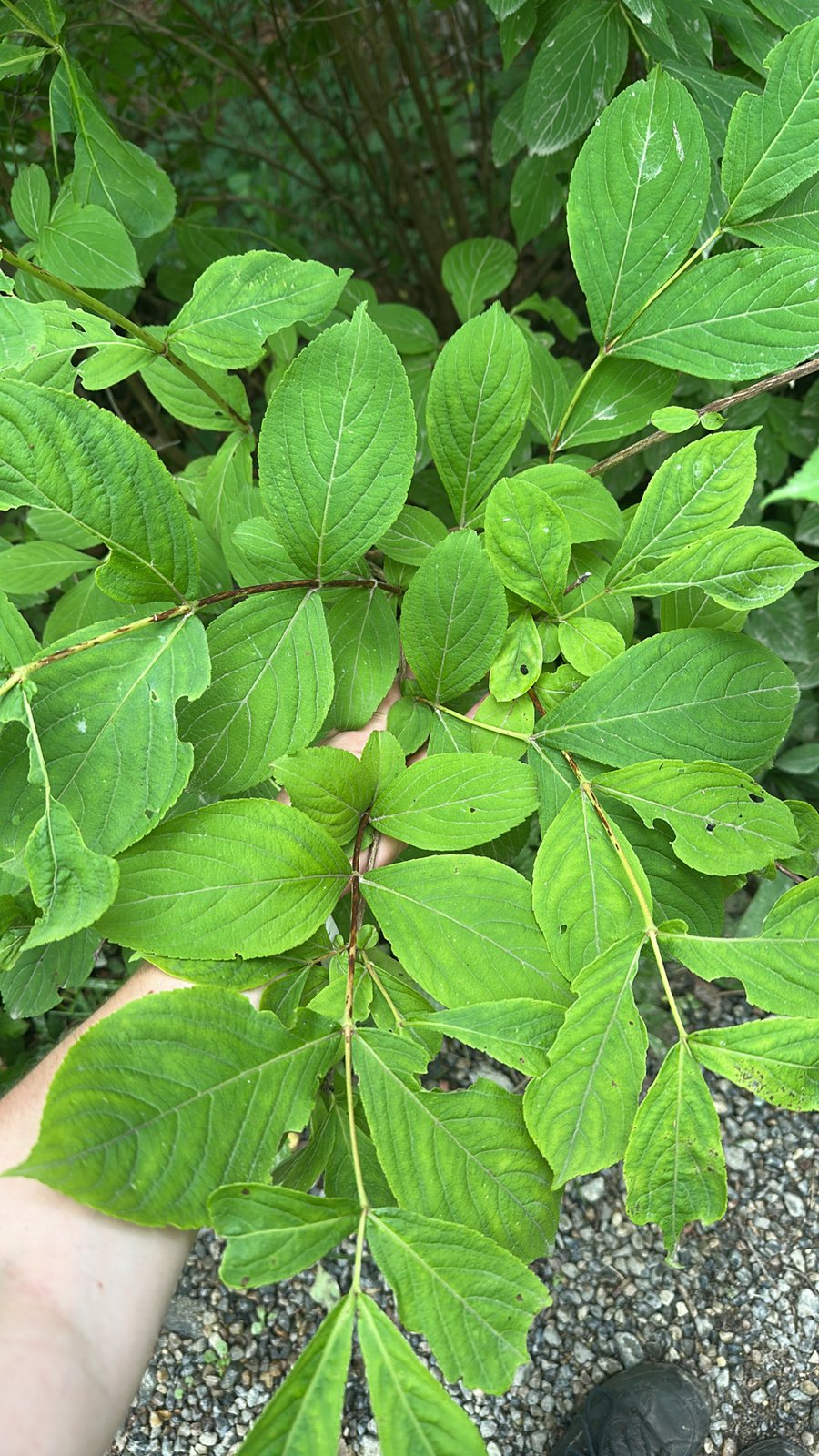
- Opposite, pointed oval leaves emerge burgundy-purple and remain dark through summer in good light; deciduous, with little reliable autumn colour.
- Growth
- Moderate
- Care needed
- Low
The year at a glance
- Pollinators
- Cold hardy
- Wildlife
- Low allergen
| J | F | M | A | M | J | J | A | S | O | N | D | |
|---|---|---|---|---|---|---|---|---|---|---|---|---|
| Flowers | ||||||||||||
| Plant |
Northern hemisphere months. In Australia, shift them by six.
- Difficulty
- Easy
- Toughness
- Very tough
Will it suit your garden?
Pick your zone, country, light and whether you have pets.
Full sun is 6 or more hours of direct sun a day, part shade 3 to 6 hours, shade under 3.
How it grows
Planting day
1.6 ft (0.5 m)
After 1 year
2.2 ft (0.67 m)
After 2 years
2.8 ft (0.84 m)
After 3 years
3 ft (1 m)
After 5 years
4 ft (1.4 m)
full size
About 5 years to full size.
From a typical nursery size, at an average rate for this kind of plant. A rule of thumb, not a forecast.
Good to know
- Cats and dogs
- Safe
- Growth rate
- Moderate
Care
Jobs through the year
- WaterApr–May, Sep–Oct, every 14 days
- Water established shrubs deeply only if soil is dry; newly planted shrubs need more frequent watering.
- WaterJun–Aug, every 7 days
- During prolonged dry weather, water established shrubs deeply; skip if rainfall keeps the root zone moist.
- MulchMar–Apr
- Refresh organic mulch to 5–8 cm deep, keeping it clear of stems.
- FeedMar–Apr
- Top-dress with compost; use additional fertilizer only for weak growth or poor soil.
- PruneMar–Apr
- Once live buds are visible, remove dead or winter-damaged wood only.
- PruneJun–Jul
- Immediately after the main bloom, shorten selected flowered shoots and remove up to one-third of old stems if crowded.
- Water deeply during the first growing season whenever the root zone begins to dry.
- Apply 2-3 in (5-8 cm) of organic mulch, keeping it clear of the stems.
- Top-dress with compost in spring; use fertiliser only if growth is weak or soil is poor.
- Allow room for its mature width rather than relying on repeated shearing.
- Avoid high-nitrogen feeding, which encourages leafy growth at the expense of flowers.
Pruning. Prune immediately after the main flowering flush, shortening selected flowered shoots and removing up to one-third of the oldest stems at ground level if crowded. Remove dead or winter-damaged wood in spring; autumn or late-winter shaping removes next season's flower buds.
Through the year
- Early spring
- Check for winter damage and remove dead wood once live buds are visible.
- Spring
- Refresh mulch and add a light compost top-dressing.
- Late spring
- Check tender shoots for aphids and wash off small colonies with water.
- Early summer
- Prune after the main flowers fade, thinning old stems only where needed.
- Summer
- Water deeply during extended dry weather, especially while the shrub is establishing.
- Autumn
- Plant while soil is workable in mild climates; avoid pruning healthy shoots.
In the garden
- Place in a mixed border beside silver or blue-green foliage to contrast with its dark leaves.
- Plant as an informal flowering hedge, allowing enough space for its natural width.
- Use as a dark-leaved anchor behind lower perennials and spring bulbs.
- Repeat through a sunny foundation border to link planting groups without creating a clipped hedge.
Garden styles it suits: Cottage garden, English country, Traditional, Modern rustic, Pollinator garden and Low-maintenance.
Plant it with: Catmint, Hardy geranium, Salvia, Lady's mantle, Lamb's ears and Daffodils.
Wildlife: Flowers provide nectar for bees and other visiting insects; hummingbirds visit where they occur in North America. The branching shrub also offers cover for small birds.
Problems to watch for
- Aphids can cluster on soft shoots; wash them off with a firm spray of water and encourage ladybirds and other predators.
- Root rot and declining growth occur in waterlogged soil; improve drainage or move the shrub to a better-drained site.
- Winter dieback can follow severe cold or exposed conditions; remove dead stems in spring and choose a sheltered planting position.
- Sparse flowering usually follows heavy shade or pruning at the wrong time; provide more sun and prune only after the main flowering flush.
Safety
Not known to be toxic to cats, dogs, horses or people, and no part is recognised as a significant poisoning hazard. It is not an edible plant; eating substantial amounts of foliage may still cause stomach upset.
Easily confused with
Purple-leaved ninebark (Physocarpus opulifolius)
Purple-leaved cultivars have lobed leaves and rounded clusters of small white or pinkish flowers, rather than weigela's unlobed leaves and pink trumpets.
Purple-leaved Chinese fringe flower (Loropetalum chinense var. rubrum)
Usually evergreen in suitable climates, with alternate leaves and flowers made of narrow, ribbon-like petals; weigela is deciduous, with opposite leaves and trumpet-shaped flowers.
The name
Weigela honours German botanist Christian Ehrenfried Weigel, and florida means abundantly flowering rather than referring to the US state.
Propagation. Root softwood cuttings in late spring or early summer, or hardwood cuttings during dormancy. Seedlings will not reliably retain the cultivar's foliage and flower characteristics; check local plant breeders' rights before propagating.
Checked against open data
- Accepted botanical name
- Weigela florida
- In the US and Canada
- Introduced in the lower 48 states.
- Native range
- China North-Central, China Southeast, Inner Mongolia, Japan, Korea, Manchuria and Primorye.
- Measured
- Average height 300 cm.
Sources: GBIF (CC BY 4.0), USDA PLANTS and Trefle (CC BY 4.0). The care and design notes are LandscapeGPT's own.
See it in your own yard.
Upload a photo of your yard and see it redesigned with plants that suit your climate, each checked against your zone.