Wormwood 'Powis Castle'
Artemisia 'Powis Castle'. Family Asteraceae. Shrub.
Also called Artemisia 'Powis Castle', Powis Castle artemisia.
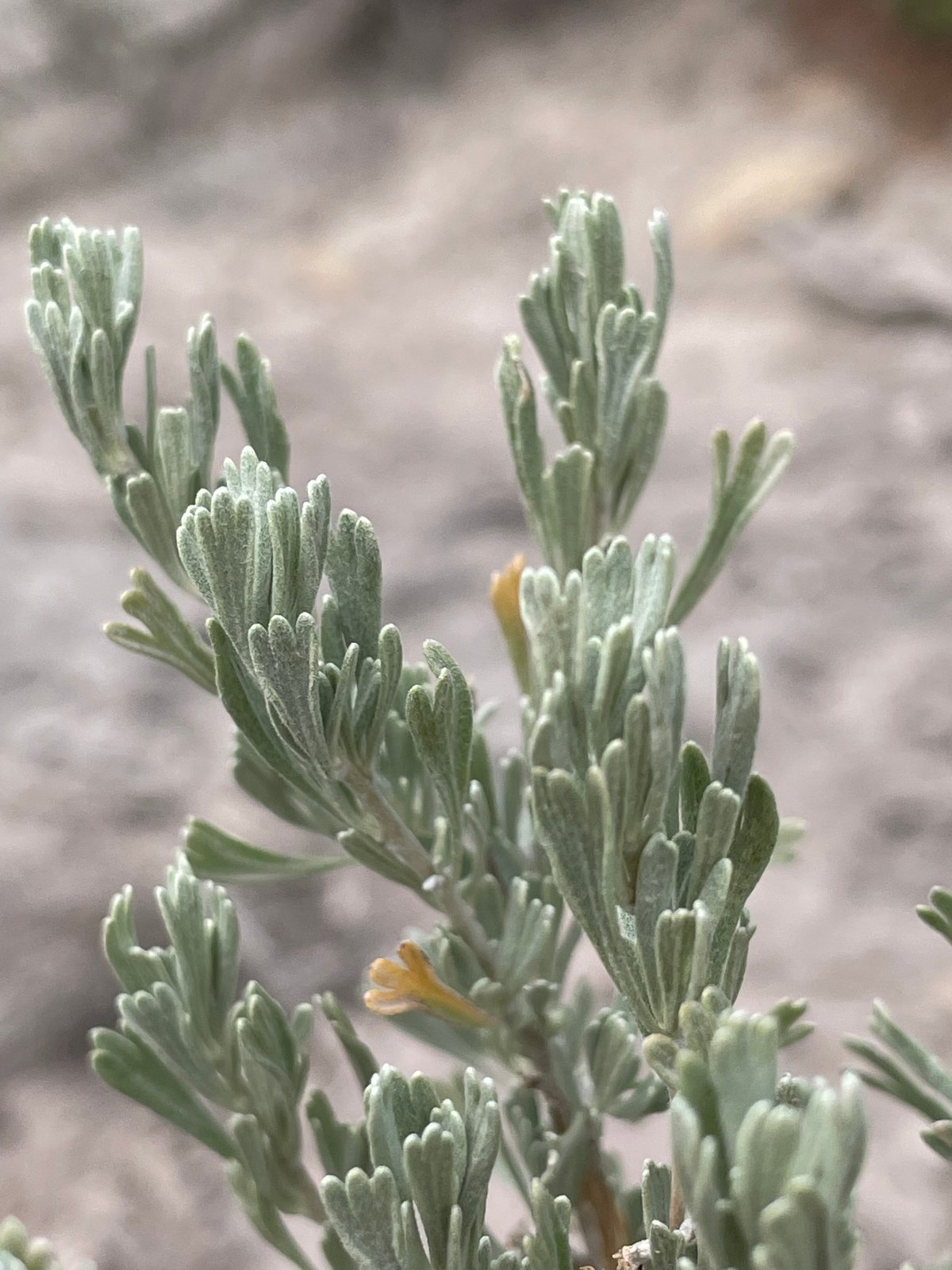
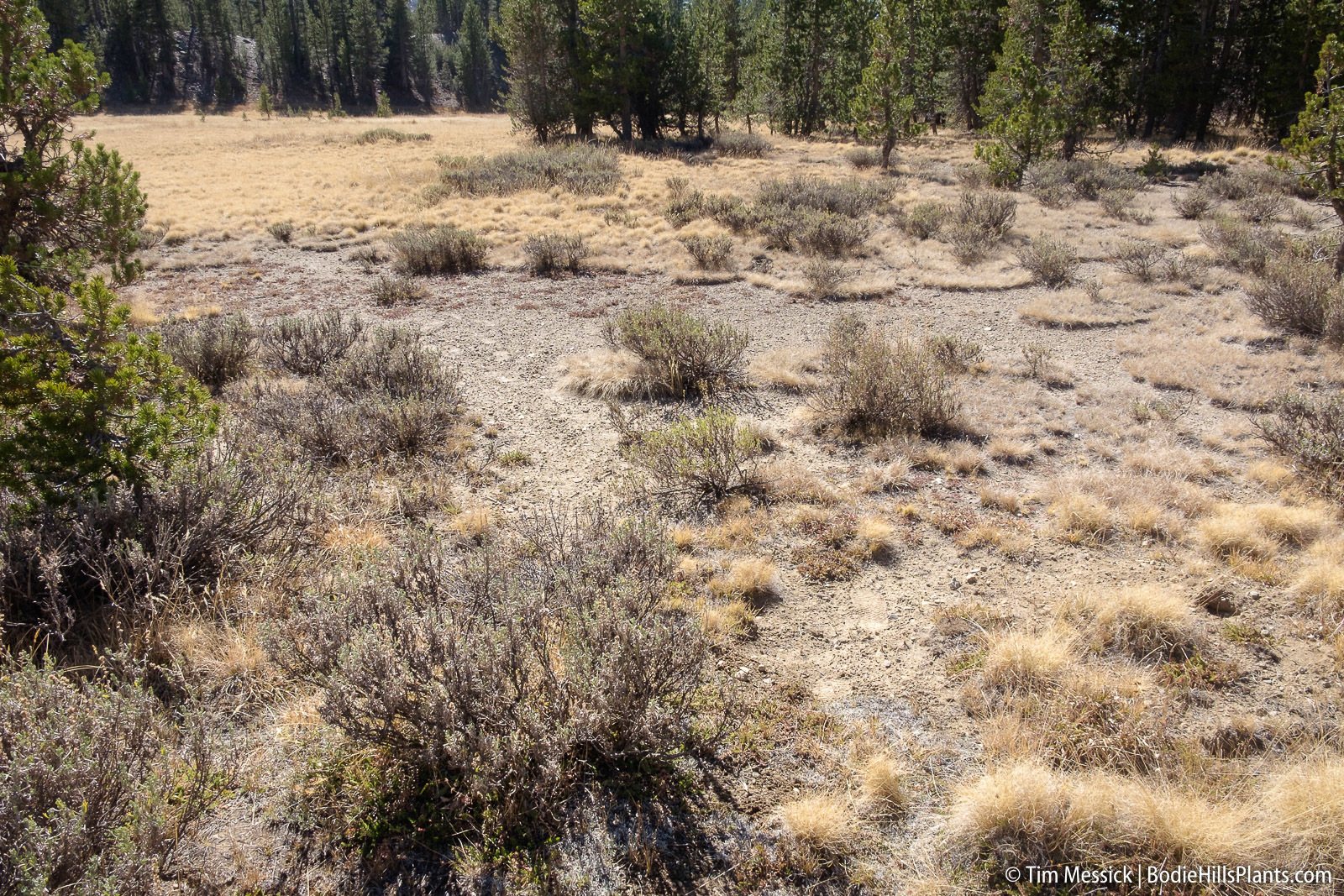
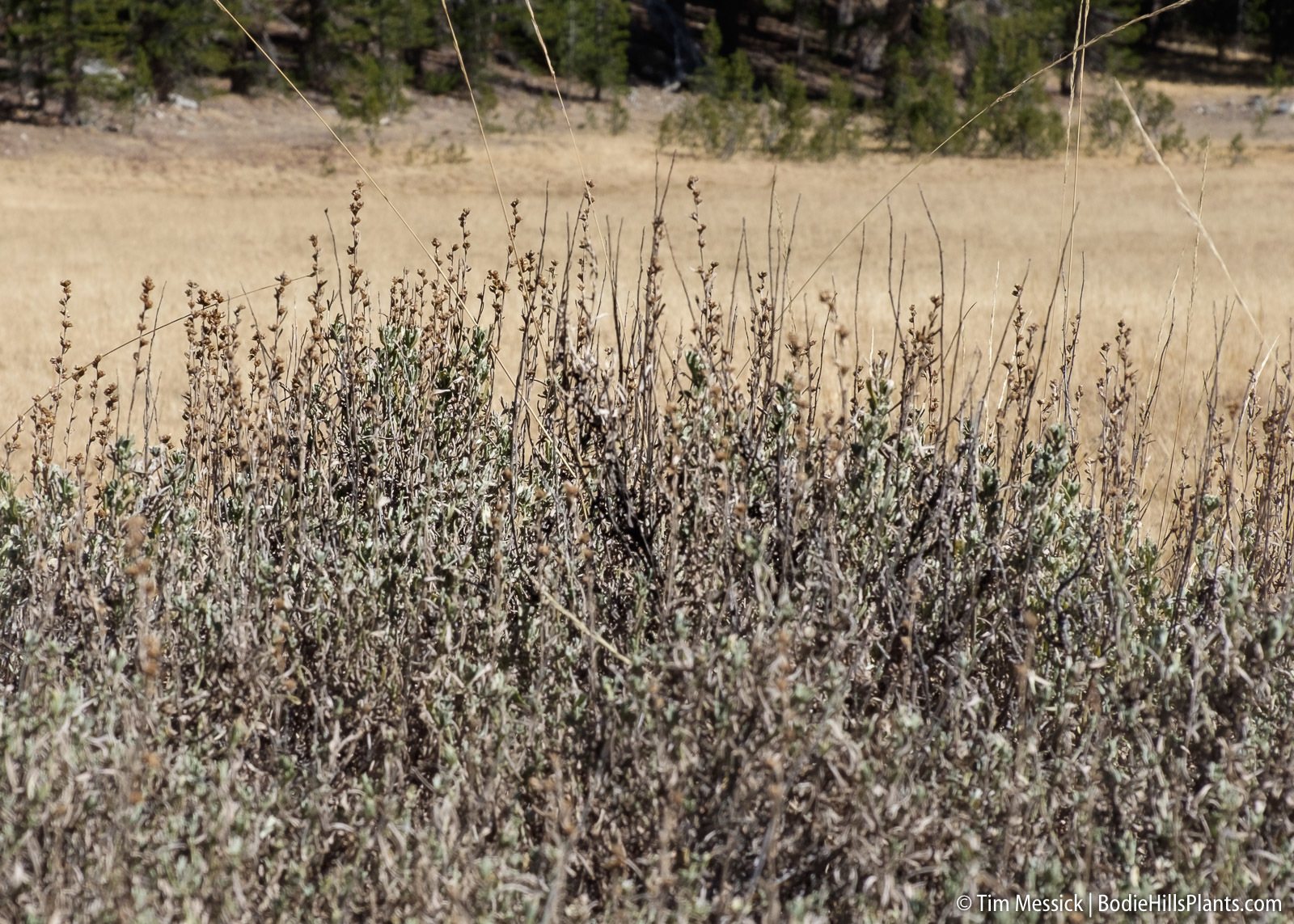
A woody-based, mounding shrub grown for its finely divided, aromatic silver-grey foliage. It softens sunny borders and contrasts well with dark leaves and bright flowers, but needs freely draining soil, especially in winter. Evergreen in mild climates, it can lose much of its foliage in colder winters.
At a glance
- Sun
- Full sun; shade produces looser growth and less silvery foliage.
- Water
- Water regularly while establishing, then sparingly. Established plants tolerate drought but dislike persistently damp roots.
- Soil
- Well-drained sandy, gritty or gravelly soil of low to moderate fertility; tolerates a range of soil pH. Avoid wet clay unless drainage is substantially improved.
- Height
- 2-3 ft (0.6-0.9 m)
- Spread
- 3-5 ft (0.9-1.5 m)
- Foliage
- Evergreen. Finely cut, soft-looking silver-grey leaves with a strong herbal scent when brushed or crushed.
- Growth
- Fast in suitable conditions.
- Care needed
- Low
The year at a glance
- Deer resistant
- Drought tolerant
- Heat tolerant
- Fragrant
| J | F | M | A | M | J | J | A | S | O | N | D | |
|---|---|---|---|---|---|---|---|---|---|---|---|---|
| Plant |
Northern hemisphere months. In Australia, shift them by six.
- Difficulty
- Easy
- Toughness
- Very tough
Will it suit your garden?
Pick your zone, country, light and whether you have pets.
Full sun is 6 or more hours of direct sun a day, part shade 3 to 6 hours, shade under 3.
How it grows
Planting day
1.6 ft (0.5 m)
After 1 year
1.9 ft (0.58 m)
After 2 years
2.1 ft (0.65 m)
After 3 years
2.4 ft (0.73 m)
After 5 years
2.5 ft (0.75 m)
full size
About 3 years to full size.
From a typical nursery size, at an average rate for this kind of plant. A rule of thumb, not a forecast.
Good to know
- Cats and dogs
- Toxic
- Growth rate
- Fast
Care
Jobs through the year
- WaterApr–May, Sep, every 21 days
- Water established plants only during prolonged drought; water new plants more often.
- WaterJun–Aug, every 14 days
- Water deeply only when soil is thoroughly dry; avoid frequent watering.
- MulchApr
- Use light gravel mulch and keep damp organic material away from the woody crown.
- PruneApr–May
- After severe frost risk passes, shorten stems above leafy shoots; avoid bare old wood.
- ProtectOct–Nov
- Clear leaves from the crown, ensure winter drainage and avoid autumn hard pruning.
- Water deeply during the first growing season, allowing the soil to dry between waterings.
- Plant where winter rain drains away quickly; use a raised bed or a container with drainage holes if necessary.
- Avoid routine feeding and rich compost, which encourage floppy growth.
- Keep damp organic mulch away from the woody crown; a light gravel mulch is suitable.
- Allow room for its broad mound rather than crowding it against neighbouring plants.
Pruning. In spring, once strong new growth is visible and severe frosts have passed, shorten stems to build a compact mound, keeping leafy shoots below each cut. Avoid cutting into bare old wood or pruning hard in autumn.
Through the year
- Spring
- Plant after severe frost risk has passed, choosing full sun and sharply drained soil.
- Mid-spring
- Prune established plants once new shoots show which stems are alive.
- Early summer
- Take softwood cuttings from healthy, non-flowering shoots.
- Summer
- Water young plants during dry spells; lightly trim wayward leafy shoots if needed.
- Autumn
- Clear fallen leaves from the crown and check that surrounding soil drains freely.
- Winter
- Avoid hard pruning and keep container plants out of standing water.
In the garden
- Repeat rounded silver mounds through a sunny gravel garden with lavender and ornamental grasses.
- Use beside purple salvias or dark-leaved plants to make their colours stand out.
- Place near the front of a broad mixed border, allowing space for its spreading branches.
- Grow in a large, freely drained container as a foliage contrast to upright plants.
- Use along a sunny path where its aromatic leaves can be brushed without blocking the walkway.
Garden styles it suits: Mediterranean, Dry gravel garden, Cottage garden, Coastal, Desert / xeriscape and Moon garden.
Plant it with: Lavender, Russian sage, Catmint, Bearded iris, Yarrow and Blue fescue.
Wildlife: Primarily a foliage plant, with limited value for pollinators because flowering is uncommon. Its aromatic foliage is often avoided by deer and rabbits, though browsing is still possible.
Problems to watch for
- Root and crown rot in wet soil: improve drainage or move to a raised bed; replace plants whose crowns have rotted.
- Floppy, open growth: provide full sun, stop feeding and reduce unnecessary watering.
- Woody, bare centres with age: prune leafy growth annually and raise replacement plants from cuttings.
- Winter dieback: wait for spring growth before removing dead stems, and avoid autumn pruning.
Safety
Not a culinary wormwood. Cultivar-specific toxicity information is limited; treat the leaves, stems and their concentrated oils as potentially harmful if eaten by people, cats, dogs or horses. Ingestion may cause digestive upset, and concentrated oils can cause more serious poisoning; avoid using it in food or home remedies. Sap or foliage may irritate sensitive skin.
Easily confused with
Common wormwood (Artemisia absinthium)
Usually more upright, with coarser, broader leaf divisions and more conspicuous sprays of small yellowish flower heads.
Southernwood (Artemisia abrotanum)
Has greener, threadlike foliage and a more upright, twiggy outline rather than a broad silver mound.
Silver mound artemisia (Artemisia schmidtiana 'Nana')
Forms a much smaller, low cushion of fine silver foliage and lacks the substantial woody framework of 'Powis Castle'.
The name
The cultivar name refers to Powis Castle in Wales, where this garden selection was introduced.
Propagation. Take softwood cuttings in late spring or early summer, or semi-ripe cuttings later in summer, and root them in a gritty propagation mix. Cuttings preserve the cultivar; seed is not a reliable way to reproduce it.
Checked against open data
- Accepted botanical name
- Artemisia
Sources: GBIF (CC BY 4.0). The care and design notes are LandscapeGPT's own.
See it in your own yard.
Upload a photo of your yard and see it redesigned with plants that suit your climate, each checked against your zone.