Wyoming canna
Canna 'Wyoming'. Family Cannaceae. Perennial.
Also called Canna lily 'Wyoming'.
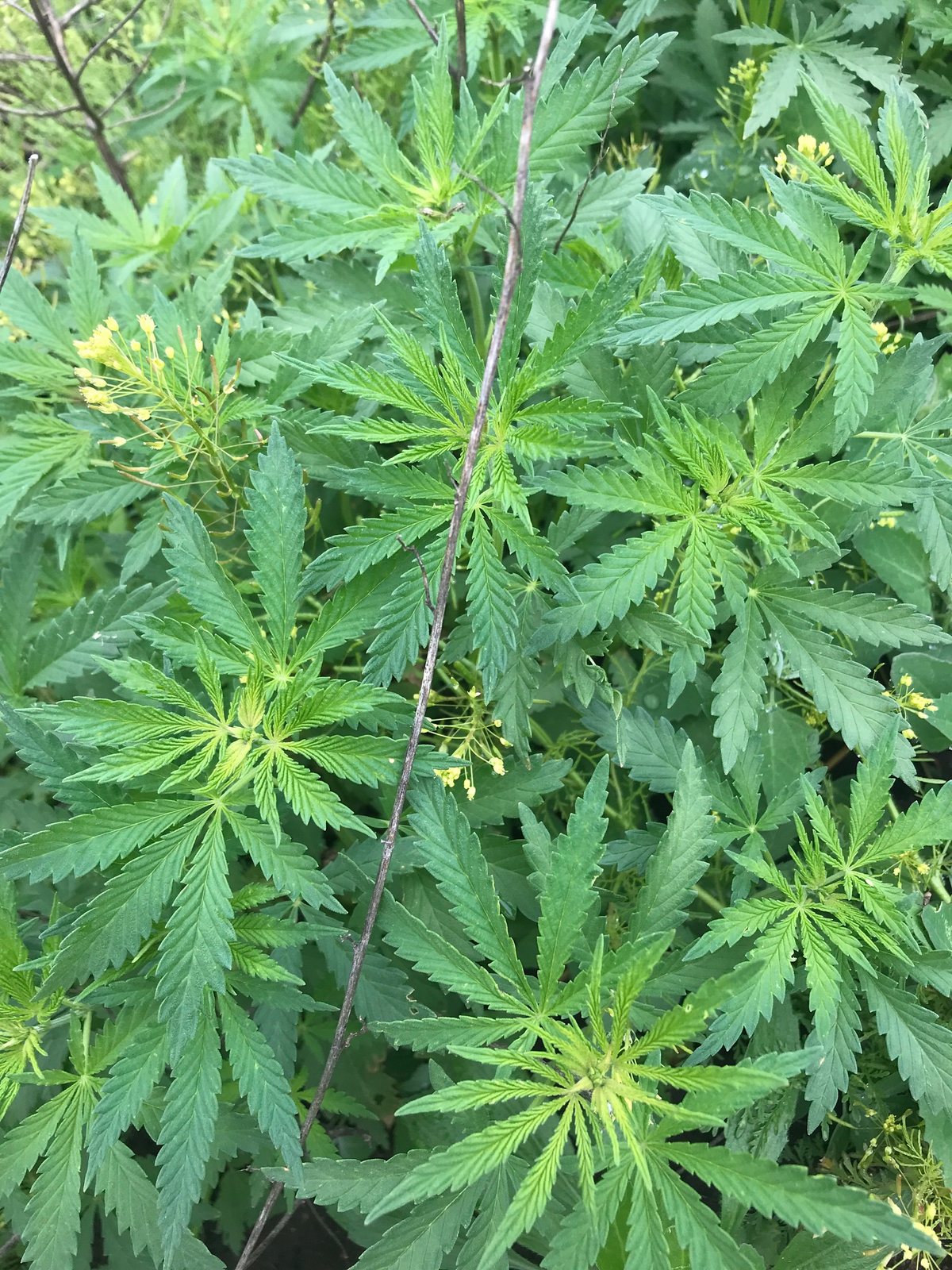
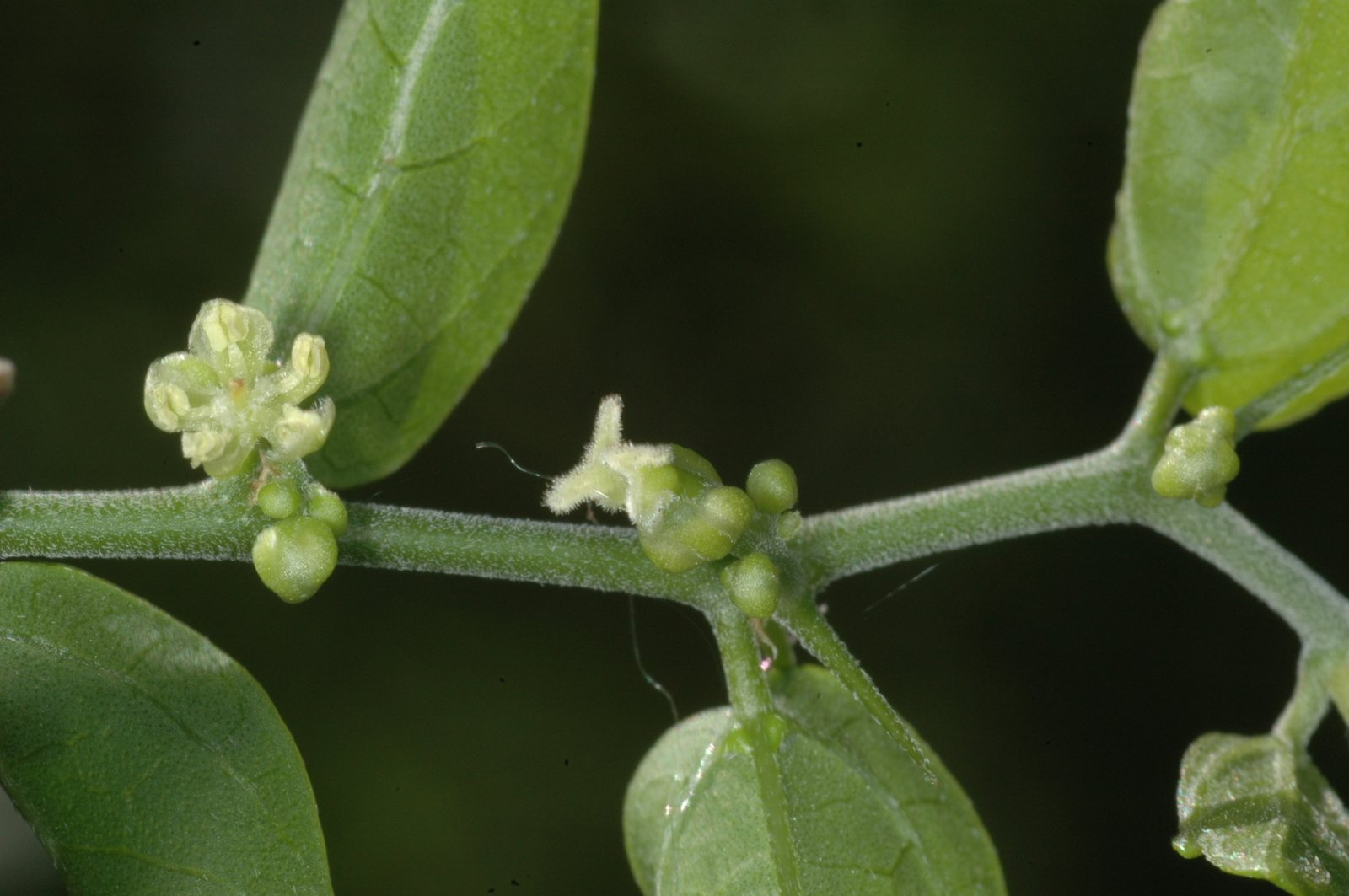
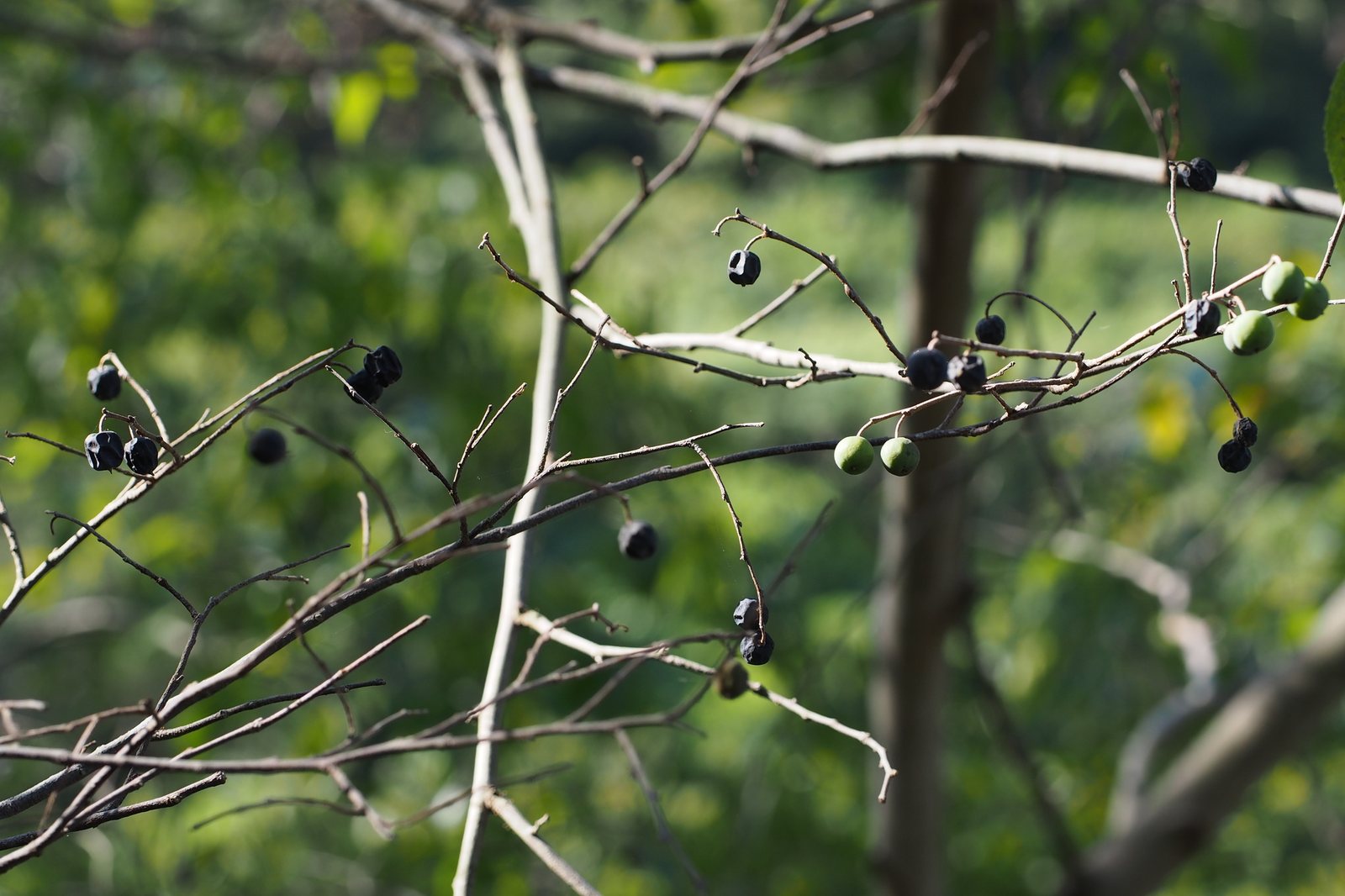
Canna 'Wyoming' is a tall, rhizomatous perennial with broad bronze-purple leaves and bright orange flowers. It brings strong foliage contrast and late-season colour to borders and large containers; in cold climates, lift and store the rhizomes indoors for winter.
At a glance
- Sun
- Full sun; tolerates light shade, but flowers less freely and may develop weaker foliage colour.
- Water
- Keep evenly moist during active growth. Water containers frequently in hot weather, but avoid stagnant, waterlogged soil, especially in winter.
- Soil
- Rich, moisture-retentive soil with good drainage; tolerates clay if it does not remain waterlogged.
- Height
- 4-6 ft (1.2-1.8 m)
- Spread
- 2-3 ft (0.6-0.9 m)
- Flowers
- Orange flowers from midsummer into autumn, continuing until frost in cooler climates.
- Foliage
- Large, paddle-shaped leaves in bronze-purple to dark green flushed with bronze, carried on upright stems.
- Growth
- Fast in warm weather with adequate water and feeding.
- Care needed
- Medium
The year at a glance
- Pollinators
- Deer resistant
- Heat tolerant
- Low allergen
| J | F | M | A | M | J | J | A | S | O | N | D | |
|---|---|---|---|---|---|---|---|---|---|---|---|---|
| Flowers | ||||||||||||
| Plant |
Northern hemisphere months. In Australia, shift them by six.
- Difficulty
- Moderate
- Toughness
- Fairly tough
Will it suit your garden?
Pick your zone, country, light and whether you have pets.
Full sun is 6 or more hours of direct sun a day, part shade 3 to 6 hours, shade under 3.
How it grows
Planting day
1 ft (0.3 m)
After 1 year
3 ft (0.92 m)
After 2 years
5 ft (1.5 m)
full size
About 2 years to full size.
From a typical nursery size, at an average rate for this kind of plant. A rule of thumb, not a forecast.
Good to know
- Cats and dogs
- Safe
- In the garden
- Spreads vigorously: plan to contain it.
- Growth rate
- Fast
Care
Jobs through the year
- WaterMay–Jun, Sep–Oct, every 7 days
- Water established plants when the surface dries; reduce watering as foliage dies back.
- WaterJul–Aug, every 3 days
- Keep established plants evenly moist in dry weather; containers and new plants need closer checks.
- FeedJun–Sep, every 28 days
- Apply balanced fertiliser during active growth at the product's labelled rate.
- MulchMay–Jun
- Spread compost around emerging plants to conserve moisture, keeping shoots clear.
- DivideMar–Apr
- Divide crowded stored rhizomes, retaining a healthy bud on each piece; start indoors.
- DeadheadJul–Oct, every 7 days
- Remove faded flower clusters without cutting away unopened buds.
- PruneJul–Sep
- Cut fully finished flower stems near ground level.
- PruneOct–Nov
- Remove frost-blackened foliage before lifting rhizomes.
- ProtectOct–Nov
- After the first light frost, lift rhizomes and store frost-free in barely moist compost.
- ProtectJan–Mar, Dec, every 30 days
- Check stored rhizomes for rot or shrivelling; discard soft pieces and avoid wet storage.
- Plant outdoors after frost danger has passed and the soil has warmed, covering rhizomes with about 4 in (10 cm) of soil.
- Water deeply whenever the surface soil starts to dry; do not let actively growing container plants dry out.
- Apply a balanced fertiliser during active growth, following the product's label rate.
- Mulch with compost to conserve moisture; add a thick winter mulch where rhizomes remain outdoors.
- In colder climates, lift after frost blackens the leaves and store rhizomes frost-free in barely moist compost.
- Divide crowded clumps in spring, keeping at least one healthy growing bud on each division.
Pruning. Remove faded flower clusters without cutting off unopened buds lower on the flower stalk. Once a stem has finished flowering, cut it near ground level; remove frost-killed foliage before lifting or winter mulching.
Through the year
- Late winter
- Check stored rhizomes for rot or shrivelling; discard soft, rotten sections and keep the storage material barely moist.
- Early spring
- Divide rhizomes and pot them indoors in a warm, bright place if you want an earlier start.
- Late spring
- Harden off indoor-grown plants and plant outside once frost danger has passed and the soil is warm.
- Summer
- Water regularly, feed during active growth and remove faded flower clusters.
- Autumn
- Continue watering while leaves remain green, then reduce watering as growth slows.
- Late autumn
- Where winters are cold, lift rhizomes after the first light frost; in mild areas, cut down dead stems and mulch the root zone.
In the garden
- Use at the back of a sunny border, where the broad dark leaves provide a backdrop for smaller flowers.
- Plant in a large patio container with trailing sweet potato vine for contrasting leaf shapes.
- Combine with dahlias and orange or red flowers for a warm-coloured summer border.
- Mass beside a pond in moist, drained soil for a lush effect without submerging the crown.
Garden styles it suits: Modern tropical, Tropical, Architectural minimal, Hot border, Victorian and Modern courtyard.
Plant it with: Dahlias, Crocosmia, Coleus, Sweet potato vine, Salvias and Elephant ears.
Wildlife: Flowers may attract hummingbirds where they occur, as well as some nectar-feeding insects. Wildlife value varies with local pollinators.
Problems to watch for
- Slugs and snails chew young shoots: inspect emerging growth, remove pests and use wildlife-conscious slug controls where needed.
- Canna leafrollers fold or bind leaves and feed inside: open affected leaves and remove caterpillars promptly.
- Canna viruses cause streaking, mottling and distorted growth: remove affected plants and rhizomes, disinfect tools and replace with healthy stock.
- Rhizome rot develops in cold, wet soil or wet storage: improve drainage, keep stored rhizomes only barely moist and discard soft material.
Safety
Not known to be toxic to cats, dogs, horses or people. No part is recognised as poisonous, but this ornamental cultivar is not grown as food.
Easily confused with
Tropicanna canna (Canna 'Phasion')
Also has orange flowers, but its leaves have conspicuous pink, orange, yellow and green striping rather than the largely solid bronze-purple colouring of 'Wyoming'.
Australia canna (Canna 'Australia')
Has very dark burgundy foliage and red flowers; 'Wyoming' has orange flowers and usually lighter bronze-purple leaves.
The name
Canna comes from a Greek word for a reed, referring to the plant's upright, reed-like stems.
Propagation. Divide rhizomes in spring, leaving at least one healthy growing bud and some sound rhizome on each piece. Division preserves the cultivar; seedlings, if produced, will not reliably resemble 'Wyoming'.
Checked against open data
- Accepted botanical name
- Canna
Sources: GBIF (CC BY 4.0). The care and design notes are LandscapeGPT's own.
See it in your own yard.
Upload a photo of your yard and see it redesigned with plants that suit your climate, each checked against your zone.