Yoshino cherry
Prunus × yedoensis. Family Rosaceae. Tree.
Also called Tokyo cherry, Somei-yoshino.
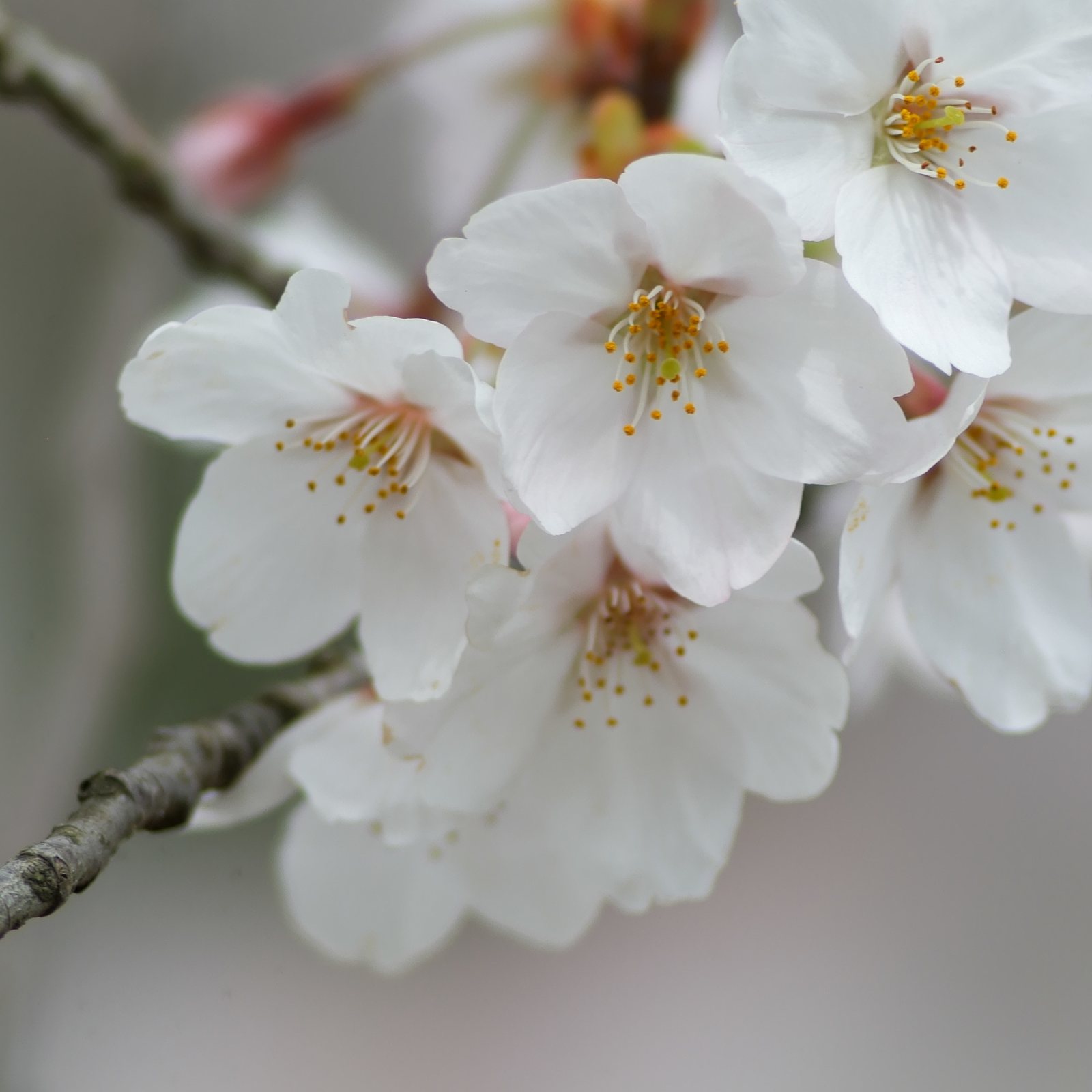
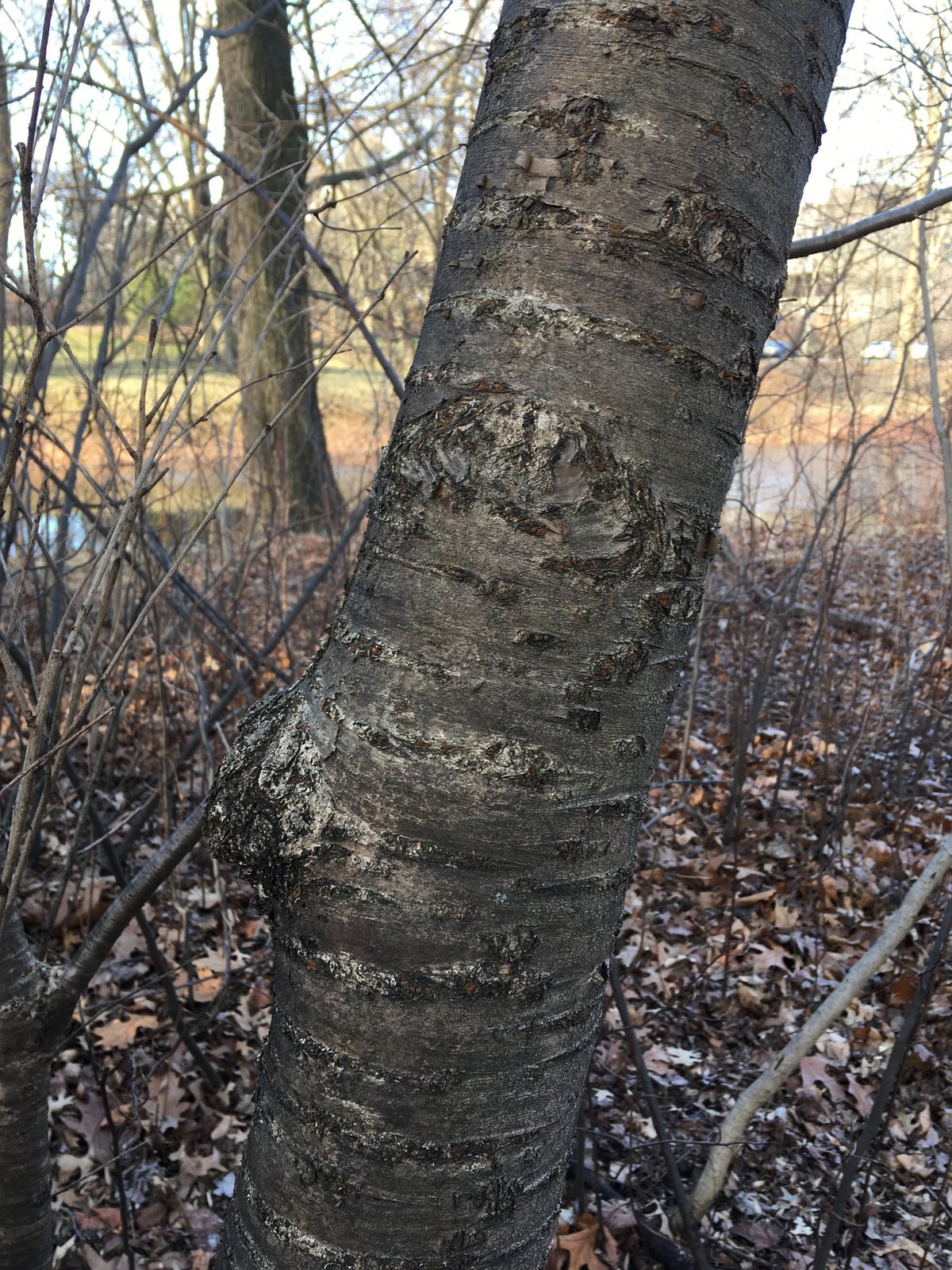
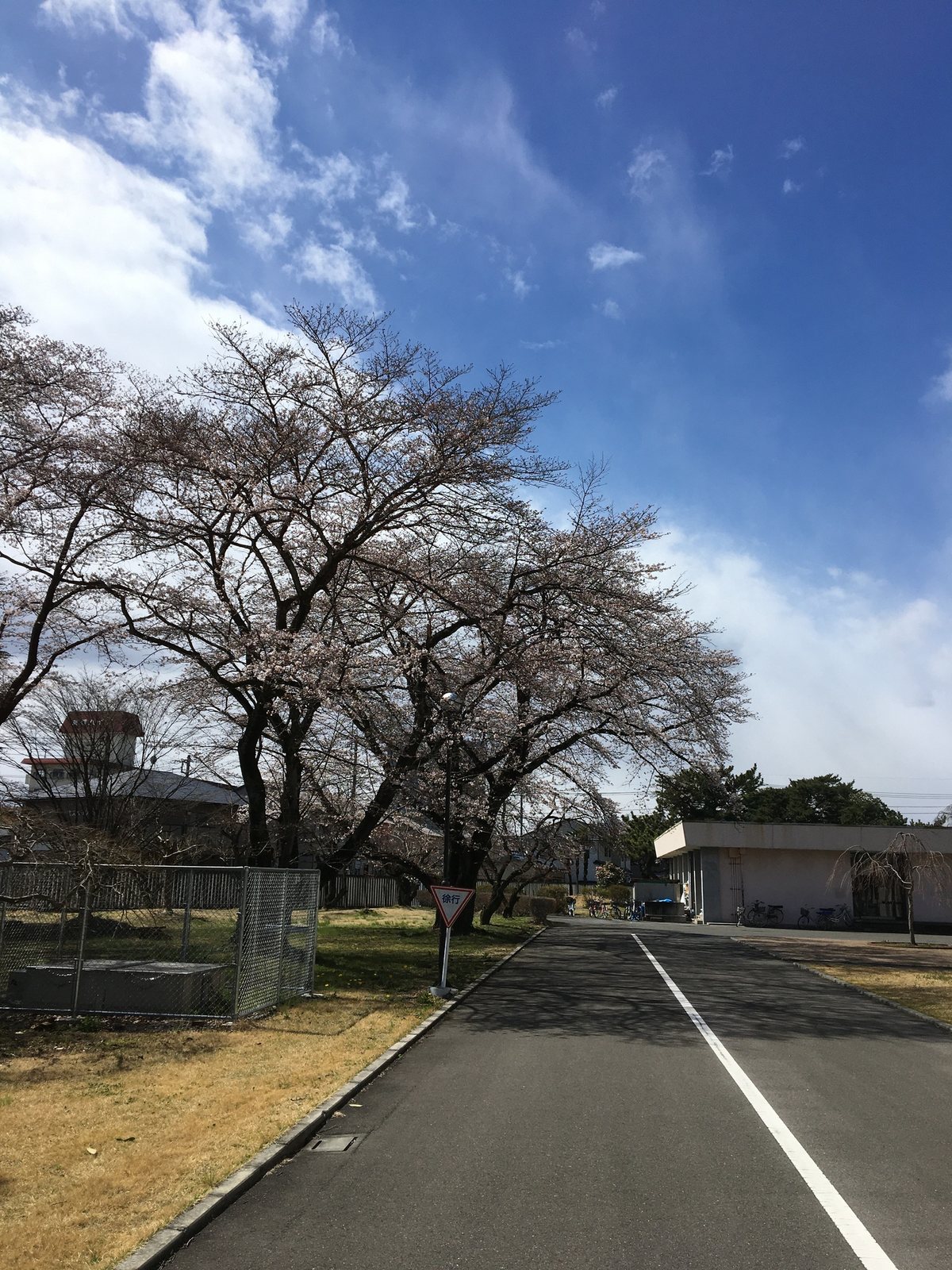
Yoshino cherry is a deciduous flowering tree with a broad, spreading crown and clouds of pale pink buds opening to nearly white flowers before the leaves emerge. Grow it for its brief but generous spring display, graceful branching and yellow to orange autumn foliage; allow room for its mature canopy.
At a glance
- Sun
- Full sun gives the best flowering; tolerates light partial shade.
- Water
- Keep the root zone evenly moist but not waterlogged. Water deeply during dry spells, especially in the first two growing seasons.
- Soil
- Moist, well-drained loam is ideal. Tolerates clay or sandy soil if drainage and moisture are adequate; avoid compacted ground and standing water.
- Height
- 30-40 ft (9-12 m)
- Spread
- 30-40 ft (9-12 m)
- Flowers
- Early to mid-spring; pale pink buds open to lightly fragrant, white or very pale pink flowers, usually before the leaves.
- Foliage
- Oval, pointed, sharply toothed green leaves; young growth may be bronze-tinted, with yellow to orange colour in autumn.
- Growth
- Moderate to fast when young, slowing with age.
- Care needed
- Medium
The year at a glance
- Pollinators
- Wildlife
- Low allergen
- Fragrant
| J | F | M | A | M | J | J | A | S | O | N | D | |
|---|---|---|---|---|---|---|---|---|---|---|---|---|
| Flowers | ||||||||||||
| Fruit | ||||||||||||
| Plant |
Northern hemisphere months. In Australia, shift them by six.
- Difficulty
- Moderate
- Toughness
- Fairly tough
Will it suit your garden?
Pick your zone, country, light and whether you have pets.
Full sun is 6 or more hours of direct sun a day, part shade 3 to 6 hours, shade under 3.
How it grows
Planting day
7 ft (2 m)
After 1 year
8 ft (2.4 m)
After 2 years
9 ft (2.8 m)
After 3 years
11 ft (3.3 m)
After 5 years
14 ft (4.1 m)
About 20 years to full size.
From a typical nursery size, at an average rate for this kind of plant. A rule of thumb, not a forecast.
Good to know
- Cats and dogs
- Toxic
- Growth rate
- Moderate
Care
Jobs through the year
- WaterApr–May, Sep–Oct, every 14 days
- Water established trees deeply only during dry spells; young trees need more frequent watering for two years.
- WaterJun–Aug, every 7 days
- During prolonged drought, soak the root zone if dry; do not water already moist soil.
- MulchMar
- Maintain 5–8 cm of organic mulch over the roots, clear of the trunk.
- FeedMar–Apr
- Feed lightly only if weak growth or a soil test indicates a deficiency.
- PruneJun–Aug
- In dry weather, remove dead, damaged or crossing branches and shoots below the graft; avoid large cuts.
- ProtectNov
- Collect diseased fallen leaves and check that ties and mulch are clear of the trunk.
- Plant with the root flare at soil level and any graft union above the soil.
- Water deeply during dry weather for the first two growing seasons; established trees also need water during prolonged drought.
- Spread 2-3 in (5-8 cm) of organic mulch over the root zone, keeping it clear of the trunk.
- Feed in spring only if growth is weak or a soil test indicates a deficiency; avoid heavy nitrogen feeding.
- Keep lawn mowers and strimmers away from the trunk, and remove shoots arising below the graft.
- Stake only if the root ball moves in wind, using flexible ties; remove the support once roots hold the tree securely.
Pruning. Prune sparingly in dry summer weather, removing dead, damaged or crossing branches and making small cuts just outside the branch collar. Avoid routine winter pruning and large cuts, which increase the risk of disease and decay.
Through the year
- Autumn
- Plant while the soil is workable and not waterlogged; in very cold regions, wait until spring.
- Early spring
- Plant in cold regions once the ground is workable; check existing trees for loose ties and replenish mulch.
- Spring
- Check new growth for aphids and remove any shoots growing from below the graft.
- Summer
- Carry out light pruning during dry weather and inspect branches for dieback or sunken bark.
- Summer
- Water deeply during prolonged dry spells, particularly around young trees.
- Late autumn
- Collect diseased fallen leaves and check that mulch is not touching the trunk.
In the garden
- Use as a lawn specimen where its broad crown can develop without repeated pruning.
- Plant along a wide path or drive for a spring canopy, allowing generous space for branches and surface roots.
- Underplant with snowdrops, daffodils and low groundcover for a layered spring display.
- Place against a dark evergreen backdrop to make the pale blossom stand out.
- Use near a seating area in a Japanese-inspired garden, allowing space for fallen petals and leaves.
Garden styles it suits: Japanese, Traditional, Romantic rose garden, Woodland, White garden and Grand estate.
Plant it with: Snowdrops, Daffodils, Hellebores, Epimediums, Japanese forest grass and Camellias.
Wildlife: Flowers provide pollen and nectar for early bees. Small, dark fruits, when produced, are eaten by birds; branches provide perching and nesting cover.
Problems to watch for
- Bacterial canker: sunken bark, gum and dying shoots may appear. Prune affected branches back to healthy wood in dry summer weather, disinfect tools between cuts and avoid unnecessary wounds.
- Silver leaf: silvery foliage and branch dieback can indicate infection. Remove affected branches during dry summer weather; seek an arborist's advice if the main trunk is involved.
- Aphids: colonies can curl young leaves and leave sticky honeydew. Wash off small colonies with water and encourage ladybirds and other predators; avoid spraying open flowers.
- Leaf scorch and premature leaf drop: drought, compacted soil or poor drainage can stress roots. Check soil moisture before watering, mulch widely and address drainage rather than repeatedly soaking wet ground.
Safety
Leaves, stems and seed kernels contain cyanogenic compounds and are toxic to cats, dogs, horses and people if eaten in sufficient amounts. Wilted leaves are particularly hazardous to horses and other grazing animals; poisoning can be rapidly fatal. Fruit flesh is not generally considered toxic, but the stones must not be chewed or crushed, and this tree is not grown as an eating cherry.
Easily confused with
Sargent's cherry (Prunus sargentii)
Usually has more distinctly pink flowers and conspicuous bronze-red young leaves; its flowers and leaves commonly emerge together.
Japanese flowering cherry (Prunus serrulata)
Many garden forms have densely double pink flowers and a more upright or vase-shaped crown; Yoshino typically has single, nearly white flowers and a broadly spreading crown.
Higan cherry (Prunus × subhirtella)
Usually has smaller flowers and leaves; some forms weep or flower intermittently in autumn and winter, unlike the main spring display of Yoshino.
The name
The botanical epithet yedoensis refers to Edo, the former name of Tokyo, while Yoshino recalls the Japanese district celebrated for flowering cherries.
Propagation. Usually propagated by budding or grafting onto a suitable cherry rootstock. Softwood cuttings can root under controlled conditions, but success varies. Seed-grown plants will not reliably match the parent.
Checked against open data
- Accepted botanical name
- Prunus yedoensis
Sources: GBIF (CC BY 4.0). The care and design notes are LandscapeGPT's own.
See it in your own yard.
Upload a photo of your yard and see it redesigned with plants that suit your climate, each checked against your zone.